Kirjojen hintavertailu. Mukana 11 244 527 kirjaa ja 12 kauppaa.

Kirjahaku

Etsi kirjoja tekijän nimen, kirjan nimen tai ISBN:n perusteella.

1000 tulosta hakusanalla Andrew Wild

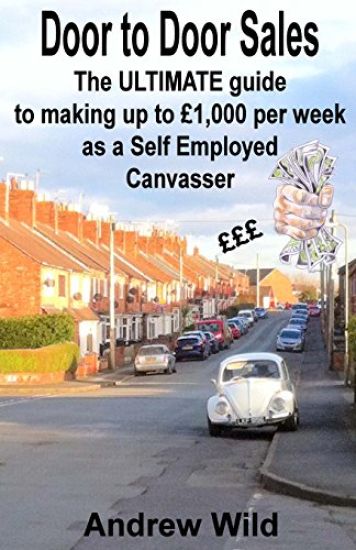
Door to Door Sales: The ULTIMATE guide to making up to £1,000 per week as a Self Employed Canvasser
Door to Door Sales. The ULTIMATE guide to making up to 1,000 per week as a Self Employed Canvasser is a book packed full of proven direct sales techniques that will teach you everything you need to know when going door to door. Unfortunately, many canvassers who attempt door to door sales make many mistakes, which leaves them disheartened, and as a result they soon end up quitting. This book contains closely guarded secrets from years of experience knocking doors. It will help you to make a successful living as a canvasser whilst also helping you to avoid some of the common pitfalls. You will be taught how to deliver a highly effective sales pitch as well as how to turn common objections, such as "I want to think about it" and "I am happy as I am." By the time you have read this book, you will find that you can easily turn any objection given to you, which of course will dramatically increase your earnings This book also gives you an example of a day in the life of a canvasser, canvassing solar panels, as well as revealing some of the author's most memorable experiences from the field, including "The Idiot with a Camera" and "The Loser with The Pretend Bad Leg." All in all, this book is a must read for anyone contemplating on making a living from canvassing door to door.
Pink Floyd

Pink Floyd

Andrew Wild

Fonthill Media
2017
nidottu
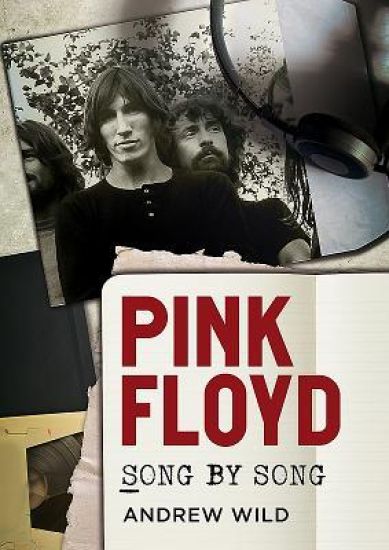
Pink Floyd Song by Song takes a fresh look at the songs which led to Pink Floyd becoming the third best-selling band of all time. From 'Arnold Layne' to 'Louder Than Words', Pink Floyd wrote about anger, isolation, regret, dismay, and fear. These themes, not always obvious starting points in popular music, were married to a rare dynamism in rock music. Pink Floyd's most successful period critically and musically-the eight albums from 1970 to 1983-combine the pithy lyrics of Roger Waters, the soulful voice and breath-taking guitar solos of David Gilmour and, until 1979, the jazz influenced piano and keyboard abilities of the late Richard Wright. These three together wrote the band's best work, usually in combinations of twos and threes but also individually. When working together as equals, the three principals of Pink Floyd were significantly more than the sum of their individual strengths.
James Bond: Every Movie, Every Star (On Screen)

James Bond: Every Movie, Every Star (On Screen)

Andrew Wild

Sonicbond Publishing
2021
nidottu
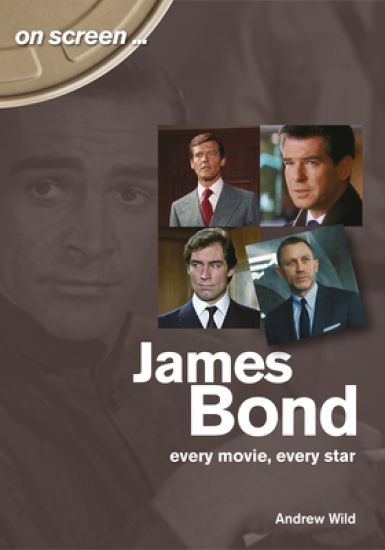
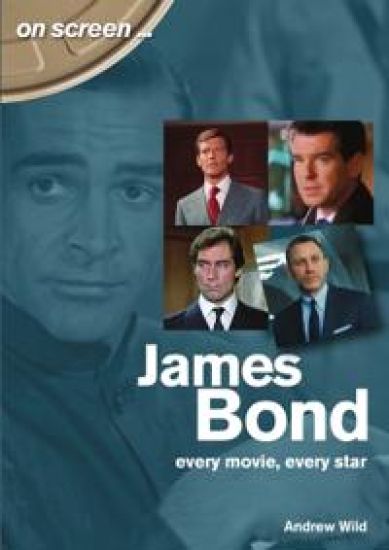
The first James Bond film, Dr. No, was a gamble. In 1962, the 'Swinging Sixties' were about to begin and the aspirational lifestyle depicted by the Bond films were very much part of the art, music and fashion revolution that defined that decade. But no-one could have predicted that the first Bond film would spawn twenty-four sequels so far, including the most recent entry - No Time To Die. The remarkable success of the James Bond franchise can be attributed to many factors - the strength and imagination of Ian Fleming's original novels; the consistency of the creative and production teams; the skill and wit of the screenplays. The basic formula of the Bond film remains, essentially, the same. But, crucially, the main character - whilst still the ultimate male fantasy - has evolved, adapted and been re-invented by the actor of the moment. Connery: lithe, virile, charismatic, cocksure. Lazenby: physical, charming, handsome. Moore: wry, smart, self-mocking. Dalton: saturnine, professional, dangerous. Brosnan: smooth, shrewd, efficient. Craig: taciturn, tough, driven, dark. This book revisits and analyses all twenty-five official James Bond films, as well as the two attempts to steal some of that lucrative Bond audience and examines their place both in their contemporary timeline and how they stand up today. Every generation remembers going to the cinema to see their first James Bond film, their first James Bond actor, and the first time they saw the iconic opening 'gun barrel' sequence. What was yours?
Crosby, Stills and Nash: Every Album, Every Song
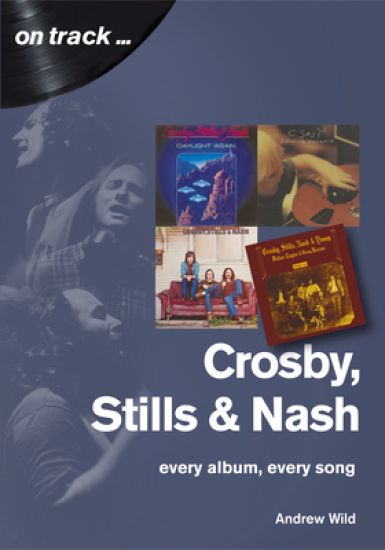
The music of Crosby, Stills and Nash, and especially their 1969 self-titled debut album, exemplified the Woodstock generation – three men, three voices, one common view of freedom and justice. Their decision to recruit Neil Young before their first public performance fundamentally altered CSNY the band dynamic. Worldwide acclaim and success followed: their first three albums, released 1969-1971, have sold almost 30 million copies. In 1974 they embarked on the biggest stadium tour then attempted, playing baseball and football stadiums and racetracks across the US to thousands of fans. They were also pop stars, securing nine top 40 singles between 1969 and 1982. And yet, today, with Neil Young regarded as a musical legend with a classic back catalogue, his colleagues Crosby, Stills and Nash remain far less acclaimed. They comprised Crosby: the drug-addled hippy with weird songs and golden voice, Stills: the blues man and guitar genius and Nash: the hard-as-nails balladeer with a strong social conscience. Together, at their best, they were unbeatable. This book tells you why, aiming to set things straight, with an album by album analysis of CSN’s five studio albums, as well as the three they made with Neil Young.
Dire Straits Every Album, Every Song (On Track )
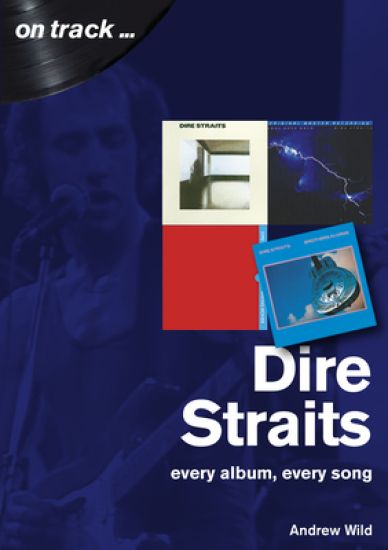
1979 was an amazing time for UK post-punk pop. t the end of March, a fresh new sound entered the British top 20. 'Sultans of Swing', a very wordy song with lots of driving guitar, a tight rhythm section and some killer musicianship. Dire Straits, unlikely pop stars led by a balding 29-year-old Geordie who could play guitar brilliantly, had finally arrived. Six years later, they were, for a time, the biggest band in the world. Brothers in Arms sold by the truckload, one of the first massive sellers on CD. Since then, however, their star has fallen. Over exposure as the safe, boring champions of the CD age, has resulted in Dire Straits becoming, to many, the embodiment of a certain sort of benign, homogenised music. Mark Knopfler, their singer, guitarist, producer and songwriter, became a caricature of the middle-aged rocker in the minds of many. Their music remains stubbornly unfashionable, but retains its huge fanbase. Dire Straits On Track revisits, re-evaluates and contextualises the band's six studio albums and two live albums, as well as EPs and archive releases. Seven ex-members of Dire Straits have been interviewed for this book, providing fresh perspective and insight. The band made a lot of good music. It's time we remembered why.
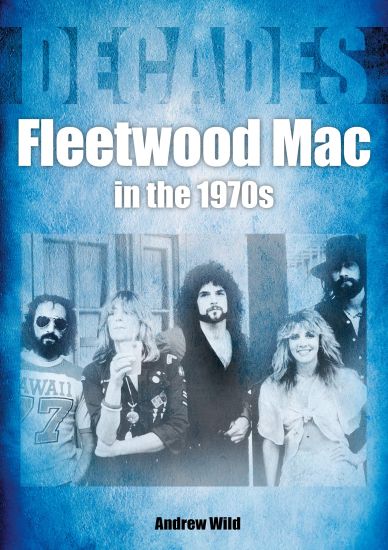
Fleetwood Mac In The 1970s

Fleetwood Mac In The 1970s

Andrew Wild

Sonicbond Publishing
2021
nidottu
Music fans tend to divide into two camps at the mention of Fleetwood Mac. There are those who think of the multi-million-selling five-piece that formed in the mid-1970s and released Rumours, the biggest selling album of all time. But there are those who adopt a self-appointed 'cooler' stance, preferring the late-sixties blues band fronted by the virtuosic guitarist Peter Green. But that's not the whole story. Between May 1970, when Green left his own band to be replaced by the bass player's wife, to the beginning of 1975, when Lindsey Buckingham and Stevie Nicks joined Fleetwood Mac, there were five years of what can only be described as turmoil. One by one, talented musicians such as Jeremy Spencer, Danny Kirwan, Bob Weston and Bob Welch joined and left the band. While it's impossible to ignore the skill and longevity such classic songs as 'Rhiannon' and 'Don't Stop' and albums Fleetwood Mac, Rumours and Tusk, there are an equal number of half-forgotten classic songs from the first half of the 1970s and many deep album cuts that have been overlooked. Here is the story of Fleetwood Mac in the 1970s - the music, the people, the tours, the rumours, the failures and the successes.
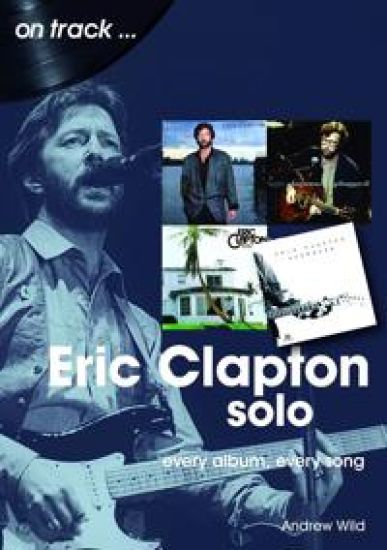
Eric Clapton Solo On Track

Eric Clapton Solo On Track

Andrew Wild

Sonicbond Publishing
2021
nidottu
Of all of the 'classic' British rockers who came to prominence in the 1960s, only a very few have achieved significant, sustained success through to the present day. A list that comprises Paul McCartney and The Rolling Stones should also include Eric Clapton. His critical and commercial accomplishments with John Mayall's Bluesbreakers, Cream, Blind Faith and his first solo album between 1965 and 1970 was followed the inexplicable failure of the Layla album, released under the semi-pseudonym of Derek & The Dominos. Clapton withdrew into heroin addiction for several years. In 1974, his 'comeback' album, 461 Ocean Boulevard, returned him to the top three in both the UK and America. Always a strong concert draw, Clapton has released another sixteen top twenty albums since. Even 'Layla' returned to the charts in 1982. Eric Clapton Solo reviews and analyses all of Clapton's studio albums since 1974, as well as successful collaborations with BB King and JJ Cale. It's been a long, varied journey: the laid-back rocker of the 1970s; the commercial sheen of the 1980s; the polished, acoustic yuppie music and hard blues of the 1990s; the slick R & B stylings of the 2000s and the roots homages of the 2010s. All of this was underpinned by the skill and talent of Britain's greatest blues guitarist and a hugely underrated vocalist
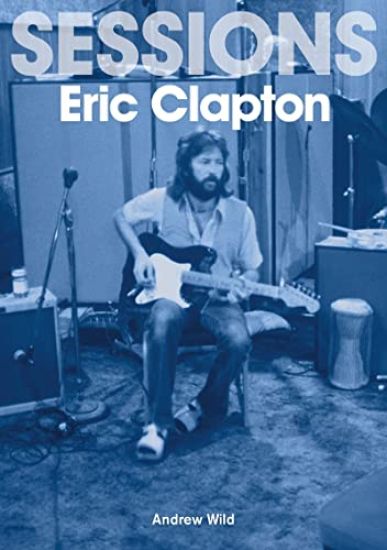
Eric Clapton Sessions

Eric Clapton Sessions

Andrew Wild

Sonicbond Publishing
2022
nidottu
Since 1963 Eric Clapton has contributed to two hundred albums by other artists: from very famous to the obscure and the unexpected: Bob Dylan, Aretha Franklin, The Rolling Stones, Sting, Phil Collins, Rod Stewart, all four of the Beatles, Martha Veléz, Jonathan Kelly, Corey Hart, Stephen Bishop, Hawkwind, Ray Charles, Kate Bush, The Tony Rich Project, Toots and the Maytals and Mary J. Blige. If you’ve never heard (for instance) ‘Beat of the Night’ by Bob Geldof, ‘Sexual Revolution’ by Roger Waters or ‘I Wish It Would Rain Down’ by Phil Collins, this book tells you about Eric’s part in those recordings and many more, as well as his more notorious collaborations with the likes of The Beatles, Bob Dylan – and Ed Sheeran! Indeed, this book puts these into context across nearly sixty years of documented sessions. If you’ve never delved into Eric’s contributions to other artist’s recordings, then this is a handy guide to help the reader find his way into such a lengthy and successful second career. If his own albums are the main story, then these recordings run alongside: an alternative history of one of rock’s most prolific musicians
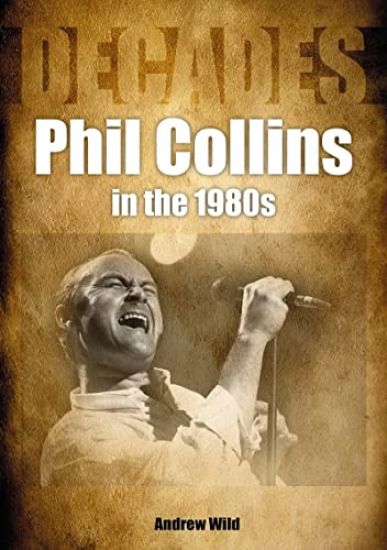
Phil Collins in the 1980s

Phil Collins in the 1980s

Andrew Wild

Sonicbond Publishing
2022
nidottu
Phil Collins was everywhere in the 1980s. He had more top forty singles in the US than any other artist during the 1980s: fourteen as a solo artist and eleven with Genesis, along with two number one albums. Add to this, twenty-five solo / group hit singles and eight number one albums in the UK. He also recorded with artists as diverse as Peter Gabriel, John Martyn, Frida, Robert Plant, Mike Oldfield, Marti Webb, Al Di Meola, Adam Ant, Eric Clapton, Phil Bailey, Band Aid, Marilyn Martin, Paul McCartney, Tina Turner, Chaka Khan and Tears For Fears - another thirty-five albums or standalone singles, some of which were massive global hits. He also found time, somehow, to tour with Plant and Clapton in addition to his extensive in-concert duties with Genesis and as a solo artist. And perform at Live Aid. At both concerts. That’s around six hundred live concerts in total between 1980 and 1989. There’s no doubt that the guy was busy in that period! Amidst the overwhelming commercial success and ahead of any other career plan Phil Collins was and is a musician. His ubiquity between 1980 and 1989 hides ten years of magnificent music and this book examines Phil Collins’ musical output through these ten tumultuous years.
The Allman Brothers Band On Track

The Allman Brothers Band On Track

Andrew Wild

Sonicbond Publishing
2022
nidottu
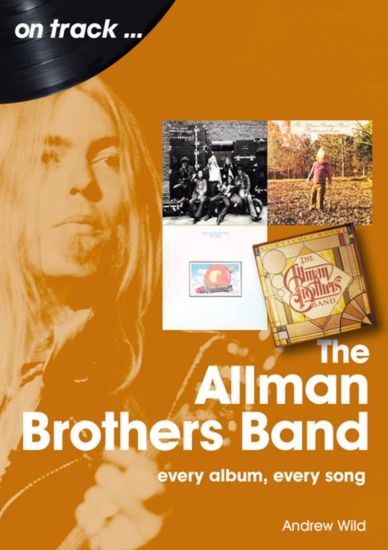
In 1973, the Allman Brothers Band were one of the most popular in America: they headlined the Watkins Glen Summer Jam, attended by an estimated 600,000 people and their album Brothers and Sisters was a number one for five weeks on the Billboard listings that summer. The single 'Ramblin' Man' hit #2 in October. The group made the cover of Newsweek. Rolling Stone named them 'band of the year'. Their story can only be described as 'volatile'. Always a strong live draw since forming in 1969, in the two years prior to Watkins Glen they had released one of the greatest live albums of all time and lost two founding members in near-identical motorcycle accidents, including guitar genius 24-year-old Duane Allman. Increased drug use and a ruinous 1976 court case forced the band apart. A three-album reunion between 1978 and 1982 rekindled some of the old fire, but it was with their twentieth anniversary and second reformation in 1989 that provided a degree of stability and acclaim. The passing of founder members Butch Trucks and Gregg Allman in 2017 definitively ended the band's story. Their legacy of eleven studio albums, six contemporaneous live albums and several box sets includes classics such as their self-titled debut, the sophomore Idlewild South, their artistic and commercial breakthrough, the definitive live document At Fillmore East and astounding final album Hittin' The Note from 2003.
Live Aid - The Greatest Show On Earth

Live Aid - The Greatest Show On Earth

Andrew Wild

Sonicbond Publishing
2024
nidottu
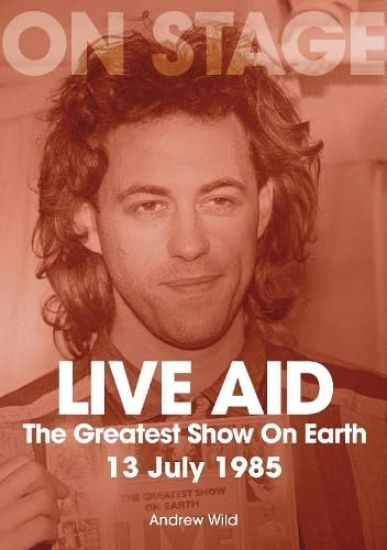
All author royalties and publisher profits from the sale of this book will go to The Live Aid Trust On Saturday, 13 July 1985, a blazing, cloudless summer day, millions of people settled in front of the television. It was just before noon in London, 7 am in Philadelphia, and around the world, it was time for Live Aid. This pair of huge concerts had been arranged in fewer than four months by singer and activist Bob Geldof of The Boomtown Rats: from a standing start to sixteen hours of music, seventy-plus artists and close to two hundred songs. These concerts mesmerised a huge global audience and raised millions for the starving in Ethiopia. This book revisits every band and every song that made up the two Live Aid concerts. Some made their name at Live Aid — U2 in particular. Some bands reunited — Status Quo, The Who, Black Sabbath — and some were performing their last show together. Certain performances last long in the memory — Queen, of course, but also David Bowie, Elton John, Santana and others. Indeed, some are best forgotten … And, behind it all, the drive of Bob Geldof: ‘the best day of my life,’ he admitted. For a generation of music fans, 13 July 1985 was a landmark day. It was The Greatest Show On Earth. How much of it do you remember?
Apple Of My Eye

Apple Of My Eye

Andrew Wild

Sonicbond Publishing
2025
nidottu
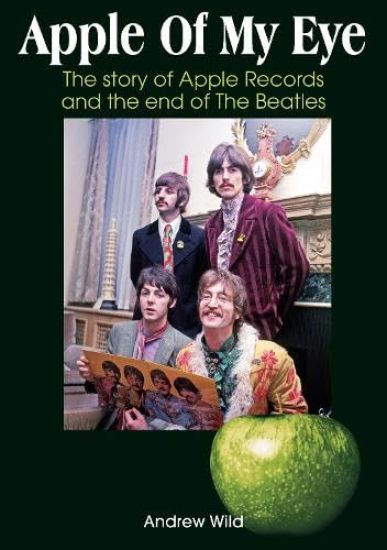
The Beatles pioneered so much in the recording studio during their short time together that it's easy to forget that they formed their own record company in April 1968. Their business plan: to find and fund new musical talent. By the end of the year Apple had signed James Taylor and struck lucky with Mary Hopkin. The much-admired Badfinger followed, along with albums by obvious associates (Billy Preston, Ravi Shankar, Yoko Ono) and not-so-obvious (John Tavener, Modern Jazz Quartet, Radha Krishna Temple) with mixed financial and artistic success. But The Beatles were not businessmen and the early optimism of shiny newness soon soured into chaos. Major acts such as 10cc and Crosby, Stills & Nash slipped through their fingers. Allen Klein was appointed to sort out the mess, but disenfranchised nearly everybody. Paul left The Beatles and sued the others. In 1975, The Beatles' partnership was legally terminated and Apple Records, a vanity label in all but name, was quietly put to sleep. Apple Of My Eye revisits each of the albums and singles released by Apple between 1968 and 1975, underpinned by the business and legal context of the last days of the world's greatest band.
The Solo Beatles

The Solo Beatles

Andrew Wild

Sonicbond Publishing
2020
nidottu
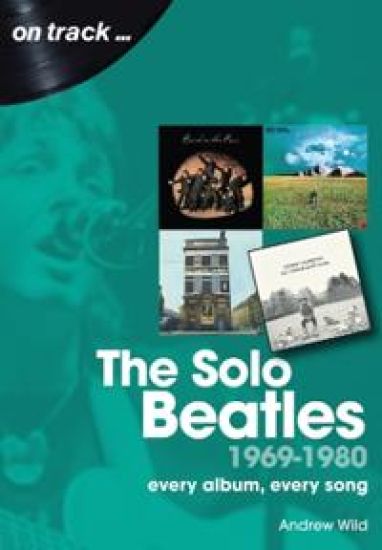
As a band, The Beatles released over 200 songs in the eight years between 1962 and 1970. After they split, each commenced a solo career to varying degrees of commercial and critical success, and all four achieved number one solo singles in the US between 1970 and 1974. Their albums included great, half-forgotten songs such as 'Give Me Love (Give Me Peace on Earth)', 'My Love', 'Photograph' and 'Whatever Gets You Thru the Night'. Three of the four also had UK number one solo singles between 1970 and 1980 in the UK, with only Ringo missing out. Between them, Lennon (and Ono), McCartney (and Wings), Harrison and Starr had twenty-two top ten albums in the US and twenty-five in the UK between 1969 and 1980. They were nothing if not productive. But only the most committed fans listens today to Ringo's Rotogravure (Starr), Thirty-three and a Third (Harrison), Some Time in New York City (Lennon) or Wild Life (McCartney). It is surely time to re-evaluate all the Beatles early solo work. This book examines every solo Beatles album from 1969 to 1980, track by track. It includes the classics, the lost gems, the turkeys, the collaborations, the back-biting, the hits and the misses.
The Doobie Brothers On Track

The Doobie Brothers On Track

Andrew Wild

Sonicbond Publishing
2026
nidottu
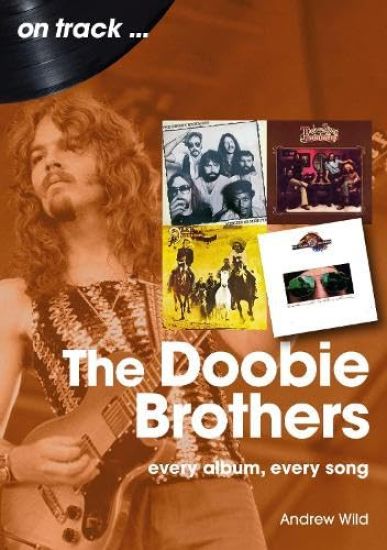
The Doobie Brothers On Track tells the story of a band that helped define one of the most transformative decades in popular music. Formed in California in 1970, The Doobie Brothers blended blues, folk and R&B with tight harmonies and road-tested musicianship. Their early hits—'Listen to the Music’, ‘Long Train Runnin’’, ‘China Grove’ and ‘Black Water’—captured the easygoing optimism of the West Coast while reflecting a country in transition after the upheavals of the 1960s. As the decade unfolded, the band evolved alongside the changing sound of rock. Guitarist Jeff “Skunk” Baxter brought a jazz sensibility from his time with Steely Dan, while singer and keyboardist Michael McDonald introduced smooth, soulful textures that reshaped the group’s identity. With Takin’ It to the Streets and the Grammy-winning Minute by Minute, The Doobie Brothers became one of the few bands able to bridge bar-band grit and radio polish without losing credibility. This book places their journey within the broader story of 1970s American music—a period of genre-blending, studio innovation and shifting cultural moods. Drawing connections to contemporaries like Little Feat and Steely Dan, it explores how The Doobies balanced experimentation with accessibility and why their songs continue to resonate today. More than a band biography, it’s a portrait of resilience and reinvention—how a group rooted in California’s club scene learned to adapt, thrive and keep audiences listening for over fifty years.
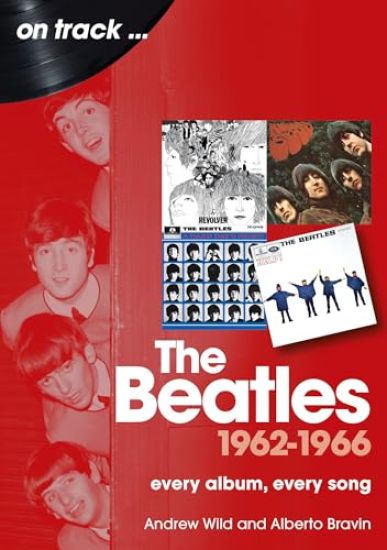
The Beatles 1962 to 1966 On Track

The Beatles 1962 to 1966 On Track

Andrew Wild; Alberto Bravin

Sonicbond Publishing
2025
nidottu
Other than ‘I Me Mine’ and some minor overdubs, The Beatles’ entire EMI/Apple catalogue was recorded in fewer than seven years: from 4 September 1962 through to 20 August 1969. Twelve albums, twenty-two singles, two standalone EPs, 213 songs. That in itself is remarkable enough. But the quality of t he music, the rapid development of musical complexity and the innovations in studio production lifted The Beatles above every other band. The Fab Four were not always fab. But that some writers take the time and expend energy to point this out and purposefully diss perfect songs such as ‘Yesterday’ merely serves to remind us that, most of the time, The Beatles were unarguably brilliant.Authors Andrew Wild and Alberto Bravin have listened to, digested and discussed the entire Beatles back catalogue to remind them why they love their music. How do they affect us today? Answer: they were bloody good. They still are. This first volume covers the period 1962 to 1966 - from 'Love Me Do' to 'Tomorrow Never Knows', and the early albums – that were different in the UK and the USA, to Rubber Soul and Revolver. Four years of outstanding music.