Kirjahaku
Etsi kirjoja tekijän nimen, kirjan nimen tai ISBN:n perusteella.
1000 tulosta hakusanalla Annie E. Ridley
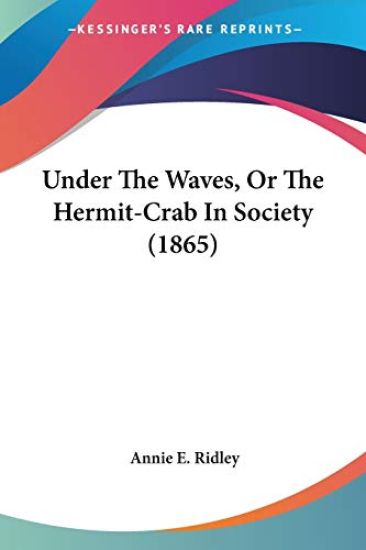
Under The Waves, Or The Hermit-Crab In Society (1865)
Annie E. Ridley
KESSINGER PUBLISHING, LLC
2008
nidottu

The book "" Frances Mary Buss and her work for education "" has been considered important throughout the human history, and so that this work is never forgotten we have made efforts in its preservation by republishing this book in a modern format for present and future generations. This whole book has been reformatted, retyped and designed. These books are not made of scanned copies and hence the text is clear and readable.
Great Lowlands By Annie E. Holdsworth (mrs. Lee-hamilton)
Annie E Holdsworth
Palala Press
2018
pokkari
This work has been selected by scholars as being culturally important, and is part of the knowledge base of civilization as we know it. This work was reproduced from the original artifact, and remains as true to the original work as possible. Therefore, you will see the original copyright references, library stamps (as most of these works have been housed in our most important libraries around the world), and other notations in the work.This work is in the public domain in the United States of America, and possibly other nations. Within the United States, you may freely copy and distribute this work, as no entity (individual or corporate) has a copyright on the body of the work.As a reproduction of a historical artifact, this work may contain missing or blurred pages, poor pictures, errant marks, etc. Scholars believe, and we concur, that this work is important enough to be preserved, reproduced, and made generally available to the public. We appreciate your support of the preservation process, and thank you for being an important part of keeping this knowledge alive and relevant.

The Family Ancestry of the Cliffords and Keetons: SW Clifford and Annie E (Keeton) Clifford family
Mary Frances Abbott; Randy J. Clifford
Createspace Independent Publishing Platform
2010
nidottu

Between 1890 and 1918, British colonial expansion in Africa led to the removal of many African artifacts that were subsequently brought to Britain and displayed. Annie Coombes argues that this activity had profound repercussions for the construction of a national identity within Britain itself—the effects of which are still with us today. Through a series of detailed case studies, Coombes analyzes the popular and scientific knowledge of Africa which shaped a diverse public's perception of that continent: the looting and display of the Benin "bronzes" from Nigeria; ethnographic museums; the mass spectacle of large-scale international and missionary exhibitions and colonial exhibitions such as the "Stanley and African" of 1890; together with the critical reaction to such events in British national newspapers, the radical and humanitarian press and the West African press.Coombes argues that although endlessly reiterated racial stereotypes were disseminated through popular images of all things "African," this was no simple reproduction of imperial ideology. There were a number of different and sometimes conflicting representations of Africa and of what it was to be African—representations that varied according to political, institutional, and disciplinary pressures. The professionalization of anthropology over this period played a crucial role in the popularization of contradictory ideas about African culture to a mass public. Pioneering in its research, this book offers valuable insights for art and design historians, historians of imperialism and anthropology, anthropologists, and museologists.

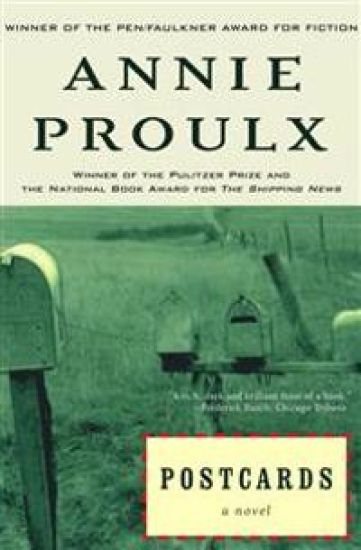
From the bestselling author of "The Shipping News" comes "Postcards, " the tale of the Blood family, New England farmers who must confront the twentieth century -- and their own extinction. As the family slowly disintegrates, its members struggle valiantly against the powerful forces of loneliness and necessity, seeking a sense of home and place forever lost. Loyal Blood, eldest son, is forced to abandon the farm when he takes his lover's life, thus beginning a quintessentially American odyssey of solitude and adventure. Yearning for love, yet forced by circumstance to be always alone, Loyal comes to symbolize the alienation and frustration behind the American dream.
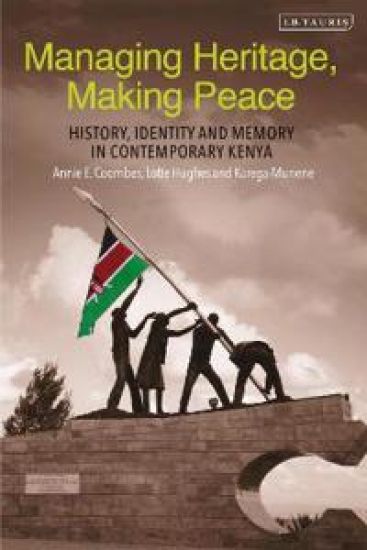
Managing Heritage, Making Peace
Annie E. Coombes; Lotte Hughes; Karega Munene
I.B. Tauris
2019
nidottu
Kenya stands at a crossroads in its history and heritage, as the nation celebrates its fiftieth anniversary of independence from Britain in 2013. At this important juncture, what parts of its history, including the Mau Mau uprising, do citizens and state wish to remember and commemorate and what is best forgotten or occluded? What does heritage mean to ordinary Kenyans, and what role does it play in building nationhood and forging peace and reconciliation? Focusing on the 1990s to the present, "Managing Heritage, Making Peace" is a timely exploration of the ways in which Kenyans are engaging with the past in the present, including such local initiatives as the community peace museums movement, local and national monuments and other notable commemorative actions. The authors show how Kenya is facing a continuing crisis over nationhood, heritage, memory and identity, which must be resolved to achieve social cohesion and peace.
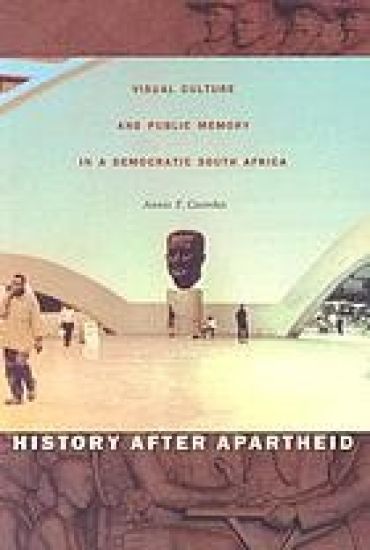
The democratic election of Nelson Mandela as president of South Africa in 1994 marked the demise of apartheid and the beginning of a new struggle to define the nation’s past. History after Apartheid analyzes how, in the midst of the momentous shift to an inclusive democracy, South Africa’s visual and material culture represented the past while at the same time contributing to the process of social transformation. Considering attempts to invent and recover historical icons and narratives, art historian Annie E. Coombes examines how strategies for embodying different models of historical knowledge and experience are negotiated in public culture-in monuments, museums, and contemporary fine art.History after Apartheid explores the dilemmas posed by a wide range of visual and material culture including key South African heritage sites. How prominent should Nelson Mandela and the African National Congress be in the museum at the infamous political prison on Robben Island? How should the postapartheid government deal with the Voortrekker Monument mythologizing the Boer Trek of 1838? Coombes highlights the contradictory investment in these sites among competing constituencies and the tensions involved in the rush to produce new histories for the “new” South Africa. She reveals how artists and museum officials struggled to adequately represent painful and difficult histories ignored or disavowed under apartheid, including slavery, homelessness, and the attempted destruction of KhoiSan hunter-gatherers. Describing how contemporary South African artists address historical memory and the ambiguities uncovered by the Truth and Reconciliation Commission, Coombes illuminates a body of work dedicated to the struggle to simultaneously remember the past and move forward into the future.

The election of Nelson Mandela as president of South Africa in 1994 marked the demise of apartheid and the beginning of a new struggle to define the nation's past. This text looks at how South Africa's culture represented the past while contributing to the very process of social transformation.

איצט ווען איך געזעסן ווי איך אָנהייבן, אַלטהעאַ קומט סאָפלי הינטער מיר, און, קוק איבער מיין אַקסל, פרעגט מיר וואָס איך וואָלט זיין בייַ; און ווען איך דערציילט איר, 'וואָס, קינד, ' זאגט זי, 'איר וועט קער היסטאריקער? דיינע שטימונג זענען מער געזעצט ווי מייַן, אויב איר קענט זיצן שטיל אַראָפּ צו אַזאַ אַרבעט, מיט סייץ ווי די טעגלעך פֿאַר דיינע אויגן, 'פּוינטינג מיט איר האַנט צו די פֿענצטער. איצט האָב איך אוועקגעצויגן דעם טיש אין א ווינקל, ווײַט נישט פון דער ראיה פון דער גאס, וויל איך זאָל ניט ווערן דערקענט; פֿאַר נאָך, אָבער איינער ווייסט פון אונדזער פאַרבאָרגן אין דעם הויז, און מיר וואָלט האַלטן עס סוד נאָך. אָבער רייזינג און נאָכפאָלגן איר שפּיציק האַנט מיט מיין אויגן, איך קען זען אַ ראיה וואָס איז גענוג, אָבער אויך קלאָגעדיק צו זיין געקוקט אָן פריש מורא יעדער מאָל אין די מיטן פון די גאַס, וואָס איז גאַנץ דערוואַקסן מיט גראָז, אַ פערד און וואָגן שטייענדיק, קיין שאָפער אין דערזען לעבן עס, און די וואָגן ווי מיר אויך געוואוסט זייַענדיק אַז וואָס גייט ארום טעגלעך צו נעמען אַוועק אַזאַ ווי שטאַרבן פון דער פּלאָגן, כאָטש ווי עס דעמאָלט געשטאנען, מיר קען נישט דערקענען אויב קיין טויט מענטש איז געווען אין עס.

This work has been selected by scholars as being culturally important and is part of the knowledge base of civilization as we know it.This work is in the public domain in the United States of America, and possibly other nations. Within the United States, you may freely copy and distribute this work, as no entity (individual or corporate) has a copyright on the body of the work.Scholars believe, and we concur, that this work is important enough to be preserved, reproduced, and made generally available to the public. To ensure a quality reading experience, this work has been proofread and republished using a format that seamlessly blends the original graphical elements with text in an easy-to-read typeface.We appreciate your support of the preservation process, and thank you for being an important part of keeping this knowledge alive and relevant.
Family Record of Daniel D. Otto: and His Descendants
Annie E. 1898- Gingerich
Hassell Street Press
2021
nidottu
This work has been selected by scholars as being culturally important and is part of the knowledge base of civilization as we know it.This work is in the public domain in the United States of America, and possibly other nations. Within the United States, you may freely copy and distribute this work, as no entity (individual or corporate) has a copyright on the body of the work.Scholars believe, and we concur, that this work is important enough to be preserved, reproduced, and made generally available to the public. To ensure a quality reading experience, this work has been proofread and republished using a format that seamlessly blends the original graphical elements with text in an easy-to-read typeface.We appreciate your support of the preservation process, and thank you for being an important part of keeping this knowledge alive and relevant.

This detailed and engaging history of Bridgewater, Maine is a tribute to the resilience and ingenuity of its residents. From its early days as a remote outpost to its thriving agriculture and lumber industries, Rideout's chronicle captures the spirit of this unique corner of New England.This work has been selected by scholars as being culturally important, and is part of the knowledge base of civilization as we know it.This work is in the "public domain in the United States of America, and possibly other nations. Within the United States, you may freely copy and distribute this work, as no entity (individual or corporate) has a copyright on the body of the work.Scholars believe, and we concur, that this work is important enough to be preserved, reproduced, and made generally available to the public. We appreciate your support of the preservation process, and thank you for being an important part of keeping this knowledge alive and relevant.