
Kirjahaku
Etsi kirjoja tekijän nimen, kirjan nimen tai ISBN:n perusteella.
1000 tulosta hakusanalla Anton Marklund

Hvilke omstendigheter gjør et menneske til enten et offer eller en overgriper? Under falkens vinger er en lavmælt psykologisk spenningsroman, der det er de menneskelige og relasjonelle elementene som driver handlingen og gjør den til en berørende leseropplevelse. Ramona og mannen blir møtt av politiet da de kommer hjem til huset sitt utenfor Skellefteå. De blir blir tatt med uten å få noen forklaring på hvorfor. Men Ramona vet allerede hva de skal. Hun ser det hele for seg i det samme hun setter seg inn i politibilen: En død tenåringsjente i en båt som dupper i vannkanten. En jente ingen kan identifisere. Hvorfor er hun der? Hva har skjedd? Politiet har ingenting å gå etter, og i desperasjon ber en av etterforskerne om hjelp fra Ramona. Hun har evnen til å oppfatte alle de små tingene som fører til en handling. Hun observerer mer enn de fleste. Det er lett å avskrive evnen hennes, men det skal vise seg at hun ofte har rett. Under falkens vinger er første del i serien om Ramona Lindh, sosiologen fra Nord-Sverige med en evne som er like deler forbannelse og velsignelse. «En realistisk kriminalfortelling, men så svimlende vakkert fortalt at den blir noe større: En melankolsk betraktning over menneskelig hjelpeløshet.» Dagens Nyheter Anton Marklund er født og vokste opp utenfor Skellefteå, men bor nå i Umeå. Parallelt med jobben med funksjonshemmede debuterte han i 2011 med den kritikerroste romanen Djurvänner. Under falkens vinger er hans første spenningsroman.

Allerede da Ramona sætter sig ind i politibetjentens bil, ved hun, hvad der venter hende. Båden ved søen. Den unge ukendte kvinde, der ligger død i den. Ramona har en særlig evne til at se ind i mennesker, se de ting, som de allerhelst vil holde hemmelige. Og nu beder politiet om Ramonas hjælp. Men for at løse gåden om kvinden i båden må Ramona se dybere end nogensinde før. UNDER FALKENS VINGER er den første bog i serien om socialrådgiveren Ramona Lindh fra Skellefteå, der besidder en evne, som både er en velsignelse og en forbandelse. Det er en stærk og gribende spændingsroman om de omstændigheder, der gør et menneske til enten offer eller gerningsmand. “En realistisk krimi, men så svimlende smukt fortalt, at den bliver til noget større: en melankolsk betragtning af menneskelig hjælpeløshed.” DAGENS NYHETER “Det er svært ikke at blive revet med af Ramonas jagt på morderen. For den er spændende.” DAST MAGAZINE"(…) noget i sproget og fortællestilen gør, at man tryllebindes af Ramona. Sproget er smukt, men alligevel med en nerve og noget der skarver, som ikke ville slippe taget i mig.” BOKNJUTAREN “Enten har forfatteren en baggrund som terapeut, eller også er han bare utrolig begavet. Uanset hvad er dette en fremragende bog.” IMINBOKHYLLA
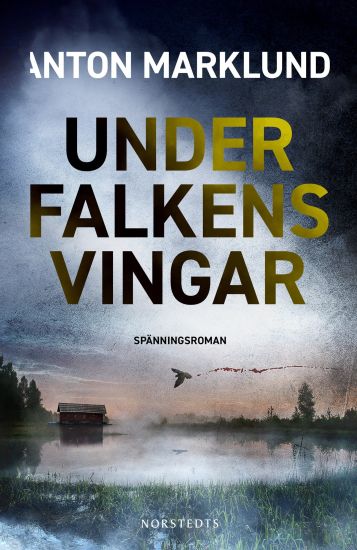
I denna starka och gripande spänningsdebut får vi en inblick i de omständigheter som gör en människa till ett offer, eller en förövare.När Ramona och hennes man kommer hem till sitt hus utanför Skellefteå möts de av en polis. De blir ombedda att följa med i hans bil, utan att han förklarar varför. Men Ramona vet redan. Så fort de sätter sig i bilen kan hon se det som väntar dem. Viken vid sjön. Den tonåriga flickan som ligger död i båten. Flickan som ingen vet namnet på eller kan identifiera.I brist på ledtrådar tar polisen hjälp av Ramona och hennes förmåga att få en skymt av människors liv, av saker de helst hade velat hålla hemliga. Som den gången hon uppfattade att en förbipasserande kvinna skulle kasta sig från en bro, eller att paret vid kafébordet intill skulle separera. Men för att lösa gåtan med flickan räcker det inte att se det som är dolt och begripa vad synerna betyder. Ramona måste nå djupare än någonsin tidigare.Under falkens vingar är den första delen i spänningsserien om Ramona Lindh, socionomen med en gåva som är såväl en välsignelse som en förbannelse.
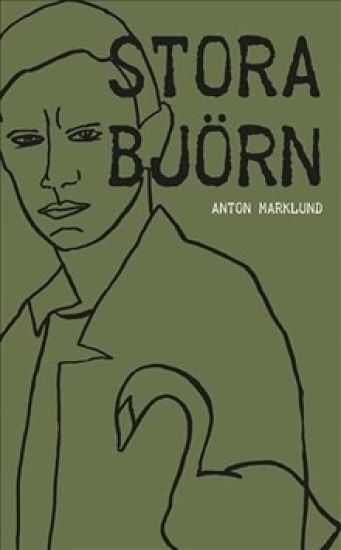
Niklas liv är riktigt deppigt. Han har varit med om ett rån, och just kommit ut från en anstalt. Nu har han tvingats flytta till den lilla byn Stora Björn tillsammans med mamma, styvfarsan och sin syster. De måste bo här på grund av lillasysters sjukdom: Retts syndrom. Hennes utveckling har avstannat och hon blir allt svårare att få kontakt med. Niklas ser ingen större mening med någonting, men så en dag kommer Ramona från socialtjänsten på besök. Det blir starten på något nytt en ljusglimt i mörkret. Lättlästnivå 3(1 är lättast och 6 svårast)
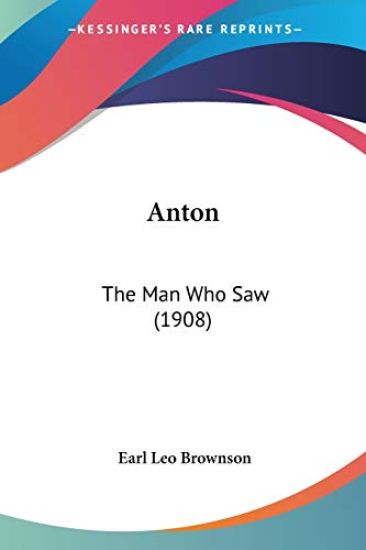

Can love bloom in the shadow of fear and a relentless chase for survival?AntonAfter losing everything, I swore I'd never risk my heart again. My life was about control, precision, and keeping others safe-on my terms. Then Marcie stormed into my world, all fire and strength, despite the terror stalking her. The pull between us was impossible to ignore. I tried to fight it, to keep my distance, but when danger forced us into running for our lives, her resilience and unyielding spirit drew me in, threatening to tear down the walls I'd spent years building. But when everything was on the line, could I open my heart and risk losing her, too?MarcieAs a homeless runaway, I rebuilt my life from nothing-until a stalker shattered my hard-won safety. Hiring Anton had seemed like the answer. He was strong, steady, and maddeningly irresistible. But while I made my interest clear, he kept me at arm's length, teasing me with moments of closeness only to pull away. When I finally decided to move on, we were thrust into a nightmare-a hunt orchestrated by a madwoman. Forced to rely on each other, I saw the man behind the walls Anton had built as he slowly let them fall, capturing my heart in the process. But when survival wasn't guaranteed, could I trust what we had found in the chaos, or would he retreat back into his fortress when the danger was over?Can Anton and Marcie survive the hunt and face the truth of their connection?Dive into ANTON for a heart-pounding love story where trust and survival collide.


En roman om det umulige i at give kærlighed, når man aldrig selv har kendt den. Og om små drømme, der alligevel kan være for store. Anton rejser hjemmefra for at konfrontere den far, der har svigtet ham. Mødet bliver fatalt og definerende for hans fremtid. For har man slået et menneske ihjel, er der ikke meget, man har ret til at forvente af livet. Ikke desto mindre får Anton en tilværelse med ægteskab, arbejde og børn, men hvordan skræver man hen over afgrunden mellem dem, der har følt sig elsket, og dem, der ikke har? Kendetegnende for forfatterskabet er Vibeke Marx’ sociale indignation og skarpe blik for de skæbner, der ofte forsvinder i det store billede. ANTON er en selvstændig fortsættelse af romanen JORD OG HJERTE. “Vibeke Marx har lagt sig i et virkelig velafstemt litterært spor af fortælling og historie, så et rigt, menneskeligt register trækkes ud ... JORD OG HJERTE er smukt præget af menneskelig sans og historisk bevidsthed. Den er ubetinget Vibeke Marx’ bedste bog til dato.” Jyllands-Posten om JORD OG HJERTE “Vibeke Marx er nok både lavmælt, varm og nærværende, men hun har sandelig også næse for at lade handlingen slå nogle uventede kolbøtter.” Weekendavisen “Marx skriver, så det river i hjertet.” Femina

"Anton" er en forrykende historie om nettopp Anton som vokser opp i rike Bærum på 70-tallet og hvor faren hans lar ham lese bøker om hvor fint folk har det i Sovjet og DDR. Sakte, men sikkert lager derfor Anton en ny verden i sitt eget hode der alt er annerledes. Han utvikler dessuten en teori om at det slett ikke er bra å være verken først, størst eller best: Teorien om fiaskoens mange fordeler. Denne elleville romanen tar deg med til mange steder du neppe har vært og hvor du møter et utrolig persongalleri. I tillegg får du kanskje et helt nytt syn på alt fra Steinerskolen til lakseoppdrett eller til Norge som fredsskapende nasjon. Er dette rett og slett årets morsomste norske bok?
These critically hailed translations of The Seagull, Uncle Vanya, The Three Sisters and the other Chekhov plays are the only ones in English by a Russian-language scholar who is also a veteran Chekhovian actor.Without compromising the spirit of the text, Paul Schmidt accurately translates Chekhov's entire theatrical canon, rescuing the humor "lost" in most academic translations while respecting the historical context and original social climate.Schmidt's translations of Chekhov have been successfully staged all over the U.S. by such theatrical directors as Lee Strasberg, Elizabeth Swados, Peter Sellars and Robert Wilson. Critics have hailed these translations as making Chekhov fully accessible to American audiences. They are also accurate -- Schmidt has been described as "the gold standard in Russian-English translation" by Michael Holquist of the Russian department at Yale University.
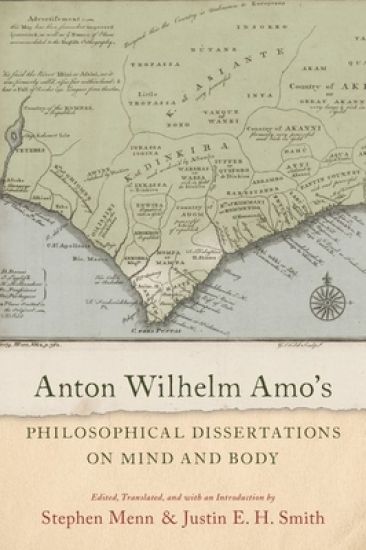
Anton Wilhelm Amo's Philosophical Dissertations on Mind and Body
Oxford University Press Inc
2020
sidottu
Anton Wilhelm Amo (c.1703-after 1752) was the first African philosopher in the modern period to write in the European philosophical tradition and study and teach in European universities. At the dawn of the eighteenth century, while still a small boy, he was sent from his home in present-day Ghana to Amsterdam. From there he was sent to Germany as a court attendant of Duke Anton Ulrich of Braunschweig-Wolfenbüttel, and was subsequently baptized in 1708. He matriculated at the University of Halle in 1727, where he defended a law thesis. He then studied and taught at the University of Wittenberg, before returning to Halle to teach, and later also teaching in Jena. He returned to West Africa permanently in 1747. Though much attention on and study of Amo has previously focused on his symbolic importance as a historical figure--the first African philosopher in modern Europe--Stephen Menn and Justin E. H. Smith argue for a serious engagement with Amo's work as a philosopher. In an extensive introduction, they contextualize his biography and writing within the surrounding intellectual and historical environment, and discuss and analyze his arguments in conversation with other philosophers of the time. This volume contains his two Wittenberg philosophical dissertations, On the Impassivity of the Human Mind and the Philosophical Disputation containing a Distinct Idea of those Things that Pertain either to the Mind or to our Living and Organic Body, both first published in 1734. The editors present the original Latin texts with side-by-side English translations and detailed explanatory annotations. In centering Amo's philosophical thought and making it accessible to more students and scholars, Menn and Smith establish the originality and significance of Amo's rigorous contributions to the mind-body debate of the seventeenth and eighteenth centuries.

Anton Wilhelm Amo's Philosophical Dissertations on Mind and Body
OXFORD UNIVERSITY PRESS INC
2022
nidottu
Anton Wilhelm Amo (c.1703-after 1752) was the first African philosopher in the modern period to write in the European philosophical tradition and study and teach in European universities. At the dawn of the eighteenth century, while still a small boy, he was sent from his home in present-day Ghana to Amsterdam. From there he was sent to Germany as a court attendant of Duke Anton Ulrich of Braunschweig-Wolfenbüttel, and was subsequently baptized in 1708. He matriculated at the University of Halle in 1727, where he defended a law thesis. He then studied and taught at the University of Wittenberg, before returning to Halle to teach, and later also teaching in Jena. He returned to West Africa permanently in 1747. Though much attention on and study of Amo has previously focused on his symbolic importance as a historical figure--the first African philosopher in modern Europe--Stephen Menn and Justin E. H. Smith argue for a serious engagement with Amo's work as a philosopher. In an extensive introduction, they contextualize his biography and writing within the surrounding intellectual and historical environment, and discuss and analyze his arguments in conversation with other philosophers of the time. This volume contains his two Wittenberg philosophical dissertations, On the Impassivity of the Human Mind and the Philosophical Disputation containing a Distinct Idea of those Things that Pertain either to the Mind or to our Living and Organic Body, both first published in 1734. The editors present the original Latin texts with side-by-side English translations and detailed explanatory annotations. In centering Amo's philosophical thought and making it accessible to more students and scholars, Menn and Smith establish the originality and significance of Amo's rigorous contributions to the mind-body debate of the seventeenth and eighteenth centuries.

In a style reminiscent of Anton Chekhov himself - realistic, intimate, and dynamic - Mikhail Chekhov shares unparalleled memories and insights, transporting readers into the world of the Chekhov family. He visits the places where his brother lived and worked and introduces the people he knew and loved, Leo Tolstoy and Piotr Tchaikovsky among them. As a unique eyewitness to the beloved writer's formative years and his artistic maturity, Mikhail Chekhov shows here first-hand the events that inspired the plots for The Seagull, The Black Monk, and The Steppe, among other enduring works. Captivating, surprising, and a joy to read, this memoir reveals the remarkable life of one the most masterful storytellers of our time.

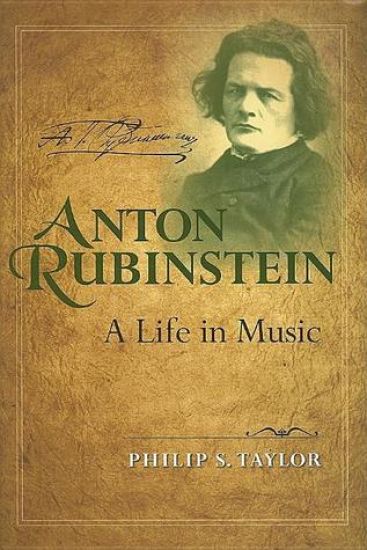
The first modern biography in English of Russian composer-pianist Anton Rubinstein, this book places Rubinstein within the context of Russian and western European musical culture during the late 19th century, exploring his rise to international fame from humble origins in Bessarabia, as well as his subsequent rapid decline and marginalization in later musical culture. Taylor provides a balanced account of Rubinstein's life and his career as a piano virtuoso, conductor, composer, and as the founder of Russia's first conservatory. Widely considered the virtuosic heir to Liszt, and recognized internationally as an equivalent cultural icon, he performed with most leading musicians of the day, including Liszt himself, Joachim, Clara Schumann, Vieuxtemps, Wieniawski, Saint-Saens, and Ysaÿe.

Anton Rubinstein, a seminal figure in Russian music, was not only a great pianist but also a monumental influence in Russian music education. Rubinstein is responsible for laying the groundwork for Russia's tertiary educational system for the training of musicians and for establishing the use of Western structural forms in Russian music. He later became the foundation director of the St. Petersburg Conservatory. Detailing Rubinstein's pianistic and conducting repertoire, this work provides insight into Russian nineteenth-century performance practice, and the biography presents a sober assessment of Rubinstein's place in history. The author has researched valuable Russian sources to make this assessment of Rubinstein available in English and has provided informative guidelines for further research. In attempting to reinstate Rubinstein as an important figure in the history of Russian and international music, this study makes available to conductors and musicologists updated information on an important nineteenth-century music figure and an aspect of Russian music that has either been forgotten or ignored. Researchers and scholars will appreciate the annotated thematic catalog that includes all of Rubinstein's many works for piano, the extensive repertoire lists, and the extensive bibliography.

Anton Webern: A Research and Information Guide offers carefully selected and annotated sources regarding Webern from 1975 to present day, including sources on Webern’s life, his music, and the interpretation and reception of his music. Along with this comprehensive annotated listing of print and online sources, the book discusses the history of research on Webern and includes a brief chronology of his life. It is a major reference tool for those interested in Webern and his music and valuable for researchers of 20th century music and the Second Viennese School.

The Selected Letters of Anton Chekhov
Anton Pavlovich Chekhov
Farrar, Strauss Giroux-3pl
1984
nidottu
The letters of Anton Chekhov, like those of Flaubert, are astonishing in their immense range and in their literary quality. Beginning in 1885, when he was twenty-five, and ending with his death less than twenty years later, the correspondence testifies to an extraordinary career. Chekhov was not only a writer but a critic, a doctor, a traveler, a devoted lover and brother. He brings his passions and his immense talent to every subject. As witty and observant as his great plays and stories, Chekhov's letters exemplify his artistry and humanity. In 1890, though already suffering from tuberculosis, he traveled to the prison colonies of Siberia and Sakhalin Island. His descriptions of that arduous journey are sharp, humorous, vividly detailed. Sympathy and a quick dramatic eye characterize his portraits of the people of the Russian countryside. Chekhov speaks with eloquence and determination in his defense of Emile Zola during the Dreyfus affair (a stand which cost him one of his closest friendships), in his vigorous criticisms of the various productions of his plays -- especially the famous stagings by Konstantin Stanislavski --and in all his dealings with the other writers and critics of the Russian literary and theatrical world. In these letters this public and private man reveals his compassion and vulnerability as he records the vicissitudes of his family life, his love for the actress Olga Knipper (whom he eventually married), and the tragic breakdown of his health.
This Norton Critical Edition includes five of Chekhov’s major plays—Ivanov, The Seagull, Uncle Vanya, Three Sisters, and The Cherry Orchard—and three early one-act farces that inform his later work—The Bear, The Wedding, and The Celebration. Laurence Senelick’s masterful translations closely preserve Chekhov’s singular style—his abundant jokes and literary allusions and his careful use of phrase repetition to bind the plays together. "Letters" is the largest collection of Chekhov’s commentary on his plays ever to appear in an English-language edition. "Criticism" includes eleven essays by leading European and Russian Chekhov scholars, most appearing in English for the first time, including those by Boris Zingerman, Maria Deppermann, and Lev Shestor. This volume also provides discussion of Chekhov’s plays by some of the twentieth century’s great directors, including Konstantin Stanislavsky, Peter Brook, and Mark Rozovsky. A Chronology and Selected Bibliography are also included.