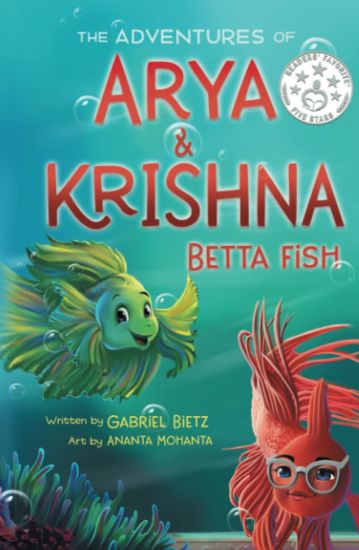
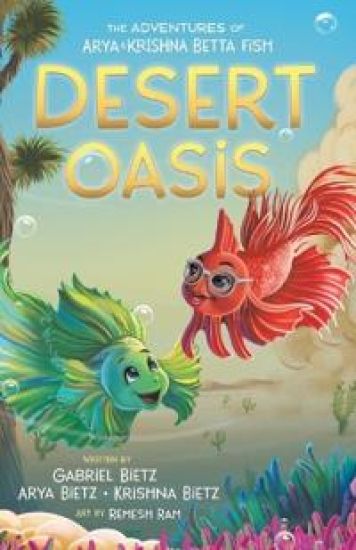
Join us in the first of many adventures with Arya and Krishna betta fish, a middle grade early chapter book for ages 6-9.In this book, Arya and Krishna betta fish set out on a quest to find their parents. Along the way, they meet some very interesting characters and even get into a bit of murky water.Grab your copy and don't miss all the freebies available through the author's website at www.bettafishadventures.com
Join us in the first of many adventures with Arya and Krishna betta fish, a middle grade early chapter book for ages 6-9.In this book, Arya and Krishna betta fish set out on a quest to find their parents. Along the way, they meet some very interesting characters and even get into a bit of murky water.Grab your copy and don't miss all the freebies available through the author's website.
This book not only discloses and examines different functions and concepts of authorship in fiction and theory from the 1950s and 1960s to the present but it also reveals, at least implicitly, a trajectory of some of the modes and functions of the novel as a genre in the last few decades. It argues that the explicit terms of much of the theoretical and philosophical debate surrounding the concept of authorship in the moment of High Theory in the 1980s had already been engaged, albeit often more implicitly, in literary fictions by writers themselves. This book examines the fortunes of the authorship debate and the conceptualisations and functions of authorship before, during, and after the Death of the Author came to prominence as one of the key foci for the moment of High Theory in the 1980s.
This book not only discloses and examines different functions and concepts of authorship in fiction and theory from the 1950s and 1960s to the present but it also reveals, at least implicitly, a trajectory of some of the modes and functions of the novel as a genre in the last few decades. It argues that the explicit terms of much of the theoretical and philosophical debate surrounding the concept of authorship in the moment of High Theory in the 1980s had already been engaged, albeit often more implicitly, in literary fictions by writers themselves. This book examines the fortunes of the authorship debate and the conceptualisations and functions of authorship before, during, and after the Death of the Author came to prominence as one of the key foci for the moment of High Theory in the 1980s.
A expans o das redes entre as organiza es terroristas internacionais, o r pido desenvolvimento da biotecnologia, o r pido aumento das viagens e com rcio internacional, a acessibilidade e disponibilidade dos agentes biol gicos nos mercados abertos e a crescente capacidade t cnica dos terroristas para fabricar armas biol gicas resultam no aumento do bioterrorismo de uma forma alarmante. A aus ncia de significativas medidas legais de biodefesa para impedir a produ o e fabrico de armas biol gicas tamb m aumenta as hip teses de bioterrorismo. Os quadros jur dicos nacionais e internacionais existentes para a protec o contra o bioterrorismo n o s o suficientes para enfrentar os desafios no sector da sa de p blica.
Die Ausweitung der Netzwerke zwischen den internationalen Terrororganisationen, die rasante Entwicklung der Biotechnologie, die rasche Zunahme des internationalen Reiseverkehrs und Handels, die Zug nglichkeit und Verf gbarkeit biologischer Kampfstoffe auf den offenen M rkten und die zunehmenden technischen F higkeiten der Terroristen zur Herstellung biologischer Waffen f hren zu einem alarmierenden Anstieg des Bioterrorismus. Das Fehlen signifikanter gesetzlicher Bioabwehrma nahmen zur Verhinderung der Produktion und Herstellung biologischer Waffen erh ht ebenfalls die Chancen des Bioterrorismus. Die bestehenden nationalen und internationalen Rechtsvorschriften zum Schutz vor Bioterrorismus reichen nicht aus, um die Herausforderungen im Bereich der ffentlichen Gesundheit zu bew ltigen.
L'expansion des r seaux entre les organisations terroristes internationales, les d veloppements rapides de la biotechnologie, l'augmentation rapide des voyages et des changes internationaux, l'accessibilit et la disponibilit des agents biologiques sur les march s ouverts et les comp tences techniques croissantes des terroristes pour fabriquer des armes biologiques entra nent une augmentation alarmante du bioterrorisme. L'absence de mesures juridiques significatives de biod fense pour emp cher la production et la fabrication d'armes biologiques augmente galement les risques de bioterrorisme. Les cadres juridiques nationaux et internationaux existants, adopt s pour la protection contre le bioterrorisme, ne sont pas suffisants pour relever les d fis dans le secteur de la sant publique.
L'espansione delle reti tra le organizzazioni terroristiche internazionali, i rapidi sviluppi della biotecnologia, il rapido aumento dei viaggi e del commercio internazionale, l'accessibilit e la disponibilit degli agenti biologici nei mercati aperti e le crescenti capacit tecniche dei terroristi di fabbricare armi biologiche determinano l'aumento del bioterrorismo in modo allarmante. L'assenza di misure legali di biodifesa significative per prevenire la produzione e la fabbricazione di armi biologiche aumenta anche le possibilit di bioterrorismo. Gli attuali quadri giuridici nazionali e internazionali emanati per la protezione dal bioterrorismo non sono sufficienti per affrontare le sfide nel settore della salute pubblica.
This important book considers how youth of color and other marginalized youth experience socio-cultural deprivation from the repetition of traumatic socio-historic experiences as well as from the institutions they interact with such as schools, mental health organizations, and social services agencies. Focusing on the importance of connection to cultural heritage, the book shows how young people’s cognitive development can be mediated in educational settings through humanizing and culturally sustaining rituals that build rapport and facilitate learning and healing.The authors define socio-cultural deprivation and locate its origins for marginalized youth in post-traumatic slave syndrome, post-apocalyptic stress syndrome and similar socio-historic trauma, epigenetic trauma, and contemporary trauma. They weave theory and research, autobiography, and professional anecdotes to identify and elaborate upon socio-cultural deprivation and to provide rituals for rapport-building that can be applied to classrooms, group counselling, social work practices, and other human-centred work. Rituals include those acknowledging indigeneity; exploring personal ancestry and alternative forms for those who have no connection to their biological family; healing experiences through yoga, meditation, progressive relaxation, and visualization practices; and explicit relationship-building activities.From Cultural Deprivation to Cultural Security will be a crucial text for training and practising psychologists, educators, social workers, youth workers and counsellors, concerned with the positive development of children, adolescents, and young adults.
This important book considers how youth of color and other marginalized youth experience socio-cultural deprivation from the repetition of traumatic socio-historic experiences as well as from the institutions they interact with such as schools, mental health organizations, and social services agencies. Focusing on the importance of connection to cultural heritage, the book shows how young people’s cognitive development can be mediated in educational settings through humanizing and culturally sustaining rituals that build rapport and facilitate learning and healing.The authors define socio-cultural deprivation and locate its origins for marginalized youth in post-traumatic slave syndrome, post-apocalyptic stress syndrome and similar socio-historic trauma, epigenetic trauma, and contemporary trauma. They weave theory and research, autobiography, and professional anecdotes to identify and elaborate upon socio-cultural deprivation and to provide rituals for rapport-building that can be applied to classrooms, group counselling, social work practices, and other human-centred work. Rituals include those acknowledging indigeneity; exploring personal ancestry and alternative forms for those who have no connection to their biological family; healing experiences through yoga, meditation, progressive relaxation, and visualization practices; and explicit relationship-building activities.From Cultural Deprivation to Cultural Security will be a crucial text for training and practising psychologists, educators, social workers, youth workers and counsellors, concerned with the positive development of children, adolescents, and young adults.
The Arya Samaj was an important movement in the development of contemporary India. Arya Samajists have been prominent not only in the history of the religions of South Asia, but also in education, politics, social reform, journalism, and even business. Though they have often been seen as progressives, these men and women have understood themselves to be participating in the revival of the ancient religion of the Vedas. Based in part on fieldwork conducted in India from 1985 through 1987, this book offers a new perspective on the Arya Samaj, comparing it with fundamentalist groups in other religious traditions.In the introduction Llewellyn proposes a definition of fundamentalism, which he then applies to Christian and Islamic groups in the first chapter. The Arya Samaj is analyzed in terms of this same definition in chapter two. The third chapter is a study of scripture in the works of Swami Dayanand Sarasvati, the founder of the Arya Samaj. The context of the Arya Samaj's interpretation of the Vedas is examined in the fourth chapter. The book concludes with a brief discussion of the politics of fundamentalist movements and the politics of studying fundamentalism.In recent years historians of religions, political scientists, anthropologists, sociologists, historians, and others have turned their attention to the study of fundamentalist movements across cultures. A detailed study of one movement in a broader comparative framework, The Arya Samaj as a Fundamentalist Movement is a substantial contribution to this new field.
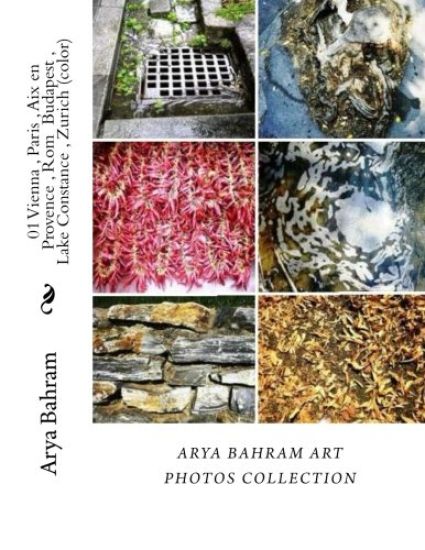
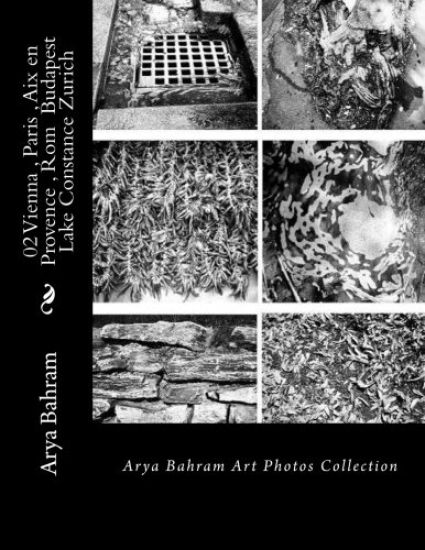
What is art photography? First of all sorry for my english, I am persian I have to say this is really a question that is not so easy to answer There are examples of photos that have been made completely without claiming to be art and that are traded as such, Pictures, of which not even the photographer is known. It is very important that the photographer for himself has an idea of Art Photos, and even if he goes with his camera out, hoping for a good photo, but he has a frame operation for his work When I come home with many photos, begins the work, which means I ask myself: Is this an art photo and fit my working frame Operation What are my personal works frames Operation Details, people movement, creativity, conscious action, willing to take random image The question I ask myself is: Could it be that viewers would regret it if they had not seen this or it would not matter to them if they regret it, then the image belongs to my book. It is also since the beginning of the art always a bone of contention what art is. The Answers have unlimited space for interpretations. I think also in terms of art are photos like music and painting Some like it and others do not As with the music What varied and exciting makes the whole thing so well And always looking for something to watch again Perhaps art is to produce the conscious application of creative imagination and craft skills to aesthetic objects such as picture or sculpture. 'Conscious' means that a Random product is not art 'Creative' means a copy is not art. 'Craft' means the arts and crafts are complementary. 'Aesthetic' means that the product is beautiful. This definition is probably not for everyone but for me creates clarity Copy a photo, painting or sculpture, is not as copies of writings possible (except, someone wants to copy a Tolstoy book ) When I write a sentence and millions of other people agree with this statement, for example this sentence: A copy of the hare, (a watercolor by Albrecht D rer) is nice, but only the original is Art This sentence is not a copy, but an image or music or photo can not be copied because it is a person and creativity behind it, From nothing, now by the artist something exists, whether a picture or song or photo. Creativity is really a key word. I remember when I was in Prague and Budapest and wanted pictures of craftsmanship (Glass and wooden toys) make that were behind glass cabinets, first automatically and instinctively you would think on this issue to a polarizing filter, as this reflection on nonmetallic surfaces (so can also suppress on glass). Avoid for reflections on glass panes But I asked myself, why actually with polarizing filter? What's bad about that once viewer sees how a picture would look without polarizing filter? Not only see objects, but also passers-by on the street and the photographer himself, but all in a photo And i did it I made these photos without polarizing filter and I believe have become beautiful photos. An artistic work has been deliberately created
What is art photography? First of all sorry for my english, I am persian I have to say this is really a question that is not so easy to answer There are examples of photos that have been made completely without claiming to be art and that are traded as such, Pictures, of which not even the photographer is known. It is very important that the photographer for himself has an idea of Art Photos, and even if he goes with his camera out, hoping for a good photo, but he has a frame operation for his work When I come home with many photos, begins the work, which means I ask myself: Is this an art photo and fit my working frame Operation What are my personal works frames Operation Details, people movement, creativity, conscious action, willing to take random image The question I ask myself is: Could it be that viewers would regret it if they had not seen this or it would not matter to them if they regret it, then the image belongs to my book. It is also since the beginning of the art always a bone of contention what art is. The Answers have unlimited space for interpretations. I think also in terms of art are photos like music and painting Some like it and others do not As with the music What varied and exciting makes the whole thing so well And always looking for something to watch again Perhaps art is to produce the conscious application of creative imagination and craft skills to aesthetic objects such as picture or sculpture. 'Conscious' means that a Random product is not art 'Creative' means a copy is not art. 'Craft' means the arts and crafts are complementary. 'Aesthetic' means that the product is beautiful. This definition is probably not for everyone but for me creates clarity Copy a photo, painting or sculpture, is not as copies of writings possible (except, someone wants to copy a Tolstoy book ) When I write a sentence and millions of other people agree with this statement, for example this sentence: A copy of the hare, (a watercolor by Albrecht D rer) is nice, but only the original is Art This sentence is not a copy, but an image or music or photo can not be copied because it is a person and creativity behind it, From nothing, now by the artist something exists, whether a picture or song or photo. Creativity is really a key word. I remember when I was in Prague and Budapest and wanted pictures of craftsmanship (Glass and wooden toys) make that were behind glass cabinets, first automatically and instinctively you would think on this issue to a polarizing filter, as this reflection on nonmetallic surfaces (so can also suppress on glass). Avoid for reflections on glass panes But I asked myself, why actually with polarizing filter? What's bad about that once viewer sees how a picture would look without polarizing filter? Not only see objects, but also passers-by on the street and the photographer himself, but all in a photo And i did it I made these photos without polarizing filter and I believe have become beautiful photos. An artistic work has been deliberately created