Kirjojen hintavertailu. Mukana 11 244 527 kirjaa ja 12 kauppaa.

Kirjahaku

Etsi kirjoja tekijän nimen, kirjan nimen tai ISBN:n perusteella.

1000 tulosta hakusanalla Brian C. Cronk

How to Use SPSS®

How to Use SPSS®

Brian C. Cronk

Routledge
2019
sidottu
How to Use SPSS® is designed with the novice computer user in mind and for people who have no previous experience using SPSS. Each chapter is divided into short sections that describe the statistic being used, important underlying assumptions, and how to interpret the results and express them in a research report. The book begins with the basics, such as starting SPSS, defining variables, and entering and saving data. It covers all major statistical techniques typically taught in beginning statistics classes, such as descriptive statistics, graphing data, prediction and association, parametric inferential statistics, nonparametric inferential statistics and statistics for test construction. More than 270 screenshots (including sample output) throughout the book show students exactly what to expect as they follow along using SPSS. The book includes a glossary of statistical terms and practice exercises. A complete set of online resources including video tutorials and output files for students, and PowerPoint slides and test bank questions for instructors, make How to Use SPSS® the definitive, field-tested resource for learning SPSS. New to this edition: Now in full color with additional screenshots Fully updated to the reflect SPSS version 26 (and prior versions) Changes in nonparametric tests Model View incorporated Data and real output are now available for all Phrasing Results sections – eliminating hypothetical output or hypothetical data
How to Use SPSS®

How to Use SPSS®

Brian C. Cronk

Routledge
2019
nidottu
How to Use SPSS® is designed with the novice computer user in mind and for people who have no previous experience using SPSS. Each chapter is divided into short sections that describe the statistic being used, important underlying assumptions, and how to interpret the results and express them in a research report.The book begins with the basics, such as starting SPSS, defining variables, and entering and saving data. It covers all major statistical techniques typically taught in beginning statistics classes, such as descriptive statistics, graphing data, prediction and association, parametric inferential statistics, nonparametric inferential statistics and statistics for test construction.More than 270 screenshots (including sample output) throughout the book show students exactly what to expect as they follow along using SPSS. The book includes a glossary of statistical terms and practice exercises. A complete set of online resources including video tutorials and output files for students, and PowerPoint slides and test bank questions for instructors, make How to Use SPSS® the definitive, field-tested resource for learning SPSS.New to this edition: Now in full color with additional screenshotsFully updated to the reflect SPSS version 26 (and prior versions)Changes in nonparametric tests Model View incorporatedData and real output are now available for all Phrasing Results sections – eliminating hypothetical output or hypothetical data
How to Use SPSS®

How to Use SPSS®

Brian C. Cronk

TAYLOR FRANCIS LTD
2024
nidottu
How to Use SPSS® is designed with the novice computer user in mind and for people who have no previous experience using SPSS. Each chapter is divided into short sections that describe the statistic being used, important underlying assumptions, and how to interpret the results and express them in a research report.The book begins with the basics, such as starting SPSS, defining variables, and entering and saving data. It covers all major statistical techniques typically taught in beginning statistics classes, such a descriptive statistics, graphing data, prediction and association, parametric inferential statistics, nonparametric inferential statistics and statistics for test construction.More than 275 screenshots (including sample output) throughout the book show students exactly what to expect as they follow along using SPSS. The book includes a glossary of statistical terms and practice exercises. A complete set of online resources including video tutorials and output files for students, and PowerPoint slides and test bank questions for instructors, make How to Use SPSS® the definitive, field-tested resource for learning SPSS.New to this edition: Fully updated to the reflect SPSS version 29. Every screen shot has been recaptured. New video supplements for all practice exercises. References to significance levels have been updated to reflect the new SPSS output format. Effect size is now shown in output for many procedures and reference to some effect size has been moved from Appendix A to be more integrated into the chapters. Sample results sections now also include effect size where SPSS directly calculates effect size. A new section covering the EXPLORE command has been added to Chapter 3.
How to Use SPSS®

How to Use SPSS®

Brian C. Cronk

TAYLOR FRANCIS LTD
2024
sidottu
How to Use SPSS® is designed with the novice computer user in mind and for people who have no previous experience using SPSS. Each chapter is divided into short sections that describe the statistic being used, important underlying assumptions, and how to interpret the results and express them in a research report.The book begins with the basics, such as starting SPSS, defining variables, and entering and saving data. It covers all major statistical techniques typically taught in beginning statistics classes, such a descriptive statistics, graphing data, prediction and association, parametric inferential statistics, nonparametric inferential statistics and statistics for test construction.More than 275 screenshots (including sample output) throughout the book show students exactly what to expect as they follow along using SPSS. The book includes a glossary of statistical terms and practice exercises. A complete set of online resources including video tutorials and output files for students, and PowerPoint slides and test bank questions for instructors, make How to Use SPSS® the definitive, field-tested resource for learning SPSS.New to this edition: Fully updated to the reflect SPSS version 29. Every screen shot has been recaptured. New video supplements for all practice exercises. References to significance levels have been updated to reflect the new SPSS output format. Effect size is now shown in output for many procedures and reference to some effect size has been moved from Appendix A to be more integrated into the chapters. Sample results sections now also include effect size where SPSS directly calculates effect size. A new section covering the EXPLORE command has been added to Chapter 3.
How to Use Pasw Statistics

How to Use Pasw Statistics

Brian. C. Cronk; Brian C. Cronk

Pyrczak Publishing
2010
nidottu
• Designed for use by novice computer users, this text begins with the basics, such as starting SPSS, defining variables, and entering and saving data.• All major statistical techniques covered in beginning statistics classes are included:· descriptive statistics· graphing data· prediction and association· parametric inferential statistics· nonparametric inferential statistics· statistics for test construction• Each section starts with a brief description of the statistic that is covered and important underlying assumptions, which help students select appropriate statistics.• Each section describes how to interpret results and express them in a research report after the data are analyzed. For example, students are shown how to phrase the results of a significant and an insignificant t test.• More than 200 screenshots (including sample output) throughout the book show students exactly what to expect as they follow along using SPSS.• A glossary of statistical terms is included, which makes a handy reference for students who need to review the meanings of basic statistical terms.• Practice exercises throughout the book give students stimulus material to use as they practice to achieve mastery of the program.• Thoroughly field-tested; your students are certain to appreciate this book.
Engaging with the Past, c.250-c.650

Engaging with the Past, c.250-c.650

Brian Croke

TAYLOR FRANCIS LTD
2023
sidottu
Between c.250 and c.650, the way the past was seen, recorded and interpreted for a contemporary audience changed fundamentally. Only since the 1970s have the key elements of this historiographical revolution become clear, with the recasting of the period, across both east and west, as ‘late antiquity’. Historiography, however, has struggled to find its place in this new scholarly world. No longer is decline and fall the natural explanatory model for cultural and literary developments, but continuity and transformation. In addition, the emergence of ‘late antiquity’ coincided with a methodological challenge arising from the ‘linguistic turn’ which impacted on history writing in all eras.This book is focussed on the development of modern understanding of how the ways of seeing and recording the past changed in the course of adjusting to emerging social, religious and cultural developments over the period from c.250 to c.650. Its overriding theme is how modern historiography has adapted over the past half century to engaging with the past between c.250 and c.650. Now, as explained in this book, the newly dominant historiographical genres (chronicles, epitomes, church histories) are seen as the preferred modes of telling the story of the past, rather than being considered rudimentary and naïve.
Engaging with the Past, c.250-c.650

Engaging with the Past, c.250-c.650

Brian Croke

TAYLOR FRANCIS LTD
2024
nidottu
Between c.250 and c.650, the way the past was seen, recorded and interpreted for a contemporary audience changed fundamentally. Only since the 1970s have the key elements of this historiographical revolution become clear, with the recasting of the period, across both east and west, as ‘late antiquity’. Historiography, however, has struggled to find its place in this new scholarly world. No longer is decline and fall the natural explanatory model for cultural and literary developments, but continuity and transformation. In addition, the emergence of ‘late antiquity’ coincided with a methodological challenge arising from the ‘linguistic turn’ which impacted on history writing in all eras.This book is focussed on the development of modern understanding of how the ways of seeing and recording the past changed in the course of adjusting to emerging social, religious and cultural developments over the period from c.250 to c.650. Its overriding theme is how modern historiography has adapted over the past half century to engaging with the past between c.250 and c.650. Now, as explained in this book, the newly dominant historiographical genres (chronicles, epitomes, church histories) are seen as the preferred modes of telling the story of the past, rather than being considered rudimentary and naïve.
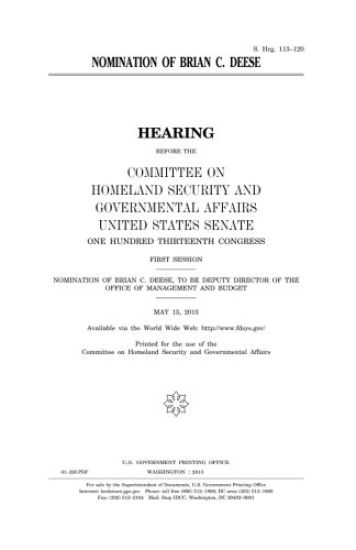
Nomination of Brian C. Deese

Nomination of Brian C. Deese

United States Senate; Committee On Homeland Secu Governmental; United States Congress

Createspace Independent Publishing Platform
2017
nidottu
Nomination of Brian C. Deese: hearing before the Committee on Homeland Security and Governmental Affairs, United States Senate, One Hundred Thirteenth Congress, first session: nomination of Brian C. Deese to be Deputy Director of the Office of Management and Budget, May 13, 2013.
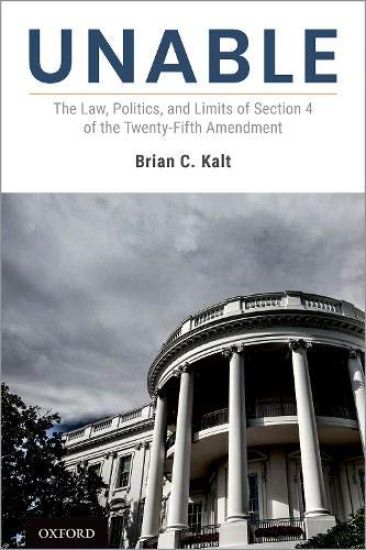
Unable

Unable

Brian C. Kalt

Oxford University Press Inc
2019
sidottu
Since the election of President Donald Trump, the Twenty-Fifth Amendment to the Constitution-covering presidential incapacity-has been a frequent topic of public discussion. Meanwhile, Section 4 has become a mainstay in television dramas, which usually represents it inaccurately. The country needs this complicated but essential topic explained.Unable: The Law, Politics, and Limits of Section 4 of the Twenty-Fifth Amendment is designed to educate and inform the public about Section 4 in an evenhanded and accessible way. This book is not about President Trump; it offers no opinions on his fitness for office. By the end of the book, though, it will be clear how Section 4 applies to him, as well as to any other president.
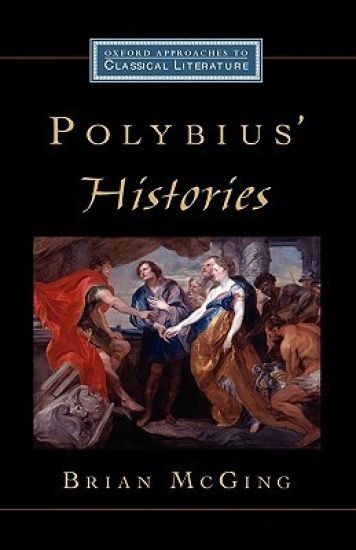
Polybius' Histories

Polybius' Histories

Brian C. McGing

Oxford University Press Inc
2010
sidottu
Polybius' Histories is one of classical antiquity's great political narratives. Written in 40 books (of which only the first five are preserved in full), it originally set out to explain the dramatic rise of Rome in the half century from the war against Hannibal to the defeat and abolishment of the Macedonian kingdom in 167 BC. At a later stage, Polybius extended his coverage down to the Roman destruction of Carthage and Corinth in the year 146 BC. Although written in an ordinary Greek style, the work was composed with great care, clarity and skill, and provides a fascinating discourse on the politics of power. The author was himself a leading Greek politician and general who moved at ease among the most powerful men of the day and participated in many of the events that he describes. This volume provides an accessible introduction to this important work of classical literature. Beginning with an outline of its contents and organization, Brian McGing goes on to examine Polybius' theoretical approach to writing history and the careful artistry behind his work. Later chapters discuss Polybius' eventful life and how it affected his views on history and politics, and analyze the influential theorizing of book six of the Histories. In an epilogue, McGing chronicles the fate of Polybius' work after his death, from classical antiquity to the Renaissance to the American Revolution and up to the present. The volume includes detailed maps and a list of prominent persons.
Polybius' Histories

Polybius' Histories

Brian C. McGing

Oxford University Press Inc
2010
nidottu
Polybius' Histories is one of classical antiquity's great political narratives. Written in 40 books (of which only the first five are preserved in full), it originally set out to explain the dramatic rise of Rome in the half century from the war against Hannibal to the defeat and abolishment of the Macedonian kingdom in 167 BC. At a later stage, Polybius extended his coverage down to the Roman destruction of Carthage and Corinth in the year 146 BC. Although written in an ordinary Greek style, the work was composed with great care, clarity and skill, and provides a fascinating discourse on the politics of power. The author was himself a leading Greek politician and general who moved at ease among the most powerful men of the day and participated in many of the events that he describes. This volume provides an accessible introduction to this important work of classical literature. Beginning with an outline of its contents and organization, Brian McGing goes on to examine Polybius' theoretical approach to writing history and the careful artistry behind his work. Later chapters discuss Polybius' eventful life and how it affected his views on history and politics, and analyze the influential theorizing of book six of the Histories. In an epilogue, McGing chronicles the fate of Polybius' work after his death, from classical antiquity to the Renaissance to the American Revolution and up to the present. The volume includes detailed maps and a list of prominent persons.
Perceptual Consequences of Cochlear Damage

Perceptual Consequences of Cochlear Damage

Brian C. J. Moore

Oxford University Press
1995
sidottu
Over the last decade, there has been a revolution in our understanding of the physiological role of the cochlea, and the mechanisms of cochlear hearing loss, the most common type of hearing loss in adults. This book is the first book covering this topic and aimed at the student and researcher working in the fields of psychophysics, audiology, and signal processing; the book covers the design of signal processing hearing aids. Readers in the field of auditory rehabilitation and its technology will also find this book very useful.
The Paddy Camps

The Paddy Camps

Brian C. Mitchell

University of Illinois Press
2006
nidottu
The dramatic story of the fights and compromises that shaped an Irish community Disdained by many Yankee residents as Catholic lowlifes, the growing Irish population of the Lowell, Massachusetts, “paddy camps” in the nineteenth century proved a tempting source of cheap labor for local mill owners, who took advantage of the immigrants’ proximity to exploit them to the fullest. Displaced by their cheaper labor, other workers blamed the Irish for job losses and added to their plight through repression and segregation. Now in paperback and featuring a new preface, Brian C. Mitchell’s The Paddy Camps demonstrates how the Irish community in Lowell overcame adversity to develop strong religious institutions, an increased political presence, and a sense of common traditions.
Dr. John Harvey Kellogg and the Religion of Biologic Living

Dr. John Harvey Kellogg and the Religion of Biologic Living

Brian C. Wilson

Indiana University Press
2014
sidottu
Purveyors of spiritualized medicine have been legion in American religious history, but few have achieved the superstar status of Dr. John Harvey Kellogg and his Battle Creek Sanitarium. In its heyday, the "San" was a combination spa and Mayo Clinic. Founded in 1866 under the auspices of the Seventh-day Adventist Church and presided over by the charismatic Dr. Kellogg, it catered to many well-heeled health seekers including Henry Ford, John D. Rockefeller, and Presidents Taft and Harding. It also supported a hospital, research facilities, a medical school, a nursing school, several health food companies, and a publishing house dedicated to producing materials on health and wellness. Rather than focusing on Kellogg as the eccentric creator of corn flakes or a megalomaniacal quack, Brian C. Wilson takes his role as a physician and a theological innovator seriously and places his religion of "Biologic Living" in an on-going tradition of sacred health and wellness. With the fascinating and unlikely story of the "San" as a backdrop, Wilson traces the development of this theology of physiology from its roots in antebellum health reform and Seventh-day Adventism to its ultimate accommodation of genetics and eugenics in the Progressive Era.
Writing the South Seas

Writing the South Seas

Brian C. Bernards

University of Washington Press
2016
sidottu
Postcolonial literature about the South Seas, or Nanyang, examines the history of Chinese migration, localization, and interethnic exchange in Southeast Asia, where Sinophone settler cultures evolved independently by adapting to their "New World" and mingling with native cultures. Writing the South Seas explains why Nanyang encounters, neglected by most literary histories, should be considered crucial to the national literatures of China and Southeast Asia.
Writing the South Seas

Writing the South Seas

Brian C. Bernards

University of Washington Press
2018
pokkari
Postcolonial literature about the South Seas, or Nanyang, examines the history of Chinese migration, localization, and interethnic exchange in Southeast Asia, where Sinophone settler cultures evolved independently by adapting to their "New World" and mingling with native cultures. Writing the South Seas explains why Nanyang encounters, neglected by most literary histories, should be considered crucial to the national literatures of China and Southeast Asia.
Nature and the Environment in Twentieth-Century American Life
Americans during the twentieth-century became more disconnected from the environment and nature than ever before. More Americans lived in cities rather than on farms; they became ever more reliant on technology to interact with the world around them and with each other. Perhaps paradoxically, the twentieth-century also became the period in which environmental issues played an ever-increasing role in politics and public policy. Why is this so? Perhaps because, despite what many people believe, nature and the environment remains central to everyone's daily life. Pollution, environmental degradation, urban sprawl, loss of wildlife and biodiversity - all of these issues directly impact how everyone - even city dwellers - live their lives. Nature and the Environment in Twentieth-Century America addresses a wide variety of the environmental issues that impacted the lives of people of all classes, races, and regions: ; The expansion of the National Park system and the increased desire for leisure time spent in the great outdoors ; The devastation of the Dust Bowl and its impetus toward conservation and a greater understanding of ecology ; Grassroots activism and environmental politics from Rachel Carson to Love Canal ; The impact of globalization and its environmental consequences on the daily lives of Americans Part of the Daily Life through History series, this title joins Nature and the Environment in Nineteenth-Century Americain a new branch of the series-titles specifically looking at how science innovations impacted daily life.
Nature and the Environment in Nineteenth-Century American Life
The nineteenth-century saw a significant transformation in the United States. In one short century, the nation had seen the populating of the Great Plains and West, the decimation of native Indian tribes, the growth of national transportation and communication networks, and the rise of major cities. The century also witnessed the destruction of the nation's forests, battles over land and water, and the ascent of agribusiness. With these changes in resource use patterns and values came a concordant shift in attitudes toward nature. Conservation and preservation emerged as watchwords for the 1900s. The century that started with an attitude of environmental conquest thus ended by embracing conservation and a new environmental awareness.