

Kirjahaku
Etsi kirjoja tekijän nimen, kirjan nimen tai ISBN:n perusteella.
17 tulosta hakusanalla Brussolo-S











Sigrid et les mondes perdus 1 L'oeil de la pieuvre
Serge Brussolo
LIBRAIRIE DES CHAMPS-ELYSEES
2002
sidottu
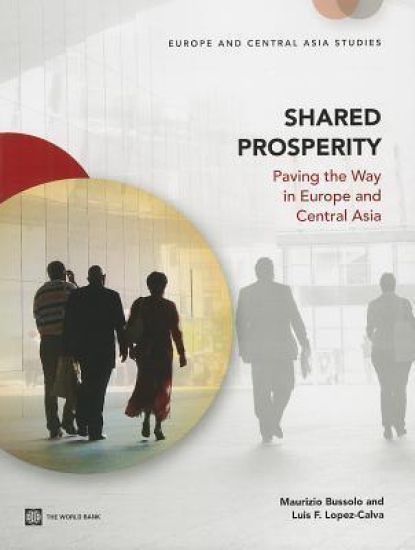
The World Bank has recently defined two strategic goals: ending extreme poverty and boosting shared prosperity. Shared prosperity is measured as income growth among the bottom 40 percent of the income distribution in the population. The two goals should be achieved in a way that is sustainable from economic, social, and environmental perspectives. Shared Prosperity: Paving the Way in Europe and Central Asia focuses on the second goal and proposes a framework that integrates both macroeconomic and microeconomic elements. The macro variables, particularly changes in relative prices, affect income growth differentially along the income distribution; at the same time, the microeconomic distribution of assets at the bottom of the distribution determines the capacity of the bottom 40 to take advantage of the macroeconomic environment and contribute to overall growth. Growth and the incidence of growth are thus understood as jointly determined processes. Besides this integration, the main input of the framework is the finding that the trade-off between growth and equity may be an issue only in the short run. Over the long run, redistribution policies that increase the productive capacity of the bottom 40 percent enhance the overall growth potential of the economy. This report considers shared prosperity in Europe and Central Asia and concludes that the performance in sharing prosperity during the period 2000 10 was good, on average, but heterogeneous across countries and that sustainability is unclear. It also describes examples of the application of the framework to selected countries in the region. Finally, the report provides a tool to structure the policy discussion around the goal of shared prosperity and explains that specific policy links associated with the goal can be established only after a thorough analysis of the country-specific context.
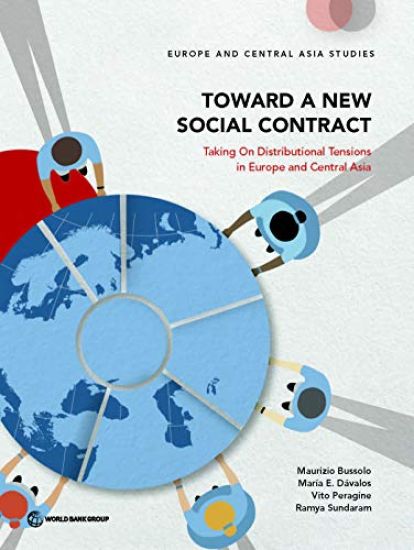
This report identifies and provides a detailed assessment of inequality between generations, workers, regions that are fueling perceptions of unfairness and eroding the social contract. It illustrates how current policies and institutions are not equipped to deal with these distributional tensions.
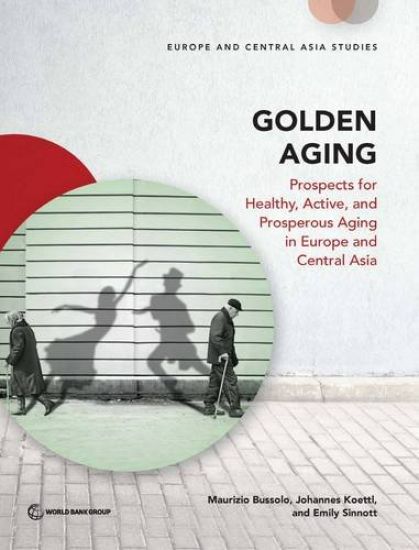
Compared to other regions, Europe and Central Asia is by far the oldest. Moreover, population aging is set to accelerate further over the next decades, as large cohorts turn old. Some countries in the region, such as Russia and Eastern European countries, additionally face a shrinking of their populations. Against this backdrop, this report investigates what stands in the way of societies reaping the full benefits of increased longevity in the region that is, longer lives and potentially prolonged payoffs from human capital and what can help to mitigate the possible negative impacts of a smaller and older workforce. Beginning with a focus on demographic trends, the report puts the rapid decline in fertility and contrasting migration trends in the region in a historical perspective and looks forward at the varying paths that population change may follow in the region. Next, it examines the evidence on the likely impact of demographic change on growth and savings, the labor force, firm and economy-wide innovation, poverty and inequality, and intergenerational solidarity. Finally, the report goes beyond diagnostics and puts an emphasis on what we know regarding successful policy interventions, presenting evidence on what has and has not worked in the past."