

Kirjahaku
Etsi kirjoja tekijän nimen, kirjan nimen tai ISBN:n perusteella.
1000 tulosta hakusanalla Carmen Y. Barron-Perrin

Condiciones de Vida y Salud de Los Maestros de La Ensenanza Especial
Idalia Triana Casado; Nereyda Rojo P Rez; Mar a Del Carmen Pr a Barro
Eae Editorial Academia Espanola
2012
pokkari
Nos hemos conocido con canas, arrugas y centell o de juventud en los ojos. Arriesgar todo por el todo despu s que se llega a la esquina del otro lado de la vida es aventurar en ilusiones. El amor es una serenata entretejida por pr ncipes y sonrisas. Se aparece en anillos, flores, galanter as y boleros. Y con ello danza el mundo y se mecen aguaceros primaverales en los portales de un ma ana. Hemos cumplido cinco a os de matrimonio S , fue en el "internet", en uno de esos sistemas de armon a en que se vende el amor al por mayor. Yo me llamaba: "Carmen, la exploradora". Mi letrero le a: "Ando buscando un hombre que se venga a vivir conmigo a Puerto Rico". Mi portal mostraba fotos de un viaje al Perito Moreno, conjunto de tango, Boca, comida argentina. La cocina francesa aparec a como la preferida (yo no sab a un divino de comida francesa, pero ten a que sonar sofisticada) y los pretendientes ten an que estar doctorados en alguna universidad.
Reimpresi n del original, primera publicaci n en 1877.

Crisis & Deliverance: An Exercise of Obedience: A Prophetic Explanation to Address America's Mortgage and Economic Meltdown
Carmen Y. Pulley
Createspace Independent Publishing Platform
2011
nidottu
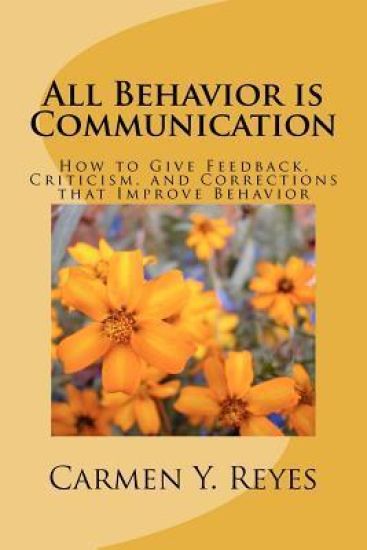
All Behavior is Communication: How to Give Feedback, Criticism, and Corrections that Improve Behavior
Carmen Y. Reyes
Createspace Independent Publishing Platform
2012
nidottu
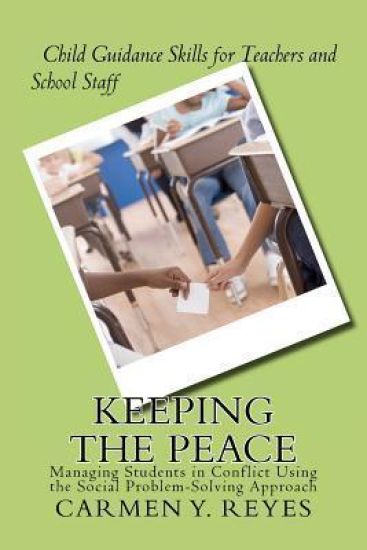
Keeping the Peace: Managing Students in Conflict Using the Social Problem-Solving Approach
Carmen Y. Reyes
Createspace Independent Publishing Platform
2012
nidottu
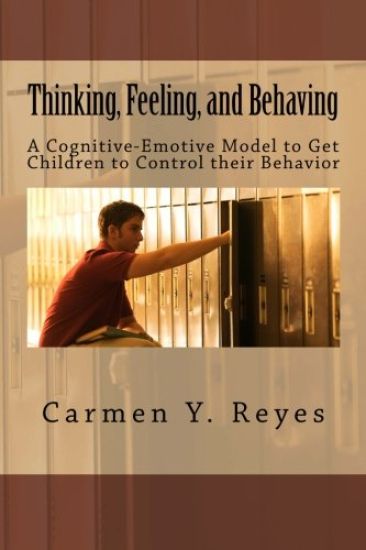
Thinking, Feeling, and Behaving: A Cognitive-Emotive Model To Get Children To Control their Behavior
Carmen Y. Reyes
Createspace Independent Publishing Platform
2012
nidottu
Thinking, Feeling, and Behaving: A Cognitive-Emotive Model to Get Children to Control their Behavior is an education and teaching book by Carmen Y. Reyes, The Psycho-Educational Teacher. For decades, teachers in special school settings had used cognitive-emotive techniques to help students who are chronically disruptive, in particular, children who are angry and/or aggressive. Following a system known as the A-B-C Model of Emotions troubled students are shown how their distraught behavior at point C (the consequence) is not triggered by what happened at point A (the antecedent), but by point B, or their beliefs about what happened. That is, angry feelings and aggressive behaviors are the direct consequence of both the negative thoughts and the negative self-talking the child had at point B. At the core of the RET philosophy is that an event is not good or bad; negative or positive, therefore, events have no influence, and cannot dictate the way we act. What really influences us to behave the way we do is our personal perception and interpretation of the event. For example, by perceiving an event as horrible and awful, we attach a negative label to it (e.g. humiliation), and then, we react to the label (e.g. we feel humiliated and may seek revenge) rather than responding to the actual event. If we think about it, this is a powerful postulate: our emotions (negative or positive) do not stem from our environment, but from what we were thinking and believing about our environment. This leads us to a second postulate that is even more powerful than the first one: we all have a great deal of control in the way we feel and behave. If we do not like the way we are feeling about an event (or behaving), we just need to change the way we are thinking about the event. This book details both the procedure and specialized interventions to help children take charge of their feelings, and by extension, regain control of their behavior. RET philosophy and interventions are ideally suited for managing anger-prone students, students with social skills deficits, or just regular kids dealing with the day-to-day pains of growing up.
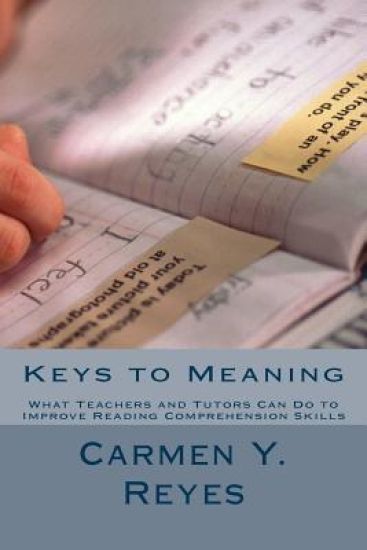
Keys to Meaning: What Teachers and Tutors Can Do to Improve Reading Comprehension Skills
Carmen Y. Reyes
Createspace Independent Publishing Platform
2012
nidottu
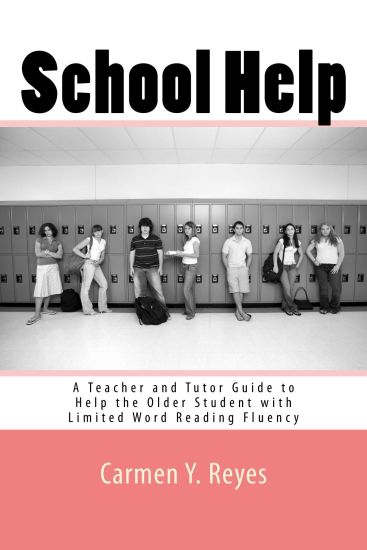
School Help: A Teacher and Tutor Guide to Help the Older Student with Limited Word Reading Fluency
Carmen Y. Reyes
Createspace Independent Publishing Platform
2012
nidottu
School Help: A Teacher and Tutor Guide to Help the Older Student with Limited Word Reading Fluency is a book by Carmen Y. Reyes, The Psycho-Educational Teacher. Older students with limited word pronunciation or limited word fluency require a remediation approach different from remediation approaches used for younger children. One of the most common reading problems for our older students is their lack of knowledge in strategy using, simply put, weak readers do not know that to be able to pronounce longer words both fluently and with comprehension, they need to apply different word attack strategies to different words. Even when they know some strategies, it is common to see these children struggling in the application of the strategy, not knowing when or how to apply a specific strategy to a particular word. In other words, children with low reading fluency are not proficient in strategy using or in using cue systems. To overcome a word-reading problem in an older child, teachers and tutors need to provide remediation that focuses less on the memorization of rules and more on strategy using and cue systems. On this guide, we explore nine cue systems that children need to know to develop reading fluency. With this knowledge, once the child sees a particular word, he or she knows what strategies are available to identify the word. Ranging from phonological knowledge (most basic level)-to-semantic knowledge and syntactic analysis (most sophisticated), children learn how to recognize, combine, and apply different cue systems to read longer words.
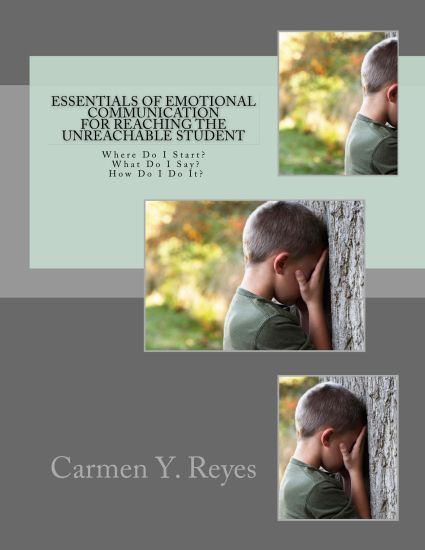
Essentials of Emotional Communication for Reaching the Unreachable Student: Where Do I Start? What Do I Say? How Do I Do It?
Carmen Y. Reyes
Createspace Independent Publishing Platform
2013
nidottu
This innovative book is a comprehensive source of interactive (language-based) skills that gives teachers, school counselors, school psychologists, and administrators a unique opportunity in connecting, influencing, and guiding hard to reach students. Elsewhere, effective behavior managers are best known for their strong repertoire of interpersonal communication skills. Understanding how verbal and nonverbal messages operate in our interactions with our most challenging students enables school staff to engage distraught children in constructive interactions and in positive processing of their feelings and behaviors. Once teachers learn how to use language that contributes in the healing process of children's troubling feelings and dysfunctional behaviors, interpersonal communication skills reach the level of emotional or therapeutic communication. This 300+ pages book includes 18 chapters sub-divided into four sections: -Part 1: The Basics (Chapters 1-3) -Part 2: Where Do I Start? (Chapters 4-6) -Part 3: What Do I Say? (Chapters 7-15) -Part 4: How Do I Do It? (Chapters 16-18) On Part 1, "The Basics," the author inspires teachers by revealing the magic inherent in the words we say to students. Emotional communication is presented within the broader context of interpersonal communication, including principles and steps. Part 1 includes a section in nonverbal communication as well as an analysis of feelings and their role in learning. Part 2, "Where Do I Start?" focuses on how to create rapport with an angry or troubled child, the single most important element in emotional communication. There are also techniques in therapeutic listening and a discussion of the role of the self in emotional communication. Part 3, "What Do I Say?" includes a large selection of therapeutic language techniques. The author's analyses on the fundamentals of language and on linguistic patterns that influence positive behavior make this book worth every penny. From Chapters 8-to-15, we learn one linguistic technique after another, with each new technique adding to the impact of the previous ones. The therapeutic dialogue is described step-by-step, from the beginning of the interaction (how to open the message) to the end of the interaction (shifting the message). The fourth and last part, "How Do I Do It?" is the application part; the "grand finale" of this must-read book. Chapter 17, "The Supportive Style" includes dozens of therapeutic interventions to defuse power struggles.
Watch Your Language!: Ways of Talking and Interacting with Students that Crack the Behavior Code
Carmen Y. Reyes
Createspace Independent Publishing Platform
2013
nidottu
All Behavior Is Communication Revised Second Edition: How To Give Feedback, Criticism, And Corrections That Improve Behavior
Carmen Y. Reyes
Createspace Independent Publishing Platform
2013
nidottu
"All Behavior Is Communication: How To Give Feedback, Criticism, And Corrections That Improve Behavior" is an education and teaching book by Carmen Y. Reyes, The Psycho-Educational Teacher. The topic of this innovative guide is simple yet powerful: what teachers say to children (the words we use) influences the way students behave. Feedback and criticism that convey high and positive expectations influence positive performance, but feedback and criticism that are a constant reminder to children of inadequate performance and/or recurrent behavior problems reinforce the same low performance and behavior difficulties that we want to extinguish in the first place. Teachers can make a huge difference in the way students perform; that is how influential our words and messages to children are. Therefore, if we want to change children's disruptive and/or apathetic classroom behavior, a good way to start would be to monitor, and if necessary change, the messages sent to them. "All Behavior Is Communication: How To Give Feedback, Criticism, And Corrections That Improve Behavior" explains these three speech acts in detail and presents ways in which teachers can use supportive and constructive language to inspire children to be the best they can be. Although intended for teachers and school personnel as primary audience, parents interested in using a language-based and interactional approach to discipline, popularly known as child guidance, will find plenty of insight and techniques here.
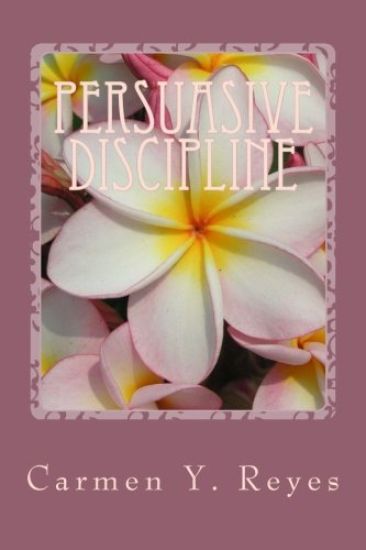
Persuasive Discipline: Using Power Messages and Suggestions to Influence Children Toward Positive Behavior
Carmen Y. Reyes
Createspace Independent Publishing Platform
2013
nidottu
"Persuasive Discipline: Using Power Messages and Suggestions to Influence Children Toward Positive Behavior" is an education and teaching book by Carmen Y. Reyes, The Psycho-Educational Teacher. On this innovative guide, readers venture into the fascinating realm of persuasive communication, learning 31 language-based discipline techniques that influence positive behavior in children. The most compelling lesson learned in this child guidance guide is that, to improve our ability in disciplining children, we do not need flamboyant techniques or procedures; we just need better communication and persuasion skills. Generally speaking, persuasion is the process of communicating using just the right words to get the positive outcome we want. Most specifically, in persuasive discipline, we use specific language patterns and ways of talking to shift a child's attitude and mind-set from noncompliance to compliance. Simply put, when we persuade, we control and change behavior. Some of the techniques introduced in this book may be part of our repertoire already; we just need to be aware of their rich influential value, so that we learn how to articulate our messages in a more influential way. Other techniques, although well-known by persuasion experts, are less familiar to an average teacher or parent. Carmen Y. Reyes guides readers in how to apply these techniques to both the classroom and the home setting.
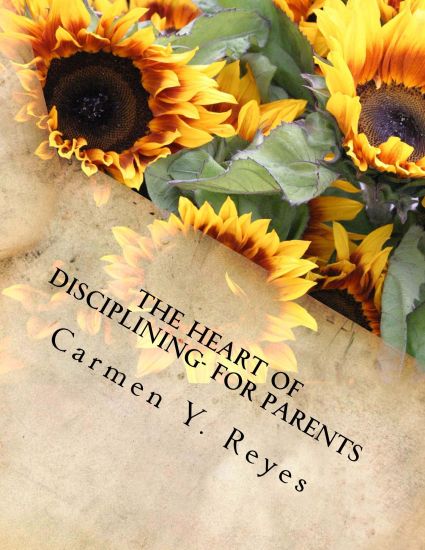
The Heart of Disciplining- For Parents: Understanding and Delivering Feedback, Criticism, and Corrections that Teach Positive Behavior
Carmen Y. Reyes
Createspace Independent Publishing Platform
2014
nidottu
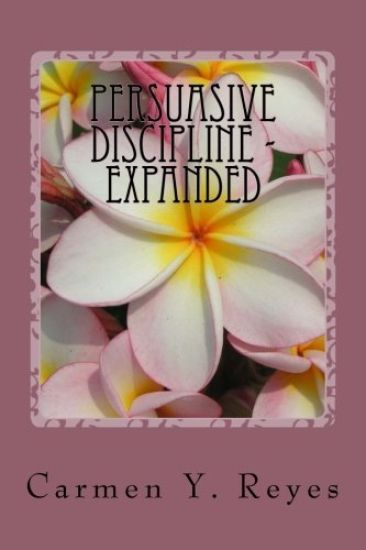
Persuasive Discipline - Expanded: Using Power Messages and Suggestions to Influence Children Toward Positive Behavior
Carmen Y. Reyes
Createspace Independent Publishing Platform
2016
nidottu

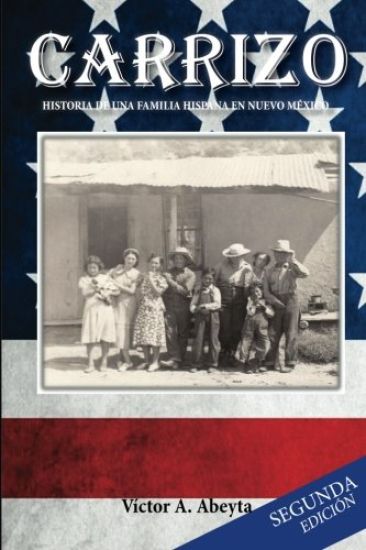
Carrizo - Historia de una Familia Hispana en Nuevo México: José Porfirio Abeyta y María Carmen Sabina Sandoval - 1889 -1991
Victor a. Abeyta
Createspace Independent Publishing Platform
2015
nidottu
Esta obra narra la historia de una familia hispana en Nuevo M xico, la cual tiene su inicio en 1889 y termina el 1991. Es un historia de amor y fe, donde una pareja se enfrenta con los desafios de la vida en la frontera. El lugar elijido para iniciar sus vidas juntos es aislado y aspero, donde el hombre debe utilizar todos sus conocimientos para sobrevivir. Ah dan vida a ocho hijos, los cuales uno por uno cumplen con las aspiraciones educativas de sus padres.