Kirjojen hintavertailu. Mukana 11 244 527 kirjaa ja 12 kauppaa.

Kirjahaku

Etsi kirjoja tekijän nimen, kirjan nimen tai ISBN:n perusteella.

622 tulosta hakusanalla Charlemagne Jr. Tower

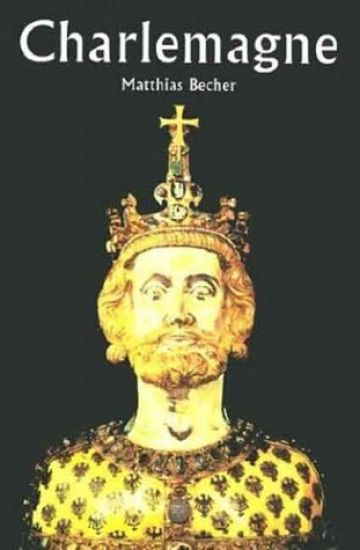
Charlemagne

Charlemagne

Becher Matthias

Yale University Press
2005
nidottu
Charlemagne-ruler of the vast Frankish kingdom from 768 to his death in 814 and Holy Roman emperor from the year 800 - is considered the father of Europe. In this concise, insightful, and eminently readable biography, Mathias Becher provides a wealth of information about a remarkable man and his times. Among the topics Becher discusses are Charlemagne's rise to emperor and his political and military maneuvering against the Saxons, the Lombards, and others; the ways in which laws and language in these lands were reformed and revised; and the tensions that emerged in Charlemagne's court between modern ideas and traditional thinking. He concludes by discussing the effects of Charlemagne's reign and his posthumous fame. "Becher suceeds in combining a masterful account of life stages of the 'powerful figure' and the myth of Charlemagne with a precise and impressive representation of his era" - Die Zeit
Charlemagne

Charlemagne

Roger Collins

Red Globe Press
1998
nidottu
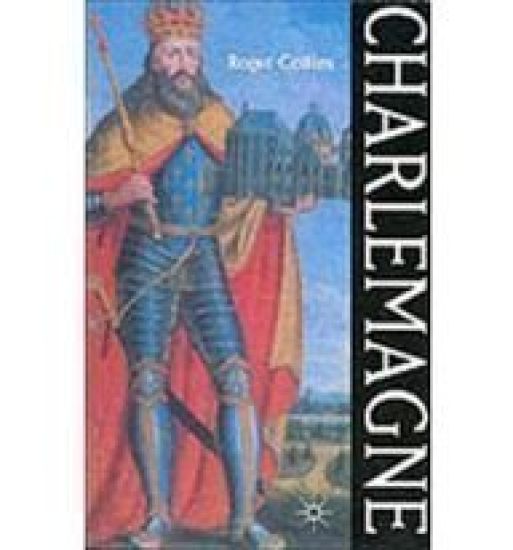
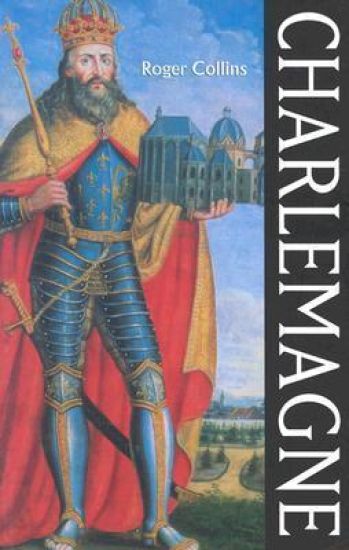
Charlemagne remains one of the most compelling figures in European history. In this lively, vivid portrait of an extraordinary monarch and his achievements, Roger Collins profiles the most powerful and significant ruler in Western Europe between the end of the Roman Empire and the Italian Renaissance. While his achievements were in some ways ephemeral (after all, his great Empire soon broke up), he can still clearly be seen as the figure who transformed the nature of Europe and ushered in a period which has an explicit and comprehensible connection with our own.The reign of Charlemagne (768-814) saw the unification under his rule of many areas of France, Italy, Germany, Spain and central Europe as part of his attempt to create a single European-wide state. He revived the office of emperor in the West and his achievements inspired a succession of both military conquerors and would-be unifiers of Europe up to the present day, earning him the name, `Father of Europe'.
Charlemagne

Charlemagne

Alessandro Barbero

University of California Press
2004
sidottu
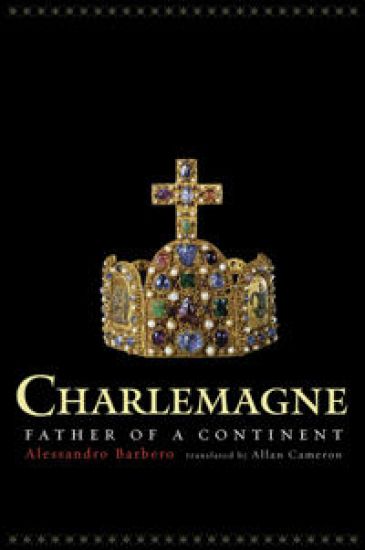
The most important study of Charlemagne in a generation, this biography by distinguished medievalist Alessandro Barbero illuminates both the man and the world in which he lived. Charles the Great--Charlemagne--reigned from a.d. 768 to a.d. 814. At the time if his death, his empire stretched across Europe to include Bavaria, Saxony, parts of Spain, and Italy. With a remarkable grasp of detail and a sweeping knowledge of Carolingian institutions and economy, Barbero not only brings Charlemagne to life with accounts of his physical appearance, tastes and habits, family life, and ideas and actions but also conveys what it meant to be king of the Franks and, later, emperor. He recounts how Charlemagne ruled his empire, kept justice, and waged wars. He vividly describes the nature of everyday life at that time, how the economy functioned, and how Christians perceived their religion. Barbero's absorbing analysis of how concepts of slavery and freedom were subtly altered as feudal relations began to grow underscores the dramatic changes that the emperor's wars brought to the political landscape. Engaging and informed by deep scholarship, this latest account provides a new and richer context for considering one of history's most fascinating personalities.
Charlemagne

Charlemagne

Alessandro Barbero

University of California Press
2018
pokkari
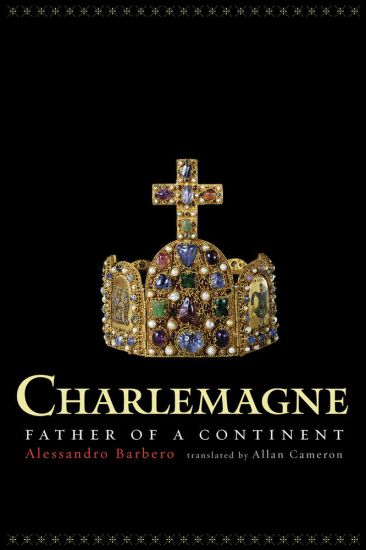
The most important study of Charlemagne in a generation, this biography by distinguished medievalist Alessandro Barbero illuminates both the man and the world in which he lived. Charles the Great—Charlemagne—reigned from a.d. 768 to a.d. 814. At the time if his death, his empire stretched across Europe to include Bavaria, Saxony, parts of Spain, and Italy. With a remarkable grasp of detail and a sweeping knowledge of Carolingian institutions and economy, Barbero not only brings Charlemagne to life with accounts of his physical appearance, tastes and habits, family life, and ideas and actions but also conveys what it meant to be king of the Franks and, later, emperor. He recounts how Charlemagne ruled his empire, kept justice, and waged wars. He vividly describes the nature of everyday life at that time, how the economy functioned, and how Christians perceived their religion. Barbero's absorbing analysis of how concepts of slavery and freedom were subtly altered as feudal relations began to grow underscores the dramatic changes that the emperor's wars brought to the political landscape. Engaging and informed by deep scholarship, this latest account provides a new and richer context for considering one of history's most fascinating personalities.
Charlemagne

Charlemagne

Rosamond McKitterick

Cambridge University Press
2008
pokkari
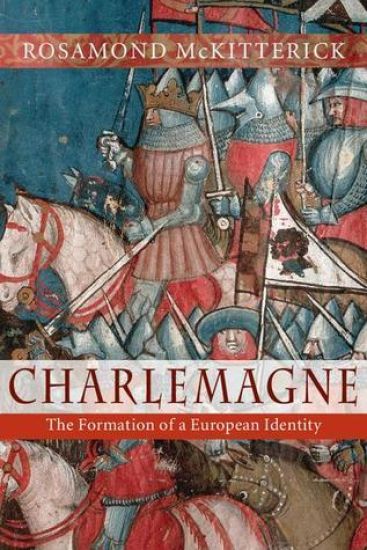
Charlemagne is often claimed as the greatest ruler in Europe before Napoleon. This magisterial study re-examines Charlemagne the ruler and his reputation. It analyses the narrative representations of Charlemagne produced after his death, and thereafter focuses on the evidence from Charlemagne's lifetime concerning the creation of the Carolingian dynasty and the growth of the kingdom, the court and the royal household, communications and identities in the Frankish realm in the context of government, and Charlemagne's religious and cultural strategies. The book offers a critical examination of the contemporary sources and in so doing transforms our understanding of the development of the Carolingian empire, the formation of Carolingian political identity, and the astonishing changes effected throughout Charlemagne's forty-six year period of rule. This is a major contribution to Carolingian history which will be essential reading for anyone interested in the medieval past. Rosamond McKitterick has also received the 2010 Dr A. H. Heineken Prize for History for her research into the Carolingians.
Charlemagne

Charlemagne

Rosamond McKitterick

Cambridge University Press
2008
sidottu
Charlemagne is often claimed as the greatest ruler in Europe before Napoleon. This magisterial study re-examines Charlemagne the ruler and his reputation. It analyses the narrative representations of Charlemagne produced after his death, and thereafter focuses on the evidence from Charlemagne's lifetime concerning the creation of the Carolingian dynasty and the growth of the kingdom, the court and the royal household, communications and identities in the Frankish realm in the context of government, and Charlemagne's religious and cultural strategies. The book offers a critical examination of the contemporary sources and in so doing transforms our understanding of the development of the Carolingian empire, the formation of Carolingian political identity, and the astonishing changes effected throughout Charlemagne's forty-six year period of rule. This is a major contribution to Carolingian history which will be essential reading for anyone interested in the medieval past. Rosamond McKitterick has also received the 2010 Dr A. H. Heineken Prize for History for her research into the Carolingians.
Charlemagne

Charlemagne

Johannes Fried

Harvard University Press
2016
sidottu
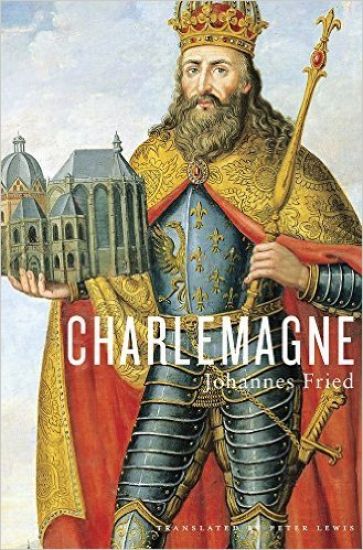
When Charlemagne died in 814 CE, he left behind a dominion and a legacy unlike anything seen in Western Europe since the fall of Rome. Distinguished historian and author of The Middle Ages Johannes Fried presents a new biographical study of the legendary Frankish king and emperor, illuminating the life and reign of a ruler who shaped Europe’s destiny in ways few figures, before or since, have equaled.Living in an age of faith, Charlemagne was above all a Christian king, Fried says. He made his court in Aix-la-Chapelle the center of a religious and intellectual renaissance, enlisting the Anglo-Saxon scholar Alcuin of York to be his personal tutor, and insisting that monks be literate and versed in rhetoric and logic. He erected a magnificent cathedral in his capital, decorating it lavishly while also dutifully attending Mass every morning and evening. And to an extent greater than any ruler before him, Charlemagne enhanced the papacy’s influence, becoming the first king to enact the legal principle that the pope was beyond the reach of temporal justice—a decision with fateful consequences for European politics for centuries afterward.Though devout, Charlemagne was not saintly. He was a warrior-king, intimately familiar with violence and bloodshed. And he enjoyed worldly pleasures, including physical love. Though there are aspects of his personality we can never know with certainty, Fried paints a compelling portrait of a ruler, a time, and a kingdom that deepens our understanding of the man often called “the father of Europe.”
Charlemagne

Charlemagne

Manchester University Press
2005
nidottu
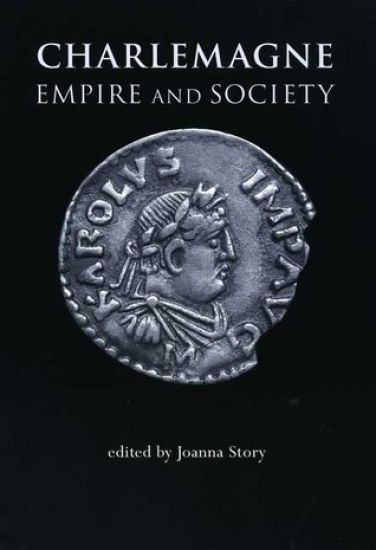
The age of Charlemagne was a crucible for change in the history of Europe, bridging the divide between the medieval and the classical worlds and setting the political and cultural tone for centuries to come. This book focuses directly on the reign of Charlemagne, bringing together a wide range of approaches and sources from the diverse voices of fifteen of the top scholars of early medieval Europe. The contributors have taken a number of original aproaches to the subject, from the fields of archaeology and numismatics to thoroughly-researched essays on key historical texts. The essays are embedded in the scholarship of recent decades but also offer insights into new areas and new approaches for research. A full bibliography of works in English as well as key reading in European languages is provided, making the volume essential reading for experienced scholars as well as students new to the history of the early middle ages.
Charlemagne

Charlemagne

Roger Collins

University of Toronto Press
1998
pokkari
This is a new account of the most important period in the history of Europe between the end of the Roman Empire and the Italian Renaissance. The reign of Charlemagne (768-814) saw the unification of many areas of France, Italy and Germany, Spain and central Europe, as well as the revival of the title 'Emperor in the West.' At the same time, the cultural and artistic revival that took place in western Europe under Charlemagne's rule both led to the preservation of much of the intellectual heritage of Antiquity and inspired succeeding generations of scholars and artists up to the time of the Renaissance. While the empire that Charlemagne created proved short-lived, the title 'Holy Roman Emperor' remained in continuous use until 1806, and his achievements have inspired a succession of both military conquerors and would-be unifiers of Europe up to the present day. Numerous ideas and institutions were revived or created in this period which would serve to shape the future development of western Europe throughout the Middle Ages and beyond.