Christophe Colomb, ou La decouverte du Nouveau Monde, melodrame historique en trois actes, en prose et a grand spectacle, par R.-C. Guilbert de Pixerecourt... Musique de M. DarondeauDate de l'edition originale: 1815Ce livre est la reproduction fidele d'une oeuvre publiee avant 1920 et fait partie d'une collection de livres reimprimes a la demande editee par Hachette Livre, dans le cadre d'un partenariat avec la Bibliotheque nationale de France, offrant l'opportunite d'acceder a des ouvrages anciens et souvent rares issus des fonds patrimoniaux de la BnF.Les oeuvres faisant partie de cette collection ont ete numerisees par la BnF et sont presentes sur Gallica, sa bibliotheque numerique.En entreprenant de redonner vie a ces ouvrages au travers d'une collection de livres reimprimes a la demande, nous leur donnons la possibilite de rencontrer un public elargi et participons a la transmission de connaissances et de savoirs parfois difficilement accessibles.Nous avons cherche a concilier la reproduction fidele d'un livre ancien a partir de sa version numerisee avec le souci d'un confort de lecture optimal. Nous esperons que les ouvrages de cette nouvelle collection vous apporteront entiere satisfaction.Pour plus d'informations, rendez-vous sur www.hachettebnf.fr
The fragmentary plays of Euripides are a body of texts still regularly increasing in number and extent. They are of very great interest in themselves, apart from the significant aid they give to the fuller appreciation of the surviving complete plays. This two-volume edition brings together for the first time for English readers the more substantial and important of the plays, about fifteen in all. Each play is introduced by a summary bibliography and an appreciative essay which analyses the mythic background and plot: reconstructs the play as far as the fragmentary text and secondary evidence allow; and discusses themes, characterisation, staging, date, reflections of the story in art and other dramatisations. For each play the fragmentary texts are presented as conveniently and succinctly as possible, together with a brief critical apparatus of sources and readings. An English translation stands on the facing page. The text and translation of each play are followed by a short, primarily interpretative commentary.This volume contains: Alexandros (together with Palamedes and Sisyphus), Oedipus, Andromeda, Antiope, Hypsipyle, Archelaus (415 to about 407 B.C.).
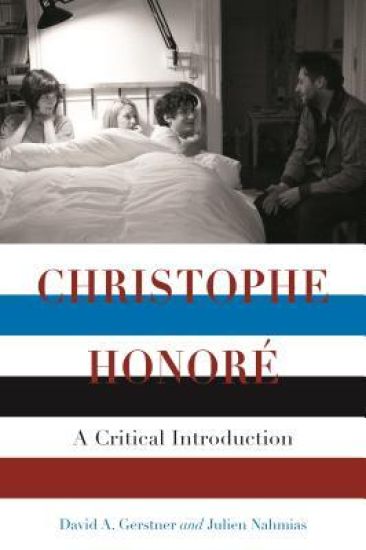
French filmmaker Christophe Honoré challenges audiences with complex cinematic form, intricate narrative structures, and aesthetically dynamic filmmaking. But the limited release of his films outside of Europe has left him largely unknown to U.S. audiences. In Christophe Honoré: A Critical Introduction, authors David A. Gerstner and Julien Nahmias invite English-speaking scholars and cinéastes to explore Honoré’s three most recognized films, Dans Paris (2006), Les Chansons d’amour (2007), and La Belle personne (2008)—“the trilogy.” Gerstner and Nahmias analyze Honoré’s filmmaking as the work of a queer auteur whose cinematic engagement with questions of family, death, and sexual desire represent new ground for queer theory. Considering each of the trilogy films in turn, the authors take a close look at Honoré’s cinematic technique and how it engages with France’s contemporary cultural landscape. With careful attention to the complexity of Honoré’s work, they consider critically contested issues such as the filmmaker’s cinematic strategies for addressing AIDS, the depth of his LGBTQ politics, his representations of death and sexual desire, and the connections between his films and the New Wave. Anchored by a comprehensive interview with the director, the authors incorporate classical and contemporary film theories to offer a range of cinematic interventions for thinking queerly about the noted film author. Christophe Honoré: A Critical Introduction reconceptualizes the relationship between film theory and queer theory by moving beyond predominant literary and linguistic models, focusing instead on cinematic technique. Students and teachers of queer film will appreciate this thought-provoking volume.