Kirjojen hintavertailu. Mukana 11 244 527 kirjaa ja 12 kauppaa.

Kirjahaku

Etsi kirjoja tekijän nimen, kirjan nimen tai ISBN:n perusteella.

1000 tulosta hakusanalla Christopher W. Shaw; Ralph Nader

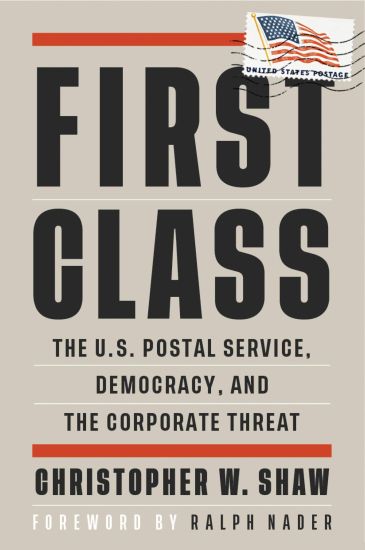
First Class

First Class

Christopher W. Shaw; Ralph Nader

City Lights Books
2021
pokkari
Investigating the essential role that the postal system plays in American democracy and how the corporate sector has attempted to destroy it."With First Class: The U.S. Postal Service, Democracy, and the Corporate Threat, Christopher Shaw makes a brilliant case for polishing the USPS up and letting it shine in the 21st century."—John Nichols, national affairs correspondent for The Nation and author of Coronavirus Criminals and Pandemic Profiteers: Accountability for Those Who Caused the Crisis"First Class is essential reading for all postal workers and for our allies who seek to defend and strengthen our public Postal Service."—Mark Dimondstein, President, American Postal Workers Union, AFL-CIOThe fight over the future of the U.S. Postal Service is on. For years, corporate interests and political ideologues have pushed to remake the USPS, turning it from a public institution into a private business—and now, with mail-in voting playing a key role in local, state, and federal elections, the attacks have escalated. Leadership at the USPS has been handed over to special interests whose plan for the future includes higher postage costs, slower delivery times, and fewer post offices, policies that will inevitably weaken this invaluable public service and source of employment.Despite the general shift to digital communication, the vast majority of the American people—and small businesses—still rely heavily on the U.S. postal system, and many are rallying to defend it. First Class brings readers to the front lines of the struggle, explaining the various forces at work for and against a strong postal system, and presenting reasonable ideas for strengthening and expanding its capacity, services, and workforce. Emphasizing the essential role the USPS has played ever since Benjamin Franklin served as our first Postmaster General, author Christopher Shaw warns of the consequences for the country—and for our democracy—if we don’t win this fight.Praise for First Class:"Piece by piece, an essential national infrastructure is being dismantled without our consent. Shaw makes an eloquent case for why the post office is worth saving and why, for the sake of American democracy, it must be saved."—Steve Hutkins, founder/editor of Save the Post Office and Professor of English at New York University"The USPS is essential for a democratic American society; thank goodness we have this new book from Christopher W. Shaw explaining why."—Danny Caine, author of Save the USPS and owner of the Raven Book Store, Lawrence, KS"Shaw's excellent analysis of the Postal Service and its vital role in American Democracy couldn't be more timely. … First Class should serve as a clarion call for Americans to halt the dismantling and to, instead, preserve and enhance the institution that can bind the nation together."—Ruth Y. Goldway, Retired Chair and Commissioner, U.S. Postal Regulatory Commission, responsible for the Forever Stamps"In a time of community fracture and corporate predation, Shaw argues, a first-class post office of the future can bring communities together and offer exploitation-free banking and other services."—Robert Weissman, president of Public Citizen

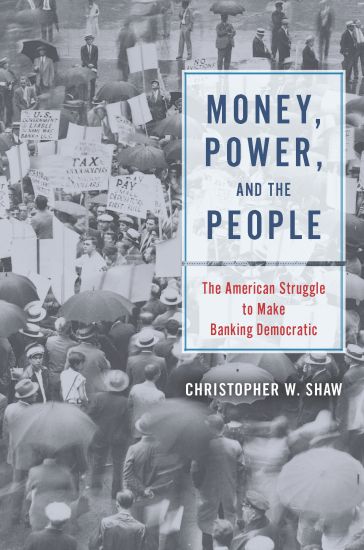
Money, Power, and the People

Money, Power, and the People

Christopher W Shaw

University of Chicago Press
2019
sidottu
Banks and bankers are hardly the most beloved people and institutions in this country. With its corruptive influence on politics and stranglehold on the American economy, Wall Street is not held in high regard by many outside the financial sector. But the pitchforks raised against this behemoth are largely rhetorical: we rarely see riots in the streets or public demands for an equitable and democratic banking system that result in serious national changes. Yet the situation was vastly different a century ago, as Christopher W. Shaw shows in Money, Power, and the People. His book upends the conventional thinking that financial policy in the early twentieth century was set primarily by the needs and demands of bankers. Shaw shows that banking and politics were directly shaped by the literal and symbolic investments of the grassroots. This engagement remade financial institutions and the national economy, through populist pressure and the establishment of federal regulatory programs and agencies like the Farm Credit System and the Federal Deposit Insurance Corporation. Shaw reveals the surprising groundswell behind such seemingly arcane legislation as the Emergency Currency Act of 1908, as well as the power of the people to demand serious political repercussions for the banks that caused the Great Depression. One result of this sustained interest and pressure was legislation and regulation that brought on a long period of relative financial stability, with a reduced frequency of economic booms and busts. Ironically, though, this stability led to the current decline of the very banking politics that enabled it. Giving voice to a broad swath of American figures, including workers, farmers, politicians, and bankers alike, Money, Power, and the People recasts our understanding of what might be possible in balancing the needs of the people with those of their financial institutions.
George Bernard Shaw

George Bernard Shaw

Christopher Wixson

Oxford University Press
2020
nidottu
George Bernard Shaw has been called the second greatest playwright in English (after William Shakespeare) and one of the inventors of modern celebrity as the most famous public intellectual of his time. Beginning in the 1880s, as a critic and as a playwright, he transformed British drama, bringing to it intellectual substance, ethical imperatives, and modernity itself, setting the theatrical course for the subsequent century. That his legacy endures seventy years after his death is testament to the prescience of his thinking and his prolific creativity. This Very Short Introduction looks at Shaw's life, starting with his upbringing in Ireland, and then takes a chronological approach through his works. Considering Shaw's committed antagonism on behalf of a range of socio-political issues; his use of comedy as a mode for communicating serious ideas; and his rhetorical style that pushes conventional boundaries, Christopher Wixson provides an overview of the creative evolution of core themes throughout Shaw's long career. ABOUT THE SERIES: The Very Short Introductions series from Oxford University Press contains hundreds of titles in almost every subject area. These pocket-sized books are the perfect way to get ahead in a new subject quickly. Our expert authors combine facts, analysis, perspective, new ideas, and enthusiasm to make interesting and challenging topics highly readable.
Robert Shaw

Robert Shaw

Christopher Shaw Myers

CITADEL PRESS INC.,U.S.
2025
sidottu
Just in time for the 50th anniversary of Steven Spielberg's Jaws, an intimate and richly-told portrait of the iconic actor and writer Robert Shaw, from his portrayal of the legendary shark hunter Captain Quint and beyond, written lovingly but honestly by his nephew. "Go for the Jaws, stay for the Shaws." --Nat Segaloff, author of The Exorcist Legacy Robert Shaw unforgettably commanded attention as the weathered seaman Captain Quint in the blockbuster sensation, Jaws. But what came before and after that landmark film is as dramatic as the hunt for the great white shark itself. Capturing the many facets of the vibrant, generous, and sometimes polarizing man is his nephew, Christopher, who explores the forces that shaped a dynamic personality--including Robert's indomitable mother, his deeply troubled father, and his activist sister, Joanna, with whom Robert shared an unbreakable bond. Out of the traumatic events of their childhood in the Orkney Islands and Cornwall, Mrs. Shaw pushed her children to pursue their dreams. For Robert, that dream was acting and writing. Despite a storied career on the British and American stage--as both performer and playwright--and a string of hit films including From Russia with Love, A Man for All Seasons, The Sting, and The Taking of Pelham One Two Three, international celebrity eluded Robert . . . until he was summoned to star in "a little horror film" called Jaws. What happened on-screen was unforgettable. What happened off-screen was chaos. Now Christopher Shaw Myers reveals the true story of the making of the classic. Jaws would become both an artistic success and a worldwide triumph for Robert Shaw. Tragically, for a man shadowed by his father's demons, it would also signal the beginning of the end. Drawing on family recollections, personal letters, scrapbooks, recordings, extensive interviews, and a lifetime of his own memories, Christopher paints a unique, intimate, and honest portrait of a man he was proud to call his uncle.
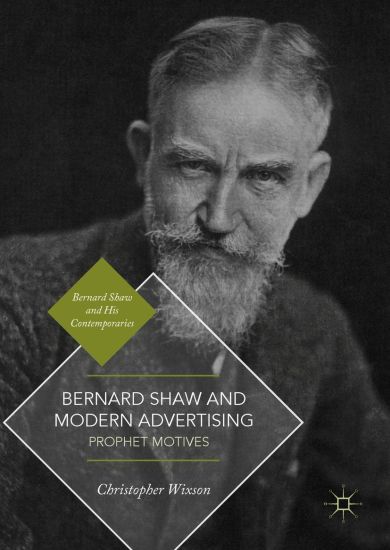
Bernard Shaw and Modern Advertising

Bernard Shaw and Modern Advertising

Christopher Wixson

Springer Nature Switzerland AG
2019
nidottu
This book charts how promotional campaigns in which Bernard Shaw participated were key crucibles within which agency and personality could re-negotiate their relationship to one another and to the consuming public. Concurrent with the rise of modern advertising, the creation of Shaw’s 'G.B.S.' public persona was achieved through masterful imitation of patent medicine marketing strategies and a shrewd understanding of the relationship between product and spokesman. Helping to enhance the visibility of his literary writing and dovetailing with his Fabian political activities, 'G.B.S.' also became a key figure in the evolution of testimonial endorsement and the professionalizing of modern advertising. The study analyzes multiple ad series in which Shaw was prominently featured that were occasions for self-promotion for both Shaw and the agencies, and presage the iconoclastic style of contemporary 'public personality' and techniques of celebrity marketing.
Bernard Shaw and St. John Hankin

Bernard Shaw and St. John Hankin

Christopher Wixson

Springer International Publishing AG
2025
sidottu
“This original study will no doubt draw attention to St. John Hankin’s work, which may in turn receive further scrutiny from scholars, students, and theatre practitioners.” Michel Pharand, Queen's University This book proposes a vibrant intertextual dialogue between St. John Hankin’s manners comedies and what are considered Bernard Shaw’s “minor” Edwardian comedies and, after the war, some of his most experimental “extravagant” plays. Engaging thematic topics ranging from philanthropy and parenting to marital alliances and comic endings, their dramaturgy was truly in conversation over form and content as they re-purposed one another in a vital wrangling to direct the creative evolution of modern British comedy.
Bernard Shaw and Modern Advertising

Bernard Shaw and Modern Advertising

Christopher Wixson

Springer International Publishing AG
2018
sidottu
This book charts how promotional campaigns in which Bernard Shaw participated were key crucibles within which agency and personality could re-negotiate their relationship to one another and to the consuming public. Concurrent with the rise of modern advertising, the creation of Shaw’s 'G.B.S.' public persona was achieved through masterful imitation of patent medicine marketing strategies and a shrewd understanding of the relationship between product and spokesman. Helping to enhance the visibility of his literary writing and dovetailing with his Fabian political activities, 'G.B.S.' also became a key figure in the evolution of testimonial endorsement and the professionalizing of modern advertising. The study analyzes multiple ad series in which Shaw was prominently featured that were occasions for self-promotion for both Shaw and the agencies, and presage the iconoclastic style of contemporary 'public personality' and techniques of celebrity marketing.
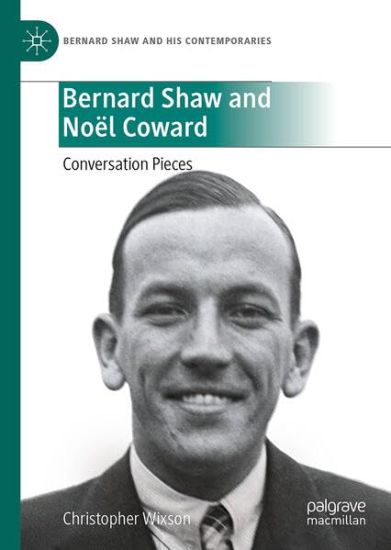
Bernard Shaw and Noël Coward

Bernard Shaw and Noël Coward

Christopher Wixson

Springer International Publishing AG
2025
sidottu
This book tracks dramaturgical affinities between some of Bernard Shaw’s late “extravagant” plays and those of Noël Coward, in particular their recasting of one another’s style and the tradition of manners comedy. While Coward’s first play (The Young Idea) all but plagiarizes You Never Can Tell and Shaw responds with his own depictions of the idle rich, their experimental plays in the 1930s also ambitiously engage issues of race and Empire, topics further outside their respective idioms. “Christopher Wixson mines Shaw’s rarely-explored engagement with the work of Noël Coward, examining both writers' highly experimental plays from the 1930s in light of such important issues as postwar disillusionment, racial difference, and post-coloniality.” Michel Pharand, Queen's University
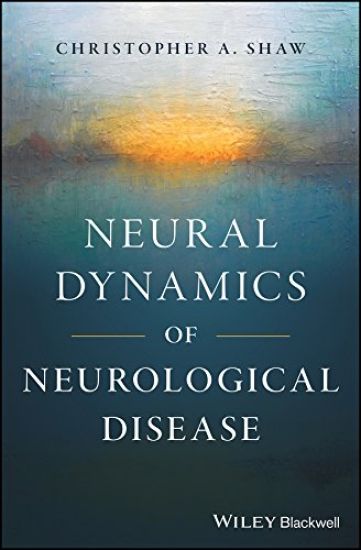
Neural Dynamics of Neurological Disease

Neural Dynamics of Neurological Disease

Christopher A. Shaw

John Wiley Sons Inc
2017
sidottu
The emerging understanding of age-related neurological disorders suggests that notions of a single causal gene/toxin being responsible is likely incorrect. Neurological disorders probably arise due to a unique intersection of multiple genetic and toxic factors, combined with additional contributions of age, stage of development, immune system actions, and more. This perspective leads to the view that rather than reflecting only one pathway to end-state disease, each is a spectrum disorder, and every individual case is therefore unique. Neural Dynamics of Neurological Disease argues for a fundamental rethinking of what we think we know about neurological disorders, how they arise and progress, and, crucially, what might be done to "cure" them. It first introduces the concept of neural dynamics of neurological disease, then examines various diseases and gives examples of the interplay of elements such as neural systems, cell types, and biochemical pathways that can contribute to disease. The concluding chapters point the way to how the emerging notion of neurological disease as a dynamic process may lead to more successful treatment options. Providing a cross-disciplinary approach to understanding the origin and progression of neurological disease, Neural Dynamics of Neurological Disease is a timely and valuable resource for neuroscientists, researchers, and clinicians.
Dispatches from the Vaccine Wars: Fighting for Human Freedom During the Great Reset
Enter the trenches of the bloodiest battles you've never heard of: the Vaccine Wars. Professor Christopher A Shaw discovered, after a deep-dive literature search on aluminum impacts on humans and animals, that aluminum hydroxide, an adjuvant in the anthrax vaccine, had a significantly negative impact on motor functions and reflexes of patients in the literature. After that finding, he did what scientists are supposed to do and kept following the leads. However, organizations like WHO dismissed him immediately. Those powerful organizations either knew what he knew, that aluminum vaccine adjuvants were harmful, or they simply didn't care. In either case, two possible reasons for the lack of response became clear to Shaw and his colleagues: dogma and money. The first had served to convince most of the world's medical professionals that Shaw had to be wrong because, after all, "the science was settled." And, behind much of this was the naked fact of how much money vaccines brought in to cover the pharmaceutical industry's profit margin. The combination of those two have the finger prints of various Big Pharma companies smudged all over the question of vaccine safety, which included the demonization of both scientists and lay scholars who raised even the tamest questions about safety and the push for vaccine mandates around the world. After these events, Shaw decided to dig deeper. Dispatches from the Vaccine Wars is a comprehensive look at the origin of vaccination and the oversight of vaccines by various regulatory bodies in the United States and in Canada. The book provides not only the official view on vaccines safety and efficacy, but also provides a critical analysis on which such views are based. Aluminum and other compounds that may contribute to autism spectrum disorder are discussed at length. Professor Shaw also analyzes the corporate influences driving vaccine uptake worldwide and provides an in depth look at the push for mandatory vaccination. Dispatches from the Vaccine Wars evaluates the extent to which vaccinology has become a cult religion driving attempts to suppress divergent scientific opinions. Finally, the book delves into the COVID-19 pandemic and what it means for the future of us all.
Zebra

Zebra

Christopher Plumb; Samuel Shaw

Reaktion Books
2018
nidottu
Common and exotic, glamorous and ferocious, sociable and sullen: zebras mean many things to many people. The extraordinary beauty of their striped coats makes them one of the world’s most recognizable animals. They have been immortalized in paint by artists including George Stubbs and Lucian Freud, and zebra-print designs permeate contemporary society – on beanbags and bikinis, car seats and pencil cases. Zebras even have a road crossing named after them. But the natural and cultural history of the zebra remains a mystery to most. Few know that there are three species of zebra, or that one of these is currently endangered, or that the quagga, an animal that once roamed southern Africa in large numbers before dying out in the 1880s, is among the zebra’s many subspecies. Zebra is a comprehensive and wide-ranging study of the natural and cultural history of this popular animal. Using a wide range of sources and stories, it shows how the zebra’s history engages and intersects with diverse topics, including eighteenth-century humour, imperialism and camouflage technologies. Including more than a hundred illustrations, many previously unpublished, it offers a new way of thinking about this much-loved but frequently misunderstood animal.
Plant Medicine

Plant Medicine

Christopher Hedley; Non Shaw

Aeon Books
2023
sidottu
A comprehensive compendium on the theory and practice of herbal medicine from expert herbalists Christopher Hedley and Non Shaw. This fundamental textbook draws on the wisdom of Christopher Hedley and Non Shaw, incorporating their belief in the importance of understanding herbal medicine in the context of living plants, and providing lived examples of how this can be used in the everyday practice of herbal medicine. Through these teachings, the book also acquaints readers with the rich legacy of Christopher and Non in Western herbal medicine. Drawing on Christopher's own approach to teaching herbalism, which was abundant with the importance of storytelling in learning, Plant Medicine is as fascinating as it is accessible, enriched with the depth of Christopher's own knowledge and warmth. The book is comprised of four parts: 'Roots' explores the history of plant medicine, investigating physiomedicalism and Galenic humoral medicine. The second section, 'Flowers', is a thorough, alphabetically ordered materia medica of the medicinal properties of individual plants, with properties, uses, preparations, dosage, cautions, and clinical uses of ninety-two plant medicines that Non and Christopher gathered over nearly two lifetimes. 'Fruits' provides information on how particular body systems and patient groups are treated therapeutically with herbal medicines, specifically covering the digestive, cardiovascular, nervous, urinary, musculoskeletal, endocrine, skin and immune systems. Finally, 'Seeds' concludes the book by inviting readers to consider going deeper and beyond their exploration of plant medicine, shifting their preconceptions of herbs to understand them on a more intimate level. Plant Medicine is a foundational text for all students and practitioners of herbal medicine, but it's wisdom and insight will also provide a guiding light for anyone seeking plant medicine as a way to reconnect to the abundance and beauty of nature.
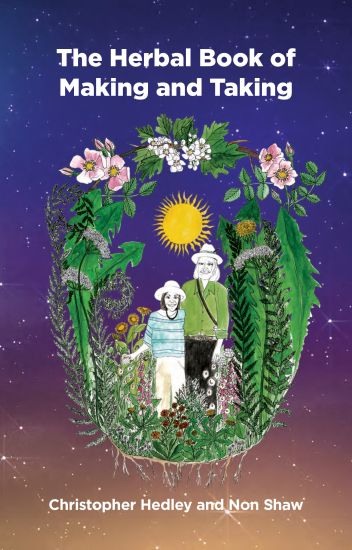
A Herbal Book of Making and Taking

A Herbal Book of Making and Taking

Christopher Hedley; Non Shaw

Aeon Books
2019
pokkari
A distillation of years of experience and experimentation in a collection of essential wisdom for the aspiring herbalist. Put together by one of the most loved and respected teams in modern herbal medicine, Christopher Hedley and Non Shaw, this book is filled with clear, concise instructions and detailed recipes trialled over decades of practice. Originally intended as a teaching aid for herbal students, this is a comprehensive guide to the craft of medicine making for the modern herbalist. Including exercises and tasks for the interested student, the book covers everything from growing and harvesting herbs to using them in internal and external medicines. From infusions and tinctures to syrups, soups, and suppositories, this is a gift to future herbalists drawing on a lifetime of study.
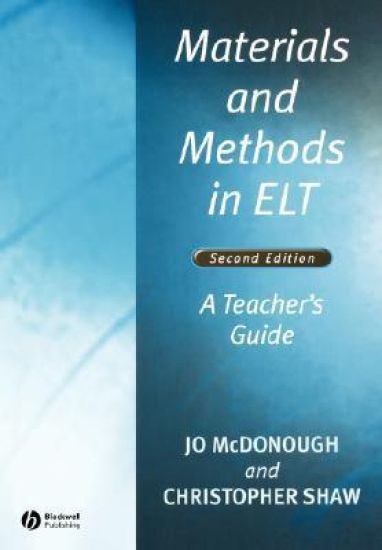
Materials and methods in elt - a teachers guide

Materials and methods in elt - a teachers guide

Christopher Shaw

Blackwell Publishers
2003
pokkari
Materials and Methods in ELT, Second Edition offers a comprehensive and practical introduction to central themes in the principles and practice of Teaching English as a Foreign/Second Language. Offers a comprehensive and practical introduction to central themes in the principles and practice of Teaching English as a Foreign/Second Language. Features a number of new sections, including task-based learning, the use of the internet, and teacher-research, as well as new samples from current teaching materials. Includes an appendix with a selected list of key websites for teachers and students. This second edition has been completely revised and updated.
The Two Degrees Dangerous Limit for Climate Change
This book is about the history, present and future of one the most important policy ideas of the modern era – that there is a single, global dangerous amount of climate change. That dangerous amount of climate change is imagined as two degrees centigrade of global warming above the pre-industrial average. Though the two degree idea is based on the value system of elite policy actors, it is been constructed in public discourses as scientific fact. This false representation of the concept undermines opportunities for positive public engagement with the climate policy debate, yet it is strong public engagement which is a recurring aspiration of climate policy discourses and is considered essential if climate mitigation strategies are to work.Alongside a critical analysis of how the idea of a single dangerous limit has shaped our understanding of what sort of problem climate change is, the book explains how the public have been kept out of that decision making process, the implications of this marginalisation for climate policy and why the dangerous limit idea is undermining our ability to mitigate climate change. The book concludes by exploring possibilities for a deliberation about the future of the two degree limit which allows for public participation in the decision making process. This book illustrates why, at this critical juncture in the climate policy debate, the two degree limit idea has failed to achieve any of the policy goals intended.This is the first book dedicated to questioning the issue of the two degree limit within a social science framework and should be of interest to students and scholars of environmental policy and politics, climate change communication, and science, technology and society studies.
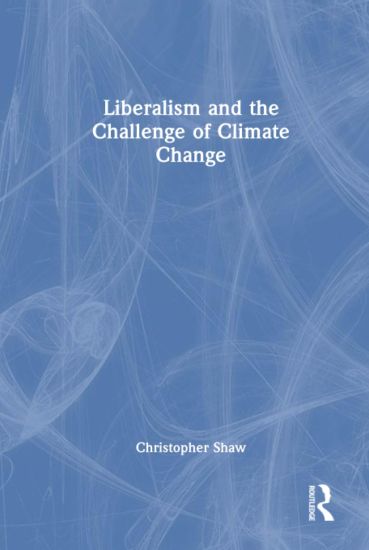
Liberalism and the Challenge of Climate Change

Liberalism and the Challenge of Climate Change

Christopher Shaw

TAYLOR FRANCIS LTD
2023
sidottu
In this book Christopher Shaw analyses how liberalism has shaped our understanding of climate change and how liberalism is legitimated in the face of a crisis for which liberalism has no answers.The language and symbolism we use to make sense of climate change arose in the post-World War II liberal institutions of the West. This language and symbolism, in neutralising the philosophical and ideological challenge climate change poses to the legitimacy of free market liberalism, has also closed off the possibility of imagining a different kind of future for humanity. The book is structured around a repurposing of the ‘guardrail’ concept, commonly used in climate science narratives to communicate the boundary between safe and dangerous climate change. Five discursive ‘guardrails’ are identified, which define a boundary between safe and dangerous ideas about how to respond to climate change. The theoretical treatment of these issues is complemented with data from interviews with opinion-formers, decision-makers and campaigners, exploring what models of human nature and political possibilities guide their approach to the politics of climate change governance.This book will be of great interest to students and scholars of climate change, liberal politics, environmental communication and environmental politics and philosophy, in general.
Liberalism and the Challenge of Climate Change

Liberalism and the Challenge of Climate Change

Christopher Shaw

TAYLOR FRANCIS LTD
2023
nidottu
In this book Christopher Shaw analyses how liberalism has shaped our understanding of climate change and how liberalism is legitimated in the face of a crisis for which liberalism has no answers.The language and symbolism we use to make sense of climate change arose in the post-World War II liberal institutions of the West. This language and symbolism, in neutralising the philosophical and ideological challenge climate change poses to the legitimacy of free market liberalism, has also closed off the possibility of imagining a different kind of future for humanity. The book is structured around a repurposing of the ‘guardrail’ concept, commonly used in climate science narratives to communicate the boundary between safe and dangerous climate change. Five discursive ‘guardrails’ are identified, which define a boundary between safe and dangerous ideas about how to respond to climate change. The theoretical treatment of these issues is complemented with data from interviews with opinion-formers, decision-makers and campaigners, exploring what models of human nature and political possibilities guide their approach to the politics of climate change governance.This book will be of great interest to students and scholars of climate change, liberal politics, environmental communication and environmental politics and philosophy, in general.