Kirjahaku
Etsi kirjoja tekijän nimen, kirjan nimen tai ISBN:n perusteella.
1000 tulosta hakusanalla Daniil Andrejev
Daniil Andrejev (1906-1959)oli suuri venäläinen runoilija ja näkijä, joka kärsi totalirismin aikana tuomion Vladimirin vankilassa. Siellä hän loi Ihmiskunnalle pyhittämänsä teokset, myös suurteoksensa Rauhan Ruusun, Roza Miran. Teoksen keskeinen näkemys on, että luonto on elävä, maailmankaikkeus koostuu lukemattomista eriaineellisista kerrostumista. Teoksessaan Andrejev mahdollisimman tarkasti pyrkii välittämään lukijoilleen kaiken, mikä hänelle avautui, mitä hänen annettiin tietää: - Kuka ohjaa maapallon historiaa - Mitkä voimat keskenään taistellen valmistelevat ihmisten ja valtioiden kohtaloita? - Mitkä voimat kohtaloita luovat; keiden käsissä ovat langat, joilla ihmismarionetteja liikutellaan? - Keiden työrukkasia olivat maailman hurmekenttien sankarit Napoleon, Lenin Stalin ja Hitler?
Sudba Daniila Leonidovicha Andreeva (1906-1959) - poeta i myslitelja, syna vydajuschegosja russkogo pisatelja Leonida Andreeva, vmestila vse tragicheskie sobytija otechestvennoj istorii pervoj poloviny XX veka. Kniga, izdajuschajasja k 115-letiju so dnja rozhdenija Daniila Andreeva, osnovana na arkhive poeta i ego vdovy, vospominanijakh druzej i sovremennikov, pismakh, protokolakh doprosov i drugikh dokumentalnykh istochnikakh i vossozdaet podrobnosti ego biografii, rasskazyvaet ob istokakh ego mirooschuschenija, neotryvnogo ot traditsij russkoj i mirovoj kultury, o kharaktere ego misticheskikh ozarenij.
Zhiznestroitel'naya Kontseptsiya Daniila Andreeva.
Dashevskaya Ol'ga
LAP Lambert Academic Publishing
2011
pokkari
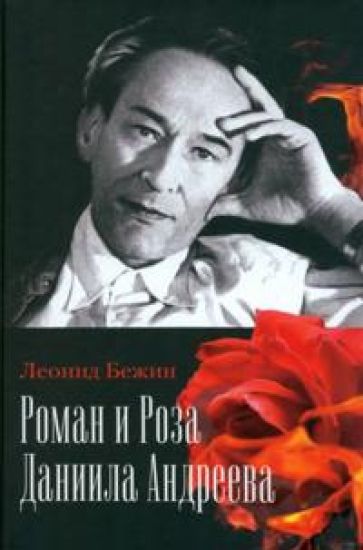
Roman i Roza Daniila Andreeva. Zapiski stranstvujuschego entuziasta
Leonid Bezhin
Eterna
2024
sidottu
"Ja popytalsja po mere svoikh sil objasnit, rastolkovat chitatelju, chto zhe takoe "Roza" - eta strannaja russkaja kniga, grandioznyj svod vsevozmozhnykh svedenij o potustoronnikh mirakh. Kakovy ee glavnye idei, struktura, osnovnye ponjatija. Nakonets. esli komu-to kazhetsja strannym jazyk etoj knigi, to ja postarajus pokazat, chto on ne vyduman, ne sozdan iskusstvenno, a chutkim ukhom rasslyshan, ulovlen - snjat s golosa nevedomykh sobesednikov, kak snimajut tok s nevidimykh provodov". L. E. Bezhin
Oblaskannye kritikoj i literaturnymi premijami za pervyj roman "Leto po Daniilu Andreevichu" Natalija Kurchatova i Ksenija Venglinskaja predlagajut novyj roman, dejstvie kotorogo svjazano s pervoj knigoj, razvivaet i prodolzhaet ejo temy, vozvraschaet chitatelja k ljubimym gerojam. Po slovam izvestnogo kritika Galiny Juzefovich "Realnost ikh romana vkljuchaet v sebja mnozhestvo slojov: bytopisatelstvo sochetaetsja v njom s mrachnoj antiutopiej, proniknovennaja lirika - s sotsialnoj satiroj. Dostovernyj, uznavaemyj mir peterburgskoj molodjozhi so shkolnymi ekzamenami i modnymi barami, junosheskimi vljubljonnostjami i letnimi puteshestvijami na stranitsakh "Leta..." razvorachivaetsja k chitatelju svoej neozhidannoj granju".Kniga vypuschena v originalnom oformlenii-perevjortyshe.
The Journal for Star Wisdom 2012 is a special edition that addresses directly the challenges facing humanity in our time. It includes articles of interest on star wisdom (Astrosophy), as well as a guide to the correspondences between stellar configurations during the life of Christ and those of today. This guide comprises a complete sidereal ephemeris of geocentric and heliocentric planetary positions and an aspectarian for each day through the year. Published yearly, new editions are available beginning in October or November for the coming year. According to Rudolf Steiner, every step taken by Christ during his ministry between the baptism in the Jordan and the resurrection was in harmony with-and an expression of-the cosmos. Journal for Star Wisdom is concerned with the heavenly correspondences during the life of Christ and is intended to help provide a foundation for Cosmic Christianity's cosmic dimension, which has been largely absent from mainstream Christianity during its two-millennium history. Readers are invited to contemplate the current movements of the Sun, Moon, and planets against the background of the zodiacal constellations (sidereal signs) in relation to corresponding stellar events during the life of Christ. In this way, it becomes possible to open oneself to attune to the life of Christ in the etheric cosmos. The main focus of this year's journal is the significant year of 2012 as a pivotal year in the history of humanity and the Earth.
Journal for Star Wisdom 2011 includes articles of interest concerning star wisdom (Astrosophy), as well as a guide to the correspondences between stellar configurations during the life of Christ and those of today. This guide comprises a complete sidereal ephemeris and aspectarian, geocentric and heliocentric, for each day throughout the year. Published yearly, new editions are available beginning in November for the coming new year. According to Rudolf Steiner, every step taken by Christ during his ministry between the baptism in the Jordan and the resurrection was in harmony with-and an expression of-the cosmos. The Journal for Star Wisdom is concerned with these heavenly correspondences during the life of Christ. It is intended to help provide a foundation for cosmic Christianity, the cosmic dimension of Christianity. It is this dimension that has been missing from Christianity in its two-thousand-year history. Readers can begin on this path by contemplating the movements of the Sun, Moon, and planets against the background of the zodiacal constellations (sidereal signs) today in relation to corresponding stellar events during the life of Christ. In this way, the possibility is opened for attuning, in a living way, to the life of Christ in the etheric cosmos. Daniel AndreevThe 2011 Journal for Star Wisdom begins with a special extract from The Rose of the World by Daniel Andreev, as well as an extract from volume three of the original Rosa Mira: Rose of the World-"The Preparation of Human Beings for the Coming Antilogos"-translated and published for the first time in English. This article is of special interest to those who wish to understand better the impending incarnation of Ahriman, the Antichrist. The main focus of this year's journal is the significant year of 2012, with 2011 as a stepping stone to this pivotal year in the history of humanity and the Earth. Apart from articles by David Tresemer and Robert Powell more directly concerning 2012, William Bento's article offers important perspectives on the theme of prophecy-its meaning and significance for modern human beings. Kevin Dann's article highlights the Christ rhythm of 33 1/3 years in the biography of Henry David Thoreau and in the history of the United States. Brian Gray's article looks at the Moon Node rhythm of 18 years 7 months in Rudolf Steiner's life, especially in relation to Steiner's artistic activity, which, according to Brian's interpretation, is indicated in Steiner's horoscope of birth. David Tresemer's second article offers deep insights into the qualities of certain degrees of the zodiacal signs. The monthly commentaries by Claudia McLaren Lainson and David Tresemer are supported by monthly astronomical previews provided by Sally Nurney and offer profound insights into the meaning of stellar configurations during the year 2011.
The Legend Of Dragon Quest
Daniel Andreyev; Mehdi El Kanafi; Mehdi El Kanafi
Third Editions
2018
sidottu
Dragon Quest is an historical japanese role playing game series. It is so well-knowned and cherished that a memorial was built in the city of Sumoto, birthplace of the series' legendary creator, Yuji Horii. But Dragon Quest is more than a simple J-RPG. Journalist for twenty years, the author Daniel Andreyev invites you to discover the series through a new angle, as a major cultural phenomenon which influenced many Japaneses across generations. With the guidance of his own knowledge of the japanese culture and the video game industry, Daniel Andreyev wrote an unique and personal analysis of the Dragon Quest series.
Written in a Stalin prison camp, Andreev explores future spiritual visions of the world.
Gränser: en antologi
Daniel Törnqvist; Haidar Kudhayer; Lovisa Prybil; Jo Alfredsson; Christopher Dwyer; Mattias Mächs; Toni Conrad; Hanna Hultén; Maria Bengta Larsson; Ida Larsson; Richard Krantz; Anna Wikström; Eugen Andreev; Nora Jonsson; Kamen Zlatev; Thelma Österlin Jansson; Julia Skott; Konrad Wahlberg; Lise Rust; Yrsa Keysendahl; Annie Källén; Mari Källman; Julia Nilsson; Jessica Karlén; Jonathan Ståhl; Johan Moninger
Dynamo - Möjligheternas Förlag
2016
nidottu
Vad innebär gränser? De som finns inom oss och de som finns utanför? I mötet med människor och omvärlden? I antologin Gränser har 32 unga röster fått tolka temat fritt genom dikter, illustrationer, noveller och berättelser. Möt modern och dottern i deras dispyt om förändringarna därute, gråheten och människorna utanför Ica-butiken. Möt damen i den röda kappan som slängde mobiltelefonen i papperskorgen. Mannen som sögs ner i golvbrunnen. Pojken med de högtflygande drömmarna som inte låter sig tyglas. Och mer ändå. "Jag vill flyga långt bort Långt bort dit smärtan inte når mig till ett land utan krav Ett land utan måsten Någonstans finns en plats för mig En plats där kroppen känns lätt En plats där jag får vara jag Kanske är det bara ett litet hörn Men det kommer vara mitt hörn" "Tänkandet är gränsen. Människan har en gräns. Människan är en gräns. Jag vet ingenting om evighet. Det finns en gräns för vad jag kan veta. Den gränsen är jag. Jag är en gräns. Jag är mina egna begränsningars gränser." Dynamo - Möjligheternas Förlag, är ett arvsfondsfinansierat projekt initierat av Demokratipiloterna och drivs till stor del av kreativa och unga människor med sociala eller psykiska funktionsuppsättningar. Gränser är förlagets första bok.
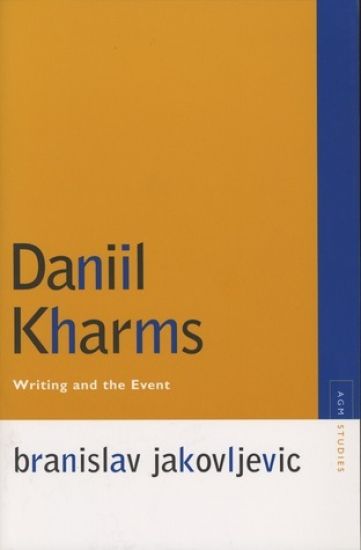
Daniil Kharms
Northwestern University Press
2009
sidottu
The 'texts' of Russian artist and thinker Daniil Kharms (1905-1942) were so many and varied and often unique (narrative, dramatic, philosophical, poetic, mathematical, pictographic, diagrammatic, musical, biographical) that they defied categorization - and, thus, thorough study or appreciation - through much of the twentieth century. This book, the first in English to view Kharms' oeuvre in its entirety, is also the first to offer a complete, inclusive, and coherent understanding of the overall project of this artist and writer now considered a major figure in the modernist canon of Europe. The book follows Kharms' development as a creative thinker, inquiring into the nature of Kharmsian nonsense, the ontological status of the OBERIU object, writing as performance, Kharms' gestural language, his 'language machines', and his ideas of order, number, infinity, and chance. Reading every paper trace (as well as extant memories) of Kharms' activities as part of a large project of world creation, Branislav Jakovljevic situates him in a twentieth-century effort - exemplified by Kafka, Beckett, Artaud, Malevich, and Khelbnikov, among others - to go beyond an interpretation of meaning circumscribed by rational and logical thought. Examining texts that could conceivably be called 'literary' as well as sketches, diagrams, hieroglyphs, photographs, and unclassifiable others, Jakovljevic's study is the first to provide a properly broad perspective on this creative thinker's far-ranging, far-reaching, and finally comprehensive achievement.
Daniil Kharms
Northwestern University Press
2009
nidottu
The 'texts' of Russian artist and thinker Daniil Kharms (1905-1942) were so many and varied and often unique (narrative, dramatic, philosophical, poetic, mathematical, pictographic, diagrammatic, musical, biographical) that they defied categorization - and, thus, thorough study or appreciation - through much of the twentieth century. This book, the first in English to view Kharms' oeuvre in its entirety, is also the first to offer a complete, inclusive, and coherent understanding of the overall project of this artist and writer now considered a major figure in the modernist canon of Europe. The book follows Kharms' development as a creative thinker, inquiring into the nature of Kharmsian nonsense, the ontological status of the OBERIU object, writing as performance, Kharms' gestural language, his 'language machines', and his ideas of order, number, infinity, and chance. Reading every paper trace (as well as extant memories) of Kharms' activities as part of a large project of world creation, Branislav Jakovljevic situates him in a twentieth-century effort - exemplified by Kafka, Beckett, Artaud, Malevich, and Khelbnikov, among others - to go beyond an interpretation of meaning circumscribed by rational and logical thought. Examining texts that could conceivably be called 'literary' as well as sketches, diagrams, hieroglyphs, photographs, and unclassifiable others, Jakovljevic's study is the first to provide a properly broad perspective on this creative thinker's farranging, far-reaching, and finally comprehensive achievement.
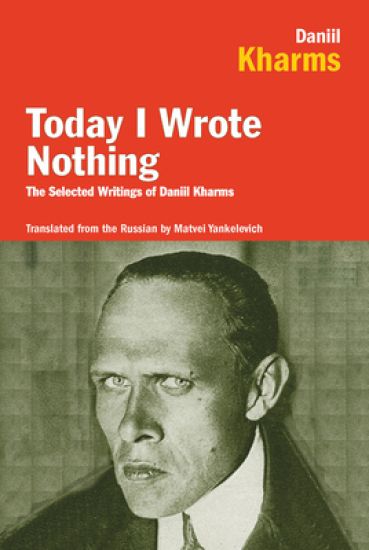
Today I Wrote Nothing: The Selected Writings of Daniil Kharms
Daniil Kharms
Overlook Press
2009
nidottu
A major contribution for American readers and students of Russian literature and an exciting discovery for fans of contemporary writers as eclectic as George Saunders, John Ashbery, and Martin McDonagh, Today I Wrote Nothing: The Selected Writings of Daniil Kharms is an invaluable collection for readers of innovative writing everywhere. Featuring the acclaimed novella The Old Woman and darkly humorous short prose sequence "Events (Sluchai)," Today I Wrote Nothing also includes dozens of short prose pieces, plays, and poems long admired in Russia, but never before available in English. Daniil Kharms has long been heralded as one of the most iconoclastic writers of the Soviet era, but the full breadth of his achievement only followed the opening of Kharms's archives being recognized internationally. In this brilliant translation by Matvei Yankelevich, English-language readers now have a comprehensive collection of the prose and poetry that secured Kharms's literary reputation a reputation that grew in Russia even as the Soviet establishment worked to suppress it.
Die vorliegende Arbeit widmet sich der in bezug auf die russische Literatur wenig erforschten kulturellen Metapher des 'Kindes' in ihrer literarischen Wirksamkeit, sei es in Kind-Figuren oder in sprachlich-perspektivischer Verkindlichung. Der erste Teil versucht, die Entwicklung des Werks von Daniil Charms (1905-1942) aus der formalen und funktionalen Verschiebung seines -Infantilismus- und seiner Kind-Bilder zu begreifen; ein eigenes Kapitel widmet sich der Frage nach einer 'erwachsenen' Lekture seiner Kindertexte. Der zweite Teil sammelt, in eher diskursanalytischer Absicht und im Ruckgriff auf die bei Charms festgestellten 'kindlichen' Elemente, Bruchstucke zu Typologie und Geschichte des Kind-Mythos in der russischen literarischen Moderne. Es kommen Texte von Autoren wie Pomjalovskij, Cechov, Belyj, Sologub, Remizov, Pasternak, der fruhen Futuristen und anderer zur Sprache; daneben werden auch theoretische Ansatze von Formalisten, von Cukovskij, Jakobson und Vygotskij diskutiert. Der Schlussteil stellt aufgrund von Kindlichkeitsparadigmen die Frage nach Charms' Lokalisierung zwischen Moderne, Avantgarde und Postmoderne und geht aus von einer 'Postmodernitat' wider Willen."
Daniil Medvedev. Portret unikalnogo tennisista
Bombora
2024
sidottu
Vozmutitel spokojstvija v mirovom tennise, sposobnyj kak na blestjaschie pobedy, tak i na skandalnye vykhodki. Tot, chi intervju na korte i v presse vzryvajut mirovye SMI, i tot, kogo v tennisnom seriale nespravedlivo vystavili besprintsipnym zlodeem. Obladatel burnogo temperamenta, kotoryj mozhet voevat s publikoj i pobezhdat vopreki jarostnomu antiboleniju mnogotysjachnykh tribun. Ljubjaschij muzh i otets, nastojaschij patriot Rossii, vsegda gotovyj zaschischat chest svoej strany. Lider otechestvennogo muzhskogo tennisa, pobeditel US Open i pjatikratnyj finalist turnirov Bolshogo Shlema, ne raz pobezhdavshij velichajshikh tennisistov sovremennosti... Eto vse o nem, o Daniile Medvedeve. I eta kniga tozhe o nem.
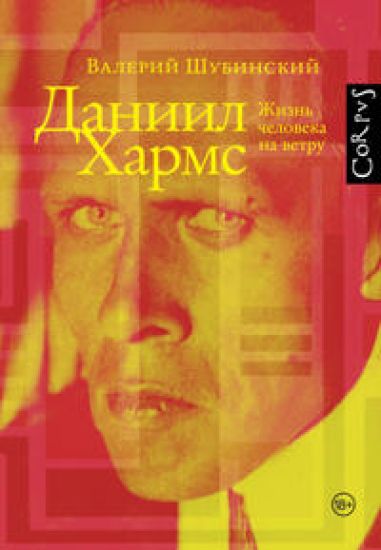
Daniil Kharms (Juvachev; 1905-1942) - odna iz kljuchevykh figur otechestvennoj slovesnosti proshlogo veka, krupnejshij predstavitel rossijskogo i mirovogo avangarda 1920-kh-1930-kh godov, izvestnyj detskij pisatel, chelovek, chi oblik i obraz zhizni rozhdali legendy i anekdoty. Biografija D. Kharmsa napisana na osnove ego sobstvennykh dnevnikov i zapisej, vospominanij blizkikh emu ljudej, a takzhe arkhivnykh materialov i soderzhit rjad novykh faktov, kasajuschikhsja pisatelja i ego semi. Gerojami knigi stali soratniki Kharmsa po OBERIU ("Obedinenie realnogo iskusstva") - Aleksandr Vvedenskij, Nikolaj Olejnikov i Nikolaj Zabolotskij i ego intellektualnye sobesedniki - filosofy Jakov Druskin i Leonid Lipavskij. Sredi bolee chem dvukh soten illjustratsij - vosproizvedenie risunkov, fotografij Kharmsa i ego sovremennikov. Mnogie unikalnye dokumenty Valerij Shubinskij opublikoval vpervye.
Medium songs. 115 Russian Folk Songs for voice and piano, collected by Daniil Kashin
Daniil Kashin
Lan, Planeta muzyki
2024
muu
Kompozitor, dirizher, pianist Daniil Nikitich Kashin (1770-1841) byl krepostnym krestjaninom Gavriila Ilicha Bibikova i poluchil volnuju v 1799 godu. V nasledii avtora - opery, romansy, khory, patrioticheskie marshi, fortepiannye proizvedenija. Osobuju tsennost dlja istorii otechestvennoj muzyki imeet ego dejatelnost po sobiraniju, aranzhirovke i populjarizatsii narodnoj pesni. 115 russkikh narodnykh pesen dlja penija i fortepiano byli izdany v trekh chastjakh. Dannyj sbornik soderzhit vtoruju chast, kotoruju sostavljajut poluprotjazhnye pesni. V pervoj chasti predstavleny protjazhnye pesni, v tretej - pljasovye i skorye pesni.Predislovie1. "Kak u nashikh u vorot stoit ozero vody"2."Skazhi, Dunjushka, skazhi, ljubushka!"3. "Siz golubchik, dusha moj"4. "Govoril-to mne serdechnyj drug"5. "Sloboda moja, ty, slobodushka!"6. "Akh, devitsa, krasavitsa"7. "Dolina, dolinushka"8. "Ochi moi, ochi, svet, jasnyja ochi"9. "Devushka krapivushku zhala"10. "Po goram, po goram"11. "Kak u nashego shirokago dvora"12. "Chernobrovyj, chernoglazyj"13. "Na gore, gore stojala korchma"14. "Mozhno l, vozmozhno l vo pechali zhit?"15. "Skazali pro molodtsa"16. "Eschjo vniz-to po reke bylo Kamyshenke"17. "Ne veljat Mashe na ulitsu khodit"18. "Chto ponizhe bylo goroda Saratova"19. "Ja pojdu li vdol po ulitse, poguljaju"20. "Vniz po matushke, po Volge"21. "Kak so vechera porosha vypadala"22. "Ja nigde druzhka ne vizhu"23. "Akh, talant li moj, talant takov"24. "Pomnish li menja, moj svet, v dalnej storone?" .25. "Skazhi, skazhi, moj milenkij"26. "Poluchil pismo ot devushki sejchas"27. "Chem tebja ja ogorchila?"28. "Kak na dubchike dva golubchika"29. "Ivushka, ivushka zeljonaja moja!"30. "Molodka, molodka molodaja"31. "Chto-to vo pole est za travushka?"32. "Akh, ty, sad li moj, sadochek"33. "Ja ne znala ni o chjom v svete tuzhit"34. "Akhti, matushka! Golova bolit!"35. "Kuda toshno mne, kuda grustno mne"36. "Belolitsa, kruglolitsa, krasnaja devitsa"37. "Khorosho tomu na svete zhit"38. "Ty, sudarushka, sudarushka moja"
Daniil Kharms glazami sovremennikov. Vospominanija. Dnevniki. Pisma
Vita Nova
2019
sidottu
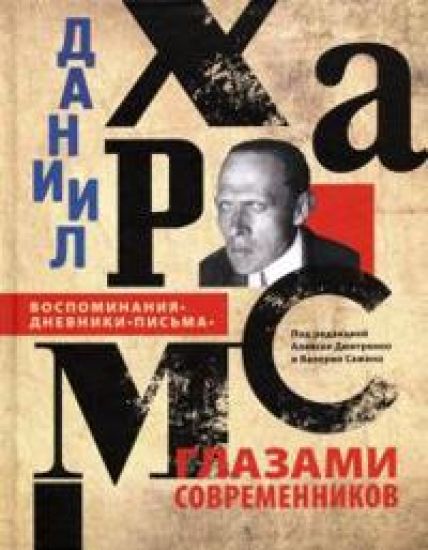
Daniil Ivanovich Kharms (1905-1942) javljaetsja znakovoj figuroj unikalnoj formatsii literaturnogo avangarda, suschestvovavshej v Leningrade v ochen trudnoe vremja dlja razvitija novejshikh techenij v iskusstve - vo vtoroj polovine 1920-kh i 1930-e gody. Kharms ne tolko sozdal porazitelnyj po svoemu svoeobraziju khudozhestvennyj mir, no byl organizatorom rjada tvorcheskikh obedinenij. Samym znamenitym ego proektom stalo OBERIU, khotja i prosuschestvovavshee vsego okolo dvukh s polovinoj let, no davshee imja dlja kharakteristiki tselogo literaturnogo napravlenija. Znachenie tvorchestva Kharmsa vykhodit daleko za ramki khudozhestvennogo eksperimenta svoej epokhi, ego proizvedenija okazali ogromnoe vlijanie na literaturu i teatr vtoroj poloviny XX veka i ostajutsja aktualnymi i vostrebovannymi po sej den.Glavnaja tsel nastojaschego izdanija - predstavit svoego roda putevoditel po zhizni i tvorchestvu Daniila Kharmsa. V knige sobrano bolee vosmidesjati tekstov. Eto vospominanija rodnykh, druzej i znakomykh Kharmsa, sozdannye v raznye gody, fragmenty ikh perepiski i dnevnikov, kharakterizujuschie jarkuju lichnost poeta. Mnogie materialy publikujutsja vpervye po arkhivnym istochnikam (vospominanija i pisma O. V. Rissa, M. V. Malich, Ja. S. Druskina, JI. A. Baranovoj, N. B. Shanko, G. Ja. Levashjovoj, A. V. Razumovskogo i dr.), nekotorye zapisany spetsialno dlja nastojaschej knigi (A. G. Traugot, K. V. Gritsyn). Bolshinstvo drugikh tekstov ranee byli vosproizvedeny v periodike ili v malotirazhnykh nauchnykh sbornikakh i nikogda ne vykhodili pod odnoj oblozhkoj. Izdanie vkljuchaet v sebja postranichnyj istoriko-literaturnyj kommentarij i annotirovannye ukazateli - upominaemykh lits, upominaemykh proizvedenij Kharmsa i predmetnyj ukazatel. Eti prilozhenija, sostavljajuschie pochti tret obema knigi, sozdany spetsialno dlja nastojaschego izdanija. Unikalnyj illjustratsionnyj rjad sostavljajut bolee 450 fotografij, risunkov, pechatnykh izdanij i dokumentov, mnogie iz kotorykh vosproizvodjatsja vpervye. Bogato predstavlena ikonografija Daniila Kharmsa.Redaktor: Dmitrenko Aleksej, Sazhin Valerij