Are you looking to make money? This book shows how we went from poverty level to upper level in just a year. You can do the same. If you are looking for a way to make money this opportunity may be for you. Check out our step my step program at outoftheboxmarketing.com
Security cooperation is an important mission of the U.S. Air Force. This report reviews two core Air Force decisionmaking processes--the strategy, planning, and programming process and the concept development and acquisition process--to determine the extent to which decisionmakers consider security cooperation impact and to recommend ways to make such considerations systematic and explicit.
The accelerated proliferation of legislative authorities for the Department of Defense (DoD) after September 11, 2001, has created an increasingly unwieldy catalog of security cooperation statutes, which have generated challenges in DoD planning and execution for engagement with foreign partners. This report develops a framework and options to streamline this patchwork of authorities that the DoD employs in security cooperation.
*Includes pictures of each leader, and important people, places, and events in their life. *Includes an original introduction for each leader. *Includes a bibliography for each leader. Despite the fact that the Civil War began over 150 years ago, it remains one of the most widely discussed topics in America today, with Americans arguing over its causes, reenacting its famous battles, and debating which general was better than others. Americans continue to be fascinated by the Civil War icons who made the difference between victory and defeat in the war's great battles, as well as the presidents who oversaw them. The Confederacy and its leaders continue to be the most popular topics of Civil War history, as historians attempt to analyze exactly why they lost, and how to attribute blame and success to its leaders. Foremost among the South's leaders were President Jefferson Davis and his two most popular and successful generals, Robert E. Lee and Stonewall Jackson. Jefferson Davis (1808-1889) holds a unique place in American history, as the man best remembered for being the president of the Confederacy during the Civil War. While other famous Confederates like Robert E. Lee and Stonewall Jackson are still celebrated across the reunited country, Davis continues to be the object of scorn, derided over his attempt to flee after the Civil War and criticized as ineffective by historians. Among the Confederates still lauded by today's Southerners, Davis is well down the list. With the exception of George Washington, perhaps the most famous general in American history is Robert E. Lee (January 19, 1807 - October 12, 1870), despite the fact he led the Confederate Army of Northern Virginia against the Union in the Civil War. As the son of U.S. Revolutionary War hero Henry "Light Horse Harry" Lee III, and a relative of Martha Custis Washington, Lee was imbued with a strong sense of honor and duty from the beginning. And as a top graduate of West Point, Lee had distinguished himself so well before the Civil War that President Lincoln asked him to command the entire Union Army. Lee famously declined, serving his home state of Virginia instead after it seceded. Thomas Jonathan Jackson is one of the most famous generals of the Civil War, but many of the people he continues to fascinate probably don't remember his whole name. That's because Jackson earned his famous "Stonewall" moniker at the First Battle of Manassas or Bull Run, when Brigadier-General Bee told his brigade to rally behind Jackson, whose men were standing like a stone wall. Ironically, it's still unclear whether that was a compliment for standing strong or an insult for not moving his brigade, but the nickname stuck for the brigade and the general itself. The Leaders of the Confederacy: The Lives and Legacies of Jefferson Davis, Robert E. Lee, and Stonewall Jackson analyzes the lives of these three leaders, covering their career and examining their legacies. Along with pictures of the three men, and important people, places, and events in their lives, you will learn about the Leaders of the Confederacy like you never have before, in no time at all.
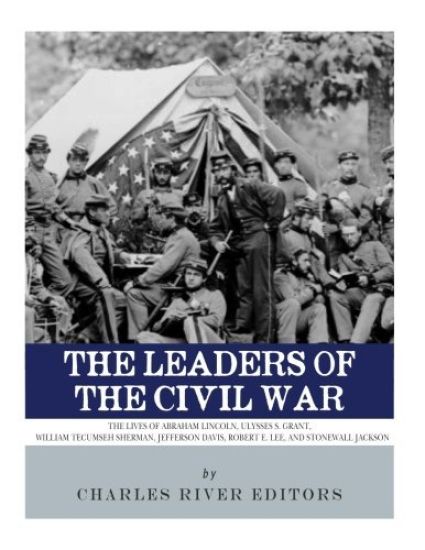
*Includes pictures of important people, places, and events. *Includes an original introduction for each leader. *Includes a bibliography for each leader. Despite the fact that the Civil War began over 150 years ago, it remains one of the most widely discussed topics in America today, with Americans arguing over its causes, reenacting its famous battles, and debating which general was better than others. Americans continue to be fascinated by the Civil War leaders who made the difference between victory and defeat. Abraham Lincoln (1809-1865) is one of the most famous Americans in history and one of the country's most revered presidents. Schoolchildren can recite the life story of Lincoln, the "Westerner" who educated himself and became a self made man, rising from lawyer to leader of the new Republican Party before becoming the 16th President of the United States. Lincoln successfully navigated the Union through the Civil War but didn't live to witness his crowning achievement, becoming the first president assassinated when he was shot at Ford's Theater by John Wilkes Booth on April 14, 1865. In the 19th century, one of the surest ways to rise to prominence in American society was to be a war hero, like Andrew Jackson and William Henry Harrison. But few would have predicted such a destiny for Hiram Ulysses Grant, who had been a career soldier with little experience in combat and a failed businessman when the Civil War broke out in 1861. William Tecumseh Sherman (February 8, 1820 - February 14, 1891) holds a unique position in American history. Synonymous with barbarity in the South, Sherman is lauded as a war hero in the North, and modern historians consider him the harbinger of total war. As a General in the Union Army during the American Civil War (1861-65), Sherman was recognized for his outstanding command of military strategy but criticized for the harshness of the "scorched earth" policies that he implemented in conducting total war against the Confederate States, especially in 1864 and 1865. Military historian B. H. Liddell Hart famously declared that Sherman was "the first modern general." Jefferson Davis (1808-1889) holds a unique place in American history, as the man best remembered for being the president of the Confederacy during the Civil War. While other famous Confederates like Robert E. Lee and Stonewall Jackson are still celebrated across the reunited country, Davis continues to be the object of scorn, derided over his attempt to flee after the Civil War and criticized as ineffective by historians. Among the Confederates still lauded by today's Southerners, Davis is well down the list. With the exception of George Washington, perhaps the most famous general in American history is Robert E. Lee (January 19, 1807 - October 12, 1870), despite the fact he led the Confederate Army of Northern Virginia against the Union in the Civil War. As the son of U.S. Revolutionary War hero Henry "Light Horse Harry" Lee III, and a relative of Martha Custis Washington, Lee was imbued with a strong sense of honor and duty from the beginning. And as a top graduate of West Point, Lee had distinguished himself so well before the Civil War that President Lincoln asked him to command the entire Union Army. Lee famously declined, serving his home state of Virginia instead after it seceded. Thomas Jonathan Jackson is one of the most famous generals of the Civil War, but many of the people he continues to fascinate probably don't remember his whole name. That's because Jackson earned his famous "Stonewall" moniker at the First Battle of Manassas or Bull Run, when Brigadier-General Bee told his brigade to rally behind Jackson, whose men were standing like a stone wall. Ironically, it's still unclear whether that was a compliment for standing strong or an insult for not moving his brigade, but the nickname stuck for the brigade and the general itself.
*Includes pictures of important people, places, and events. *Includes an original introduction for each leader. *Includes a bibliography for each leader. Despite the fact that the Civil War began over 150 years ago, it remains one of the most widely discussed topics in America today, with Americans arguing over its causes, reenacting its famous battles, and debating which general was better than others. Americans continue to be fascinated by the Civil War leaders who made the difference between victory and defeat. Abraham Lincoln (1809-1865) is one of the most famous Americans in history and one of the country's most revered presidents. Schoolchildren can recite the life story of Lincoln, the "Westerner" who educated himself and became a self made man, rising from lawyer to leader of the new Republican Party before becoming the 16th President of the United States. Lincoln successfully navigated the Union through the Civil War but didn't live to witness his crowning achievement, becoming the first president assassinated when he was shot at Ford's Theater by John Wilkes Booth on April 14, 1865. In the 19th century, one of the surest ways to rise to prominence in American society was to be a war hero, like Andrew Jackson and William Henry Harrison. But few would have predicted such a destiny for Hiram Ulysses Grant, who had been a career soldier with little experience in combat and a failed businessman when the Civil War broke out in 1861. William Tecumseh Sherman (February 8, 1820 - February 14, 1891) holds a unique position in American history. Synonymous with barbarity in the South, Sherman is lauded as a war hero in the North, and modern historians consider him the harbinger of total war. As a General in the Union Army during the American Civil War (1861-65), Sherman was recognized for his outstanding command of military strategy but criticized for the harshness of the "scorched earth" policies that he implemented in conducting total war against the Confederate States, especially in 1864 and 1865. Military historian B. H. Liddell Hart famously declared that Sherman was "the first modern general." Jefferson Davis (1808-1889) holds a unique place in American history, as the man best remembered for being the president of the Confederacy during the Civil War. While other famous Confederates like Robert E. Lee and Stonewall Jackson are still celebrated across the reunited country, Davis continues to be the object of scorn, derided over his attempt to flee after the Civil War and criticized as ineffective by historians. Among the Confederates still lauded by today's Southerners, Davis is well down the list. With the exception of George Washington, perhaps the most famous general in American history is Robert E. Lee (January 19, 1807 - October 12, 1870), despite the fact he led the Confederate Army of Northern Virginia against the Union in the Civil War. As the son of U.S. Revolutionary War hero Henry "Light Horse Harry" Lee III, and a relative of Martha Custis Washington, Lee was imbued with a strong sense of honor and duty from the beginning. And as a top graduate of West Point, Lee had distinguished himself so well before the Civil War that President Lincoln asked him to command the entire Union Army. Lee famously declined, serving his home state of Virginia instead after it seceded. Thomas Jonathan Jackson is one of the most famous generals of the Civil War, but many of the people he continues to fascinate probably don't remember his whole name. That's because Jackson earned his famous "Stonewall" moniker at the First Battle of Manassas or Bull Run, when Brigadier-General Bee told his brigade to rally behind Jackson, whose men were standing like a stone wall. Ironically, it's still unclear whether that was a compliment for standing strong or an insult for not moving his brigade, but the nickname stuck for the brigade and the general itself.
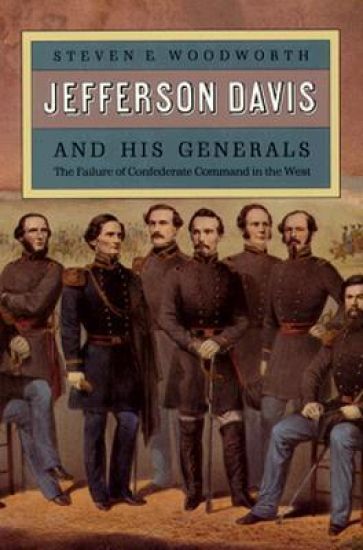
Jefferson Davis is a historical figure who provokes strong passions among scholars. Through the years historians have place him at both ends of the spectrum: some have portrayed him as a hero, others have judged him incompetent. In ""Jefferson Davis and his Generals"", Steven Woodworth aims to show that both extremes are accurate - Davis was both heroic and incompetent. Yet neither viewpoint reveals the whole truth about this complicated figure. Woodworth's portrait of Davis reveals an experienced, talented, and courageous leader who, nevertheless, undermined the Confederacy's cause in the trans-Appalachian west, where the South lost the war.
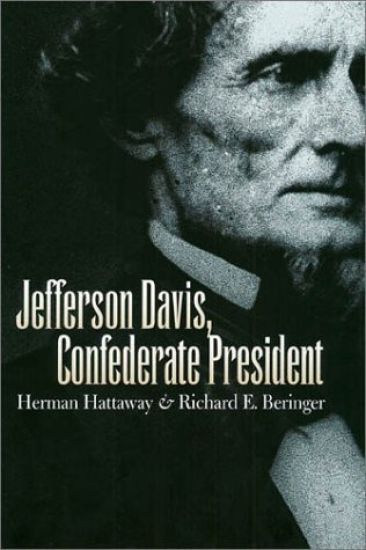
He was one of the most embattled heads of state in American history. Charged with building a new nation while waging a war for its very independence, he accepted his responsibilities reluctantly but carried them out with a fierce dedication to his ideals. Those efforts ultimately foundered on the shoals of Confederate defeat, leaving Davis stranded in public memory as both valiant leader and desolate loser. Now two renowned Civil War historians take a new and closer look at Davis's presidency. In the process, they provide a clearer image of his leadership and ability to handle domestic, diplomatic, and military matters under the most trying circumstances - without the considerable industrial and population resources of the North and without the formal recognition of other nations. Hattaway and Beringer show us a man so respected that northern colleagues regretted his departure from the U.S. Senate, but so bent on Southern independence he was willing to impose unthinkable burdens on his citizens - an apologist for slavery who was committed to state rights, even while growing nationalism in his new country called for a stronger central government. In assessing Davis's actual administration of the Confederate state, the authors analyze the Confederate government's constitution, institutions, infrastructure, and cabinet-level administrators. They also integrate events of Davis's presidency with the ongoing war as it encroached upon the South, offering a panoramic view of military strategy as seen from the president's office. They tell how Davis reacted to the outcomes of key battles and campaigns in order to assess his leadership abilities, his relations with civilian and military authorities, and - his own personal competency notwithstanding - his poor judgment in selecting generals. Rich in detail and exhilaratingly told with generous selections from Davis's own letters and speeches, Hattaway and Beringer provide the most insightful account available of the Confederate presidency - suggesting that perhaps it was the Confederate government, rather than Davis himself, that failed. More than that, it shows us Davis as an American leader and offers a new appreciation of his place in our country's history.
He was one of the most embattled heads of state in American history. Charged with building a new nation while waging a war for its very independence, he accepted his responsibilities reluctantly but carried them out with a fierce dedication to his ideals. Those efforts ultimately foundered on the shoals of Confederate defeat, leaving Davis stranded in public memory as both valiant leader and desolate loser.Now two renowned Civil War historians, Herman Hattaway and Richard Beringer, take a new and closer look at Davis's presidency. In the process, they provide a clearer image of his leadership and ability to handle domestic, diplomatic, and military matters under the most trying circumstances-without the considerable industrial and population resources of the North and without the formal recognition of other nations.Hattaway and Beringer examine Davis's strengths and weaknesses as president in light of both traditional evidence and current theories of presidential leadership. They show us a man so respected that northern colleagues regretted his departure from the U.S. Senate, but so bent on Southern independence he was willing to impose unthinkable burdens on his citizens-an apologist for slavery who was committed to state rights, even while growing nationalism in his new country called for a stronger central government.In assessing Davis's actual administration of the Confederate state, the authors analyze the Confederate government's constitution, institutions, infrastructure, and cabinet-level administrators. They also integrate events of Davis's presidency with the ongoing war as it encroached upon the South, offering a panoramic view of military strategy as seen from the president's office. They tell how Davis reacted to the outcomes of key battles and campaigns in order to assess his leadership abilities, his relations with civilian and military authorities, and—his own personal competency notwithstanding—his poor judgment in selecting generals.Rich in detail and exhilaratingly told with generous selections from Davis's own letters and speeches, Hattaway and Beringer provide the most insightful account available of the first and only Confederate presidency-suggesting that perhaps it was the Confederate government, rather than Davis himself, that failed. More than that, it shows us Jefferson Davis as an American leader and offers a new appreciation of his place in our country's history.
Pharmacogenetics, Kinetics, and Dynamics for Personalized Medicine provides a primer to understand pharmacogenetics (the study of genetic factors that influence how a drug works) in the applied context of pharmacokinetics (how the body handles a drug) and pharmacodynamics (the effects of a drug on the body). This valuable foundation illuminates how these principles and scientific advances can create optimal individual patient care, that is, "personalized medicine." Through specific drug examples, this resource explores how the genetic constitution of an individual may lead to the need for an altered dose or in some cases alternative drug therapy. Real-world cases highlight the specific relationships between genetics, drug action, and the body's response as well as adverse drug reactions, altered metabolism, and drug efficacy. Ethical issues concerning pharmacogenomics and study design are also discussed in this concise overview.
Kristin Hales; Jeferson Lourenco; Darren S. Seidel; Osman Yasir Koyun; Dylan Davis; Christina Welch; James E. Wells; Todd Callaway; Michael Blümmel; A. Muller; C. Schader; Mario Herrero; M. R. Garg; David M. E. Poulsen; Scott Staggenborg; Hui Shen; Justin Fowler
This specially curated collection features five reviews of current and key research on crops as livestock feed.The first chapter reviews the impact of feeding ruminants cereal grains on animal physiology and health. The chapter explores the use of starch-containing cereal grains as a feedstuff to improve animal efficiency and performance, as well as to reduce the environmental footprint of ruminant animal production.The second chapter discusses key environmental trade-offs in the use of crops as livestock feed. It reviews key elements in trade-off analysis and explores opportunities for making better use of existing feed resources and producing more feed biomass of higher fodder quality.The third chapter reviews ways of optimising the use of barley for animal feed, from production and breeding through to the application of new technologies such as near infrared spectroscopy and molecular markers.The fourth chapter reviews the use of sorghum as an important source of fodder and forage. It reviews the different types of sorghum used for forage and other applications, and then provides a detailed discussion of the use of forage sorghum as feed for ruminants.The final chapter discusses the use of soybean meal (SBM) as an animal feed. It assesses the nutritional content of SBM, as well dealing with its anti-nutritive compounds in optimising its use.
An essential resource for those interested in multicultural issues, this dictionary presents common terms used in multicultural counseling and research. The terms are not only denotatively defined, but connotations are also included, as well as historical information and important writings about the terms. The dictionary is thus not only a straightforward compendium of definitions, but also a resource for further investigation.This is intended to be a resource for those interested in the area of multiculturalism. Important publications investigating and/or explicating these terms are also discussed and referenced. Moreover, authors define these terms with a point of view; many terms are defined in a manner that connects them with perspectives commonly expressed by scholars and practitioners in the field. Thus, connotations are included as well as denotations of the terms.