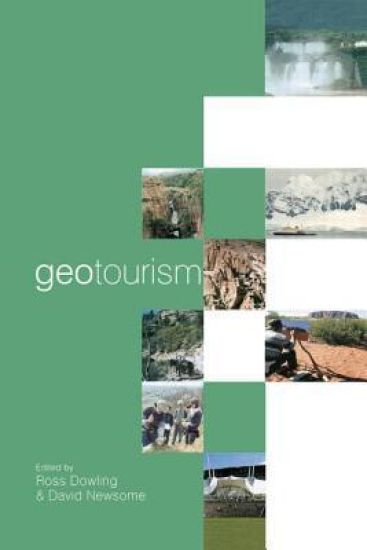
Geotourism is tourism surroounding geological attractions and destinations. This unique text uses a wealth of case studies to discuss the issues involved in the management and care of such attractions, covering topics such as sustainability, impacts and environmental issues.Geotourism: Sustainability, impacts and management leads the reader logically through the process, covering both the theories involved and the practicalities of managing such 'environmentally precious' attractions.
When did the Victorians come to regard themselves as "Victorians" and to use that term to describe the period in which they were living? David Newsome's monumental history takes a good, long look at the Victorian age and what distinguishes it so prominently in the history of both England and the world. The Victorian World Picture presents a vivid canvas of the Victorians as they saw themselves and as the rest of the world saw them.The Victorian era was a time of unprecedented population growth and massive industrialization. Darwinian theory shook people's religious beliefs and foreign competition threatened industry and agriculture. The transformation of this nineteenth-century world was overhwelming, pervading the social, cultural, intellectual, economic, and political spheres. By the time of the Great Exhibition in 1851, the British were calling themselves Victorians and Prince Albert was able to proclaim, "We are living at a period of most wonderful transition." David Newsome weaves all these strands of Victorian life into a compelling evocation of the spirit of a fascinating time that laid the foundation for the modern age.
Mary Francis Luton, my mother and the backbone of the Newsomes and Roundtrees in Toledo, Ohio, was born in Albany, Georgia, and passed in Toledo, Ohio. This is a condensed version of her journey.
A collection of nine articles and lectures, many previously unpublished, written by the renowned social and ecclesiastical historian, David Newsome. This collection has the linking theme of studying history through a 'mosaic of vignette-studies', and includes articles on John Henry Newman, Thomas Arnold and Samuel Wilberforce as well as more general themes such as the emotive style of Victorian writing and the value of Charles Dickens to an historian.
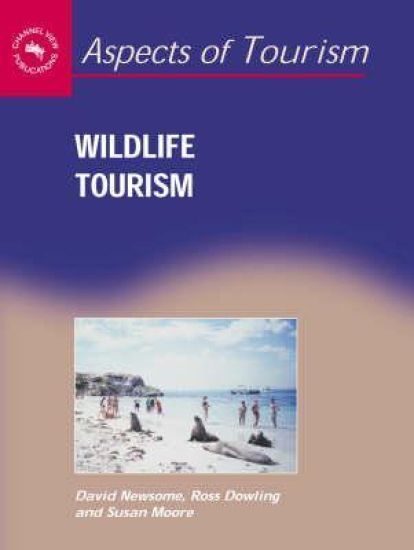
This book is a landmark contribution to the rapidly growing field of wildlife tourism, especially in regard to its underpinning foundations of science, conservation and policy. Written by a number of environmental and biological scientists it explains the synergy between wildlife and tourism by drawing on their global experiences.
This book is a landmark contribution to the rapidly growing field of wildlife tourism, especially in regard to its underpinning foundations of science, conservation and policy. Written by a number of environmental and biological scientists it explains the synergy between wildlife and tourism by drawing on their global experiences.
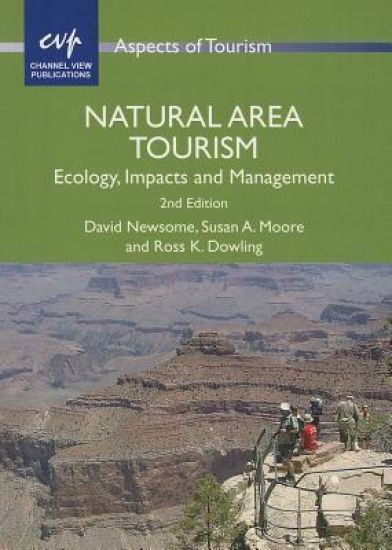
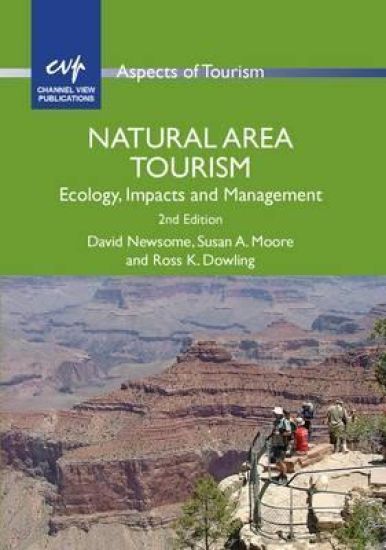
Natural Area Tourism provides a comprehensive description of tourism in natural areas allowing readers to understand the scope of, complexities arising from, and possibilities of undertaking successful tourism developments in natural areas. Furthermore, the second edition contains an overview of recent developments, such as mountain biking, adventure activities in protected areas and geotourism. There is new content and examples from the Asian region on managing the tourism industry and management effectiveness. The book also considers important new developments in monitoring, such as remote sensing and the use of GIS, as well as the use of electronic educational resources in delivering interpretation. Attention is given to the implications of climate change, inadequate protected area security and the ever-increasing influence of the landscape matrix. Moreover, the second edition includes a comprehensive review of the new literature that has emerged since the publication of the first edition more than a decade ago. Accordingly this book will remain an invaluable resource and account of natural area tourism for many years to come.
Natural Area Tourism provides a comprehensive description of tourism in natural areas allowing readers to understand the scope of, complexities arising from, and possibilities of undertaking successful tourism developments in natural areas. Furthermore, the second edition contains an overview of recent developments, such as mountain biking, adventure activities in protected areas and geotourism. There is new content and examples from the Asian region on managing the tourism industry and management effectiveness. The book also considers important new developments in monitoring, such as remote sensing and the use of GIS, as well as the use of electronic educational resources in delivering interpretation. Attention is given to the implications of climate change, inadequate protected area security and the ever-increasing influence of the landscape matrix. Moreover, the second edition includes a comprehensive review of the new literature that has emerged since the publication of the first edition more than a decade ago. Accordingly this book will remain an invaluable resource and account of natural area tourism for many years to come.
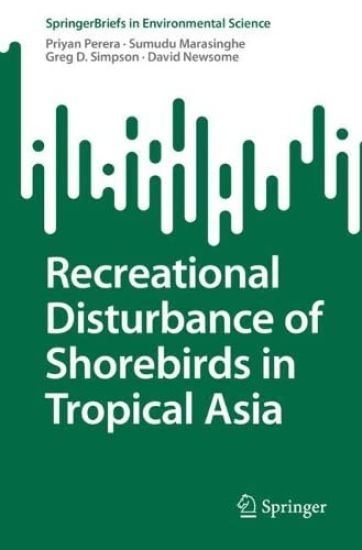
Much of that growing demand for coastal recreation and tourism has focused on countries in South and Southeast Asia in the tourism megaregion that this book refers to as Tropical Asia. As such, the recreational disturbance of shorebirds in Asia is a serious conservation issue, at a time when populations of both migratory and non-migratory species of shorebirds are threatened and declining because of the loss of coastal habitat and increased human disturbance. Despite global awareness about the impacts that the growth of coastal recreation and tourism across Tropical Asia is likely to be having on threatened and endangered migratory and resident shorebird species of the coastal zones of the East Asian– Australasian Flyway, less than 3% of the published peer-reviewed research into the recreational disturbance of shorebirds addresses coastal zones of Tropical Asia. This situation points to a significant knowledge gap regarding the impacts of human recreation on shorebirds in the TropicalAsian region. In contrast, almost three quarters of the peer-reviewed articles that report recreational disturbance research and management strategies focus on coastal zones in North America (36%), Oceania (20%), and Europe (20%). For those reasons, the quantitative systematic literature review and research case study from Sri Lanka reported in this book provide a call to action and recommendations for both management approaches grounded in the international literature and a research agenda that should be implemented in the coastal zones of Tropical Asia.
Although psychiatrists and other mental health clinicians interested in sports practice already have the necessary general skills to help competitive athletes deal with adversity and the multitude of emotions that sports can elicit, most typically they lack the sports-specific knowledge necessary to truly help these patients and clients. In Sports Psychiatry: Strategies for Life Balance and Peak Performance, the long-time team psychiatrist for the Baltimore Orioles and the Baltimore Ravens intends to remedy this knowledge gap by sharing his unique perspective and rare expertise in cultivating athletes' peak performance while promoting team unity, sound judgement, personal growth, pride, and a lasting sense of accomplishment. The book: • Explains sports culture and team structure and function, vividly describing the environment in which elite competition takes place• Focuses on the shifting nature and intensity of athletes' emotions—the highs that come with success and the lows that accompany poor performance—and describes the situations that magnify them, including injury and pain, media scrutiny, the availability of performance-enhancing drugs, and the fear of both failure and success• Addresses critical topics, such as regulating energy, recognizing and controlling stress, preparing mentally for performance, and treating mental disorders common to athletes• Draws on the author's length of experience and clinical observations, the evidence base of sports psychiatry, and fascinating stories of athletes at all levels to inform, teach, encourage, and inspire. Although written for mental health professionals, the book will also be of great interest to primary care and sports medicine physicians, athletic trainers, team owners and managers—and of course—the athletes themselves. Engaging and insightful, Sports Psychiatry is the go-to book for those in need of practical strategies for supporting and attaining peak performance.
This book presents essays on recently concluded diplomatic negotiations both by practitioners involved in the action and by scholars who have combined research with detailed discussions with the participants, providing a review of developments in the governance of diplomacy.
This book concentrates on three areas of the world where diplomacy was particularly active: the Middle East, Europe, and Africa. It addresses a global subject particularly relevant to the Middle East: the Nuclear Non-Proliferation Treaty.
This book presents essays on recently concluded diplomatic negotiations both by practitioners involved in the action and by scholars who have combined research with detailed discussions with the participants, providing a review of developments in the governance of diplomacy.
This book concentrates on three areas of the world where diplomacy was particularly active: the Middle East, Europe, and Africa. It addresses a global subject particularly relevant to the Middle East: the Nuclear Non-Proliferation Treaty.