Kirjojen hintavertailu. Mukana 11 238 995 kirjaa ja 12 kauppaa.

Kirjahaku

Etsi kirjoja tekijän nimen, kirjan nimen tai ISBN:n perusteella.

1000 tulosta hakusanalla David Norton

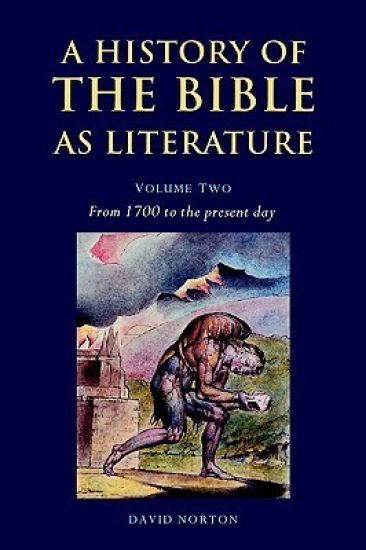
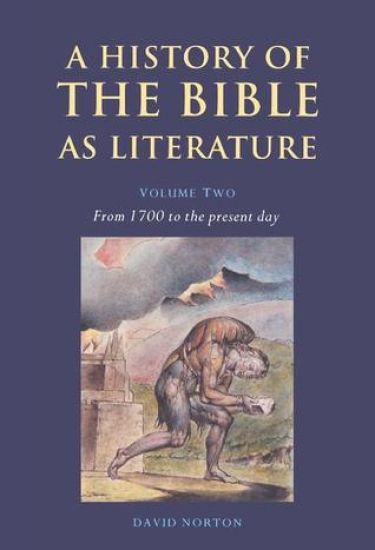
A History of the Bible as Literature: Volume 2, From 1700 to the Present Day
Early-eighteenth-century literary critics thought the King James Bible had 'all the disadvantages of an old prose translation'. But from the 1760s on criticism became increasingly favourable. In the nineteenth century it welled into a chorus of praise for 'the noblest monument of English prose'. This 1993 volume, the second of a two-volume work, traces how that reversal of opinion came about and helped to shape the making and reception of modern translations such as the Revised Version and the New English Bible. At the same time the story of the development of modern literary discussion of the Bible in general is told. From the Augustan discovery of Longinus' comments on Genesis through such major figures as Robert Louth to modern critics such as Frank Kermode and Robert Alter, this story reveals a fascinating world of insights and repetitions of received opinions. It shows not only how criticism has shaped understanding of the Bible, but how the Bible has shaped literary criticism.
The King James Bible

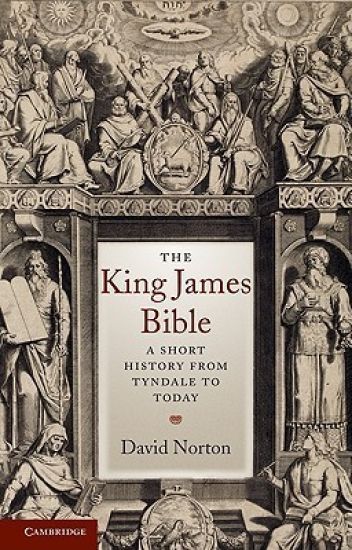
The King James Bible

David Norton

Cambridge University Press
2011
pokkari
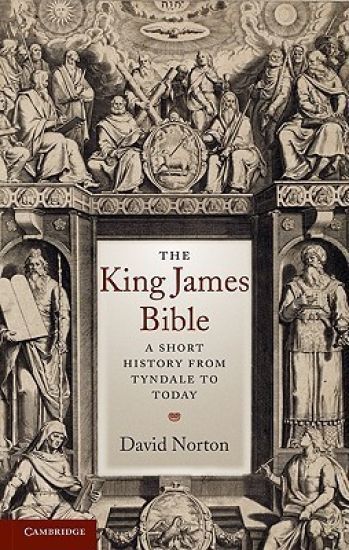
The King James Bible was the result of an extraordinary effort over nearly a century to make many good English translations and turn them into what the translators called 'one principal good one, not justly to be excepted against'. David Norton traces the work of Tyndale and his successors, analysing the translation and revisions of two representative passages. His fascinating new account follows in detail the creation of the KJB, including attention to the translators' manuscript work. He also examines previously unknown evidence such as the diary of John Bois, the only man who made notes on the translation. At the centre of the book is a thorough discussion of the first edition. The latter part of the book traces the printing and textual history of the KJB and provides a concise account of its changing scholarly and literary reputations.
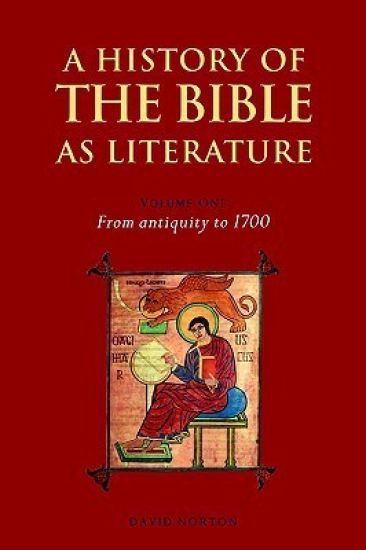
A History of the Bible as Literature: Volume 1, From Antiquity to 1700
It is regarded as a truism that the King James Bible is one of the finest pieces of English prose. Yet few people are aware that the King James Bible was generally scorned or ignored as English writing for a century and a half after its publication. The reputation of this Bible is the central, most fascinating, element in a larger history, that of literary ideas of the Bible as they have come into and developed in English culture; and the first volume of David Norton’s magisterial two-volume work surveys and analyses a comprehensive range of these ideas from biblical times to the end of the seventeenth century, providing a unique view of the Bible and translation.
A History of the Bible as Literature: Volume 2, From 1700 to the Present Day
Early-eighteenth-century literary critics thought the King James Bible had 'all the disadvantages of an old prose translation'. But from the 1760s on criticism became increasingly favourable. In the nineteenth century it welled into a chorus of praise for 'the noblest monument of English prose'. This 1993 volume, the second of a two-volume work, traces how that reversal of opinion came about and helped to shape the making and reception of modern translations such as the Revised Version and the New English Bible. At the same time the story of the development of modern literary discussion of the Bible in general is told. From the Augustan discovery of Longinus' comments on Genesis through such major figures as Robert Louth to modern critics such as Frank Kermode and Robert Alter, this story reveals a fascinating world of insights and repetitions of received opinions. It shows not only how criticism has shaped understanding of the Bible, but how the Bible has shaped literary criticism.
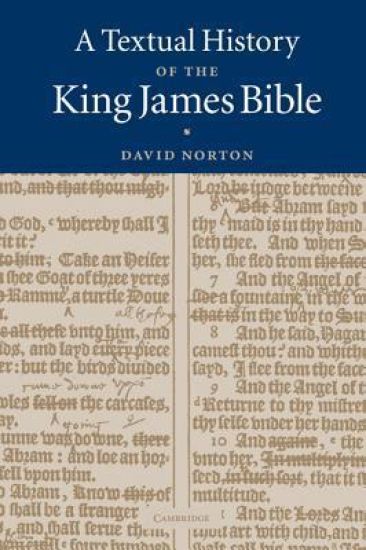
A Textual History of the King James Bible

A Textual History of the King James Bible

David Norton

Cambridge University Press
2005
sidottu
David Norton has recently re-edited the King James Bible for Cambridge, and this book arises from his intensive work on that project. Here he shows how the text of the most important Bible in the English language was made, and how, for better and for worse, it changed in the hands of printers and editors until, in 1769, it became the text we know today. Using evidence as diverse as the manuscript work of the original translators, and the results of extensive computer collation of electronically held texts, Norton has produced a scholarly edition of the King James Bible for the new century that will restore the authority of the 1611 translation. This book describes this fascinating background, explains Norton’s editorial principles and provides substantial lists and tables of variant readings. It will be indispensable to scholars of the English Bible, literature, and publishing history.
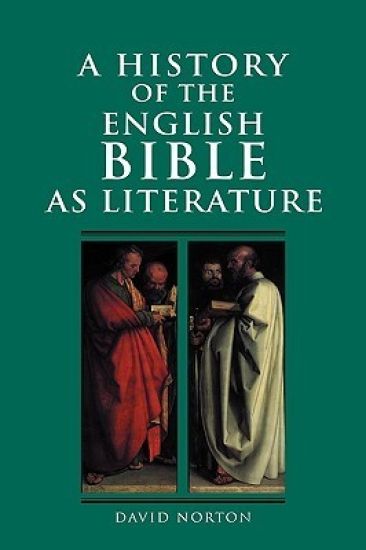
A History of the English Bible as Literature

A History of the English Bible as Literature

David Norton

Cambridge University Press
2000
sidottu
Revised and condensed from David Norton’s acclaimed A History of the Bible as Literature, this book tells the story of English literary attitudes to the Bible. At first jeered at and mocked as English writing, then denigrated as having ‘all the disadvantages of an old prose translation’, the King James Bible somehow became ‘unsurpassed in the entire range of literature’. How so startling a change happened and how it affected the making of modern translations such as the Revised Version and the New English Bible is at the heart of this exploration of a vast range of religious, literary and cultural ideas. Translators, writers such as Donne, Milton, Bunyan and the Romantics, reactionary Bishops and radical students all help to show the changes in religious ideas and in standards of language and literature that created our sense of the most important book in English.
A History of the English Bible as Literature

A History of the English Bible as Literature

David Norton

Cambridge University Press
2000
pokkari
Revised and condensed from David Norton's acclaimed A History of the Bible as Literature, this book, first published in 2000, tells the story of English literary attitudes to the Bible. At first jeered at and mocked as English writing, then denigrated as having 'all the disadvantages of an old prose translation', the King James Bible somehow became 'unsurpassed in the entire range of literature'. How so startling a change happened and how it affected the making of modern translations such as the Revised Version and the New English Bible is at the heart of this exploration of a vast range of religious, literary and cultural ideas. Translators, writers such as Donne, Milton, Bunyan and the Romantics, reactionary Bishops and radical students all help to show the changes in religious ideas and in standards of language and literature that created our sense of the most important book in English.
The King James Bible

The King James Bible

David Norton

Cambridge University Press
2011
sidottu
The King James Bible was the result of an extraordinary effort over nearly a century to make many good English translations and turn them into what the translators called 'one principal good one, not justly to be excepted against'. David Norton traces the work of Tyndale and his successors, analysing the translation and revisions of two representative passages. His fascinating new account follows in detail the creation of the KJB, including attention to the translators' manuscript work. He also examines previously unknown evidence such as the diary of John Bois, the only man who made notes on the translation. At the centre of the book is a thorough discussion of the first edition. The latter part of the book traces the printing and textual history of the KJB and provides a concise account of its changing scholarly and literary reputations.
Rebellious Younger Brother

Rebellious Younger Brother

David Norton

Northern Illinois University Press
2009
sidottu
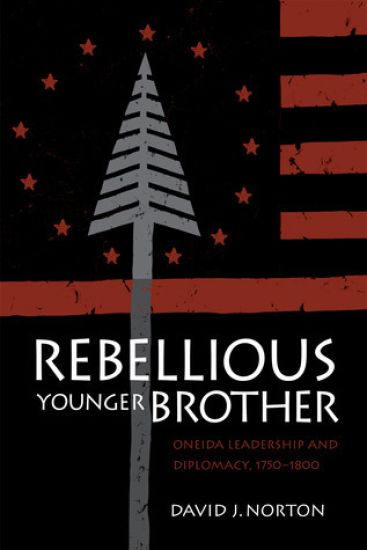
Throughout the colonial period, Oneida speakers promoted themselves as representatives not only for their own people but for all members of the Iroquois Six Nations Confederacy. With the arrival of Europeans, this self-appointed diplomatic role became increasingly complex. Because Oneida villages lay at the juncture of trade routes and water highways, Oneida leaders regularly dealt with traders and missionaries as well as refugee Indian peoples. When European imperial rivalries flared into war in the second half of the eighteenth century, Oneida diplomats faced the dual challenges of preserving the Confederacy and securing trade and territory agreements with the colonial power that appeared to offer Native Americans the best deal. Oneida diplomacy failed on both fronts. While the Six Nations splintered, the British openly violated treaties. Consequently, when Britain's colonies rebelled, Oneida leaders generally advocated joining the revolutionaries. When the fighting ended, however, those among the Oneida who had supported the patriots fared no better than other Native Americans. The government of the newly created United States conveniently forgot the Oneida contribution to the War for Independence. In Rebellious Younger Brother, Norton focuses on the men who provided leadership for the Oneida during the turbulent decades between 1750 and 1800. In addition to charting the Oneida's changing position within the Six Nations, he documents the ways in which authority to conduct diplomatic affairs passed between sachems and warriors and ultimately spread to a broad range of individuals. Readers interested in early American history and Native American Studies will appreciate this study.
Grown Up Stuff for Dummies

Grown Up Stuff for Dummies

David Norton

Page Publishing, Inc.
2019
pokkari
Grown-Up Stuff for Dummies covers some of the topics not thought suitable to have been mentioned at the same time as please and thank you, don't slurp the soup, and it is no longer funny or clever if you burp in public. Exams and interviews, being rich and poor, contracts, cars and kissing, flying, lying and lawyers, dating, drinking, dentists, and divorce, sports and games on fields and beds; these are just some of the things that confront everyone today-like it or not. So it is well to have at least thought about them. This is not a conventional yoga-and-yoghurt self-help volume. It may well not always be the popular view. It will likely raise the odd squawk from the politically correct. So be it, but if nothing else it addresses grown-up stuff all us dummies need for dealing with life in C21.
Sketches of the town of Old Town, Penobscot County, Maine from its earliest settlement, to 1879; with biographical sketches
This book has been considered by academicians and scholars of great significance and value to literature. This forms a part of the knowledge base for future generations. So that the book is never forgotten we have represented this book in a print format as the same form as it was originally first published. Hence any marks or annotations seen are left intentionally to preserve its true nature.
World Stamp Atlas

World Stamp Atlas

David Norton

TROUBADOR PUBLISHING
2026
nidottu
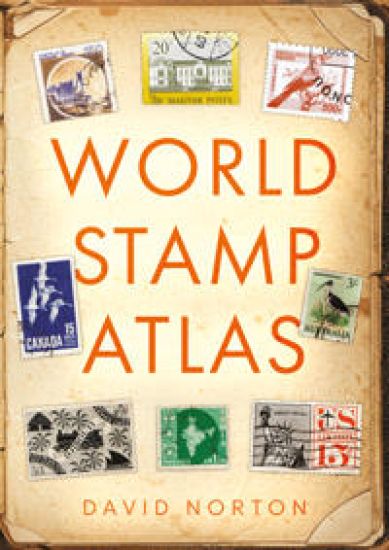
Across the world authorities provide stamps as receipts for use of their mail services. Starting in Britain in 1840 the use of self-adhesive postage stamps spread rapidly to all seven continents. The World Stamp Atlas locates these mail operators in map form. In addition to current suppliers the Atlas records former stamp issuers, many now long gone. A fascinating history is graphically displayed as small states amalgamated to form major nations or others disintegrated into a collection of new postal authorities. In some cases, a series of maps chart postal developments in an area over 150 years or more. Not all mail services have been provided by nations. Trading companies have been granted postal rights whilst at the opposite end of the scale short-lived provisional issues have covered shortages of regular issues. Temporary stamps have also supported changes in control during wartime whilst following conflict the United Nations or military occupation forces have assumed temporary control of civilian posts. Of natural interest to philatelists and casual stamp collectors The World Stamp Atlas also provides a historical narrative that would not be out of place in a school, college or public library.
Chowder Summer: One Man Eats Rhode Island, Manhattan and New England (and Still Has Room for Oyster Crackers)
During his "Chowder Summer", David Norton Stone spent a season doing what many of us only dream of: eating clam chowder at every available opportunity. In this final book in the Rhode Island Quahog series that began with Clamcake Summer and Stuffie Summer, Stone serves up a few bowls of history, quarts of the chowder he enjoyed around Rhode Island, Manhattan and New England, as well as a few oyster crackers of humor.