Kirjojen hintavertailu. Mukana 11 244 527 kirjaa ja 12 kauppaa.

Kirjahaku

Etsi kirjoja tekijän nimen, kirjan nimen tai ISBN:n perusteella.

1000 tulosta hakusanalla Derek Jarman

Derek Jarman's Garden

Derek Jarman's Garden

Derek Jarman

Thames Hudson Ltd
1995
sidottu
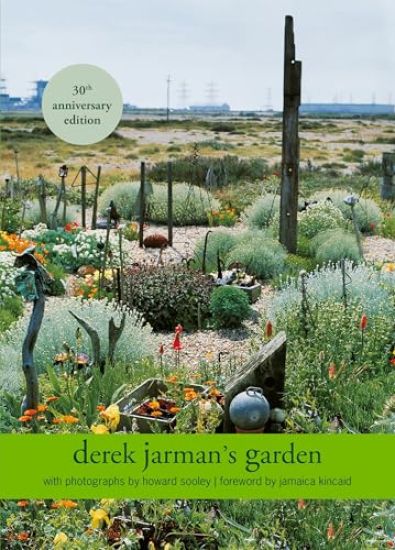
Derek Jarman's garden is in the flat expanse of shingle that faces the nuclear power station in Dungeness, Kent. He mixed the flint, shells and driftwood of Dungeness with indigenous and introduced plants. This book is his own record of how this garden evolved, from its beginnings in 1985.
Derek Jarman

Derek Jarman

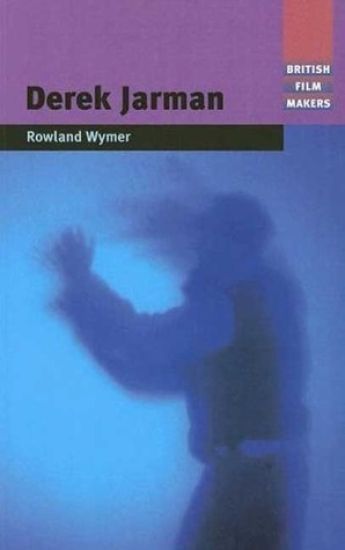
Rowland Wymer

Manchester University Press
2005
nidottu
This book gives detailed and original critical readings of all eleven of Derek Jarman's feature-length films, arguing that he occupies a major and influential place in European and world cinema rather than merely being a cult figure. It places particular emphasis on the importance of Renaissance art and literature for Jarman, and emphasises his interest in Jungian psychology. Wymer shows how Jarman used his films to take his audience with him on an inner journey in search of the self, whilst remaining fully aware of the dangers of such a journey. Making substantial use of Jarman's unpublished papers as well as all his published works, Wymer argues that the films are orientated towards a much wider audience than is often supposed. They are addressed to anyone, of whatever gender or sexuality, who is prepared to go on a journey in search of him or her self and to become Jarman's accomplice in 'the dream world of the soul'.
Derek Jarman's Garden: 30th Anniversary Edition
From artist and activist Derek Jarman, a visual and narrative exploration of his singular, paradisiacal garden, set in a most inhospitable place. Derek Jarman, a passionate gardener from childhood, combined his painter's eye, horticultural expertise, and ecological convictions to produce a landscape that combined flints, shells, and driftwood to create a unique paradise. This book is Derek Jarman's own record of how this garden evolved, from its earliest beginnings in 1986 to 1994, the last year of his life. More than 150 photographs taken by his friend and photographer Howard Sooley capture the garden at all its different stages at every season. For both gardeners and admirers of this extraordinary man, this 30th anniversary edition, with a foreword by Jamaica Kincaid, marks three decades of the book as a gardening classic, and the ongoing impact of Jarman's transformative garden--proof of the garden space as one of ideas, philosophy, and myth--more than just a place of retreat.
Derek Jarman

Derek Jarman

Charlesworth Michael

Reaktion Books
2011
nidottu
Derek Jarman (1942-1994) is most often remembered as one of Europe's most innovative independent film-makers, whose films called into question and re-ordered the nature of film-making itself. But he was also a painter, writer and poet, gardener, set designer for other people's films, ballet, opera and theatre, and influential campaigner for gay rights and other causes. He was also the author of an extraordinary series of journals that offer invaluable insight not only into the nature of the society in which he lived but also into his own creative process. It is remarkable that his art was not confined to one or two of these activities but embraced all of them. This new biography of Jarman discusses the entire range of his works and provides a picture of the whole man, from childhood to his untimely death in 1994. For the first time it properly integrates his paintings and writings with his film, demonstrating the strong connections between his varied areas of artistic production. Author Michael Charlesworth employs and assesses film criticism, art history, garden and nature writing, critical analysis of poetry and the personal opinions of Jarman and his friends. He also shows how Jarman was an invaluable voice for a larger range of people: one who espoused love, friendship and art; one who fearlessly pushed forward intellectual virtues and the value of art in an often hostile and unappreciative political and social atmosphere. Fresh in its conclusions, engaging in style, Derek Jarman is accessible, thought-provoking, radical in its arguments and its tracing of the patterns of Jarman's phenomenal creativity. An invaluable complement to Jarman's works, this book will interest all Jarman fans as well as readers interested in the history of film, the arts and modern British history and culture.
Derek Jarman

Derek Jarman

Jrp Ringier
2023
sidottu
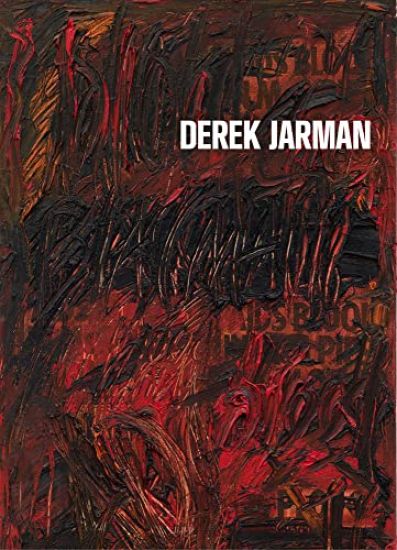
Writings on the pioneering, beloved experimental filmmaker and artist from critics, garden historians and Jarman collaborators Tilda Swinton and Simon Fisher TurnerGathering newly commissioned essays devoted to specific--and sometimes lesser-known--aspects of the artist's life and work, and extensive portfolios spanning his oeuvre, this volume offers an accessible overview of Derek Jarman (1942-94), one of the legendary cultural figures of the postwar era. Jarman was an artist, filmmaker, musician and gay activist who powerfully marked British culture, from his first feature film Sebastiane (1976) to his videos for the Pet Shop Boys and Marianne Faithfull in the 1980s, from his AIDS activism to his cult film Blue (1993).Conceived as a reader, this volume includes essays by cultural critic Elisabeth Lebovici, curator Claire Le Restif and garden historian Marco Martella; an interview with Jarman's collaborator James Mackay; testimonies by actress Tilda Swinton and musician Simon Fisher Turner; and an illustrated chronology. Jarman's militant Queer Paintings series (1992), his Super8 films from the mid-1970s and his assemblages made at his legendary garden at Prospect Cottage in Kent are all discussed.
Derek Jarman and Lyric Film

Derek Jarman and Lyric Film

Steven Dillon

University of Texas Press
2004
pokkari
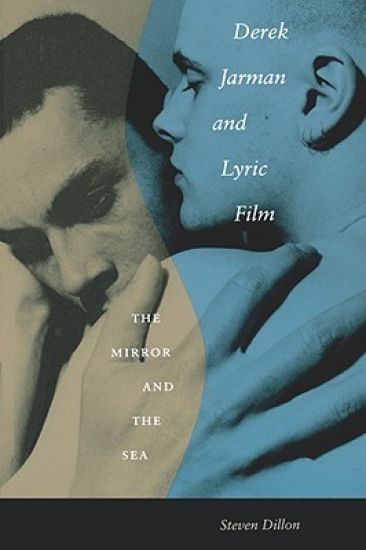
Derek Jarman was the most important independent filmmaker in England during the 1980s. Using emblems and symbols in associative contexts, rather than conventional, cause-and-effect narrative, he created films noteworthy for their lyricism and poetic feeling and for their exploration of the gay experience. His style of filmmaking also links Jarman with other prominent directors of lyric film, including Pier Paolo Pasolini, Andrei Tarkovsky, Jean Cocteau, and Jean Genet. This pathfinding book places Derek Jarman in the tradition of lyric film and offers incisive readings of all eleven of his feature-length films, from Sebastiane to Blue. Steven Dillon looks at Jarman and other directors working in a similar vein to establish how lyric films are composed through the use of visual imagery and actual poetry. He then traces Jarman's use of imagery (notably mirrors and the sea) in his films and discusses in detail the relationship between cinematic representations and sexual identity. This insightful reading of Jarman's work helps us better understand how films such as The Last of England and The Garden can be said to cohere and mean without being reduced to clear messages. Above all, Dillon's book reveals how truly beautiful and brilliant Jarman's movies are.
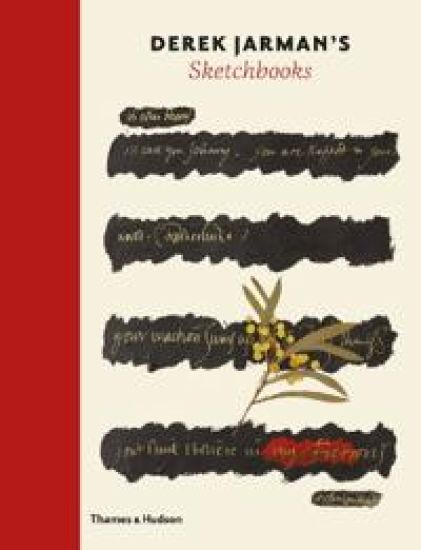
Derek Jarman's Sketchbooks

Derek Jarman's Sketchbooks

Ed Webb-Ingall

Thames Hudson Ltd
2013
sidottu
There are few more complete examples of an artist’s record of their own life than the intimately detailed and beautifully produced handmade books that Derek Jarman created throughout his career. Seen together they reveal the story of how he gathered, shaped and made concrete his ideas. Containing poetry, drawings, pressed flowers, photographs, excerpts from scripts and notes, the sketchbooks are part autobiography and part social history, layered and bursting with the energy and creativity not only of this groundbreaking film-maker and artist, but also of London in the 1970s and 80s. Wholly private during his lifetime, these precious books are an intimate pictorial record of the relationship between Jarman’s personal and professional life, revealing the detailed planning and research, and creative and emotional engagement, behind each of his films.
Derek Jarman's Sketchbooks (Deluxe Edition)

Derek Jarman's Sketchbooks (Deluxe Edition)

Ed Webb-Ingall

Thames Hudson Ltd
2013
sidottu
Derek Jarman’s Sketchbooks – Deluxe Edition. Edited by Stephen Farthing and Ed Webb-Ingall. With a preface by Tilda Swinton. Featuring contributions from Keith Collins, Christopher Hobbs, Andrew Logan, James Mackay, Jon Savage, Howard Sooley, Neil Tennant and Toyah Willcox. DELUXE SLIPCASED EDITION. INCLUDES THREE PRINTS. Containing poetry, drawings, pressed flowers, photographs, excerpts from scripts and notes, Derek Jarman’s sketchbooks are part autobiography and part social history, bursting with the energy and creativity of this groundbreaking artist. This publication collates the best of Jarman’s sketchbooks to reveal the detailed planning and emotional engagement behind each of his films in more depth than ever before. This deluxe edition is limited to 500 copies, each presented in a cloth-covered slipcase. Each numbered copy is accompanied by three prints reproduced from the sketchbooks, housed in an envelope tipped into the book. The book, which is covered in real blue cloth with gold foil blocking on the spine and in a debossed recess on the frontboard, is c.15% larger than the standard edition. 196 illustrations, 187 in colour, 31.0 x 24.0cm, 256pp, ISBN 978 0 500 517185 . £150.00 slipcased hardback + 3 prints
Derek Jarman: Protest!

Derek Jarman: Protest!

Thames Hudson Ltd
2020
sidottu
Derek Jarman was a very English rebel, a maverick and radical artist whose unique and distinctive voice was honed protesting against the strictures of life in post-war Britain. In an innovative practice that roamed freely across all varieties of media, Jarman refused to live and die quietly. He defined bohemian London life in the 1960s, exploded into queer punk in the 70s and with unbounded creative rage, ingenuity and sheer personal charm, he triumphed over an atmosphere of fear and ignorance in the age of AIDS to produce timeless, eloquent works of art which resonate still more strongly today. This major new publication offers a definitive overview of Derek Jarman’s life and work. It covers all aspects of his oeuvre, from his features to his Super-8 films, his painting, design for theatre, poetry, gardening, memoir and political activism. Protest! contains excerpts from Jarman’s own writings, short interviews with friends and collaborators and newly commissioned texts from a wide range of contributors including John Maybury, Peter Tatchell, Philip Hoare, Sir Norman Rosenthal and Olivia Laing. Generously illustrated with previously unseen images drawn from Jarman’s personal archive and unseen works from all stages of his career, this book brings the reader fresh and surprising insights into the world of this much-loved artist.
Derek Jarman: The Authorised Biography
Tony Peake enjoyed unprecedented access to the visionary artist's archives in order to bring the extraordinary life of Derek Jarman to the page. This authorised and unique biography covers Jarman's story from the bleakness of post-war Britain and his RAF childhood, to student life at The Slade and his work as a designer, painter and filmmaker. It tells how energetic home filmmaking with dazzling friends led to distinctive feature films including Sebastiane, The Tempest, and Caravaggio. There were collaborations with the likes of Sir John Gielgud and Tilda Swinton and Jarman was also at the forefront of popular culture, producing distinctive music videos for Pet Shop Boys and The Smiths. Alongside his art and a significant body of writing, Jarman created a singular garden in the shingle surrounding Prospect Cottage at Dungeness in Kent, which has become a site of memorial, celebration and pilgrimage. He became known as an impassioned and provocative spokesperson not only for gay men, but for anyone oppressed by bigotry. Derek Jarman died of AIDS-related causes in February 1994 and Peake describes his inimitable courage and grace in the face of painful death, and the legacies Jarman left behind. With new contributions from Olivia Laing and Jon Savage.
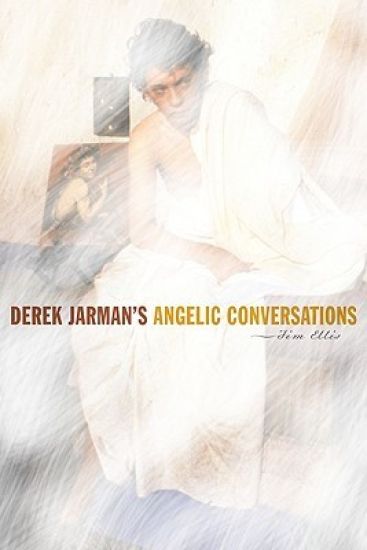
Derek Jarman’s Angelic Conversations

Derek Jarman’s Angelic Conversations

Ellis Jim

University of Minnesota Press
2009
sidottu
Best known as an iconoclastic, wildly inventive filmmaker, Derek Jarman was also an accomplished author, painter, and landscape artist. In Derek Jarman's Angelic Conversations, Jim Ellis considers Jarman's wide-ranging oeuvre to present a broad perspective on the career and life of one of the most provocative, engaged, and important artists of the twentieth century.Derek Jarman's Angelic Conversations analyzes Jarman's work-including his famous films Caravaggio, Jubilee, Edward II, Blue, and Sebastiane-in relation to his critiques of the government and his activism in the gay community, from the liberationist movement to the AIDS epidemic. While others have frequently focused on Jarman's biography, Ellis looks at how his politics and aesthetics are intertwined to comprehend his most radical aspects, particularly in films such as War Requiem and The Last of England.Here Jarman is revealed as an artist who keenly understood the role of history and mythology in creating a personal and national identity: as an activist, he sought to challenge old histories while producing new ones to carve out a space for alternative communities in Britain late in the twentieth century.
Derek Jarman's Angelic Conversations

Derek Jarman's Angelic Conversations

Jim Ellis

University of Minnesota Press
2009
nidottu
Best known as an iconoclastic, wildly inventive filmmaker, Derek Jarman was also an accomplished author, painter, and landscape artist. In Derek Jarman's Angelic Conversations, Jim Ellis considers Jarman's wide-ranging oeuvre to present a broad perspective on the career and life of one of the most provocative, engaged, and important artists of the twentieth century.Derek Jarman's Angelic Conversations analyzes Jarman's work-including his famous films Caravaggio, Jubilee, Edward II, Blue, and Sebastiane-in relation to his critiques of the government and his activism in the gay community, from the liberationist movement to the AIDS epidemic. While others have frequently focused on Jarman's biography, Ellis looks at how his politics and aesthetics are intertwined to comprehend his most radical aspects, particularly in films such as War Requiem and The Last of England.Here Jarman is revealed as an artist who keenly understood the role of history and mythology in creating a personal and national identity: as an activist, he sought to challenge old histories while producing new ones to carve out a space for alternative communities in Britain late in the twentieth century.
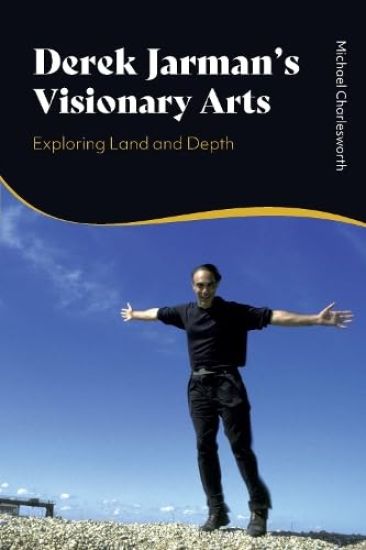
Derek Jarman’s Visionary Arts

Derek Jarman’s Visionary Arts

Michael Charlesworth

BLOOMSBURY PUBLISHING PLC
2024
sidottu
Derek Jarman's place in the history of film is assured by virtue of his vibrant, defiant films that experiment with the very process of film-making and create new forms. His paintings, their excitements and their profundity, are less well known. Michael Charlesworth sheds light on the varied ramifications of Jarman's artistic practice from his years at Prospect Cottage, Dungeness, and provides the first book-length study of his interest in depth psychology. He draws on Jarman's paintings, especially his landscapes from the 1960s and 70s, his multiple series such as 'black' and 'broken glass', GBH, Queer and Evil Queen, and his last Ecstatic Landscapes (1991-3). He also showcases Jarman's excellence as a writer with respect to his memoir, Kicking the Pricks. In a novel approach to Jarman's cinema, selecting films such as Journey to Avebury (1973), Caravaggio (1986), The Garden (1990) and Blue (1993), Charlesworth emphasizes themes and artistry rather than narrative. Exploring the ways in which Jungian and post-Jungian psychology were absorbed into Jarman's varied works, Derek Jarman’s Visionary Arts provides a fresh perspective on his painting, film and writing. It celebrates him as one of the major British artists of the late 20th century, engaging with current debates about queer sexualities, environmentalism and climate catastrophe.
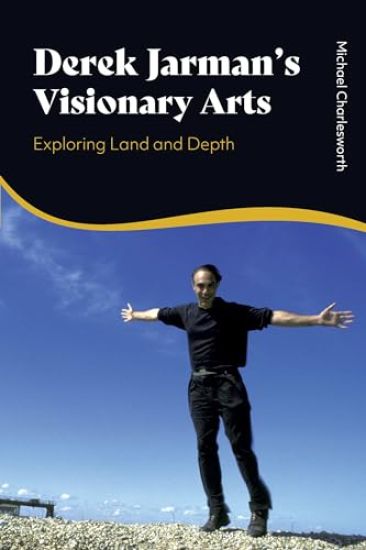
Derek Jarman’s Visionary Arts

Derek Jarman’s Visionary Arts

Michael Charlesworth

BLOOMSBURY PUBLISHING PLC
2025
nidottu
Derek Jarman's place in the history of film is assured by virtue of his vibrant, defiant films that experiment with the very process of film-making and create new forms. His paintings, their excitements and their profundity, are less well known. Michael Charlesworth sheds light on the varied ramifications of Jarman's artistic practice from his years at Prospect Cottage, Dungeness, and provides the first book-length study of his interest in depth psychology. He draws on Jarman's paintings, especially his landscapes from the 1960s and 70s, his multiple series such as 'black' and 'broken glass', GBH, Queer and Evil Queen, and his last Ecstatic Landscapes (1991-3). He also showcases Jarman's excellence as a writer with respect to his memoir, Kicking the Pricks. In a novel approach to Jarman's cinema, selecting films such as Journey to Avebury (1973), Caravaggio (1986), The Garden (1990) and Blue (1993), Charlesworth emphasizes themes and artistry rather than narrative. Exploring the ways in which Jungian and post-Jungian psychology were absorbed into Jarman's varied works, Derek Jarman’s Visionary Arts provides a fresh perspective on his painting, film and writing. It celebrates him as one of the major British artists of the late 20th century, engaging with current debates about queer sexualities, environmentalism and climate catastrophe.
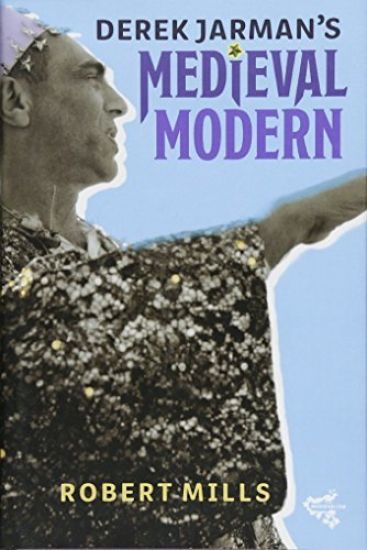
Derek Jarman's Medieval Modern

Derek Jarman's Medieval Modern

Robert Mills

D.S. Brewer
2018
sidottu
First exploration of Jarman's engagement with the medieval, revealing its importance to his work. FINALIST IN THE HISTORIANS OF BRITISH ART BOOK AWARDS 2020 The artist and filmmaker Derek Jarman (1942-1994) had a lifelong appreciation of medieval culture. But with the possible exception of Edward II, Jarman's films have not been identified to date as making a major contribution to the depiction of the Middle Ages in cinema. This book is the first to uncover a rich seam of medievalism in Jarman's art. Taking in major features such as Caravaggio, The Garden and The Last of England, as well as some of the unrealised screenplays and short experimental films, the book proposes an expanded definition of medieval film that includes not just worksset in or about the Middle Ages, but also projects inspired more broadly by the period. It considers Jarman's engagement with Anglo-Saxon poetry (notably The Wanderer); with works by fourteenth-century poets such as Chaucer, Dante and Langland; with saints and mystics from Joan of Arc to Julian of Norwich; and with numerous paintings, buildings and objects from this so-called "middle" time. Organised around several key themes - periodisation,anachronism, ruins and wandering - the book also asks what happens when (with Jarman, but also more broadly) we think the categories "medieval" and "modern" together. As such, it will be of interest to film scholars, art historians and medievalists of all stripes who wish to rattle the temporal cages of their fields. ROBERT MILLS is Professor of Medieval Studies at University College London.
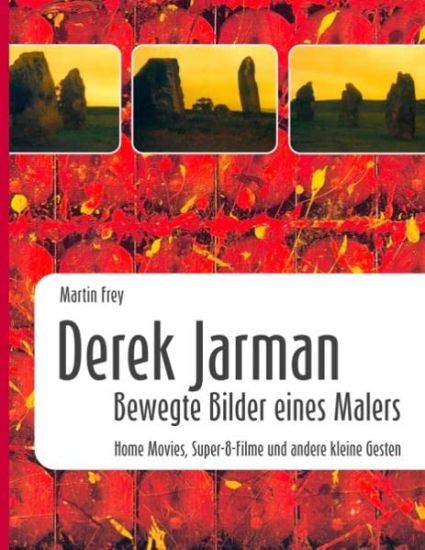
Derek Jarman - Bewegte Bilder eines Malers

Derek Jarman - Bewegte Bilder eines Malers

Martin Frey

BoD - Books on Demand
2008
sidottu
Der englische Maler, Filmemacher und Schriftsteller Derek Jarman (1942 - 1994) wurde vor allem über das Medium Film bekannt, verstand sich jedoch selbst immer primär als Maler. In dieser Annäherung an seine weniger bekannten Home Movies, Super-8-Filme und das daraus entwickelte "Kino der kleinen Gesten" bespricht Martin Frey zahlreiche Super-8-Filme sowie die Filme THE LAST OF ENGLAND, IN THE SHADOW OF THE SUN und THE ANGELIC CONVERSATION. Er untersucht Derek Jarmans Aufnahmetechniken und seine Arbeitsweise und analysiert Einflüsse aus Malerei und Literatur, wie z.B. von Allen Ginsberg, Robert Rauschenberg, David Hockney und Yves Klein. Leben und Arbeit stellten für Jarman eine untrennbare Einheit dar. Zahlreiche autobiografische Elemente aus seinen Arbeiten finden daher Berücksichtigung in dieser Arbeit: die unterdrückte Kindheit und Jugend im Nachkriegsengland, sein Coming Out und das befreite Leben während der siebziger Jahre, sein Kampf gegen die Ungleichbehandlung Homosexueller während der Ära Thatcher, der Umgang mit der eigenen HIV-Infektion und späteren Erkrankung und sein persönlicher Einsatz gegen die Diskriminierung HIV-Infizierter und an Aids erkrankter Menschen.
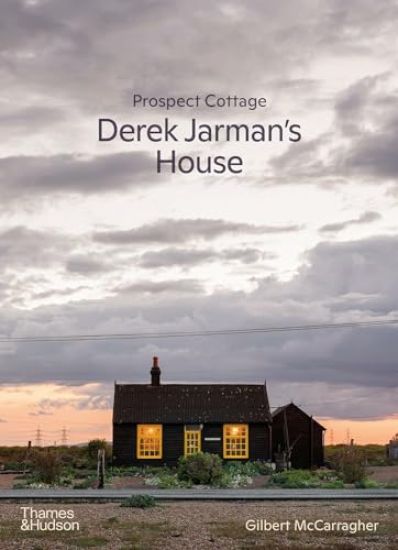
Prospect Cottage: Derek Jarman's House

Prospect Cottage: Derek Jarman's House

Gilbert McCarragher; Frances Borzello

THAMES HUDSON LTD
2024
sidottu
'Its exterior is one of the most photographed in Britain — but the inside of the artist and director’s home has seldom been seen, until now... a riveting portrait of the later years of an important British artist' Sunday Times Over a near-decade from 1986, the artist and filmmaker Derek Jarman and his partner Keith Collins created a home and sanctuary at Prospect Cottage. After Jarman’s death in 1994, Collins hung net curtains to shield the home they had shared from the eyes of visitors to Prospect’s world-famous garden. In 2018, the photographer Gilbert McCarragher, a friend and neighbour in Dungeness, was asked to record the house, a vital artwork in its own right. It was the first time this private world had been so extensively chronicled. Unfolding room by room, McCarragher’s photographs are accompanied by reflective essays that take the reader inside Prospect Cottage, revealing something of its history and his experience of photographing there.