"The most extensive review of U.S. intelligence-gathering tactics in generations." "--Los Angeles Times" Meticulously formatted, this is a highly readable edition of the Senate Intelligence Committee's investigation of Central Intelligence Agency interrogation and detention programs launched in the wake of the 9/11 attacks. Based on over six million internal CIA documents, the report details secret prisons, prisoner deaths, interrogation practices, and cooperation with other foreign and domestic agencies. It also examines charges that the CIA deceived elected officials and governmental overseers about the extent and legality of its operations. Over five years in the making, and withheld from public view since its declassification in April, 2014, this is the full summary report as finally released by the United States government on December 9th, 2014.
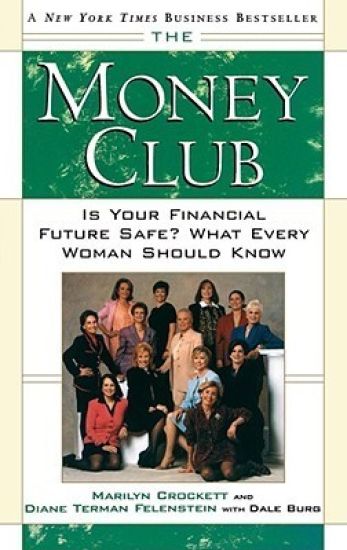
DO YOU KNOW WHAT YOU NEED TO KNOW ABOUT YOUR MONEY? * If your husband died, could you keep living in your current home? * Do you know how much money you have for retirement? * Are you afraid of becoming a "bag lady"? Many smart, competent women feel insecure about dealing with money. They delegate authority to their spouses or an adviser, or they pretend financial issues simply don't exist -- and at the same time they fear they will suddenly be left without money. But ignoring your financial safety can lead to disaster. Here, in plain English, are all the answers you need to feel secure about your future. "The Money Club" contains the lessons of a group of successful women who, despite their personal and professional achievements, didn't know enough about their finances. They joined together to learn what they needed to know, and now they share their knowledge with you. Here are all the answers you need for saving, investing, and planning for your future -- plus advice for every major financial transition in your life, from getting married to coping with widowhood -- presented in clear, easy-to-understand writing. Don't let your "bag lady fears" overwhelm you -- take control of your finances today with "The Money Club "
Albert Einstein was a theoretical physicist and an intellectual giant of the twentieth century. This fascinating biography reveals Einstein’s life story, and how his theories changed the way we looked at the universe.
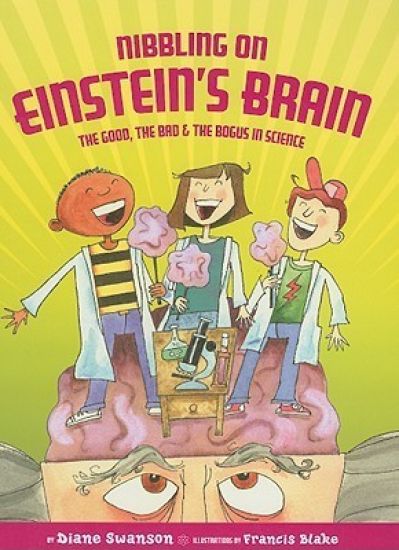
"This fascinating and kid-friendly book gives budding scientists and others an introduction to the tools and strategies needed to evaluate and understand scientific information ..." --School Library Journal Science affects every part of our lives. It can determine the foods we eat, the clothes we weareven the video games we play. But how do you tell the good science from the bad? Bite into Nibbling on Einstein's Brain and learn some winning strategies for sorting the good from the misleading in science. Through playful scenarios and fascinating real-world examples, each chapter encourages critical thinking. You'll find tips for spotting bad science, ideas for identifying reports that misrepresent facts, and ways to keep your own brain from muddling the science news you receive. Bursting with "Baloney Buster" information, quick "Your Turn" activities and playful new illustrations, this brightly redesigned edition, with recent examples of suspicious science, offers a fun approach to becoming a sharp-minded watchdog of reliable science.
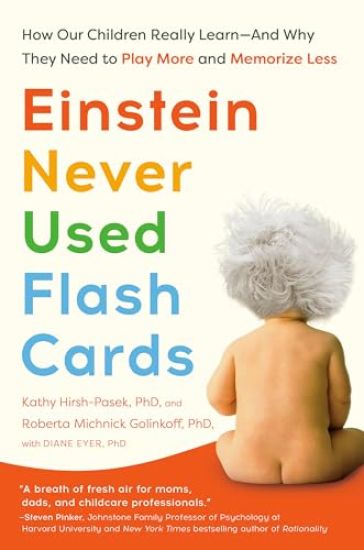
An enlightening guide to how infants, toddlers, and children learn and why play is the key to enhancing your child's development--now revised and updated with a new chapter on the impacts of screen time "A breath of fresh air for moms, dads, and childcare professionals."--Steven Pinker, Johnstone Family Professor of Psychology at Harvard University and New York Times bestselling author of When Everyone Knows That Everyone Knows In Einstein Never Used Flash Cards, award-winning early childhood development experts Kathy Hirsh-Pasek, PhD, and Roberta Michnick Golinkoff, PhD, show how parents can help their children succeed while reducing the pressures they both face. They offer a compelling message for today's parents: rather than invest in expensive enrichment programs and "educational" apps and toys, the best way to boost brainpower and interpersonal skills is to let children play. In fact, free and guided play is a better way for kids to learn and for parents to enjoy their children. Drawing on overwhelming scientific evidence, Hirsh-Pasek and Golinkoff explain how learning works from a child's point of view. They address how kids pick up key mathematical concepts, acquire language, develop a sense of self, and more. They also offer more than forty age-appropriate activities for children under nine. These simple, fun--yet powerful--exercises work as well or better than unnecessary interventions to engage kids and their ever-active, curious minds. This revised edition also includes the latest findings on how play supports learning, as well as a new chapter on the benefits and downsides of time spent with digital media. Packed with insights from fascinating studies and reassuring advice, Einstein Never Used Flash Cards empowers readers to help their children thrive while bringing more joy to the hard work of parenting.