Kirjojen hintavertailu. Mukana 12 595 353 kirjaa ja 12 kauppaa.

Kirjahaku

Etsi kirjoja tekijän nimen, kirjan nimen tai ISBN:n perusteella.

1000 tulosta hakusanalla Duane Armitage; Mauren McQuery

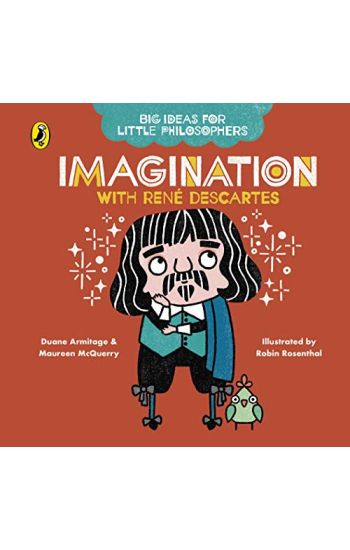
Imaginación Con René Descartes / Big Ideas for Little Philosophers: Imagination with René Descartes
Tu primer libro para pensar en grande Explore la importancia de la imaginaci n con los lectores m s j venes de una manera maravillosamente accesible. Incluso los ni os peque os tienen grandes preguntas sobre la vida. Las imaginaciones son nicas para cada ser humano en la tierra y Ren Descartes cre a que eso es lo que hace que cada persona sea su verdadero yo. Al pensar en lo que imaginamos y en c mo todas las personas imaginan de manera diferente, los ni os pueden trabajar para comprender las perspectivas y los puntos de vista de los dem s y volverse m s emp ticos. La imaginaci n con Ren Descartes les ayudar a ver c mo usar su imaginaci n lo convierte en "usted" y comprender lo mismo acerca de los amigos y la familia es una parte importante para llevarse bien en una comunidad. ENGLISH DESCRIPTION Explore the importance of imagination with the youngest readers in a wonderfully accessible way. Even little children have big questions about life. Imaginations are unique to every human on earth and Ren Descartes believed that is what makes every person their own true self. By thinking about what we imagine and how all people imagine differently, kids can work on understanding others' perspectives and points of view and become more empathetic. Imagination with Ren Descartes will help them see how using your imagination makes you "you" and understanding the same about friends and family is an important part of getting along in a community.
Big Ideas for Little Philosophers: Truth with Socrates

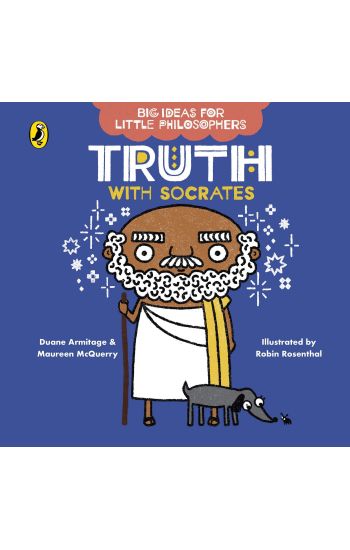
Big Ideas for Little Philosophers: Truth with Socrates

Duane Armitage; Maureen McQuerry

Puffin
2020
pahvisivuinen
Answering life's big questions for little children, this board book explains Socrates' beliefs about truth in a simple, accessible way.Even little children can become philosophers by asking big questions about the world around them. Socrates believed that telling the truth and living a life full of wonder can make us wise. In Truth with Socrates, this idea is explained for the youngest thinkers, from being honest even when it is scary or hard, to questioning everything around us to learn and grow. This book will inspire little ones to have exciting thoughts and conversations about these big ideas.'A philosopher is a person who loves wisdom. Wisdom means knowing things that help you live better and be happy.'
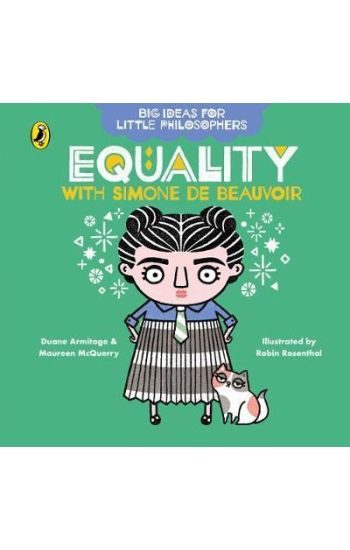
Big Ideas for Little Philosophers: Equality with Simone de Beauvoir

Big Ideas for Little Philosophers: Equality with Simone de Beauvoir

Duane Armitage; Maureen McQuerry

Puffin
2020
pahvisivuinen
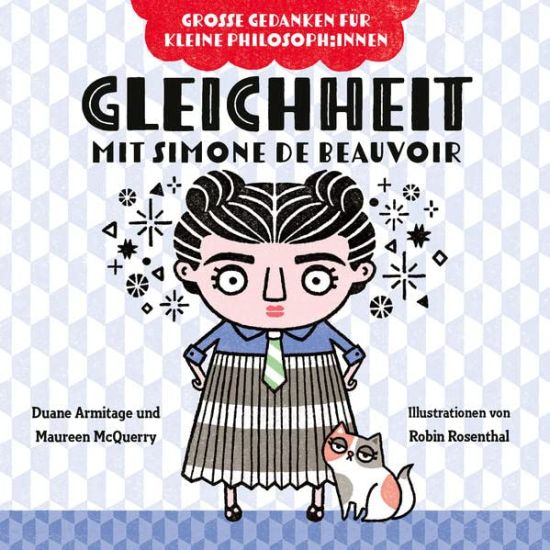
Answering life's big questions for little children, this board book explains Simone de Beauvoir's beliefs about equality and respect in a simple, accessible way.Even little children can become philosophers by asking big questions about the world around them. Simone de Beauvoir believed that everybody should have the same opportunities to be happy, and to be themselves. In Equality with Simone de Beauvoir, this idea is explained for the youngest thinkers, from treating people with respect to listening to who you are on the inside. This book will inspire little ones to have exciting thoughts and conversations about these big ideas.'A philosopher is a person who loves wisdom.Wisdom means knowing things that help you live better and be happy.'
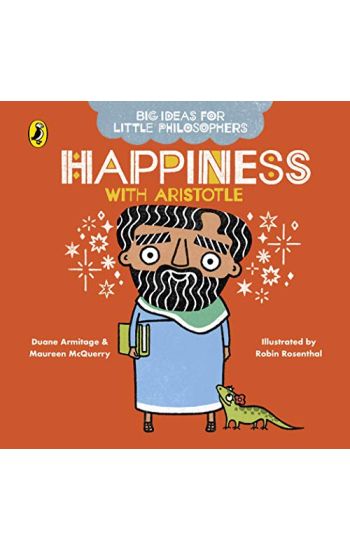
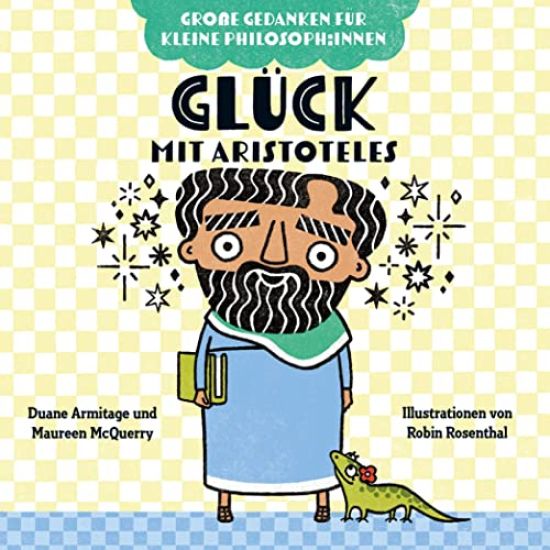
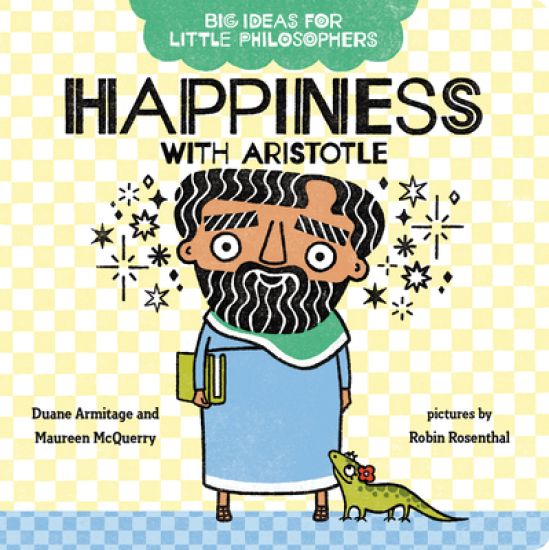
Big Ideas for Little Philosophers: Happiness with Aristotle

Big Ideas for Little Philosophers: Happiness with Aristotle

Duane Armitage; Maureen McQuerry

Puffin
2020
pahvisivuinen
Answering life's big questions for little children, this board book explains Aristotle's beliefs about happiness and friendship in a simple, accessible way.Even little children can become philosophers by asking big questions about the world around them. Aristotle believed that the best way to live a happy life was to fill it with true friends. In Happiness with Aristotle, this idea is explained for the youngest thinkers, from helping your friends to be good people to learning to love yourself as well as others. This book will inspire little ones to have exciting thoughts and conversations about these big ideas.'A philosopher is a person who loves wisdom.Wisdom means knowing things that help you live better and be happy.'
Big Ideas for Little Philosophers: Imagination with Descartes

Big Ideas for Little Philosophers: Imagination with Descartes

Duane Armitage; Maureen McQuerry

Puffin
2020
pahvisivuinen
Answering life's big questions for little children, this board book explains Descartes' beliefs about imagination and empathy in a simple, accessible way. Even little children can become philosophers by asking big questions about the world around them. Descartes believed that the ability to imagine is what makes us our true selves. In Imagination with Descartes, this idea is explained for the youngest thinkers, from the uniqueness of imagination to understanding other people's point of view. This book will inspire little ones to have exciting thoughts and conversations about these big ideas.'A philosopher is a person who loves wisdom.Wisdom means knowing things that help you live better and be happy.'
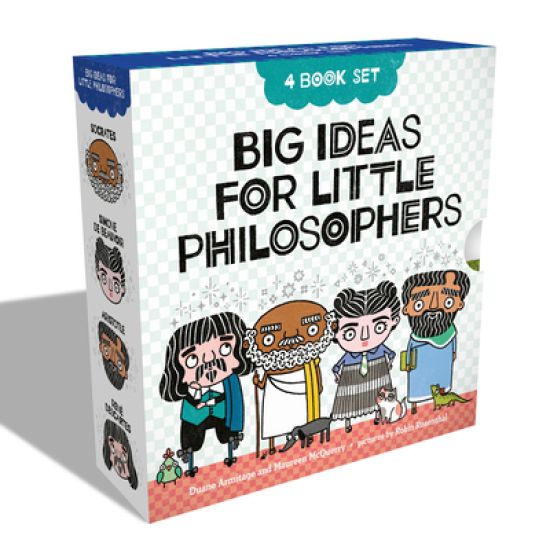
Big Ideas for Little Philosophers Box Set

Big Ideas for Little Philosophers Box Set

Duane Armitage; Maureen McQuerry

G.P. Putnam's Sons Books for Young Readers
2020
sidottu
An exciting board book set about asking deep questions in a wonderfully accessibly way. This box set features four board books on prominent philosophers and their main teachings: Imagination with Ren Descartes, Equality with Simone de Beauvoir, Happiness with Aristotle, and Truth with Socrates. Through bold illustrations and relatable scenes, these concepts are explored in an accessible way for kids that allows them to connect these big ideas to their lives.
Big Ideas for Little Philosophers: Kindness with Confucius

Big Ideas for Little Philosophers: Kindness with Confucius

Duane Armitage; Maureen McQuerry

G.P.Putnam's Sons Books for Young Readers'
2021
pahvisivuinen
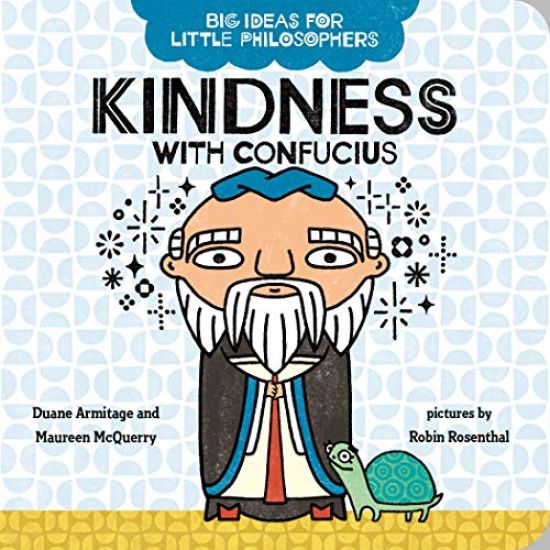
Explore the importance of kindness with the youngest readers in a wonderfully accessible way. Even little children have big questions about life. Confucius believed always treating people with kindness can make us wise, and Kindness with Confucius brings his philosophy to the youngest thinkers. He believed we should use our own feelings as a guide to how to treat others. We feel good when people are kind to us and should want to make others feel that way. Emphasizing the importance of being in touch with your own emotions in order to be kind to others, this book will lead to inspiring conversations about human dynamics between people of all ages. Look for all six Big Ideas for Little Philosophers board books: Equality with Simone de Beauvoir, Happiness with Aristotle, Imagination with Ren Descartes, Kindness with Confucius, Love with Plato, and Truth with Socrates.
Big Ideas for Little Philosophers: Love with Plato

Big Ideas for Little Philosophers: Love with Plato

Duane Armitage; Maureen McQuerry

G.P.Putnam's Sons Books for Young Readers'
2021
pahvisivuinen
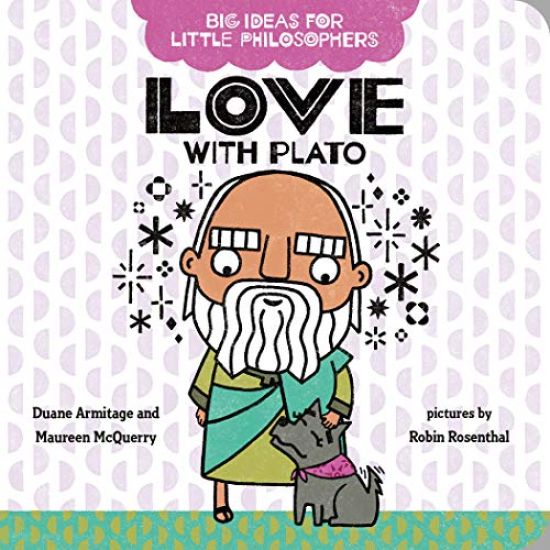
Explore the importance of love with the youngest readers in a wonderfully accessible way. Even little children have big questions about life. Plato believed showing and receiving love makes us wise, and Love with Plato brings his philosophy to the youngest thinkers. Asking young readers what being loved feels like to them and how they can show others love prompts questions about how we treat one another and ourselves. This book will lead to inspiring conversations about loving people for what is on the inside, and helping others do the same. Look for all six Big Ideas for Little Philosophers board books: Equality with Simone de Beauvoir, Happiness with Aristotle, Imagination with Ren Descartes, Kindness with Confucius, Love with Plato, and Truth with Socrates.
Truth with Socrates

Truth with Socrates

Duane Armitage; Maureen McQuerry

G.P. Putnam's Sons Books for Young Readers
2020
sidottu
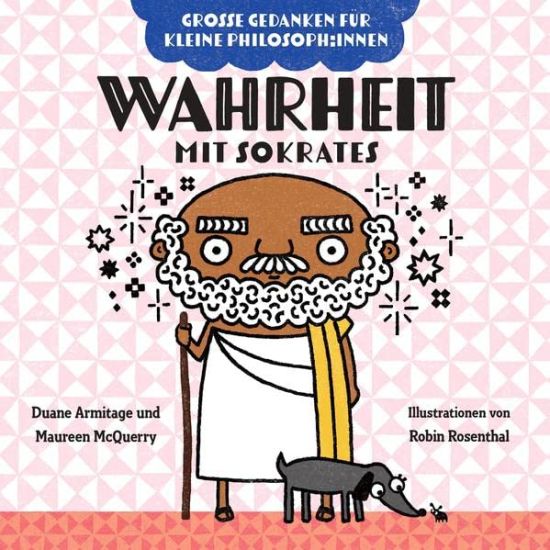
Explore the importance of truth with the youngest readers in a wonderfully accessible way. Even little children have big questions about life. Socrates believed being truthful and asking questions about the world can make us wise, and Truth with Socrates brings his philosophy to the youngest thinkers. From the importance of being honest even if it's hard or makes you scared to always asking questions to understand more about everything around you, this book will lead to inspiring conversations about human dynamics between people of all ages. Look for all six Big Ideas for Little Philosophers board books: Equality with Simone de Beauvoir, Truth with Socrates, Happiness with Aristotle, Imagination with Ren Descartes, Kindness with Confucius, Love with Plato, and Truth with Socrates.
Happiness with Aristotle

Happiness with Aristotle

Duane Armitage; Maureen McQuerry

G.P. Putnam's Sons Books for Young Readers
2020
sidottu
Explore the importance of happiness with the youngest readers in a wonderfully accessible way. Even little children have big questions about life. Finding happiness is a lifelong goal and Aristotle thought deeply about it. Why are we here? What is the best way to live a happy life? Having friends who are fun and adventurous is important, but it's also important to have true friends who will help us be good people and tell us when we're straying from that. He also believed we have to love ourselves in order to love others and be happy. This book will prompt readers to concentrate on what makes them happy and how they can be a good friend to others and themselves. Look for all six Big Ideas for Little Philosophers board books: Equality with Simone de Beauvoir, Truth with Socrates, Happiness with Aristotle, Imagination with Ren Descartes, Kindness with Confucius, Love with Plato, and Truth with Socrates.
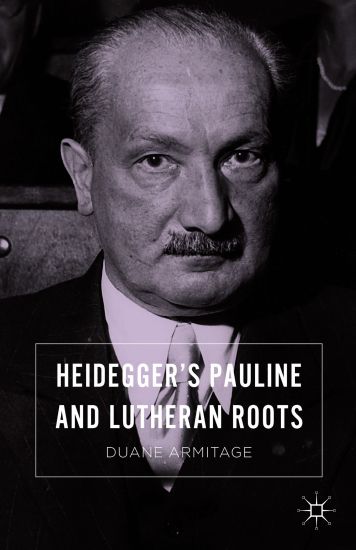
Heidegger’s Pauline and Lutheran Roots

Heidegger’s Pauline and Lutheran Roots

Duane Armitage

Palgrave Macmillan
2016
sidottu
In this work of philosophy, theology, and intellectual history, Duane Armitage offers a clear interpretation of Heidegger's enigmatic theology as uniquely Pauline and Lutheran. He argues that the real impetus, aim, and structure of Heidegger's philosophy of religion as well as his philosophy as a whole, are rooted in Pauline (and Lutheran) ontology. He thus demonstrates that continental philosophy of religion, and, to an extent, Continental Philosophy as a whole, is indebted to St. Paul and Martin Luther. This examination also shows how much of continental thinking itself is traceable to Heidegger's onto-theological critique and hence to Luther and St. Paul. Armitage argues that St. Paul and Luther, or at least Luther's specific reading of St. Paul, remain the un-thought origins of postmodern thinking on religion, and perhaps postmodern thinking in general.
Heidegger’s Pauline and Lutheran Roots

Heidegger’s Pauline and Lutheran Roots

Duane Armitage

Palgrave Macmillan
2018
nidottu
In this work of philosophy, theology, and intellectual history, Duane Armitage offers a clear interpretation of Heidegger's enigmatic theology as uniquely Pauline and Lutheran. He argues that the real impetus, aim, and structure of Heidegger's philosophy of religion as well as his philosophy as a whole, are rooted in Pauline (and Lutheran) ontology. He thus demonstrates that continental philosophy of religion, and, to an extent, Continental Philosophy as a whole, is indebted to St. Paul and Martin Luther. This examination also shows how much of continental thinking itself is traceable to Heidegger's onto-theological critique and hence to Luther and St. Paul. Armitage argues that St. Paul and Luther, or at least Luther's specific reading of St. Paul, remain the un-thought origins of postmodern thinking on religion, and perhaps postmodern thinking in general.
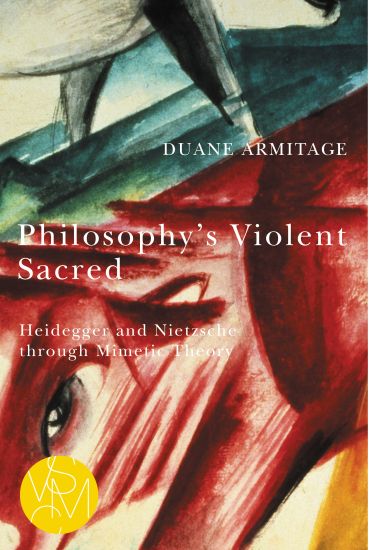
Philosophy's Violent Sacred

Philosophy's Violent Sacred

Duane Armitage

Michigan State University Press
2021
nidottu
Continental and postmodern thinking has misidentified the source of violence as originating from Western metaphysics. It has further failed to acknowledge the Judeo- Christian source of its ethic—the ethic of concern for victims. In this volume Duane Armitage attempts a critique of continental philosophy and postmodernism through the lens of René Girard’s mimetic theory. This critique is directed primarily at the philosophies of Nietzsche and Heidegger, both among the foremost representatives of continental and postmodern thought. Armitage argues that Girard’s engagement with Heidegger and Nietzsche radically alters many of the axioms of current postmodern continental philosophy, in particular the overcoming of metaphysics on the theoretical level and continental philosophy’s tacit commitments to (neo-)Marxism on the practical level. Detailed attention to the implications of Girard’s philosophical thought results in a paradigm shift that deals perhaps a deadly blow to continental and postmodern thinking. Armitage further argues that Girard’s thinking solves the very problems that continental and postmodern thinking sought (but failed) to solve, namely the problems of violence and victimization, particularly within the context of the aftermath of the Second World War. Ultimately, this volume shows that at the heart of postmodern thinking lies an entanglement with the violent sacred.
Heidegger and the Death of God

Heidegger and the Death of God

Duane Armitage

Springer International Publishing AG
2017
sidottu
This book presents a reading of Martin Heidegger’s philosophy as an effort to strike a middle position between the philosophies of Plato and Friedrich Nietzsche. Duane Armitage interprets the history of Western philosophy as comprising a struggle over the meaning of “being,” and argues that this struggle is ultimately between materialism and idealism, and, in the end, between atheism and theism. This work therefore concerns the question of the meaning of the so called “death of God” in the context of contemporary Continental Philosophy.