What is wisdom? Who is wise? Can wisdom be developed? These are the questions Horner sets out to answer, from a Buddhist perspective. The author sets forth 12 pillars of wisdom that are easily accessed and applied, not only to Buddhism but life in general. Spoiler alert; with proper intent and focused attention, wisdom can be developed. Horner takes us on a deep divide into each of the 12 elements that make up the building blocks of wisdom; communication, perspective, values, humility, learning, life events, impermanence, compassion, bias, patience and concentration, Theory of Mind and emotional stability.
This book has been considered by academicians and scholars of great significance and value to literature. This forms a part of the knowledge base for future generations. So that the book is never forgotten we have represented this book in a print format as the same form as it was originally first published. Hence any marks or annotations seen are left intentionally to preserve its true nature.
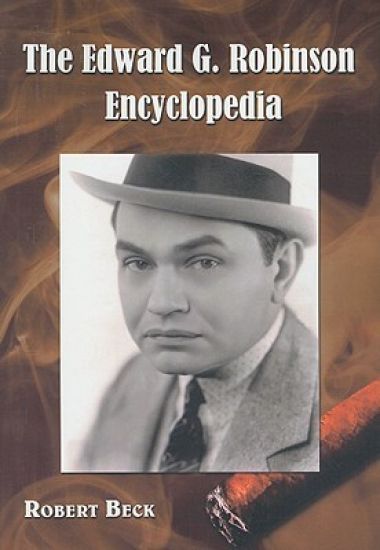
Edward G. Robinson, a 1930s cinema icon, had an acting career that spanned more than 60 years. After a brush with silent films, he rose to true celebrity status in sound feature films and went on to take part in radio and television performances, then back to Broadway and on the road in live theatre. This work documents Robinson's every known public performance or appearance, listing co-workers, source material, background and critical commentary. The entries include feature films, documentaries, short subjects, cartoons, television and radio productions, live theatre presentations, narrations, pageants, and recordings. Also included are entries relating to his life and career, ranging from his wives to his art collection.
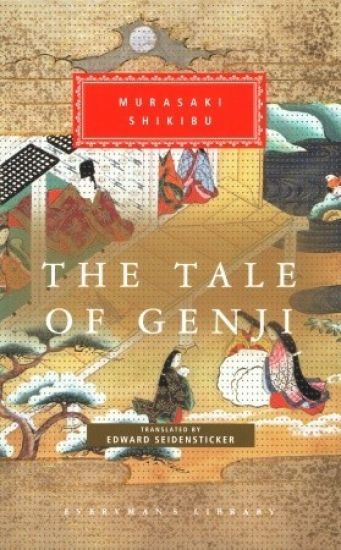
In the early eleventh century Murasaki Shikibu, a lady in the Heian court of Japan, wrote what many consider to be the world's first novel, more than three centuries before Chaucer. The Heian era (794--1185) is recognized as one of the very greatest periods in Japanese literature, and The Tale of Genji is not only the unquestioned prose masterpiece of that period but also the most lively and absorbing account we have of the intricate, exquisite, highly ordered court culture that made such a masterpiece possible. Genji is the favorite son of the emperor but also a man of dangerously passionate impulses. In his highly refined world, where every dalliance is an act of political consequence, his shifting alliances and secret love affairs create great turmoil and very nearly destroy him. Edward Seidensticker's translation of Lady Murasaki's splendid romance has been honored throughout the English-speaking world for its fluency, scholarly depth, and deep literary tact and sensitivity.
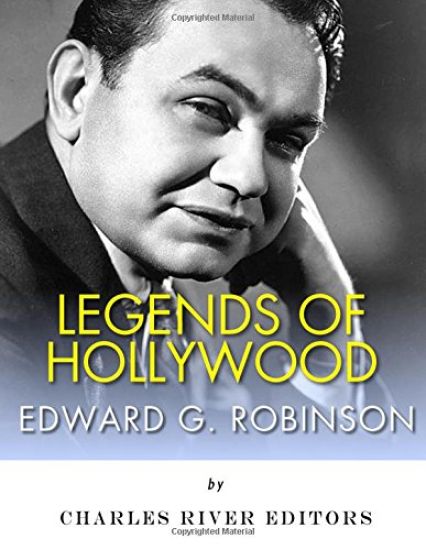
*Includes pictures *Includes a bibliography for further reading "I know I'm not much on face value, but when it comes to stage value, I'll deliver for you." - Edward G. Robinson For most enthusiasts of film history, Edward G. Robinson's name is virtually synonymous with the Depression-era gangster films of the 1930s. After all, Robinson starred in Little Caesar (1931), which was one of the first major gangster films and is perhaps the most representative example of the genre. Little Caesar remains his most iconic gangster role, but he acted in several other notable gangster films over the course of the decade, including The Little Giant (1933) and A Slight Case of Murder (1938). Even during the 1940s, after the gangster genre had ceded much of its standing to the postwar film noir genre, Robinson retained his ties to gangster films, memorably playing gangster Johnny Rocco in Key Largo (1948). With his short, round physique and irascible screen persona, Robinson became a kind of cinematic brother to James Cagney, and the two remain the most famous of the Hollywood gangster stars. As much as Robinson's fame remains attached to the rise of the gangster films of the 1930s, it also is important to recognize that he was successful in progressing into the postwar noir films-a genre that bears important similarities with the gangster genre but reworks it in significant ways. Indeed, Robinson starred in what may have been the most famous gangster picture - he played a memorable role in Double Indemnity (1944), which may well be the most famous noir movie ever made. Edward established his status as a worthy noir actor by starring in a duo of underrated Fritz Lang films-The Woman in the Window (1944) and Scarlet Street (1945)-as well as the Orson Welles movie The Stranger (1946). As his memorable noir performances demonstrate, Edward G. Robinson was more than just a famous gangster villain. He represents someone who was able to successfully navigate the changes in Hollywood cinema from the 1930s through the following decade. Interestingly, even as Robinson became a star on the screen, events off screen also made him abdicate his lofty standing. A first-generation immigrant who moved to the United States from Romania while still a child, Robinson's rise in the entertainment industry-first on stage and then in Hollywood-embodied the Horatio Alger myth of a self-made man. Lacking the conventional attractiveness that characterized most male actors (particularly leading men), it was through his sheer skill and virtuosity that Robinson was able to fashion a successful career. However, if Robinson benefited early in his career from the opportunities presented by Hollywood, it was also at the hands of the industry that his career was compromised during the early 1950s through the efforts of the House Un-American Activities Committee (HUAC). Although he was not a member of the Hollywood Ten, Robinson was a suspected Communist, and his name was tarnished within the acting community and in the eyes of the American public. He would continue to act through the end of his life, but his days as a major figure in Hollywood were brought to an abrupt end. Legends of Hollywood: The Life and Legacy of Edward G. Robinson analyzes Robinson's career in the 1930s and 1940s, as well as his real life roles as Hollywood star and victim.. Along with pictures and a bibliography, you will learn about Edward G. Robinson like never before, in no time at all.
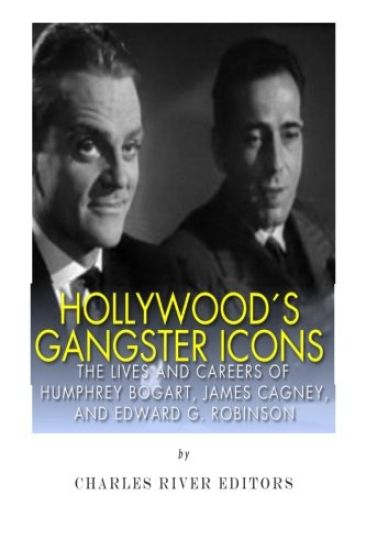
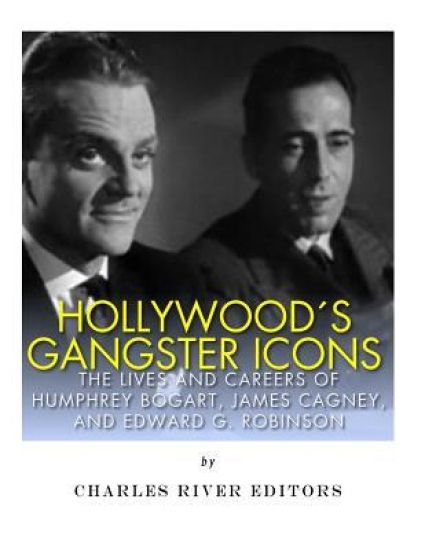
*Includes pictures *Includes the actors' quotes about their lives and careers *Includes bibliographies for further reading Americans have always loved movie stars, and there have been no shortage of Hollywood icons, but one man has long been considered the greatest male star. From the time he first became a leading man, Humphrey Bogart's screen image has resonated with viewers more than perhaps any other actor. At the end of the 20th century, when the American Film Institute assembled its list of the 50 Greatest American Screen Legends, Bogart was at the top of the list. His persona as a tough guy who manages to maintain his sense of virtue no matter how compromising the situation features in some of the most famous films ever made, including Casablanca (1942), The Maltese Falcon (1941), and Key Largo (1949). Ultimately, it was portraying tough guys and gangsters in the 1930s that turned Cagney into a massive Hollywood star, and they were the kind of roles he was literally born to play after growing up rough in Manhattan at the turn of the 20th century. In movies like The Public Enemy (which included the infamous "grapefruit scene") and White Heat, Cagney convincingly and grippingly played criminals that brought Warner to the forefront of Hollywood and the gangster genre. Cagney also helped pave the way for younger actors in the genre, like Humphrey Bogart, and he was so good that he found himself in danger of being typecast. While Cagney is no longer remembered as fondly or as well as Bogart, he was also crucial in helping establish the system in which actors worked as independent workers free from the constraints of studios. Refusing to be pushed around, Cagney was constantly involved in contract squabbles with Warner, and he often came out on top, bucking the conventional system that saw studios treat their stars as indentured servants who had to make several films a year. For most enthusiasts of film history, Edward G. Robinson's name is virtually synonymous with the Depression-era gangster films of the 1930s. After all, Robinson starred in Little Caesar (1931), which was one of the first major gangster films and is perhaps the most representative example of the genre. Little Caesar remains his most iconic gangster role, but he acted in several other notable gangster films over the course of the decade, including The Little Giant (1933) and A Slight Case of Murder (1938). Even during the 1940s, after the gangster genre had ceded much of its standing to the postwar film noir genre, Robinson retained his ties to gangster films, memorably playing gangster Johnny Rocco in Key Largo (1948). With his short, round physique and irascible screen persona, Robinson became a kind of cinematic brother to James Cagney, and the two remain the most famous of the Hollywood gangster stars. Hollywood's Gangster Icons analyzes the lives and careers of the three stars. Along with pictures and bibliographies, you will learn about Bogart, Cagney, and Robinson like never before.