

Kirjahaku
Etsi kirjoja tekijän nimen, kirjan nimen tai ISBN:n perusteella.
1000 tulosta hakusanalla Edward L Smither

Brazilian Evangelical Missions in the Arab World
Edward L Smither
Pickwick Publications
2012
sidottu


Mission in the Marketplace What can the prophet Daniel teach us about serving in God's mission? Daniel was not a priest or official religious leader-he was a forcibly displaced Israelite, who became a public administrator in the Babylonian and Persian empires. While he may serve as an example of an admirable work ethic-often finding favor and recognition with political leaders-he is also a prime example of a bold and godly individual, willing to be a witness in his sphere of influence. Though his boldness resulted in suffering, he consistently experienced and demonstrated God's power in his witness. This same boldness is needed today. While many books and Bible studies explore the work ethic and character of Daniel, Ed Smither takes those discussions to a new level, illustrating why each of Daniel's qualities and skills is a necessary component of mission today. Mission in the Way of Daniel probes mission theology and practice in the Old Testament, exploring the well-known story of Daniel through the lenses of mission history and mission practice. Providing relevant application for contemporary issues like diaspora, power encounters, and divine favor in mission, the themes in Mission in the Way of Daniel advance the ongoing conversation about how to do mission. For mission practitioners, tentmakers, and all Christians, this book shows us how God can use us where we are in life and work.

Remembered as a pastor, Bible teacher, writer, and ambassador for global mission, John Stott (1921-2011) was also an early innovator of encouraging global missional theology. Through his involvement in the Lausanne Movement and other global networks, he made room at the table for majority world Christians and theologians to speak to matters of developing global theology. Through his innovative work with Langham Partners, he provided resources for global pastors to be trained in theology and a platform for global theologians to publish their work. Ultimately, he encouraged global theologians to forge their own theology.

Remembered as a pastor, Bible teacher, writer, and ambassador for global mission, John Stott (1921-2011) was also an early innovator of encouraging global missional theology. Through his involvement in the Lausanne Movement and other global networks, he made room at the table for majority world Christians and theologians to speak to matters of developing global theology. Through his innovative work with Langham Partners, he provided resources for global pastors to be trained in theology and a platform for global theologians to publish their work. Ultimately, he encouraged global theologians to forge their own theology.

Twenty-first-century Christians in the West crave comfort, affluence, freedom from pain, and even power. However, the story of global Christianity--from Christ, the early church, right up to the present day--has been shaped by suffering and even martyrdom. In this short book Edward Smither explores martyrdom both biblically and historically. He defends three claims: in martyrdom we verbally bear witness to Christ, we raise a prophetic voice, and we worship. Christians today, argues Smither, especially those in the West, should welcome suffering and martyrdom as a normal part of the Christian life.

Twenty-first-century Christians in the West crave comfort, affluence, freedom from pain, and even power. However, the story of global Christianity--from Christ, the early church, right up to the present day--has been shaped by suffering and even martyrdom. In this short book Edward Smither explores martyrdom both biblically and historically. He defends three claims: in martyrdom we verbally bear witness to Christ, we raise a prophetic voice, and we worship. Christians today, argues Smither, especially those in the West, should welcome suffering and martyrdom as a normal part of the Christian life.
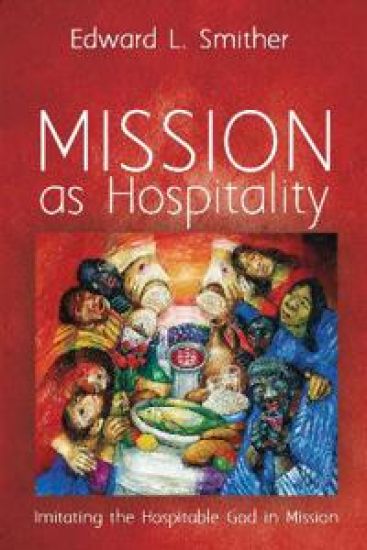
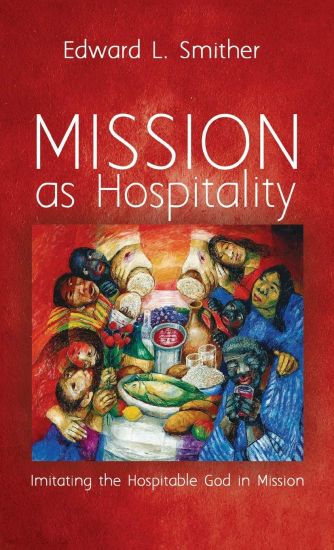
God is a missionary God. God is also hospitable in his nature. He makes his enemies friends and invites them to intimate communion. The mission of God in Scripture often occurs through hospitality when God's people encounter the not-yet people of God at table or in hospitable environments and invite them to believe. This motif of mission as hospitality plays out through the Old and New Testament Scriptures, and through the Eucharist. It can also be observed through the witness of monks and contemporary missionaries who embraced a hospitable approach to mission. For the church to participate in God's mission today, a vision to win, conquer, or change the world should be exchanged for a conviction to welcome the stranger and make room for others while proclaiming the gospel--that is, to imitate the hospitable God in mission.



Mission in Praise, Word, and Deed
Edward L Smither; Jessica A Udall
William Carey Publishing
2023
pokkari

Evangelism and Social Concern in the Theology of Carl F. H. Henry
Jerry M Ireland; Edward L Smither
Pickwick Publications
2015
pokkari

Evangelism and Social Concern in the Theology of Carl F. H. Henry
Jerry M Ireland; Edward L Smither
Pickwick Publications
2015
sidottu
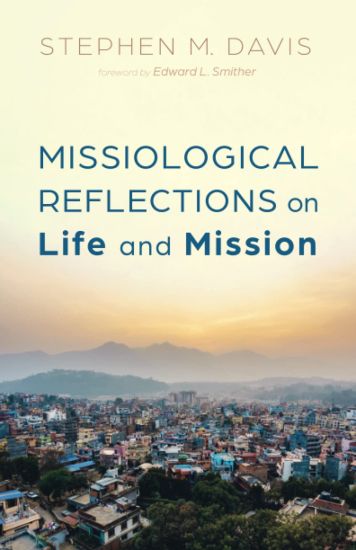
Missiological Reflections on Life and Mission
Stephen M Davis; Edward L Smither
Wipf Stock Publishers
2022
pokkari
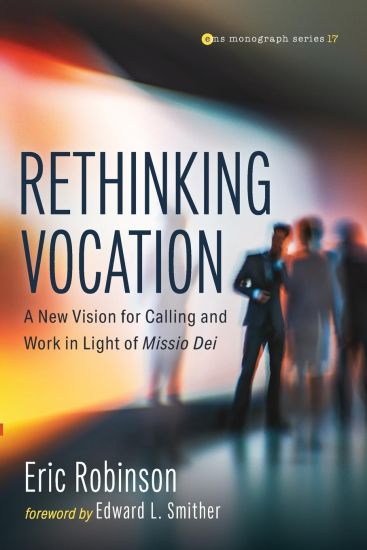
What does it mean to be called? How does one discern his or her calling? There has been much discussion about these topics within the church, and perhaps much confusion as well. What if we could root the nature of the believer's calling and vocation from a missional perspective? This book seeks to understand how a deeper understanding of God's mission can help believers discern the work to which they are called and equip them for missional witness in and through their work. Importantly, rooting our understanding of vocation and calling in God's mission gives space for new emphases within the conversations related to faith and work, including theologically and contextually grounded emphases on creativity, vocational freedom, and vocational discernment, along with innovative educational models which can support believers as they navigate their work as participants in God's mission. When believers connect their gifts, talents, and creativity with God's work in and for the world in a way that is contextually relevant, it opens up opportunities for transformative witness for both believers and for the organizations they serve.
What does it mean to be called? How does one discern his or her calling? There has been much discussion about these topics within the church, and perhaps much confusion as well. What if we could root the nature of the believer's calling and vocation from a missional perspective? This book seeks to understand how a deeper understanding of God's mission can help believers discern the work to which they are called and equip them for missional witness in and through their work. Importantly, rooting our understanding of vocation and calling in God's mission gives space for new emphases within the conversations related to faith and work, including theologically and contextually grounded emphases on creativity, vocational freedom, and vocational discernment, along with innovative educational models which can support believers as they navigate their work as participants in God's mission. When believers connect their gifts, talents, and creativity with God's work in and for the world in a way that is contextually relevant, it opens up opportunities for transformative witness for both believers and for the organizations they serve.