Ovid's Metamorphoses have been seen to mark the culmination of the classical epic tradition, and a revolutionary transferral of narrative interest from warfare to love and fantasy. This introduction considers how Ovid defined and shaped his narrative, its cultural context, and its vivid depictions of the cruelty of jealous gods, the pathos of human love, and the imaginative fantasy of flight, monsters, magic, and illusion. Elaine Fantham provides a stimulating introduction to this marvelous and complex poem, and to the traditions it drew on and inspired.
Ovid's Metamorphoses have been seen to mark a culmination of the classical epic tradition and a revolutionary transferral of narrative interest from warfare to love and fantasy. This introduction considers how Ovid defined and shaped his narrative, its cultural context, and its vivid depictions of the cruelty of jealous gods, the pathos of human love, and the imaginative fantasy of flight, monsters, magic and illusion. Elaine Fantham provides a stimulating analysis of this marvellous and complex poem, and the traditions it built on and inspired.
The Roman World of Cicero's De Oratore aims to provide an accessible study of Cicero's first and fullest dialogue, on the ideal orator-statesman. It illustrates the dialogue's achievement as a reflection of a civilized way of life and a brilliantly constructed literary unity, and considers the contribution made by Cicero's recommendations to the development of rhetoric and higher education at Rome. Because Cicero deliberately set his extended conversation in the generation of his childhood teachers, a study of the dialogue in its historical setting can show how the political and cultural life of this earlier period differed from Cicero's personal experience of the collapse of senatorial government, when the overwhelming power of the `first triumvirate' forced him into political silence in the last decade of the republic. After an introductory chapter reviewing Cicero's position on return from exile, chapters include a comparative study of the careers of M. Antonius and L. Licinius Crassus, protagonists of the dialogue, a discussion of Cicero's response to Plato's criticisms of rhetoric in the Gorgias and Phaedrus, and his debt to Aristotle's Rhetoric, analysis of the dialogue's treatment of Roman civil law, existing Latin literature and historical writing, Strabo's survey of the sources and application of humour, political eloquence in senate and contio, theories of diction and style, and the techniques of oral delivery. An epilogue looks briefly at Cicero's De re publica and Tacitus' Dialogus de oratoribus as reflections on the transformation of oratory and free (if oligarchic) republican government by debate to meet the context of the new autocracy.
Cicero's speech on behalf of L. Lucinius Murena, newly elected to the consulship of 62 BCE but immediately prosecuted for electoral bribery, is especially famous for its digressions and valuable for its insights into the complex political wrangles of the late 60s. It is, however, a speech more commonly excerpted and cited than read in its entirety, though whether the absence of an English-language commentary is a cause or effect of that situation remains uncertain. In short, a pedagogical commentary on this important and strange speech is long overdue. Distinguished Latinist Elaine Fantham's commentary is noteworthy for its ability to elucidate not only the rhetorical structure of this speech but the rationale behind Cicero's strategic decisions in creating that structure. It also calls attention to the stylistic features like word choice, rhetorical figures, and rhythmic effects that make the speech so effective, and explains with care and precision the political, social, and historical considerations that shaped the prosecution and defense of the somewhat hapless defendant. This commentary includes the kind of grammatical explication required to make its riches accessible to undergraduate students of Latin.
Cicero's speech on behalf of L. Lucinius Murena, newly elected to the consulship of 62 BCE but immediately prosecuted for electoral bribery, is especially famous for its digressions and valuable for its insights into the complex political wrangles of the late 60s. It is, however, a speech more commonly excerpted and cited than read in its entirety, though whether the absence of an English-language commentary is a cause or effect of that situation remains uncertain. In short, a pedagogical commentary on this important and strange speech is long overdue. Distinguished Latinist Elaine Fantham's commentary is noteworthy for its ability to elucidate not only the rhetorical structure of this speech but the rationale behind Cicero's strategic decisions in creating that structure. It also calls attention to the stylistic features like word choice, rhetorical figures, and rhythmic effects that make the speech so effective, and explains with care and precision the political, social, and historical considerations that shaped the prosecution and defense of the somewhat hapless defendant. This commentary includes the kind of grammatical explication required to make its riches accessible to undergraduate students of Latin.
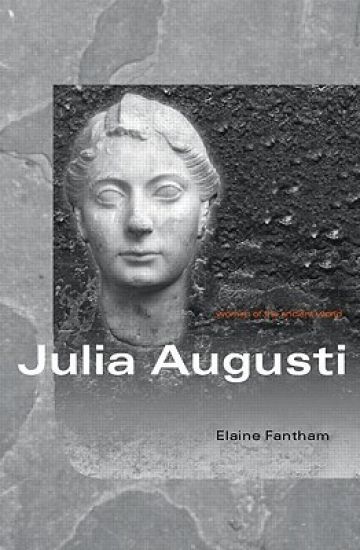
This scholarly biography details the life of an extraordinary woman in an extraordinary society.Julia Augusti studies the life of the only daughter of Augustus, the first Roman emperor, and the father who sacrificed his daughter and her children in order to establish a dynasty.Studying the abundant historical evidence available, this biography studies each stage of Julia’s life in remarkable detail: her childhood - taken from her divorced mother to become part of a complex and unstable family structureher youth - set against the brilliant social and cultural life of the new Augustan Romeher marriages - as tools for Augustus’ plans for successionJulia’s violation of her father’s moral regime, and the betrayal of her absent husband.Reflecting new attitudes, and casting fresh light on their social reality, this outstanding biography will delight, entertain and inform anyone interested in this engaging Classical figure.
This scholarly biography details the life of an extraordinary woman in an extraordinary society.Julia Augusti studies the life of the only daughter of Augustus, the first Roman emperor, and the father who sacrificed his daughter and her children in order to establish a dynasty.Studying the abundant historical evidence available, this biography studies each stage of Julia’s life in remarkable detail: her childhood - taken from her divorced mother to become part of a complex and unstable family structureher youth - set against the brilliant social and cultural life of the new Augustan Romeher marriages - as tools for Augustus’ plans for successionJulia’s violation of her father’s moral regime, and the betrayal of her absent husband.Reflecting new attitudes, and casting fresh light on their social reality, this outstanding biography will delight, entertain and inform anyone interested in this engaging Classical figure.
Elaine Fantham provides here a fresh Latin text of Seneca's Traodes and an English version, with an extensive introduction and critical commentary--the first separate treatment of the play in English since Kingery's 1908 edition. Arguing that the Troades was not intended for stage production, the author also discusses the atmosphere of Rome at the time the play was written, when both political and poetic life were felt to be in decline. Although Seneca's plays reflect his experience of tyranny, corruption, and compromise, they are enriched by his contract with the nobler world of poetry. Demonstrating how Seneca loved and imitated the Augustan poets, Professor Fantham reveals the originality that is part of his imitation.Professor Fantham discusses not only the particular characteristics of Seneca's generation but the interplay of his moral and poetic concerns in relationship to his subject--the Trojan captivity.By analyzing his reactions to accounts of this theme in Homer, Euripides, and Augustan epic, she explains his methods and motives in composition.Comparison of the play with Seneca's other works and with other drama exposes some inconsistency, formulaic writing, and excess of ingenuity. It also reveals the influence of epic in loosening his dramtic form and makes apparent his immense vitality.Elaine Fantham is Professor of Classics at the University of Toronto and author of Comparative Studies in the Republican Latin Imagery (Toronto).Originally published in 1983.The Princeton Legacy Library uses the latest print-on-demand technology to again make available previously out-of-print books from the distinguished backlist of Princeton University Press. These editions preserve the original texts of these important books while presenting them in durable paperback and hardcover editions. The goal of the Princeton Legacy Library is to vastly increase access to the rich scholarly heritage found in the thousands of books published by Princeton University Press since its founding in 1905.
Elaine Fantham provides here a fresh Latin text of Seneca's Traodes and an English version, with an extensive introduction and critical commentary--the first separate treatment of the play in English since Kingery's 1908 edition. Arguing that the Troades was not intended for stage production, the author also discusses the atmosphere of Rome at the time the play was written, when both political and poetic life were felt to be in decline. Although Seneca's plays reflect his experience of tyranny, corruption, and compromise, they are enriched by his contract with the nobler world of poetry. Demonstrating how Seneca loved and imitated the Augustan poets, Professor Fantham reveals the originality that is part of his imitation.Professor Fantham discusses not only the particular characteristics of Seneca's generation but the interplay of his moral and poetic concerns in relationship to his subject--the Trojan captivity.By analyzing his reactions to accounts of this theme in Homer, Euripides, and Augustan epic, she explains his methods and motives in composition.Comparison of the play with Seneca's other works and with other drama exposes some inconsistency, formulaic writing, and excess of ingenuity. It also reveals the influence of epic in loosening his dramtic form and makes apparent his immense vitality.Elaine Fantham is Professor of Classics at the University of Toronto and author of Comparative Studies in the Republican Latin Imagery (Toronto).Originally published in 1983.The Princeton Legacy Library uses the latest print-on-demand technology to again make available previously out-of-print books from the distinguished backlist of Princeton University Press. These editions preserve the original texts of these important books while presenting them in durable paperback and hardcover editions. The goal of the Princeton Legacy Library is to vastly increase access to the rich scholarly heritage found in the thousands of books published by Princeton University Press since its founding in 1905.
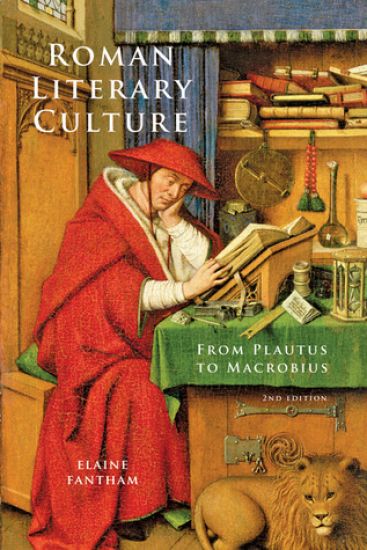
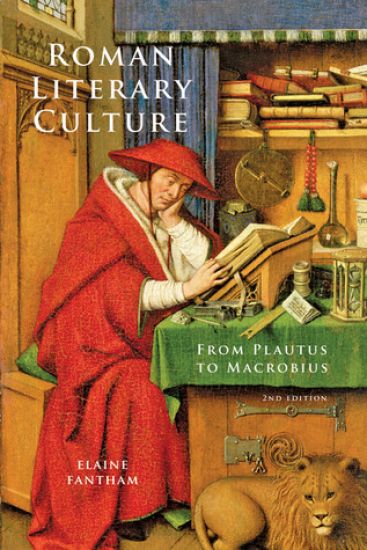
Scholars of ancient literature have often focused on the works and lives of major authors rather than on such questions as how these works were produced and who read them. In Roman Literary Culture, Elaine Fantham fills that void by examining the changing social and historical context of literary production in ancient Rome and its empire. Fantham's first edition discussed the habits of Roman readers and developments in their means of access to literature, from booksellers and copyists to pirated publications and libraries. She examines the issues of patronage and the utility of literature and shows how the constraints of the physical object itself-the ancient "book" - influenced the practice of both reading and writing. She also explores the ways in which ancient criticism and critical attitudes reflected cultural assumptions of the time. In this second edition, Fantham expands the scope of her study. In the new first chapter, she examines the beginning of Roman literature-more than a century before the critical studies of Cicero and Varro. She discusses broader entertainment culture, which consisted of live performances of comedy and tragedy as well as oral presentations of the epic. A new final chapter looks at Pagan and Christian literature from the third to fifth centuries, showing how this period in Roman literature reflected its foundations in the literary culture of the late republic and Augustan age. This edition also includes a new preface and an updated bibliography.
Scholars of ancient literature have often focused on the works and lives of major authors rather than on such questions as how these works were produced and who read them. In Roman Literary Culture, Elaine Fantham fills that void by examining the changing social and historical context of literary production in ancient Rome and its empire. Fantham's first edition discussed the habits of Roman readers and developments in their means of access to literature, from booksellers and copyists to pirated publications and libraries. She examines the issues of patronage and the utility of literature and shows how the constraints of the physical object itself-the ancient "book"-influenced the practice of both reading and writing. She also explores the ways in which ancient criticism and critical attitudes reflected cultural assumptions of the time. In this second edition, Fantham expands the scope of her study. In the new first chapter, she examines the beginning of Roman literature-more than a century before the critical studies of Cicero and Varro. She discusses broader entertainment culture, which consisted of live performances of comedy and tragedy as well as oral presentations of the epic. A new final chapter looks at Pagan and Christian literature from the third to fifth centuries, showing how this period in Roman literature reflected its foundations in the literary culture of the late republic and Augustan age. This edition also includes a new preface and an updated bibliography.
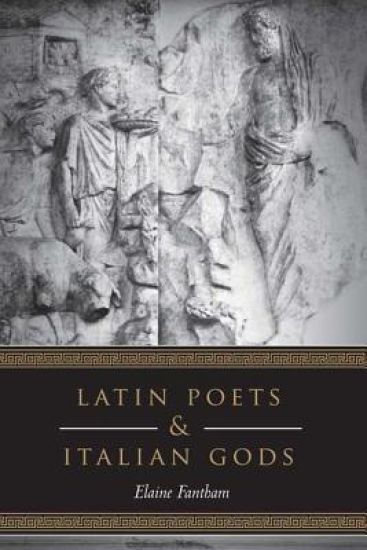
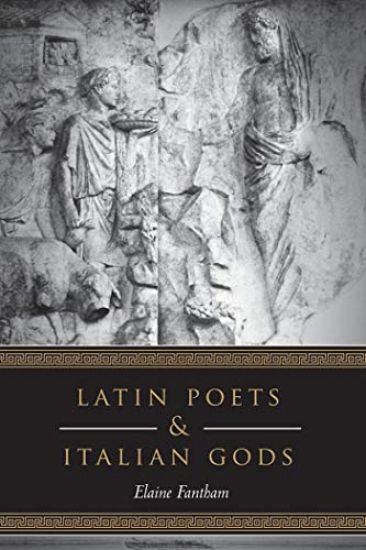
Based on Elaine Fantham's 2004 Robson lectures, Latin Poets and Italian Gods reconstructs the response of Roman poets in the late republic and Augustan age to the rural cults of central Italy. Study of Roman gods is often limited to the grand equivalents of the Olympian Greek deities such as Jupiter, Mars, and Juno. However, real-life Italians gave a lot of their affection and loyalty to humbler gods with no Greek equivalent: local nymphs who supplied healing waters, the great Tiber river and other lesser rivers, the lusty garden god Priapus, and more. Latin Poets and Italian Gods surveys the representation of these old country gods in poets from Plautus to Statius. Fantham offers historical and epigraphic evidence of worship offered to these colourful lesser spirits and reveals the emotional importance of local Italian deities to the sophisticated poets of the Augustan age.
Based on Elaine Fantham's 2004 Robson lectures, Latin Poets and Italian Gods reconstructs the response of Roman poets in the late republic and Augustan age to the rural cults of central Italy. Study of Roman gods is often limited to the grand equivalents of the Olympian Greek deities such as Jupiter, Mars, and Juno. However, real-life Italians gave a lot of their affection and loyalty to humbler gods with no Greek equivalent: local nymphs who supplied healing waters, the great Tiber river and other lesser rivers, the lusty garden god Priapus, and more. Latin Poets and Italian Gods surveys the representation of these old country gods in poets from Plautus to Statius. Fantham offers historical and epigraphic evidence of worship offered to these colourful lesser spirits and reveals the emotional importance of local Italian deities to the sophisticated poets of the Augustan age.
Of all stylistic devices, imagery has the greatest appeal to the imagination, but is also the most likely to offend, either by staleness or by tasteless excess. This volume establishes some of the limitations which govern figurative language in Latin speech and prose by exploring such questions as these: From what physical or social contexts is Latin imagery derived? To what extent is it influenced by the primacy of Greek as a cultural language and the derivation of the earliest Latin literature from Greek models? How are the metaphors expressed in terms of syntax, through verb, noun, adjective, or a combination of syntactical forms? How are the form and content of imagery related to the literary genre? In this study Professor Fantham analyses in detail the conservative imagery of Terence and of Cicero's letters, contrasting this naturalistic language with the fantasies of Plautus and the formalization of Cicero's speeches. A separate chapter on the de Oratore shows how the thematic and structural use of metaphor and analogy provide balance and continuity, giving Latin prose imagery its full role in a mature classical work of art. Numerous illustrative passages from Greek New Comedy, Terence, Plautus, and Cicero are reproduced in the text.
This volume presents closely connected articles by Elaine Fantham, which deal with Roman responses to Greek literature on three major subjects: the history and criticism of Latin poetry and rhetoric, women in Roman life and dramatic poetry and the poetic representation of children in relation to their mothers and teachers. The volume opens with papers on Roman comedy: Menaechmi, Trinummus, Hautontimorumenos, papers on women of the demimonde in Truculentus and Eunuchus, Cistellaria and Poenulus. The second part deals with rhetoric, including the subject of imitation as a stylistic feature, the study of performance comparing oratory and comedy and of declamation. Papers on Ovid's Fasti include a study of failed rape-scenes and papers concerned with women's cults. The last part (Senecan tragedy, Lucan, Statius) focuses on Lucan's Civil War and his treatment of Caesar as well as Statius' Thebaid and Achilleid.
Ovid's stories melt moral conventions, explore ambiguities, and dissolve boundaries between men, women, animals, gods, plants, and the mineral world; in doing so they contrive to seduce readers. Ovid's dark pleasure in telling such stories with a full register of tones is palpable. But the stories of sexual encounter in the Metamorphoses are also infused with deep questions. What does it mean to have thoughts and passions trapped inside a changeable body? What is a self, and where are its edges? If someone can pierce you in sex and in love, how do you survive? And if your outer form changes, what lasts? In Change Me, Jane Alison, critically acclaimed author of The Love-Artist, renders substantial portions of Ovid's great epic into elegant and remarkably faithful English. Her focus is on episodes that involve desire, sexuality, and the transformations brought about by powerful emotion; because these themes are so central to the Metamorphoses, Alison introduces them with a selection of elegies from Ovid's Amores, the collection with which the poet launched his career. When these selections are taken together, Alison's Ovid comes alive; the Roman poet's great ability to perform contemporary themes through mythical subject matter, and vice versa, is Alison's guiding principle and Muse. Change Me will transform forever readers' experience of this most ingenious of poets. FEATURES The thematically organized translations are lucid, apt, precise, and playful Elaine Fantham's Foreword places Ovid in his Augustan context Alison Keith's introduction offers an overview of gender and sexuality in the ancient world Incorporates sixteen color plates from classical antiquity that illustrate Ovidian themes Audio recordings (read by Alison) of sixteen selected passages are available at www.oup.com/us/alison
The Roman World of Cicero's De Oratore aims to provide an accessible study of Cicero's first and fullest dialogue, on the ideal orator-statesman. It illustrates the dialogue's achievement as a reflection of a civilized way of life and a brilliantly constructed literary unity, and considers the contribution made by Cicero's recommendations to the development of rhetoric and higher education at Rome. Because Cicero deliberately set his extended conversation in the generation of his childhood teachers, a study of the dialogue in its historical setting can show how the political and cultural life of this earlier period differed from Cicero's personal experience of the collapse of senatorial government, when the overwhelming power of the `first triumvirate' forced him into political silence in the last decade of the republic. After an introductory chapter reviewing Cicero's position on return from exile, chapters include a comparative study of the careers of M. Antonius and L. Licinius Crassus, protagonists of the dialogue, a discussion of Cicero's response to Plato's criticisms of rhetoric in the Gorgias and Phaedrus, and his debt to Aristotle's Rhetoric, analysis of the dialogue's treatment of Roman civil law, existing Latin literature and historical writing, Strabo's survey of the sources and application of humour, political eloquence in senate and contio, theories of diction and style, and the techniques of oral delivery. An epilogue looks briefly at Cicero's De re publica and Tacitus' Dialogus de oratoribus as reflections on the transformation of oratory and free (if oligarchic) republican government by debate to meet the context of the new autocracy.
The Booker-shortlisted author of Umbrella writes his most American novel yet--a brilliant portrait of a 1950s housewife, based on the life of the author's mother, and an exploration of sexual freedom and sublimated desire, set between the dining halls of Cornell University and the raucous parties of midcentury New York CityWill Self is one of the most inimitable contemporary writers in the English language, dubbed "the most daring and delightful novelist of his generation" by The Guardian. In this brilliantly conceived new novel Self turns his forensic eye and technicolor imagination to the troubled life of his mother, Elaine. Standing by the mailbox outside 1100 Hemlock Street in Ithaca, New York, Elaine thinks of her husband and child inside her house and wonders: is this . . . it? As she begins to push back against the strictures of her life in 1950s America, she undertakes a disastrous affair that put her first marriage to an Ivy League academic and former Communist Party member in peril. Based on the intimate diaries Self's mother kept for over forty years, Elaine is a writer's attempt to reach the almost unimaginable realm: a parent's interior life prior to his own existence. Perhaps the first work of auto-oedipal fiction, Elaine shows Will Self working in an exciting new dimension, utilizing his stylistic talents to tremendous effect.
The Booker-shortlisted author of Umbrella writes his most American novel yet--a brilliant portrait of a 1950s housewife, based on the life of the author's mother, and an exploration of sexual freedom and sublimated desireWill Self is one of the most inimitable contemporary writers in the English language, dubbed "the most daring and delightful novelist of his generation" by The Guardian. In this brilliantly conceived new novel Self turns his forensic eye and technicolor imagination to the troubled life of his mother, Elaine. Standing by the mailbox outside 1100 Hemlock Street in Ithaca, New York, Elaine thinks of her husband and child inside her house and wonders: is this . . . it? As she begins to push back against the strictures of her life in 1950s America, she undertakes a disastrous affair that places her marriage to an Ivy League academic and former Communist Party member in peril. Based on the intimate diaries Self's mother kept for over forty years, Elaine is a writer's attempt to reach the almost unimaginable realm: a parent's interior life prior to his own existence. Perhaps the first work of auto-oedipal fiction, Elaine shows Will Self working in an exciting new dimension, employing his stylistic talents to tremendous effect.