Emilio Iodice's latest book resembles an elaborate painting, utilizing a broad spectrum of colors, tones, and styles that will lead you to those places you aspire to reach but rarely ever see. It is the product of collecting his shorter works, including articles, essays, stories, and lectures into one cohesive piece. Each section is designed for reading aloud, so the impact leaps from the page to inform, inspire, and enrich listeners' hearts and minds. The narrative thrust is a biographical story of two families' harrowing journey of immigration that uplifts the spirit and probes into the soul. This multi-generational saga conveys the power of blood ties, shared sorrow, and unquenchable strength. Full of images, from archival photographs to iconic works of art, Iodice guides the reader seamlessly from stories of family love to essays on singer Mario Lanza to inspirational quotes that chase away the darkness with light. Upon opening this great work, you will fully comprehend the art of reflection and take the first steps toward discovering a clear direction through the currents, rocks, shoals, and storms of existence, to arrive at the place of which you've dreamt but could not see.
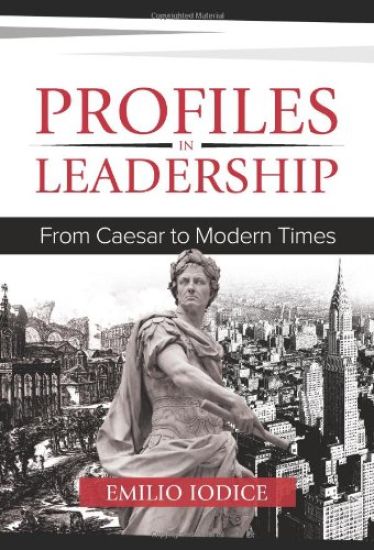
Dalla penna di Emilio Iodice nasce una serie di opere brevi, che segue i suoi tre libri, Profiles in Leadership from Caesar to Modern Times (Profili di Leadrship da Cesare ai tempi moderni), A Kid from Philadelphia (Un ragazzo di Filadelfia), Mario Lanza, the Voice of the Poets (Mario Lanza, la voce dei poeti) e Sisters (Sorelle). Spiega il motivo di questa raccolta nella sua prefazione: Scrivere per me come dipingere. trasformare i colori in parole e le parole in storie che ci portino in un luogo che volevamo raggiungere, ma che non sapevamo che esistesse. Molti di quelli che hanno letto i mie libri, i miei articoli e saggi, e che hanno ascoltato le mie lezioni e discorsi, mi hanno chiesto di raccogliere questi lavori pi brevi e di pubblicarli. Questo il risultato di quello sforzo. Spero che possano informare, ispirare ed arricchire le nostre menti e i nostri cuori nel viaggio verso la pace, la saggezza, la comprensione e l'amore. Negli ultimi dieci anni, ho preparato una serie di opere brevi destinate alla mia famiglia, agli amici, agli studenti e al pubblico in genere. Sono pensate per elevare lo spirito e sondare l'anima. Alcune sono biografiche e non di finzione come: Giovannina, Lucia, The Forgotten Pope (Il Papa dimenticato), A Tale of Two Saints and a Hero (Racconto di due santi e un eroe), A Christmas Story (Una storia di Natale), The Longshoreman and the Toymaker and The Fisherman and the Millionaires (Lo scaricatore di porto e il giocattolaio e il pescatore e i milionari). Altre sono dedicate al concetto di leadership come Lincoln and the Mount Rushmore Phenomenon (Lincoln e il fenomeno del Monte Rushmore), The Common Denominators of Great Leadership (I comuni denominatori della grande leadership) e It's All About Leadership ( tutta questione di leadership), o si tratta di discorsi come The Journey (Il viaggio), To Do the Right Thing (Fai la cosa giusta) e A Life of Meaning (Una vita significativa). Altre ancora sono delle novelle con un messaggio sulla tragedia e sull'anima come Boy's Life (Vita di un ragazzo), e Shipwreck (Naufragio), un estratto dal mio prossimo libro: Birthplace (Luogo di nascita) e The Knight (Il cavaliere), la storia di un ragazzo che diventa un combattente globale della Guerra Fredda. L'ultimo racconto ruota intorno a una ricetta: Pesto Al Emilio (Pesto alla Emilio), un storia di ricerca, riflessione, sperimentazione e amore, le cose che dovrebbero essere pi importanti nella vita. Quest'opera si divide in Famiglia, Leadership, Vita, Discorsi e Messaggi. Ciascuna sezione contiene delle riflessioni personali accompagnate da parole di saggezza di altri. Queste riflessioni introducono l'argomento. Amplificano i pensieri che ho preparato e fungono come una sorta di mappa e bussola che ci aiuta a viaggiare dal passato al presente, proiettandoci poi nel futuro. Che Dio ci benedica tutti.
Leaders like Winston Churchill taught us to be courageous, to rise strong, and embrace fear. Steve Jobs was not absence of fear, yet he triumphed over it. Now, based on research conducted by the author, Emilio Iodice shows us how to put their ideas and those of other leaders into practice so we can step up and lead."Success is not final, failure is not fatal: it is the courage to continue that counts." Winston Churchill"The brave man is not he who does not feel afraid, but he who conquers that fear." Nelson Mandela "All our dreams can come true, if we have the courage to pursue them." Walt Disney In this book, Emilio showcases people who overcame fear. It covers the great and the unknown, the rich and famous and the forgotten men and women who truly made a difference in our world. The book is organized in three parts: Political Courage covers the conflict between what is best for country vs. what is best for the politician. Personal and Professional Courage deals with our daily lives and our careers and our ability to confront pain, intimidation, survival and the willingness to do the right thing.Spiritual Courage concerns our place in the universe, belief in a higher being and our mission to improve mankind and the world we live in. From the President to the fisherman, the peddler to the baseball player, to the nun and the holy man in India, each needs courage to lead by themselves. Their words, their lives are as meaningful to us today as they were decades ago. Your time is limited, so have the courage to follow your heart and intuition.This book is for anyone who wants to step up and into brave leadership.
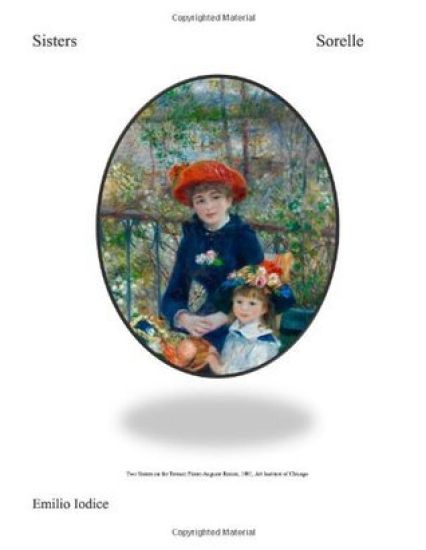
Sisters Sorelle Lucia and Giovannina were sisters. They shared the same history, heritage, customs and ways. They had the same blood and lived in a family rich in adventure, prosperity and tradition and were raised on an island in the middle of the sea. Suddenly they parted. Lucia went to America and began a life that separated her from her loved ones for nearly forty years. Giovannina stayed behind. This is their tale of adventure. Lucia e Giovannina erano sorelle. Sono cresciuti insieme. Hanno condivisi la storia, i costumi e modi della lora famiglia. Avevano lo stesso sangue e vivevano in una casa ricca di avventura, benessere e tradizione e sono state sollevate su un'isola al centro del Mediterraneo . Improvvisamente si separarono. Lucia and in America e ha iniziato un viaggio che l'avrebbe separato dai suoi cari per quasi 40 anni. Giovannina rimase. Questa la loro storia . Lucia "My first memories are of her. I remember the first sights, sounds and smells of life. I opened my senses to the world and I remember her voice, her face and the sweet smell of her perfumed talcum powder. I remember her warm, secure embrace and I remember how she gently pinned the soft cotton cloth to me. I remember my eyes seeing light and colors for the first time and the lights and colors were her face. I remember the first sounds that filled my mind were tender notes that seemed like exotic music. I remember how they would soothe me and make me feel special and safe. I remember my first sweet echoes of life from Mamma. My first words were her words... I remember how she would tuck the covers and blankets around me to make sure I was safe as I went off to sleep with the angels and would awaken to the sound of her words. I remember so much and so little but most of all I remember Mamma." "I miei primi ricordi sono di lei. Ricordo cosa vidi, ascoltai, annusai per la prima volta nella mia vita. Di quando aprii i sensi al mondo, ricordo la sua voce, il suo volto e il dolce profumo del suo borotalco... Ricordo che mi prendeva come un mazzo di fiori e ricordo che la prima luce e i primi colori che videro i miei occhi erano le luci e i colori del suo volto. Ricordo che i primi suoni che mi riempirono la mente furono dolci note di musica esotica. Ricordo come mi consolavano e mi facevano sentire speciale e al sicuro. Ricordo che le mie prime dolci visioni erano fatte di lei. Giovannina "In my mind's eye I can still see her waiting for us at the railing. I can still see that warm, gentle figure in white, wearing a simple dress with a small yellow sweater, thick reading glasses and locks of thin white hair crowning her brilliant mind. I can still see her waiting there on the steps outside her door of that petite apartment which, for me, was a tiny "oasis" and a safe fortress... I can still see the gleam of happiness in her eyes as we would walk up the stairs to kiss and hug her. I can still see the look of love in her face and the joy of having her family once again in her arms... I can still see the look of loss as she waved good bye from that railing as we left to go on our way." "Con l'occhio della mente la vedo ancora aspettandoci davanti l'inferriata. Vedo ancora quella affetuosa, delicata figura in bianco, vestita con un grembiule semplice con una maglietta gialla, occhiali da lettura spessi, e ciocche di capelli bianchi adornanti la sua mente brillante. La vedo aspettando, sui gradini davanti la porta di quel piccolo appartamento, che per me era un rifugio, una fortezza sicura dal insicurezza quotidiana Emilio Iodice is a former Diplomat, top executive in the public and private sector, decorated officer of the US Government and a professor of leadership. Books include Profiles in Leadership from Caesar to Modern Times, and A Kid from Philadelphia, Mario Lanza, Voice of the Poets. New books include Future Shock 2.0 and Essays, Collected Short Works of E
2106 Selecting the President, The Most Important Decision You will Ever Make This book is an urgent wake up call. The election of 2016 will be one of the most important in American history. Our choice of President will affect the future of the United States and the world for the rest of the 21st century. Every four years Americans elect a new Chief Executive. The person chosen is not just President of the United States. The position is of global leader, global decision maker and global visionary. The President can determine the fate of the human race. The person selected must fulfill a number of complex and interconnected functions: Chief of State: The Ceremonial Head of the US. Chief Executive: The holder of the executive power. Chief Administrator: The leader of the Executive branch of the Federal Government Chief Diplomat: The main architect of US ForeignPolicyandthe nation's ChiefSpokespersonto other countries. Commander in Chief: In charge of the nation's armed forces. Chief Legislator: The main author of public policy. Chief of Party: The leader of his or her political party. It is not enough to select someone with qualities that fit our national needs when the stakes are planetary. The future of the world depends on an America that is strong, just and fair. This is embodied in our history, traditions and institutions and in the People and nations look to America to provide a model of what we all should be. They imitate our culture, examine and study our laws and emulate our ideas and ideals. We are a lighthouse in the darkness for millions who live beyond our shores. It is a responsibility. We should embrace the task even if we are not without flaws. There is no one else on earth to offer the proper vision and leadership for our globe but the United States of America. We have no choice. If we fail, the forces of intolerance and tyranny will prevail. Our survival is at stake. It is also at risk for those who look to us for leadership across the globe. We are not perfect but should strive for perfection. Our leaders are not saints but should seek to be models of integrity. They should be expected to do the right thing even if it is not the right time. We will never solve all our problems but should work to overcome them in good faith and honesty. With proper leadership we can try to resolve the great issues that affect our lives, and the earth we inhabit, with fairness, liberty, justice and reason. The American Presidency symbolizes these principles. This book is not an endorsement of one candidate over another. Instead, it is about the qualities we should demand that the President of the United States have to be the leader of a world that endeavors to provide opportunities for all in an atmosphere of freedom. No one person will have them all. Even so, we should try to select someone who comes as close to the ideal without the illusion that saints sit in the Oval Office. They do not. At the same time, we cannot tolerate chronic sinners controlling the apparatus of the most powerful country on the planet. We should realize that we do not elect a President but elect a government. The Chief Executive of America appoints thousands who administer the apparatus of the largest bureaucracy on earth. They should reflect the same leadership qualities of those who appointed them to roles of public trust. The process of voicing the qualities we need should be from "the bottom up" and not "the top down." Today we have the means to articulate what we feel are the traits that our top leader should have. Social media provides a new platform for all classes to communicate debate, convey and vent feelings from the bottom so that the top understands what we need at this time in our history. We should encourage discussion in all forms of media until it is clear that we will select and not settle for anyone but the best and brightest to be President of the United States.
A Guy who gets caught up in life with LOVE, MONEY, & BETRAYAL, Who than tries to escape the reality of his actions after dealing with some real life situations when it came down to his WOMEN, POWER, & HUSTLE
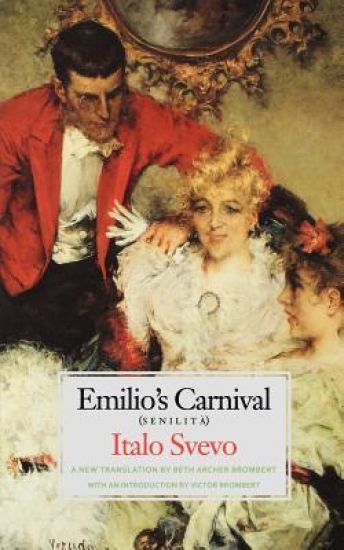
Italo Svevo’s early novel Senilità (1898) remained unknown for many years until James Joyce encountered the novelist in Trieste and came to admire Senilità as a preeminent modern Italian novel. Joyce helped to launch Svevo’s career, and years later Svevo achieved great fame with his masterpiece, Confessions of Zeno. In Senilità, Svevo tells the story of the amorous entanglement of Emilio, a failed writer already old at thirty-five, and Angiolina, a seductively beautiful but promiscuous young woman. A study in jealousy and self-torment, the novel traces the intoxicating effect of a narcissistic and amoral woman on an indecisive daydreamer who vacillates between guilt and moral smugness. The novel is suffused with a tragic sense of existence, and the unbreachable distance between one consciousness and another. Svevo’s unmistakably modern voice subtly captures rapid shifts in mood and intention, exploiting irony, indirection, and multiple points of view to reveal Emilio’s increasing anguish as he comes to recognize the dissonance between himself and his world.
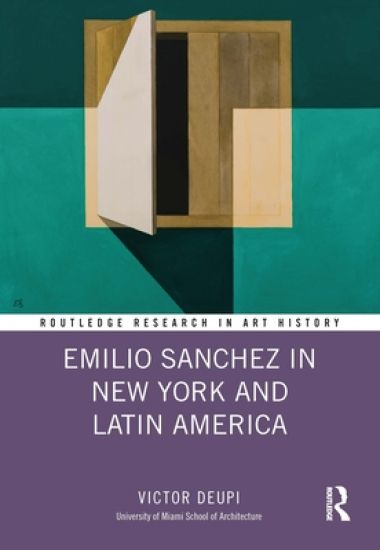
This book focuses on the life and artistic activities of Emilio Sanchez (1921–1999) in New York, and Latin America in the 1940s and 1950s. More specifically, the book will consider Sanchez in the wider context of mid-century Cuban artists, and cross-cultural exchange between New York, Cuba, and the Caribbean. The book reflects on why Sanchez chose to be a mobile observer of the American and Caribbean vernacular at a time when such an approach seemed at odds with the mainstream avant-garde. The book includes a foreword by Dr. Ann Koll, former Executive Director/Curator of the Emilio Sanchez Foundation, and an introduction by Dr. Nathan J. Timpano, University of Miami Department of Art and Art History. This book will be of interest to scholars in modern art, Caribbean studies, architectural history, and Latin American and Hispanic studies.
This book focuses on the life and artistic activities of Emilio Sanchez (1921–1999) in New York, and Latin America in the 1940s and 1950s. More specifically, the book will consider Sanchez in the wider context of mid-century Cuban artists, and cross-cultural exchange between New York, Cuba, and the Caribbean. The book reflects on why Sanchez chose to be a mobile observer of the American and Caribbean vernacular at a time when such an approach seemed at odds with the mainstream avant-garde. The book includes a foreword by Dr. Ann Koll, former Executive Director/Curator of the Emilio Sanchez Foundation, and an introduction by Dr. Nathan J. Timpano, University of Miami Department of Art and Art History. This book will be of interest to scholars in modern art, Caribbean studies, architectural history, and Latin American and Hispanic studies.
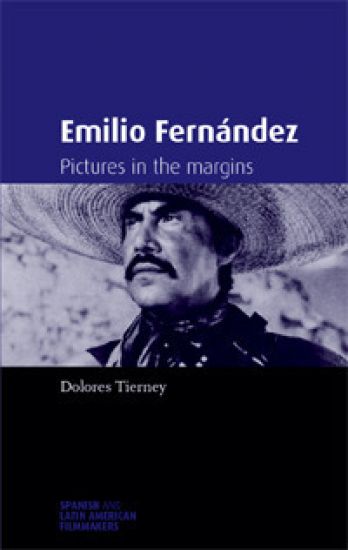
Emilio Fernández: Pictures in the Margins is the first book-length English language account of Emilio Fernández (1904-1986) the most successful director of classical Mexican Cinema, famed with creating films that embody a loosely defined Mexican school of filmmaking. However, rather than offer an auteurist study this book interrogates the construction of Fernández as both a national and nationalist auteur (including racial and gender aspects e.g. as macho mexicano and indio). It also challenges auteurist readings of the films themselves in order to make new arguments about the significance of Fernández and his work. The aim of this book is to question Mexico’s fetishisation of its own position on the peripheries of the global cultural economy and the similar fetishisation of Fernández’s marginalisation as a mixed race (part white and part indigenous) director. This book argues that, as pictures in the margins, classical Mexican cinema and specifically Fernández’s films are not transparent reflections of dominant post Revolutionary Mexican culture, but annotations and re-inscriptions of the particularities of Mexican society in the post-Revolutionary era.
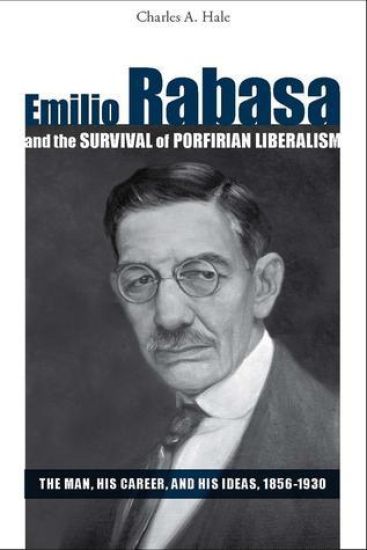
This is an intellectual and career biography of Emilio Rabasa, the eminent Mexican jurist, politician, novelist, diplomat, journalist, and historian who opposed the Revolution of 1910-20, spent the years 1914 to 1920 in exile, but returned and was reintegrated into Mexican life until his death in 1930. Though he is still idolized by the juridical community of Mexico City, little is known about Rabasa beyond his principal publications. He was a reserved, enigmatic man who kept no personal archive and sought a low public profile. Hale reveals unknown aspects of his life, career, and personality from two extensive bodies of correspondence—with Jos Yves Limantour, finance minister from 1893 to 1911, and William F. Buckley, Sr., American lawyer and petroleum entrepreneur. He also analyzes Rabasa's political, juridical, and social ideas, arguing that they demonstrate continuity and even survival of late nineteenth-century liberalism through the revolutionary years and beyond. Rabasa's was a transformed liberalism, based on scientific politics drawn from European positivism and historical constitutionalism—an elitist rejection of abstract doctrines of natural rights and egalitarian democracy, emphasizing strong centralized yet constitutionally limited authority and empirically based economic development.
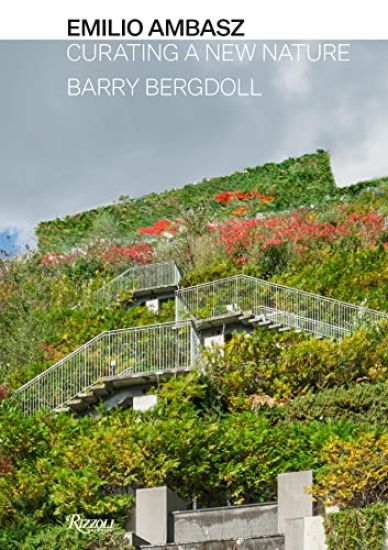
Famously labelled the father, poet, and prophet of green architecture and a vocal proponent of the idea that any project in architecture or design must present new or better ways of living or be deemed immoral, Emilio Ambasz is an award-winning architect, industrial designer, and protean maker of forms. He has invented highly efficient engines, modular furniture, streetlamps, flexible pens, expandable suitcases, ergonomic door handles, wrist-computers, dental hygiene systems, and 3D posters. He created the Vertebra chair, the first ever automatic, ergonomic chair in the world, now part of the permanent collections at MoMA and The Met in New York. In architecture he has long been a pioneer, and has retained a belief in the environment, or rather the larger ecology, as fundamental in viewing the world: as Professor Bergdoll notes of Ambasz in his introduction, his philosophy of green over gray may often have fallen on deaf ears at the height of Postmodernism, but it today seems profoundly relevant. And it is in the context of today that the book considers the work of Emilio Ambasz and its three main areas of concentration architecture, industrial design, curating with an aim of shining a light on the interdisciplinary nature of the work as a whole. Featuring built and manufactured designs that have achieved iconic fame and challenged others to approach new ways of reconciling architecture and nature notably the Prefectural Hall at Fukuoka, Japan, and the conservatory buildings of the San Antonio Botanical Garden, in addition to his own unique house outside Seville in Spain the book also considers Ambasz s work as curator at MoMA and his ongoing influence and legacy.