

Kirjahaku
Etsi kirjoja tekijän nimen, kirjan nimen tai ISBN:n perusteella.
1000 tulosta hakusanalla Facia Horne


This tale is ideal for children and teens, from the moment the main character hears the singing of a cricket on a farm, to when he is taken to the marvelous Kingdom of the Insects. On the other hand, adults and the elderly are marveled by the awkward and difficult situations Geordano faces in a succession of episodes that occur between him and the Amazing Talking Cricket. This book could one day be made into a G-rated film that would be healthy entertainment for the entire family.

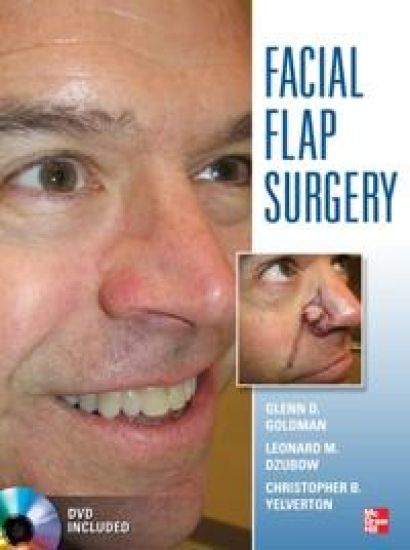
Facial Flaps Surgery
Glenn Goldman; Leonard Dzubow; Christopher Yelverton
McGraw-Hill Medical
2012
nidottu
Publisher's Note: Products purchased from Third Party sellers are not guaranteed by the publisher for quality, authenticity, or access to any online entitlements included with the product.A unique combination text and atlas gives you expert guidance on facial reconstruction DVD with video of 35 proceduresFacial Flap Surgery delivers ready-to-use insights making surgical protocols more accessible than ever. Combining a text and atlas, this two-in-one resource also features an all-inclusive, yet streamlined presentation that is packed with hundreds of photographs and drawings that take you step by step through every procedure.Facial Flap Surgery begins with an incisive review of the bioanatomy and mechanics of tissue movement, highlighting how to mobilize soft tissue to reconstruct cutaneous operative wounds. Next is an unsurpassed overview of all flap types, including some never published before: from advancement flaps to rotation and banner flaps. Another section examines the repair of specific facial features, including the nose, ear, lip, and temple. Last, complications such as hematomas and flap failure are covered, helping you achieve the best possible outcomes. FEATURES Illuminates the biomechanical properties and need-to-know subtypes of each flap category An atlas of real-life cases that aids you in determining which type of flap will provide optimal surgical outcomes for any patient In-depth chapters explain how to effectively utilize each of the flaps in surgeries for specific facial regions Companion DVD filled with 35 video clips offers an unmatched tutorial that takes you through the preparation and successful use of facial flaps in multiple facial regions

'You'll never be happy until you can think and feel and look like other people . . .' Jael 97 is an Alpha. Deemed over-privileged for her beauty, she is compelled to report to the Ministry of Facial Justice, where her face will be reconstructed. For Jael lives in the New State, created out of the devastation of the Third World War. Under the rule of the Darling Dictator, citizens must wear sackcloth and ashes, and only a 17.5% quotum of personality is permitted to each. Anything that inspires envy is forbidden.But Jael cannot suppress her rebellious spirit. Secretly, she starts to reassert the rights of the individual, and decides to hunt down the faceless Dictator.'An exquisitely entertaining fantasy' Observer

Scanning millions of faces each year, facial recognition technology (FRT) has become one of today's fastest growing and most controversial AI-driven surveillance technologies. Based on rare ethnographic access to police FRT deployments, Facial Recognition Surveillance: Policing and Human Rights in the Age of Artificial Intelligence delves into the profound impact of FRT on policing practices, surveillance capabilities, and human rights protections. It reveals how this technology shapes, and is also shaped by, the complex environments in which it is deployed, dramatically reshaping police-citizen interactions. This book exposes the selective scientific and legal narratives that justify the expansion of AI-driven surveillance. It draws on cutting-edge human rights theory to propose a due diligence framework tailored to police use of FRT and introduces the concept of 'compound human rights harm' to capture the multifaceted impact of surveillance. Integrating insights from the sociology of policing, science and technology studies, and human rights scholarship, this book advances a theoretically novel and empirically informed perspective that positions FRT as a socio-technical system capable of altering the fundamental nature of policing.
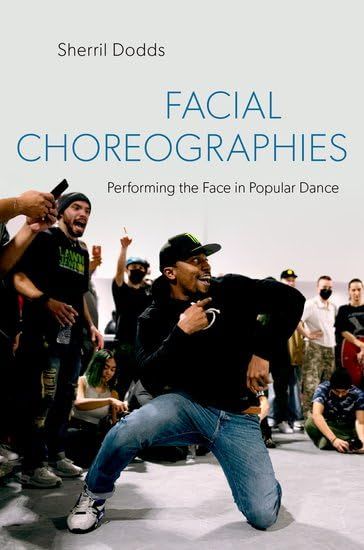
The face contributes a vital, yet often overlooked, component of dance performance. Facial Choreographies: Performing the Face in Popular Dance examines what the face does in dance and what it may mean. Author Sherril Dodds focuses on popular presentational dance, which permits the face to be one of excess and spectacle, as well as disclosure or deception. The concept of facial choreography resists the idea that the expressive countenance in dance is simply by chance, and instead conceives its movement as purposeful, creative, and communicative. The book centers on three facial case studies: global celebrity Michael Jackson, whose face has occupied a site of fervent controversy; Maddie Ziegler, child star of the reality television series Dance Moms and de facto face of pop star Sia; and a community of hip hop dancers who engage in fiercely contested dance battles. Chapters are organized according to action-expressions, actively working even in times of stillness: SMILE, LOOK, FROWN, CRY, SCREAM, and LAUGH. Across each case study, the book explores pedagogies of facial composition, the purpose of codified expressions, and how dancers re-choreograph their faces as a critical unworking of what a dancing visage might represent. Facial choreographies engender opportunity for startling creativity, the articulation of identity, a cathartic expression of emotions and attitudes, and the capacity to dismantle previously held assumptions. As the dancing face tauntingly slips between visual, sensory, and kinetic registers it ensures that nothing can be taken at face value.
The face contributes a vital, yet often overlooked, component of dance performance. Facial Choreographies: Performing the Face in Popular Dance examines what the face does in dance and what it may mean. Author Sherril Dodds focuses on popular presentational dance, which permits the face to be one of excess and spectacle, as well as disclosure or deception. The concept of facial choreography resists the idea that the expressive countenance in dance is simply by chance, and instead conceives its movement as purposeful, creative, and communicative. The book centers on three facial case studies: global celebrity Michael Jackson, whose face has occupied a site of fervent controversy; Maddie Ziegler, child star of the reality television series Dance Moms and de facto face of pop star Sia; and a community of hip hop dancers who engage in fiercely contested dance battles. Chapters are organized according to action-expressions, actively working even in times of stillness: SMILE, LOOK, FROWN, CRY, SCREAM, and LAUGH. Across each case study, the book explores pedagogies of facial composition, the purpose of codified expressions, and how dancers re-choreograph their faces as a critical unworking of what a dancing visage might represent. Facial choreographies engender opportunity for startling creativity, the articulation of identity, a cathartic expression of emotions and attitudes, and the capacity to dismantle previously held assumptions. As the dancing face tauntingly slips between visual, sensory, and kinetic registers it ensures that nothing can be taken at face value.

Cuando se esta construyendo la autoestima de su hijo, primero necesita para comenzar con los laberintos faciles. Confianza en uno mismo recibe un impulso cuando el nino termina una actividad sin depender de alguien mas. Empezar pequeno y poco a poco trabajo hacia los laberintos mas grandes, mas dificiles. Para los jugadores de la primera vez, aqui es el libro perfecto para empezar.

Facial Recognition Technology
National Academies Press
2024
nidottu
Facial recognition technology is increasingly used for identity verification and identification, from aiding law enforcement investigations to identifying potential security threats at large venues. However, advances in this technology have outpaced laws and regulations, raising significant concerns related to equity, privacy, and civil liberties. This report explores the current capabilities, future possibilities, and necessary governance for facial recognition technology. Facial Recognition Technology discusses legal, societal, and ethical implications of the technology, and recommends ways that federal agencies and others developing and deploying the technology can mitigate potential harms and enact more comprehensive safeguards.Table of ContentsFront MatterSummary1 Introduction2 Facial Recognition Technology3 Use Cases4 Equity, Privacy, Civil Liberties, Human Rights, and Governance5 Conclusions and RecommendationsAppendixesAppendix A: Statement of TaskAppendix B: Presentations to the CommitteeAppendix C: Committee Member Biographical InformationAppendix D: Disclosure of Unavoidable Conflict

Facial Nerve Rehabilitation, An Issue of Facial Plastic Surgery Clinics of North America
Daniel Alam
Elsevier - Health Sciences Division
2015
sidottu
Repair and restoration of the facial nerve takes exceptional skill in facial anatomy and surgery. In this issue of Facial Plastic Surgery Clinics, surgeon and academician Daniel Alam leads discussion by expert surgeons of topics such as Bell's Palsy, Botox in the treatment of facial paralysis; Management of the eye in facial paralysis; Static slings; Temporalis tendon transfer; Nerve transfer; Gracilis flaps; Sternohyoid flaps, New technologies in facial paralysis; and Physical therapy for facial rehabilitation. Each discussion includes diagnosis and procedural steps for best outcomes for function and cosmesis.

Facial Reconstruction Controversies, An Issue of Facial Plastic Surgery Clinics
Mark Wax
Elsevier - Health Sciences Division
2016
sidottu
This issue of Facial Plastic Surgery Clinics, guest edited by Dr. Mark Wax, is devoted to Facial Reconstruction Controversies. Articles in this timely issue include: Management of the Nasal Valve; Reconstruction of the Parotid Defect; Pediatric Rhinoplasty; Cleft Lip and Cleft Palate; Evidence-Based Medicine; Facial Re-animation; Management of the Trauma Patient; Post-operative Management of Free Tissue Transfer; Measuring Nasal Obstruction; Primary Rhinoplasty; Revision Rhinoplasty; The Role of Antibiotic Prophylaxis in Facial Plastic Surgery; Aging Face; Facial Transplantation; and Fillers and Resurfacing.

Facial Scar Management, An Issue of Facial Plastic Surgery Clinics of North America
David B. Hom
Elsevier - Health Sciences Division
2017
sidottu
This issue of Facial Plastic Surgery Clinics, guest edited by Dr. David Hom of the University of Cincinnati, is devoted to Facial Scar Management. Articles in this outstanding issue will focus on scar treatment of the forehead, periorbital region, cheek, nose, perioral and chin region, auricle region, scalp, neck, and oral mucosa. The issue will also address soft tissue management to minimize scarring, new scar treatments using lasers, and skin color and pigmentation in ethnic skin.

Facial Trauma Surgery
Elsevier - Health Sciences Division
2019
sidottu
Offering authoritative guidance and a multitude of high-quality images, Facial Trauma Surgery: From Primary Repair to Reconstruction is the first comprehensive textbook of its kind on treating primary facial trauma and delayed reconstruction of both the soft tissues and craniofacial bony skeleton. This unique volume is a practical, complete reference for clinical presentation, fracture pattern, classification, and management of patients with traumatic facial injury, helping you provide the best possible outcomes for patients' successful reintegration into work and society. Explains the basic principles and concepts of primary traumatic facial injury repair and secondary facial reconstruction. Offers expert, up-to-date guidance from global leaders in plastic and reconstructive surgery, otolaryngology and facial plastic surgery, oral maxillofacial surgery, neurosurgery, and oculoplastic surgery. Covers innovative topics such as virtual surgical planning, 3D printing, intraoperative surgical navigation, post-traumatic injury, treatment of facial pain, and the roles of microsurgery and facial transplantation in the treatment facial traumatic injuries. Includes an end commentary in every chapter provided by Dr. Paul Manson, former Chief of Plastic Surgery at Johns Hopkins Hospital and a pioneer in the field of acute treatment of traumatic facial injuries. Offers videos that clarify surgical technique, including intraoperative guidance and imaging; transconjunctival approach to the orbit and reconstruction of a zygomaticomaxillary complex fracture; calvarial bone autograft splitting; dental splinting; a systematic method for reading a craniofacial CT scan; and more. Features superb photographs and illustrations throughout, as well as evidence-based summaries in current areas of controversy. Enhanced eBook version included with purchase. Your enhanced eBook allows you to access all of the text, figures, and references from the book on a variety of devices.

Facial Injuries in Sports, An Issue of Clinics in Sports Medicine
Michael J. Stuart
Elsevier - Health Sciences Division
2017
sidottu
This issue of Clinics in Sports Medicine will focus on facial injuries and will include articles on the following: Epidemiology, Prevention; Initial Evaluation; Soft tissue injuries; Maxillofacial and Mandible Fractures; Nasal Injuries; Ear Injuries; and many more!

Facial Reconstruction Post-Mohs Surgery, An Issue of Facial Plastic Surgery Clinics of North America
James B. Lucas
Elsevier - Health Sciences Division
2017
sidottu
This issue of Facial Plastic Surgery CLinics, guest edited by Dr. James B. Lucas, is devoted to Facial Reconstruction Post-Mohs Surgery. Articles in this issue include Anatomy of the Skin and the Pathogenesis of Non-Melanoma Skin Cancer; Mohs Micrographic Surgery: the Essentials; Physiology and Biomechanics of Skin Flaps; Flap Basics I: Rotation and Transposition Flaps; Flap Basics II: Advancement Flaps; Flap Basics III: Interpolated Flaps; Skin and Composite Grafting Techniques; Scalp and Forehead Defects; Defects of the Eyelids; Auricular Defects; Cutaneous Nasal Defects; Defects of the Lips and Chin; Cheek Defects; and Scar Revision and Recontouring Post-Mohs Surgery.

Facial Palsy: Diagnostic and Therapeutic Management, An Issue of Otolaryngologic Clinics of North America
Teresa O; Nate Jowett
Elsevier - Health Sciences Division
2018
sidottu
This issue of Otolaryngologic Clinics, guest edited by Drs. Teresa M. O, Nate Jowett and Tessa Hadlock, is devoted to Facial Nerve Paralysis: Causes, Prevention, Reanimation, and Rehabilitation. Articles in this outstanding issue include: The Importance and Psychology of Facial Expression; General Approach to Facial Palsy; Outcomes Tracking in Facial Palsy; Medical Management of Acute Facial Palsy; Surgical Management of Acute Facial Palsy; Management of Flaccid Facial Paralysis for Less than Two Years; Management of Long-Standing Flaccid Facial Palsy: Periocular Considerations; Management of Long-Standing Flaccid Facial Palsy: Midface/Smile - locoregional muscle transfer; Management of Long-Standing Flaccid Facial Palsy: Midface /Smile and Static Sling; Management of Long-Standing Flaccid Facial Palsy: Brow, Midface, and Lower Lip; Medical Management of Post-Paralysis Facial Palsy/Synkinesis; Surgical Management of Post-Paralysis Facial Palsy/Synkinesis; Management of Facial Nerve Schwannoma; Management of Vestibular Schwannoma: Otologic and Facial Nerve Considerations; and Management of Bilateral Facial Palsy. CME is also available for Otolaryngologic Clinics of North America.

Facial Gender Affirmation Surgery, An Issue of Facial Plastic Surgery Clinics of North America
Michael T Somenek
Elsevier - Health Sciences Division
2019
sidottu
This issue of Facial Plastic Surgery Clinics, Guest Edited by Dr. Michael Somenek, is devoted to Facial Gender Affirmation Surgery. Articles in this timely issue include: Gender-Related Facial Analysis; Hormonal, Medical, and Non-surgical Aspects of Gender Reassignment; Preparing for Facial Feminization Surgery: Timing; Cheek Augmentation Techniques; Forehead and Orbital Rim Remodeling; Midfacial Bony Remodeling; Hairline Considerations for the Transgender Patient; Lower Jaw Recontouring; Chin Reshaping Techniques; Rhinoplasty for the Transgender Patient; Lip Lift Techniques; and Thyroid Cartilage Recontouring.
Facial Paralysis, An Issue of Facial Plastic Surgery Clinics of North America
Elsevier - Health Sciences Division
2021
sidottu
This issue of Facial Plastic Surgery Clinics, Guest Edited by Drs. Travis T. Tollefson and Jon-Paul Pepper MD, is dedicated to Facial Paralysis. This issue is one of four selected each year by our series consulting editor, Dr. J. Regan Thomas. Articles in this issue include, but are not limited to: Lessons from Gracilis Free Tissue Transfer for Facial Paralysis, Temporalis Tendon Transfer vs Gracilis free muscle, Facial Reanimation and Reconstruction of the Radical Parotidectomy, Timing of Nerve Transfer Options for Facial Paralysis, Dual Innervation: Technical Pearls of Hypoglossal and Masseteric to Facial Nerve, Modified Selective Neurectomy, Dual Innervation of Free Muscle Flaps in Facial Paralysis, Eyelid Coupling using a Modified Tarsoconjunctival Flap in Facial Paralysis, Perceptions of Patients with Facial Paralysis, Strategies to Improve Cross-face Nerve Grafting in Facial Paralysis, Static Sling Options for Facial Paralysis, Corneal and Facial Sensory Neurotization in Trigeminal Anesthesia, and Treating Nasal Valve Collapse in Facial Paralysis.?