Kirjahaku
Etsi kirjoja tekijän nimen, kirjan nimen tai ISBN:n perusteella.
324 tulosta hakusanalla Fendt Juliane

Das Kosmetikbuch
Juliane Crefeld; Annabel Fendl; Kerstin Haverkamp
Handwerk + Technik GmbH
2018
nidottu

Das Kosmetikbuch Lernfelder 5 bis 12
Juliane Crefeld; Annabel A. Fendl; Kerstin Haverkamp
Europa Lehrmittel Verlag
2023
nidottu




Fendt Traktoren 2026
Podszun GmbH
2025
kalenteri






Schreiben fördern! Kreatives Schreiben im Literaturunterricht der 5./6. Klasse. Lehrerband
Fendt Hennig F.
BoD - Books on Demand
2019
nidottu
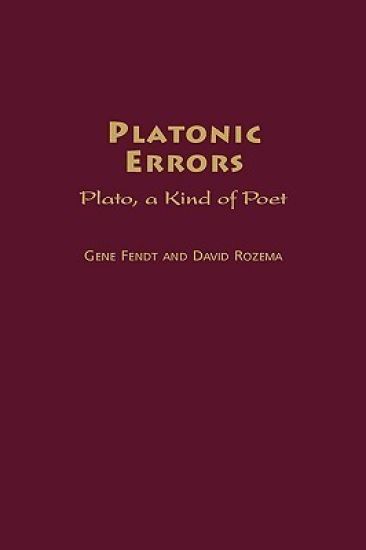
While the dramatic approach to Plato's dialogues has become popular over the last decade, little attention has been paid to the poetic quality of Plato's writing, and the received view of Platonic philosophy still depends on an unpoetic and largely literalist reading of the dialogues. The authors of this volume focus on the text of selected dialogues to identify the thread that unifies each of them from a literary point of view. The conclusions they reach in practicing this kind of reading are diametrically opposed to the largest stream of Platonic scholarship and show the fallacy of important metaphysical, epistemological, political, and ethical positions frequently attributed to Plato.
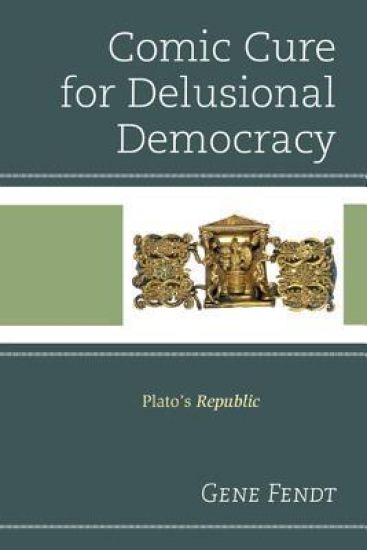
This book shows how the discussion of Platos' Republic is a comic mimetic cure for civic and psychic delusion. Plato creates such pharmaka, or noble lies, for reasons enunciated by Socrates within the discussion, but this indicates Plato must think his readers are in the position of needing the catharses such fictions produce. Socrates' interlocutors must be like us. Since cities are like souls, and souls come to be as they are through mimesis of desires, dreams, actions and thought patterns in the city, we should expect that political theorizing often suffers from madness as well. It does. Gene Fendt shows how contemporary political (and psychological) theory still suffers from the same delusion Socrates' interlocutors reveal in their discussion: a dream of autarchia called possessive individualism. Plato has good reason to think that only a mimetic, rather than a rational and philosophical, cure can work. Against many standard readings, Comic Cure for Delusional Democracy shows that the Republic itself is a defense of poetry; that kallipolis cannot be the best city and is not Socrates' ideal; that there are six forms of regime, not five; and that the true philosopher should not be unhappy to go back down into Plato's cave.

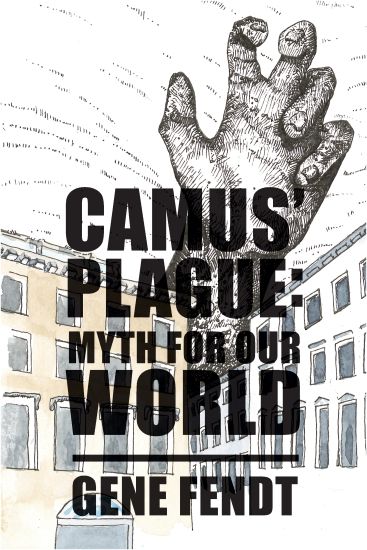
A year into the global pandemic, Gene Fendt repositions the attention of the Western world on a literary classic that bears a vital perspective. Presently, civilization cannot allow itself to think about being better. First it has to survive. Referencing Thomas Merton’s claim that Camus’ fictional account is actually a “modern myth about the destiny of man” and indication of the blight of “ambiguous and false explanations, interpretations, conventions, justifications, legalizations, evasions which infect our struggling civilization,” Fendt makes the case that “modernity itself is a time of plague.” Fendt asserts that perhaps “the originality of the modern plague is that most people admit of no symptoms.” This chilling likeness to the asymptomatic Covid-19 victim is but one of the images of what the plague stands for in both the novel and contemporary society. The existentialist fiction of Camus is unwrapped by Fendt’s fidelity to realism and Camus’ motivations as an artist. As Camus calls nihilistic art and culture “barbaric,” Fendt calls the barbarian a natural slave. If we are moved by the forces of powers that be without sense or knowledge of a proper end, we too have been rendered worse than ignorant. Beyond the presentation of The Plague as a myth, Fendt also provides generous insight into elements of this work that give an autobiographical portrait of Albert Camus´ artistic development. He provides an intelligent challenge to labeling Camus an atheist, if Camus is truly the artist Fendt believes him to be. It is also an unlikely but important contribution to the political philosophical study of solidarity.
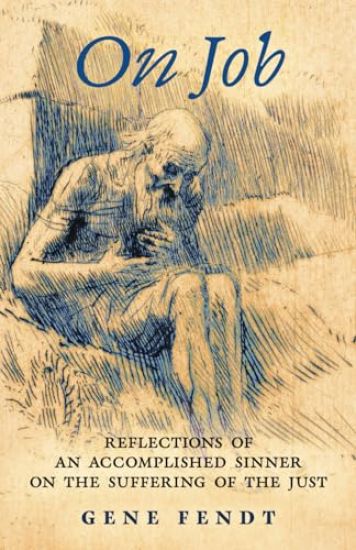
On Job: Reflections of an Accomplished Sinner on the Suffering of the Just originated as chapter by chapter reflections on the Book of Job, while the author's father was dying in a distant state. It was written and is intended to be read as an encouragement to the medieval tradition of lectio divina-one of the regular forms of monastic prayer-which begins with the reading of the sacred text, usually aloud (the lectio), followed by meditatio-a consideration of some of the important words, images, and occurrences therein. Being a scholar himself, Dr. Fendt turned to several of the more exacting scholars to "divine" more precisely how the original language was working. This led to his here recorded meditatio (meditation) and oratio (prayer), leaving it to the reader to join with his and her own oratio and contemplatio on each of the chapters of Job. It is offered as an invitation to a very old prayer, going on under the busy-ness of the world for nearly as long as its busy-ness has been recorded.
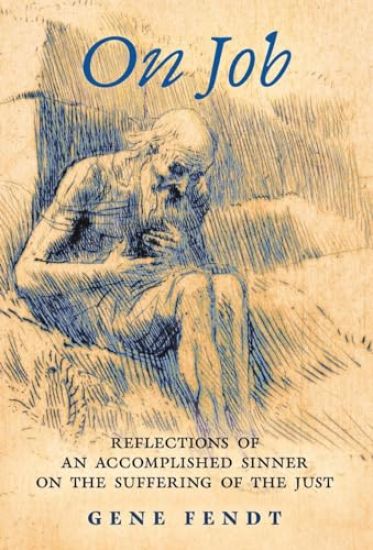
On Job: Reflections of an Accomplished Sinner on the Suffering of the Just originated as chapter by chapter reflections on the Book of Job, while the author's father was dying in a distant state. It was written and is intended to be read as an encouragement to the medieval tradition of lectio divina-one of the regular forms of monastic prayer-which begins with the reading of the sacred text, usually aloud (the lectio), followed by meditatio-a consideration of some of the important words, images, and occurrences therein. Being a scholar himself, Dr. Fendt turned to several of the more exacting scholars to "divine" more precisely how the original language was working. This led to his here recorded meditatio (meditation) and oratio (prayer), leaving it to the reader to join with his and her own oratio and contemplatio on each of the chapters of Job. It is offered as an invitation to a very old prayer, going on under the busy-ness of the world for nearly as long as its busy-ness has been recorded.