
Kirjahaku
Etsi kirjoja tekijän nimen, kirjan nimen tai ISBN:n perusteella.
1000 tulosta hakusanalla Filippo Livigni




Il Convito: (full Score - Partitura)
Filippo Livigni; Domenico Cimarosa
Createspace Independent Publishing Platform
2016
nidottu
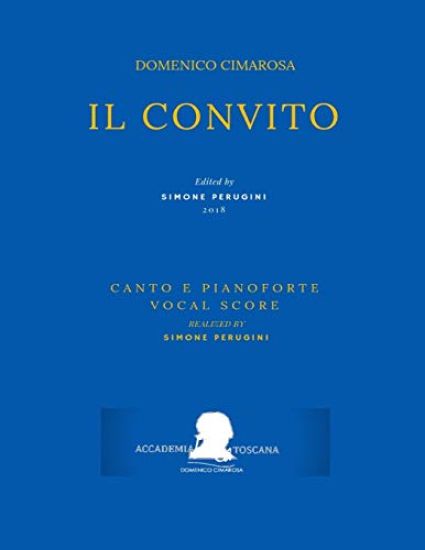
Cimarosa: Il Convito: (Riduzione Canto E Pianoforte - Vocal Score)
Filippo Livigni; Domenico Cimarosa
Independently Published
2018
nidottu
Domenico Cimarosa (1749-1801) IL CONVITO Dramma giocoso in due atti di Filippo Livigni Musica di Domenico Cimarosa (Riduzione canto e pianoforte - Vocal Score)
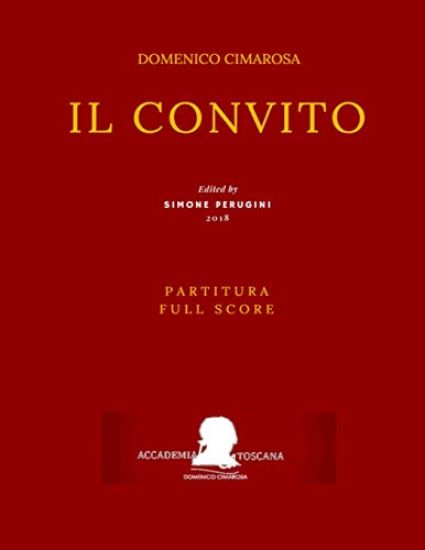
Cimarosa: Il convito (Partitura - Full Score)
Filippo Livigni; Domenico Cimarosa
Createspace Independent Publishing Platform
2018
nidottu
Domenico Cimarosa (1749 - 1801) IL CONVITO Dramma giocoso in due atti A Comic Opera in two acts] by Filippo Livigni Music by Domenico Cimarosa Edited by Simone Perugini (Full score - Partitura) 2nd Edition

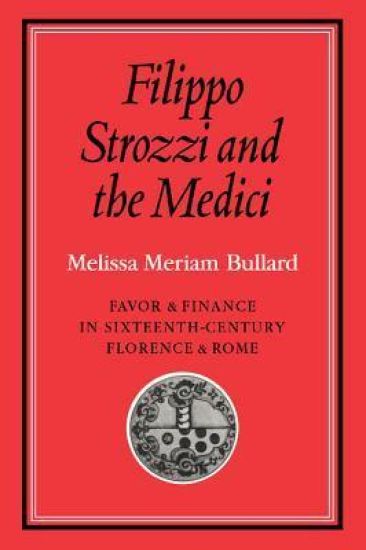
Filippo Strozzi (1489–1538), the Florentine aristocrat and banker, is usually remembered for the dramatic exploits at the end of his life. Forced into exile, he became an outspoken defender of the last Florentine Republic against the tyranny of the city's new dukes. His place in Florentine history, however, changes drastically when we focus not on his final years but on his extensive career as a Medici favourite and loyal financier. At the courts of the Medici popes he furthered the grandiose schemes of Leo X and Clement VII and accumulated a personal fortune of legendary size. Dr Bullard's study reassesses Strozzi's place in Renaissance history and considers the more general problems of paper economy and war finance, and Florentine political life, in the early sixteenth century. It documents the intricate financial ties between Florence and the papal court, and Strozzi's key role as a manipulator of the city's public funds to pay for papal wars.
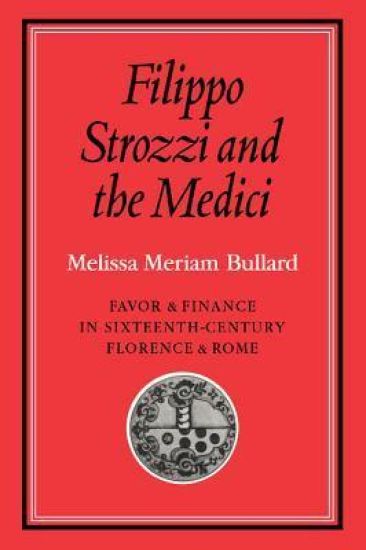
Filippo Strozzi and the Medici
Bullard Melissa Meriam Bullard
Cambridge University Press
1980
sidottu
Filippo Strozzi (1489-1538), the Florentine aristocrat and banker, is usually remembered for the dramatic exploits at the end of his life.
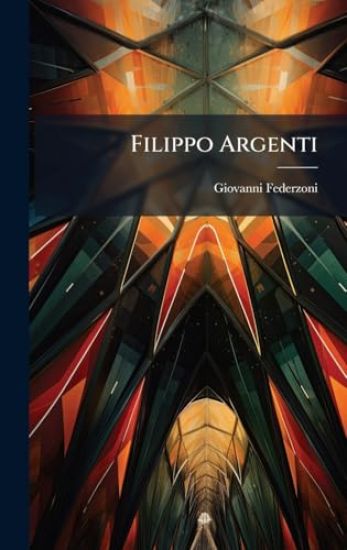
Filippo Argenti una conferenza dantesca tenuta a Bologna il 6 maggio 1894 da Giovanni Federzoni, incentrata sulla figura di Filippo Argenti come appare nell'Inferno di Dante (Inf. VIII, 25-64). L'opera offre un'analisi dettagliata del personaggio storico e della sua rappresentazione nell'opera dantesca, esplorando i temi della rabbia, dell'ira e della giustizia divina. Federzoni, con erudizione e passione, guida il lettore attraverso i versi di Dante, svelando significati nascosti e offrendo nuove prospettive sull'interpretazione di uno dei personaggi pi controversi dell'Inferno. Questo studio rappresenta un contributo prezioso per gli studiosi di Dante e per chiunque voglia approfondire la comprensione della Divina Commedia. This work has been selected by scholars as being culturally important, and is part of the knowledge base of civilization as we know it. This work was reproduced from the original artifact, and remains as true to the original work as possible. Therefore, you will see the original copyright references, library stamps (as most of these works have been housed in our most important libraries around the world), and other notations in the work. This work is in the public domain in the United States of America, and possibly other nations. Within the United States, you may freely copy and distribute this work, as no entity (individual or corporate) has a copyright on the body of the work. As a reproduction of a historical artifact, this work may contain missing or blurred pages, poor pictures, errant marks, etc. Scholars believe, and we concur, that this work is important enough to be preserved, reproduced, and made generally available to the public. We appreciate your support of the preservation process, and thank you for being an important part of keeping this knowledge alive and relevant.
Filippo Argenti una conferenza dantesca tenuta a Bologna il 6 maggio 1894 da Giovanni Federzoni, incentrata sulla figura di Filippo Argenti come appare nell'Inferno di Dante (Inf. VIII, 25-64). L'opera offre un'analisi dettagliata del personaggio storico e della sua rappresentazione nell'opera dantesca, esplorando i temi della rabbia, dell'ira e della giustizia divina. Federzoni, con erudizione e passione, guida il lettore attraverso i versi di Dante, svelando significati nascosti e offrendo nuove prospettive sull'interpretazione di uno dei personaggi pi controversi dell'Inferno. Questo studio rappresenta un contributo prezioso per gli studiosi di Dante e per chiunque voglia approfondire la comprensione della Divina Commedia. This work has been selected by scholars as being culturally important, and is part of the knowledge base of civilization as we know it. This work was reproduced from the original artifact, and remains as true to the original work as possible. Therefore, you will see the original copyright references, library stamps (as most of these works have been housed in our most important libraries around the world), and other notations in the work. This work is in the public domain in the United States of America, and possibly other nations. Within the United States, you may freely copy and distribute this work, as no entity (individual or corporate) has a copyright on the body of the work. As a reproduction of a historical artifact, this work may contain missing or blurred pages, poor pictures, errant marks, etc. Scholars believe, and we concur, that this work is important enough to be preserved, reproduced, and made generally available to the public. We appreciate your support of the preservation process, and thank you for being an important part of keeping this knowledge alive and relevant.
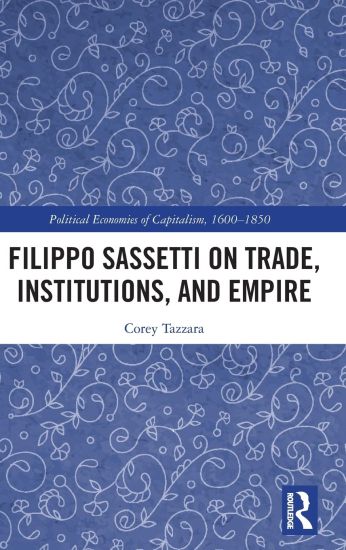
The Florentine traveler, merchant, and academician Filippo Sassetti was one of the premier economic thinkers of the late Renaissance. Well known for his ethnographic observations, Sassetti was also a commercial writer of the highest caliber—at once an original thinker and a remarkable witness to how Europeans even at the margins of empire were beginning to reconceptualize power and wealth.Unique among commercial theorists of the period, Sassetti offers a first-hand perspective on commerce in both the Mediterranean and the Indian Ocean. This volume translates (for the first time) the Discourse on Mediterranean Trade and a selection of the principal Indian Letters, with extensive historical notes. These are preceded by a lengthy essay positioning Sassetti as a figure in late Renaissance political economy. It makes the case that Sassetti was an early theorist of what might be termed the pragmatic tradition of free trade—in his case, a project linked to his analysis of commercial institutions in the Mediterranean and the Indian Ocean.Provoking an invaluable overview of trade in the Indian Ocean in the late sixteenth century, this volume is an excellent specialist text for postgraduate students and professional historians.
The Florentine traveler, merchant, and academician Filippo Sassetti was one of the premier economic thinkers of the late Renaissance. Well known for his ethnographic observations, Sassetti was also a commercial writer of the highest caliber—at once an original thinker and a remarkable witness to how Europeans even at the margins of empire were beginning to reconceptualize power and wealth.Unique among commercial theorists of the period, Sassetti offers a first-hand perspective on commerce in both the Mediterranean and the Indian Ocean. This volume translates (for the first time) the Discourse on Mediterranean Trade and a selection of the principal Indian Letters, with extensive historical notes. These are preceded by a lengthy essay positioning Sassetti as a figure in late Renaissance political economy. It makes the case that Sassetti was an early theorist of what might be termed the pragmatic tradition of free trade—in his case, a project linked to his analysis of commercial institutions in the Mediterranean and the Indian Ocean.Provoking an invaluable overview of trade in the Indian Ocean in the late sixteenth century, this volume is an excellent specialist text for postgraduate students and professional historians.