Kirjojen hintavertailu. Mukana 11 244 527 kirjaa ja 12 kauppaa.

Kirjahaku

Etsi kirjoja tekijän nimen, kirjan nimen tai ISBN:n perusteella.

222 tulosta hakusanalla Finlayson George D.

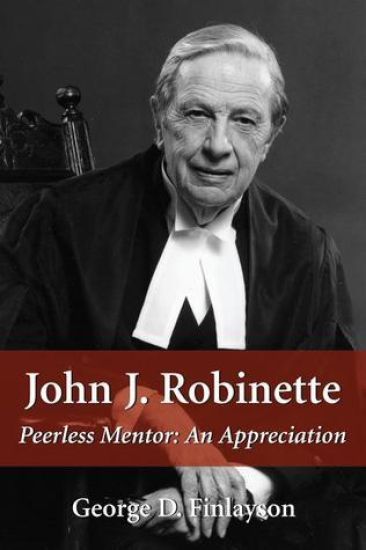
John J. Robinette

John J. Robinette

Finlayson George D.

Dundurn Group Ltd
2003
pokkari
J J Robinette, Canada's greatest trial lawyer, was admired and respected by the bench and his fellow lawyers alike. A quiet, unassuming man outside the courtroom, he was a consummate performer when appearing before a judge and jury. Robinette became a household name as the defender of Evelyn Dick, who was charged with killing her husband and infant son in Hamilton in 1946, and of Steven Suchan, a member of the infamous Boyd Gang. He was Canada's preeminent lawyer from the 1930s to the 1980s, showing unparalleled versatility and virtuosity whether acting as counsel in criminal, civil, or constitutional cases, at both the trial and appeal levels. This is the story of a great man, of the maturing of the legal profession in Canada, and of Canada in the twentieth century.
History of Gujarát Gazetteer of the Bombay Presidency, Volume I, Part I.
The Mission to Siam, and Hu , the Capital of Cochin China, in the Years 1821-2 by George Finlayson has been regarded as significant work throughout human history, and in order to ensure that this work is never lost, we have taken steps to ensure its preservation by republishing this book in a contemporary format for both current and future generations. This entire book has been retyped, redesigned, and reformatted. Since these books are not made from scanned copies, the text is readable and clear.
650 Best Food Processor Recipes

650 Best Food Processor Recipes

George Geary; Judith Finlayson

Robert Rose Inc
2010
pokkari
Millions of home cooks have a food processor, yet many underutilize this versatile appliance. George Geary and Judith Finlayson show busy home cooks how this time-saving appliance can help eliminate lengthy prep times and ensure great results. These superb and innovative recipes have been specifically created for use with food processors. From appetizers to soups to main courses to cookies and cakes, these recipes make full use of this indispensable kitchen appliance. Many of the recipes have also been designed so that the bowl does not need to be cleaned along the way - another time-saver. Here is a sampling of these delicious and foolproof dishes: Lemon-laced butterbean dip; Tzatziki; Country terrine; Summer borscht; Navy bean soup; Turkey mole; Chicken pot pie with mushrooms and leeks; Beef fajitas with guacamole; Southwestern brisket; Chorizo cakes; Creamy salmon lasagna; Three-herb pasta salad; Potato latkes; Tomato tartar sauce; Homemade ketchup; Red onion salsa; Onion marmalade; Strawberry muffins; Fresh tarragon dill bread; Chocolate chunk cookies; Lemon mist cheesecake. The authors also include comprehensive information on the food processor, its safe usage and its basic parts, plus an A to Z list of ingredients and how to process each. Extensive tips and techniques round out this complete reference to an appliance that should be in every home kitchen.
Finlayson

Finlayson

Robert Alftan

Kesuura
2020
nidottu
Finlayson - Legenda poikineen on tarina isästä, pojasta ja Finlaysonin tehtaasta. Se perustuu kirjailijan isän päiväkirjoihin sekä historiallisiin tosiasioihin, mutta esittää ihmiset ja tapahtumat runoilijan ja teatteridramaturgin näkökulmasta.Kirjailijan isä, diplomi-insinööri Erik Alftan toimi ensin Porin Puuvillan kutomonjohtajana ja Sörforsan pellavatehtaan teknillisenä johtajana Ruotsissa ennen siirtymistään Finlaysonin tehtaiden teknilliseksi johtajaksi Tampereelle vuonna 1950. Myöhemmin hän oli yli vuosikymmenen ajan tekstiiliteollisuuden asiantuntijana YK:n tehtävissä useissa Aasian ja Afrikan kehitysmaissa, kuten Sri Lankassa, Iranissa, Egyptissä ja Tansaniassa. Näiden ohella hän julkaisi muutaman kaunokirjallisen teoksen ruotsin kielellä. Värikäs elämäntarina, särmikäs luonne. Eletään keskellä Suomen sodanjälkeisen poliittisen historian värikkäimpiä vaiheita. Finlaysonin tehtaan elämä avautuu uudesta, ruotsinkielisen tehtaanjohdon sisäpiiriläisestä näkökulmasta, jossa ihmissuhteet ovat koetuksella, vaikka niistä voi avautua vain päiväkirjassa. Dramaattiset vuoden 1956 yleislakon päivät kuvataan ikään kuin näköalapaikalta, Erik Alftanin työpöydän äärestä. Toisaalta liikutaan suomenkielisten työmiesten parissa tehtaan johtajan Robert-pojan kesätöissä. Kirjailija oppii suomen kielen luonnonmenetelmällä ja ryhtyy taistelemaan kaksikielisyyden puolesta. Hän tutustuu muun muassa kirjailija Väinö Linnaan, tehdasnimeltään Lukkari, sekä moneen muuhun legendaariseen hahmoon Finlaysonin tehtaalla. Kirja koostuu kolmesta osasta: dokumentista Finlayson - Legenda poikineen, näytelmästä Pässi - Veturin tarinat sekä ruotsin kielisestä runosarjasta, jossa välähtää kirjailijan tämän hetkinen todellisuus.
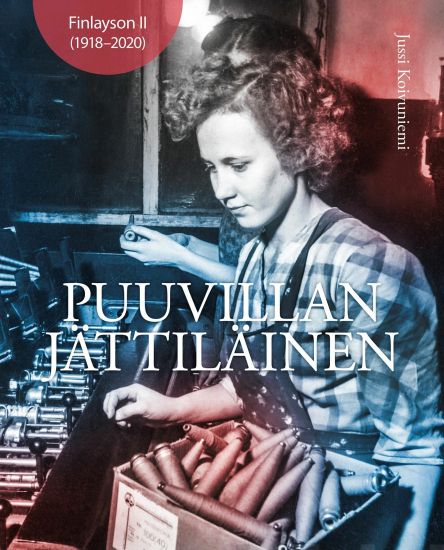
Finlayson II (1918-2020) - Puuvillan jättiläinen
Finlaysonin tehdas Tammerkosken partaalla oli 1920-luvulla jo satavuotias suomalaisen teollisuuden ikoni, tuhansia ihmisiä työllistänyt Pohjoismaiden suurin tehdas. Omat asuntoalueet, sosiaalipalvelut ja seuratoiminta tekivät 'vinlaysonilaisista' omintakeisen yhteisön tehdaskaupungin ytimessä. Yhden tehtaan merkitystä koko kaupungille ei voi tässä tapauksessa liioitella. Finlaysonin historian toinen osa kertoo ensimmäisen kerran, miten suuryhtiö onnistui säilyttämään poikkeuksellisen asemansa ja maineensa aina 1970-luvulle asti. Vasta tuolloin yhtiö joutui ensin kannattavuuskriisiin, sitten syöksykierteeseen ja lopulta myyntiin. Viimeiset koneet pysähtyivät 1990-luvulla. Jäljelle jäivät vaikuttavat rakennukset, Finlaysonin nimi ja tuhannet kangaskuosit, jotka kirjan runsas kuvitus palauttaa eloon. Finlaysonin tarina on osa teollisuuden globaalia rakennemuutosta. Se on myös tarina teollisen rakennusperinteen synnystä ja pelastumisesta. Suljetusta tehdasalueesta tuli historiaa henkivä kaupunkilaisten olohuone, joka muistuttaa kadonneesta tehdasyhteisöstä, mutta on samalla osa jälkipolvien identiteettiä.Teoksen on kirjoittanut dosentti Jussi Koivuniemi. Omilta erityisosaamisalueiltaan kirjaan ovat artikkelit kirjoittaneet professori Heidi Pietarinen, dosentti Jarmo Peltola ja FT Marja Lähteenmäki. Artikkelit täydentävät omilla näkökulmillaan Finlaysonin kankaiden mallisuunnittelun sekä designen kehitystä 1960-80-luvuilla, Finlaysonin työntekijöiden työoloja ja työmarkkinasuhteita sekä Finlaysonin rakennusperinnettä ja alueen uusiokäyttöä. Finlaysonin valtavaa tuotteiden kirjoa esittelevät pienoisartikkelit ovat kirjoittaneet Tampereen historiallisten museoiden tutkijat Anne-Mari Lehto ja Mari Lind. Teoksen kuvatoimitus on tehty Vapriikin kuva-arkistossa yhteistyössä kirjoittajan kanssa.
Rules and Directions for the Use of Finlayson, Bousfield & Co.'s
Rules and Directions for the Use of Finlayson, Bousfield & Co.'s - Real Scotch Linen Crochet Thread is an unchanged, high-quality reprint of the original edition of 1886. Hansebooks is editor of the literature on different topic areas such as research and science, travel and expeditions, cooking and nutrition, medicine, and other genres. As a publisher we focus on the preservation of historical literature. Many works of historical writers and scientists are available today as antiques only. Hansebooks newly publishes these books and contributes to the preservation of literature which has become rare and historical knowledge for the future.
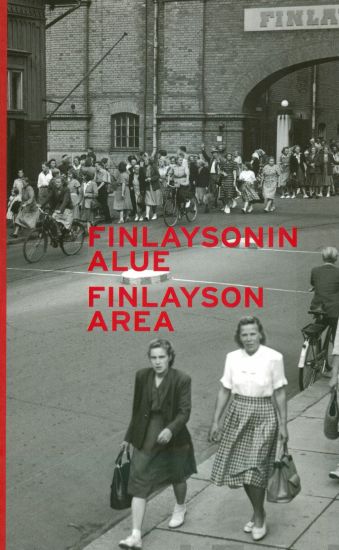
Finlaysonin alue - Finlayson area

Finlaysonin alue - Finlayson area

Eeva-Maija Ingman-Toivonen

Työväenmuseo Werstas
2019
nidottu
Suositussa opaskirjassa on nyt enemmän puuvillatehtaan työntekijöiden kokemuksia ja ihmisten muistoja, joita on ammennettu muun muassa työväenmuseon oman muistitietokeruun tuloksista. Runsasta kuvitusta on ajanmukaistettu ja kirjaa on laajennettu sivumäärältäänkin peräti 80 sivun verran 240-sivuiseksi.Ensi vuonna 200 vuotta täyttävä Finlaysonin puuvillatehdas toimi Tammerkosken rannalla sijaitsevalla tehdasalueella vuosina 1820-1995. Tehdas jäi perustajansa, skotlantilaisen James Finlaysonin aikana pieneksi kehräämöksi, mutta kasvoi seuraavien omistajien aikana Suomen ensimmäiseksi suuryritykseksi. Tehtaassa työskenteli enimmillään noin 3300 ihmistä, heistä suurin osa oli naisia.
Answers for Thomas Clayton Stuco-Worker in Glasgow, to the Petition of Robert Finlayson and William Weir.
The 18th century was a wealth of knowledge, exploration and rapidly growing technology and expanding record-keeping made possible by advances in the printing press. In its determination to preserve the century of revolution, Gale initiated a revolution of its own: digitization of epic proportions to preserve these invaluable works in the largest archive of its kind. Now for the first time these high-quality digital copies of original 18th century manuscripts are available in print, making them highly accessible to libraries, undergraduate students, and independent scholars.This collection reveals the history of English common law and Empire law in a vastly changing world of British expansion. Dominating the legal field is the Commentaries of the Law of England by Sir William Blackstone, which first appeared in 1765. Reference works such as almanacs and catalogues continue to educate us by revealing the day-to-day workings of society.++++The below data was compiled from various identification fields in the bibliographic record of this title. This data is provided as an additional tool in helping to insure edition identification: ++++Bodleian Library (Oxford)T218316Dated at head of the drop-head title: Jan. 27. 1762. Edinburgh, 1762]. 17, 1]p.; 4
Answers for Thomas Clayton Stuco-worker in Glasgow, to the Petition of Robert Finlayson and William Weir
The 18th century was a wealth of knowledge, exploration and rapidly growing technology and expanding record-keeping made possible by advances in the printing press. In its determination to preserve the century of revolution, Gale initiated a revolution of its own: digitization of epic proportions to preserve these invaluable works in the largest archive of its kind. Now for the first time these high-quality digital copies of original 18th century manuscripts are available in print, making them highly accessible to libraries, undergraduate students, and independent scholars.This collection reveals the history of English common law and Empire law in a vastly changing world of British expansion. Dominating the legal field is the Commentaries of the Law of England by Sir William Blackstone, which first appeared in 1765. Reference works such as almanacs and catalogues continue to educate us by revealing the day-to-day workings of society.++++The below data was compiled from various identification fields in the bibliographic record of this title. This data is provided as an additional tool in helping to insure edition identification: ++++Bodleian Library (Oxford)T218316Dated at head of the drop-head title: Jan. 27. 1762. Edinburgh, 1762]. 17, 1]p.; 4
Mem. - Seb. Henderson, Against J. Cruckshank, . W. Finlayson, Agent. S., clk. Memorial for Sebastian Henderson, Distiller in Linlithgow, Suspender
The 18th century was a wealth of knowledge, exploration and rapidly growing technology and expanding record-keeping made possible by advances in the printing press. In its determination to preserve the century of revolution, Gale initiated a revolution of its own: digitization of epic proportions to preserve these invaluable works in the largest archive of its kind. Now for the first time these high-quality digital copies of original 18th century manuscripts are available in print, making them highly accessible to libraries, undergraduate students, and independent scholars.This collection reveals the history of English common law and Empire law in a vastly changing world of British expansion. Dominating the legal field is the Commentaries of the Law of England by Sir William Blackstone, which first appeared in 1765. Reference works such as almanacs and catalogues continue to educate us by revealing the day-to-day workings of society.++++The below data was compiled from various identification fields in the bibliographic record of this title. This data is provided as an additional tool in helping to insure edition identification: ++++Bodleian Library (Oxford)T214185Dated at head of the drop-head title: October 13. 1791. Edinburgh, 1791]. 19, 1]p., plate; 4
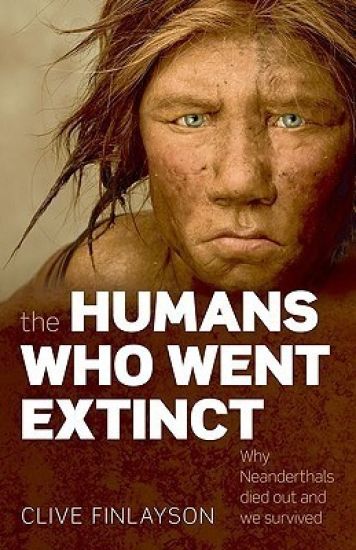
The Humans Who Went Extinct

The Humans Who Went Extinct

Finlayson

Oxford University Press
2010
nidottu
Just 28,000 years ago, the blink of an eye in geological time, the last of Neanderthals died out in their last outpost, in caves near Gibraltar. Thanks to cartoons and folk accounts we have a distorted view of these other humans - for that is what they were. We think of them as crude and clumsy and not very bright, easily driven to extinction by the lithe, smart modern humans that came out of Africa some 100,000 years ago. But was it really as simple as that? Clive Finlayson reminds us that the Neanderthals were another kind of human, and their culture was not so very different from that of our own ancestors. In this book, he presents a wider view of the events that led to the migration of the moderns into Europe, what might have happened during the contact of the two populations, and what finally drove the Neanderthals to extinction. It is a view that considers climate, ecology, and migrations of populations, as well as culture and interaction. His conclusion is that the destiny of the Neanderthals and the Moderns was sealed by ecological factors and contingencies. It was a matter of luck that we survived and spread while the Neanderthals dwindled and perished. Had the climate not changed in our favour some 50 million years ago, things would have been very different. There is much current research interest in Neanderthals, much of it driven by attempts to map some of their DNA. But it's not just a question of studying the DNA. The rise and fall of populations is profoundly moulded by the larger scale forces of climate and ecology. And it is only by taking this wider view that we can fully understand the course of events that led to our survival and their demise. The fact that Neanderthals survived until virtually yesterday makes our relationship with them and their tragedy even more poignant. They almost made it, after all.
An Introduction to Feminism

An Introduction to Feminism

Finlayson Lorna

Cambridge University Press
2016
pokkari
As well as providing a clear and critical introduction to the theory, this refreshing overview focuses on the practice of feminism with coverage of actions and activism, bringing the subject to life for newcomers as well as offering fresh perspectives for advanced students. Explanations of the main strands to feminism, such as liberalism, sit alongside an exploration of a range of approaches, such as radical, anarchist and Marxist feminism, and provide much-needed context against which more familiar historical themes may be understood. The author's broad and inclusive view conveys the diversity and disagreement within feminism with accessible clarity. The analysis of key terms equips readers with a critical understanding of the vocabulary of feminist debates that will be invaluable to undergraduate students.
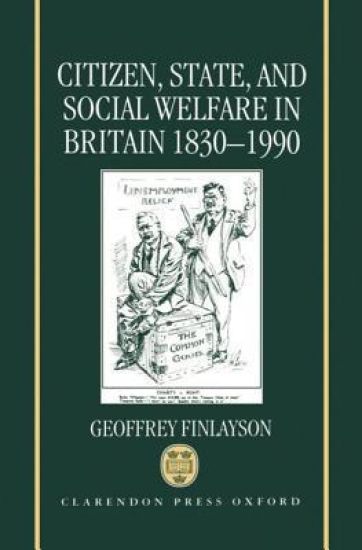
Citizen, State, and Social Welfare in Britain 1830-1990
In this book the late Geoffrey Finlayson presents a searching analysis of social welfare in Britain from 1830 until the present day. He explores the changing relationship betwen voluntarism and the state throughout this period, unravelling the complex interactions of government, commerce, and individuals. He examines the provision of welfare and the attitudes and beliefs surrounding it, in all its many guises from Victorian private philanthropy and informal social networks to the collectivist ideals of the Welfare State and the convictions of Thatcherite individualism. Citizen, State, and Social Welfare in Britain is, in addition, an intellectual study of the concept of citizenship over the last two centuries, tracing developing notions of the duties and obligations implicit in the idea of the citizen, as well as the rights and entitlements.
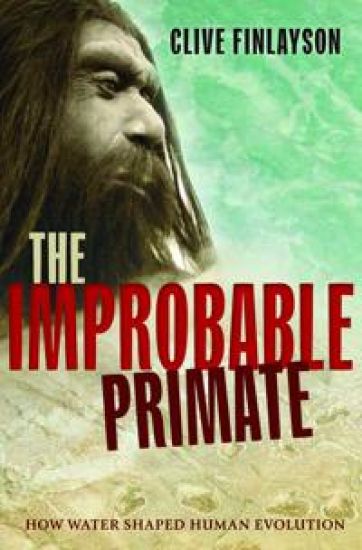
The Improbable Primate

The Improbable Primate

Clive Finlayson

Oxford University Press
2016
nidottu
Taking an ecological approach to our evolution, Clive Finlayson considers the origins of modern humans within the context of a drying climate and changing landscapes. Finlayson argues that environmental change, particularly availability of water, played a critical role in shaping the direction of human evolution, contributing to our spread and success. He argues that our ancestors carved a niche for themselves by leaving the forest and forcing their way into a long-established community of carnivores in a tropical savannah as climate changes opened up the landscape. They took their chance at high noon, when most other predators were asleep. Adapting to this new lifestyle by shedding their hair and developing an active sweating system to keep cool, being close to fresh water was vital. As the climate dried, our ancestors, already bipedal, became taller and slimmer, more adept at travelling farther in search of water. The challenges of seeking water in a drying landscape moulded the minds and bodies of early humans, and directed their migrations and eventual settlements. In this fresh and provocative view of a seven-million-year evolutionary journey, Finlayson demonstrates the radical implications for the interpretation of fossils and technologies and shows that understanding humans within an ecological context provides insights into the emergence and spread of Homo sapiens sapiens worldwide.
The Smart Neanderthal

The Smart Neanderthal

Clive Finlayson

Oxford University Press
2019
sidottu
Since the late 1980s the dominant theory of human origins has been that a 'cognitive revolution' (C.50,000 years ago) led to the advent of our species, Homo sapiens. As a result of this revolution our species spread and eventually replaced all existing archaic Homo species, ultimately leading to the superiority of modern humans. Or so we thought. As Clive Finlayson explains, the latest advances in genetics prove that there was significant interbreeding between Modern Humans and the Neanderthals. All non-Africans today carry some Neanderthal genes. We have also discovered aspects of Neanderthal behaviour that indicate that they were not cognitively inferior to modern humans, as we once thought, and in fact had their own rituals and art. Finlayson, who is at the forefront of this research, recounts the discoveries of his team, providing evidence that Neanderthals caught birds of prey, and used their feathers for symbolic purposes. There is also evidence that Neanderthals practised other forms of art, as the recently discovered engravings in Gorham's Cave Gibraltar indicate. Linking all the recent evidence, The Smart Neanderthal casts a new light on the Neanderthals and the 'Cognitive Revolution'. Finlayson argues that there was no revolution and, instead, modern behaviour arose gradually and independently among different populations of Modern Humans and Neanderthals. Some practices were even adopted by Modern Humans from the Neanderthals. Finlayson overturns classic narratives of human origins, and raises important questions about who we really are.
The Smart Neanderthal

The Smart Neanderthal

Clive Finlayson

Oxford University Press
2021
nidottu
Since the late 1980s the dominant theory of human origins has been that a 'cognitive revolution' (C.50,000 years ago) led to the advent of our species, Homo sapiens. As a result of this revolution our species spread and eventually replaced all existing archaic Homo species, ultimately leading to the superiority of modern humans. Or so we thought. As Clive Finlayson explains, the latest advances in genetics prove that there was significant interbreeding between Modern Humans and the Neanderthals. All non-Africans today carry some Neanderthal genes. We have also discovered aspects of Neanderthal behaviour that indicate that they were not cognitively inferior to modern humans, as we once thought, and in fact had their own rituals and art. Finlayson, who is at the forefront of this research, recounts the discoveries of his team, providing evidence that Neanderthals caught birds of prey, and used their feathers for symbolic purposes. There is also evidence that Neanderthals practised other forms of art, as the recently discovered engravings in Gorham's Cave Gibraltar indicate. Linking all the recent evidence, The Smart Neanderthal casts a new light on the Neanderthals and the "Cognitive Revolution". Finlayson argues that there was no revolution and, instead, modern behaviour arose gradually and independently among different populations of Modern Humans and Neanderthals. Some practices were even adopted by Modern Humans from the Neanderthals. Finlayson overturns classic narratives of human origins, and raises important questions about who we really are.