Kirjojen hintavertailu. Mukana 11 244 527 kirjaa ja 12 kauppaa.

Kirjahaku

Etsi kirjoja tekijän nimen, kirjan nimen tai ISBN:n perusteella.

1000 tulosta hakusanalla Frank A. Ruffolo

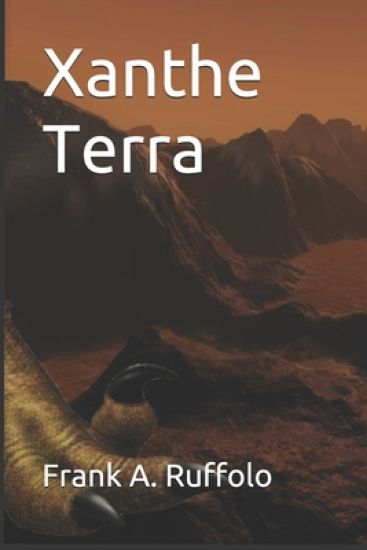
Xanthe Terra

Xanthe Terra

Frank A. Ruffolo

Bowker Identifier Services
2020
nidottu
1300 years after the Great Judgement, mankind is still making the same mistakes. As humans continue to tamper with God's creations, they accidentally terraform Mars into a hospitable planet, and in the process, awaken the beasts that destroyed that world's ancient civilization. These bizarre creatures now threaten to wipe out the current citizens of Mars and Earth-with eager help from the Evil One, Satan himself.
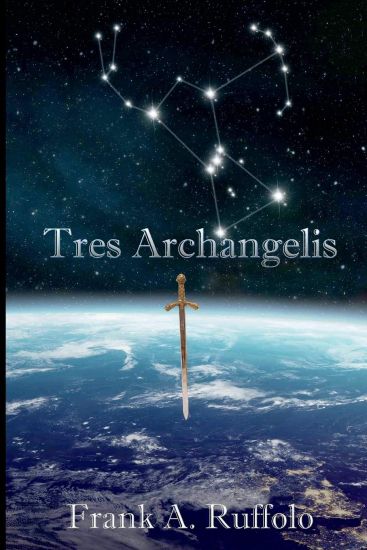
Tres Archangelis

Tres Archangelis

Frank A. Ruffolo

Linkville Press
2018
nidottu
In the 30th year of the 1000 years of peace after the Great Judgement, Jesus walks among his children. Though the flock has wisely chosen their Savior, history repeats itself as the children of God once again abandon their faith. Tampering with God's universe, the unfaithful set events into motion that send an asteroid on a collision course with Earth. God proclaims that His children must fix what they have broken and tasks the Matteo family with finding three keys that have been left on Earth by the archangels, His guardians of the Earth. If the Matteos are successful, these keys will unlock the power of the guardians and protect the wayward children of God from death and destruction.
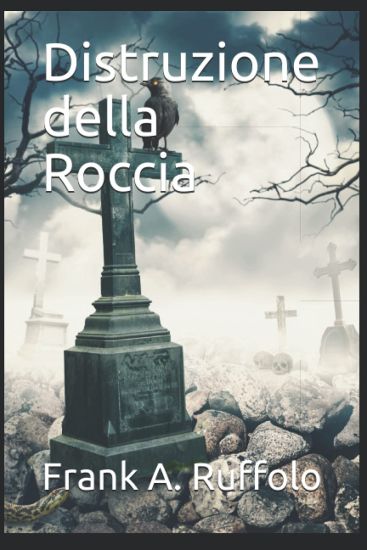
Distruzione della Roccia

Distruzione della Roccia

Frank A Ruffolo

R. R. Bowker
2021
pokkari
In this sequel to The Trihedral of Chaos set in beautiful Italy, the pope excommunicates members of the Mafia for ongoing crimes. In retaliation, a leading Cosa Nostra family teams up with the Caliphate to kill the pope.To protect the pontiff, the Italian government enlists the aid of longtime friends Chic, Angie, and Geo, who come out of retirement to stop the plot.
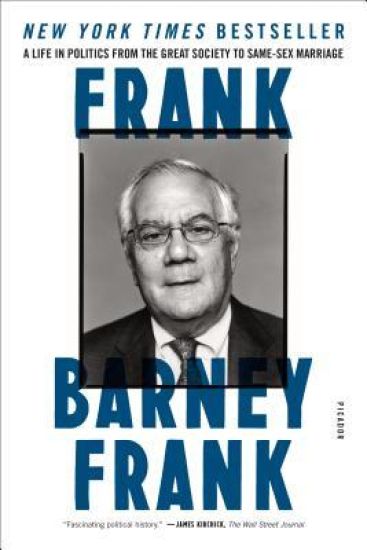
Frank: A Life in Politics from the Great Society to Same-Sex Marriage
NEW YORK TIMES BESTSELLERWINNER OF THE RANDY SHILTS AWARD "I once] said to Frank] I was sorry I would never be able to vote for him as the first gay president of the United States. After reading this book, I am sorrier than ever."--Garry Wills, The New York Review of Books Growing up in Bayonne, New Jersey, Barney Frank made two vital discoveries about himself: he was attracted to government, and to men. He resolved to make a career out of the first and to keep the second a secret. Now, his sexual orientation is widely accepted, while his belief in government is embattled. Frank: A Life in Politics from the Great Society to Same-Sex Marriage is his account of America's transformation--and the tale of a truly momentous career. From the battle over AIDS funding in the 1980s to the 2008 financial crisis, Barney Frank played a key role, and in this feisty and often moving memoir, he candidly discusses the satisfactions, fears, and grudges that come with elected office. He recalls the emotional toll of living in the closet while publicly crusading against homophobia. He discusses painful quarrels with allies; friendships with public figures, from Tip O'Neill to Sonny Bono; and how he found love with his husband, Jim Ready, becoming the first sitting member of Congress to enter a same-sex marriage. The result is the story of an extraordinary political life, an original argument for rebuilding trust in government, and a guide to how change really happens--composed by a master of the art.
Frank: A Quartet Novel

Frank: A Quartet Novel

Ela

Createspace Independent Publishing Platform
2017
nidottu
... the longest story ever told ... Welcome to the World of the Paranormal the Beginning to the End and then Beyond .... within 68 paperback & hard cover books .... Introducing ... Book No. 36 ... Frank .... in ... a crime drama ... where the blood, sweat, and tears come from the other guy or ... gal... The Quartet is Austin, Stu, Frank, and Tom. Four men with equal talents, varied skills live, work, and play in hot sizzling Miami, Florida, USA. Franklin Ferdinand Mangrove, III is a life-time brother, a permanent business partner, and the peaceful neighbor of Austin. Stuart Thant Gage, III is a life-time brother, a permanent business partner, and the protective neighbor of Austin. Thomas Edison Sawyer, III is a life-time brother, a permanent business partner, and the troublesome neighbor of Austin. Austin Bartholomew Berrington, IV is the first born non-biological brother, the head of the business, and the boss of the Quartet. The four middle-aged adult men call themselves, the Band of Brothers, but they are not biological siblings. They are blood brothers, like their individual biological Great Grandfathers before them, when in the wild American year of 1838 inside the wild forests of Northern present day U.S. State of Florida formed the first Blood Pact. Presently, the Fourth Generation of the Quartet are four billionaire brothers, who own and operate one-fourth of an international security company. The business venture is named Quartet Associates, but the owners are sometimes dubbed by their dying enemies and their sneering foes as Quartet Assholes. Currently, Tom is not using his brains, his balls, and his billions making trouble while causing the rest of the Quartet both heartache and angry. Enjoy entering my imagination... Ela...
Frank: A Sequel to Frank in Early Lessons- (1822). By: Maria Edgeworth (Volume 1). In two volume: Maria Edgeworth (1 January
Maria Edgeworth (1 January 1768 - 22 May 1849) was a prolific Anglo-Irish writer of adults' and children's literature. She was one of the first realist writers in children's literature and was a significant figure in the evolution of the novel in Europe. She held advanced views, for a woman of her time, on estate management, politics and education, and corresponded with some of the leading literary and economic writers, including Sir Walter Scott and David Ricardo. Early life: Maria Edgeworth was born at Black Bourton, Oxfordshire. She was the second child of Richard Lovell Edgeworth (who eventually fathered 22 children by four wives) and Anna Maria Edgeworth; Maria was thus an aunt of Francis Ysidro Edgeworth. She spent her early years with her mother's family in England, until her mother's death when Maria was five. When her father married his second wife Honora Sneyd in 1773, she went with him to his estate, Edgeworthstown, in County Longford, Ireland. Maria was sent to Mrs. Lattafi re's school in Derby after Honora fell ill in 1775. After Honora died in 1780 Maria's father married Honora's sister Elizabeth (then socially disapproved and legally forbidden from 1833 until the Deceased Wife's Sister's Marriage Act 1907). Maria transferred to Mrs. Devis's school in London. Her father's attention became fully focused on her in 1781 when she nearly lost her sight to an eye infection. Returning home at the age of 14, she took charge of her many younger siblings and was home-tutored in law, Irish economics and politics, science, and literature by her father. She also started her lifelong correspondences with learned men, mainly members of the Lunar Society. She became her father's assistant in managing the Edgeworthstown estate, which had become run-down during the family's 1777-1782 absence; she would live and write there for the rest of her life. With their bond strengthened, Maria and her father began a lifelong academic collaboration "of which she was the more able and nimble mind." Present at Edgeworthstown was an extended family, servants and tenants. She observed and recorded the details of daily Irish life, later drawing on this experience for her novels about the Irish. She also mixed with the Anglo-Irish gentry, particularly Kitty Pakenham (later the wife of Arthur Wellesley, 1st Duke of Wellington), Lady Moira, and her aunt Margaret Ruxton of Black Castle. Margaret supplied her with the novels of Anne Radcliffe and William Godwin and encouraged her in her writing. Though Maria Edgeworth spent most of her childhood in England, her life in Ireland had a profound impact on both her thinking and views surrounding her Irish culture. Fauske and Kaufman conclude, " She] used her fiction to address the inherent problems of acts delineated by religious, national, racial, class based, sexual, and gendered identities." Edgeworth used works such Castle Rackrent and Harrington to express her feelings on controversial issues.
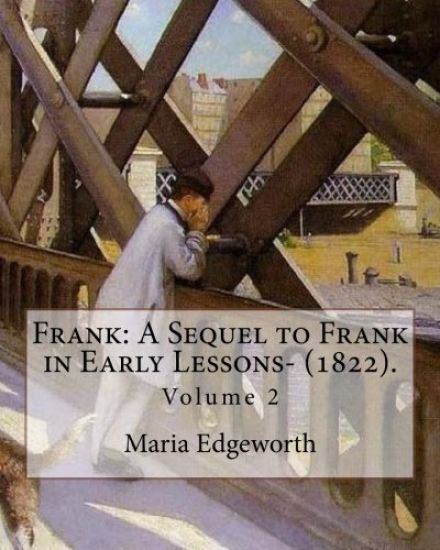
Frank: A Sequel to Frank in Early Lessons- (1822). By: Maria Edgeworth (Volume 2). In two volume: Maria Edgeworth (1 January
Maria Edgeworth (1 January 1768 - 22 May 1849) was a prolific Anglo-Irish writer of adults' and children's literature. She was one of the first realist writers in children's literature and was a significant figure in the evolution of the novel in Europe. She held advanced views, for a woman of her time, on estate management, politics and education, and corresponded with some of the leading literary and economic writers, including Sir Walter Scott and David Ricardo. Early life: Maria Edgeworth was born at Black Bourton, Oxfordshire. She was the second child of Richard Lovell Edgeworth (who eventually fathered 22 children by four wives) and Anna Maria Edgeworth; Maria was thus an aunt of Francis Ysidro Edgeworth. She spent her early years with her mother's family in England, until her mother's death when Maria was five. When her father married his second wife Honora Sneyd in 1773, she went with him to his estate, Edgeworthstown, in County Longford, Ireland. Maria was sent to Mrs. Lattafi re's school in Derby after Honora fell ill in 1775. After Honora died in 1780 Maria's father married Honora's sister Elizabeth (then socially disapproved and legally forbidden from 1833 until the Deceased Wife's Sister's Marriage Act 1907). Maria transferred to Mrs. Devis's school in London. Her father's attention became fully focused on her in 1781 when she nearly lost her sight to an eye infection. Returning home at the age of 14, she took charge of her many younger siblings and was home-tutored in law, Irish economics and politics, science, and literature by her father. She also started her lifelong correspondences with learned men, mainly members of the Lunar Society. She became her father's assistant in managing the Edgeworthstown estate, which had become run-down during the family's 1777-1782 absence; she would live and write there for the rest of her life. With their bond strengthened, Maria and her father began a lifelong academic collaboration "of which she was the more able and nimble mind." Present at Edgeworthstown was an extended family, servants and tenants. She observed and recorded the details of daily Irish life, later drawing on this experience for her novels about the Irish. She also mixed with the Anglo-Irish gentry, particularly Kitty Pakenham (later the wife of Arthur Wellesley, 1st Duke of Wellington), Lady Moira, and her aunt Margaret Ruxton of Black Castle. Margaret supplied her with the novels of Anne Radcliffe and William Godwin and encouraged her in her writing. Though Maria Edgeworth spent most of her childhood in England, her life in Ireland had a profound impact on both her thinking and views surrounding her Irish culture. Fauske and Kaufman conclude, " She] used her fiction to address the inherent problems of acts delineated by religious, national, racial, class based, sexual, and gendered identities." Edgeworth used works such Castle Rackrent and Harrington to express her feelings on controversial issues.
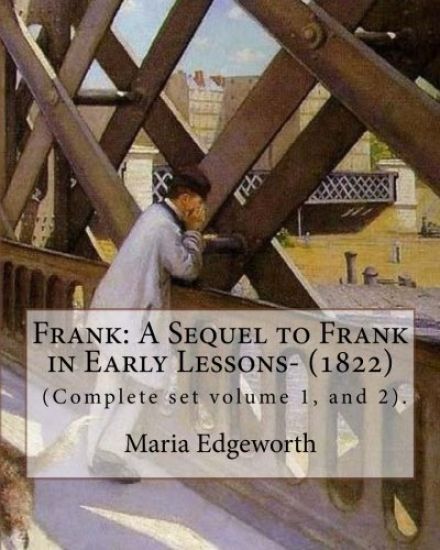
Frank: A Sequel to Frank in Early Lessons- (1822). By: Maria Edgeworth (Complete set volume 1, and 2).: Maria Edgeworth (1 Ja
Maria Edgeworth (1 January 1768 - 22 May 1849) was a prolific Anglo-Irish writer of adults' and children's literature. She was one of the first realist writers in children's literature and was a significant figure in the evolution of the novel in Europe. She held advanced views, for a woman of her time, on estate management, politics and education, and corresponded with some of the leading literary and economic writers, including Sir Walter Scott and David Ricardo. Early life: Maria Edgeworth was born at Black Bourton, Oxfordshire. She was the second child of Richard Lovell Edgeworth (who eventually fathered 22 children by four wives) and Anna Maria Edgeworth; Maria was thus an aunt of Francis Ysidro Edgeworth. She spent her early years with her mother's family in England, until her mother's death when Maria was five. When her father married his second wife Honora Sneyd in 1773, she went with him to his estate, Edgeworthstown, in County Longford, Ireland. Maria was sent to Mrs. Lattafi re's school in Derby after Honora fell ill in 1775. After Honora died in 1780 Maria's father married Honora's sister Elizabeth (then socially disapproved and legally forbidden from 1833 until the Deceased Wife's Sister's Marriage Act 1907). Maria transferred to Mrs. Devis's school in London. Her father's attention became fully focused on her in 1781 when she nearly lost her sight to an eye infection. Returning home at the age of 14, she took charge of her many younger siblings and was home-tutored in law, Irish economics and politics, science, and literature by her father. She also started her lifelong correspondences with learned men, mainly members of the Lunar Society. She became her father's assistant in managing the Edgeworthstown estate, which had become run-down during the family's 1777-1782 absence; she would live and write there for the rest of her life. With their bond strengthened, Maria and her father began a lifelong academic collaboration "of which she was the more able and nimble mind." Present at Edgeworthstown was an extended family, servants and tenants. She observed and recorded the details of daily Irish life, later drawing on this experience for her novels about the Irish. She also mixed with the Anglo-Irish gentry, particularly Kitty Pakenham (later the wife of Arthur Wellesley, 1st Duke of Wellington), Lady Moira, and her aunt Margaret Ruxton of Black Castle. Margaret supplied her with the novels of Anne Radcliffe and William Godwin and encouraged her in her writing. Though Maria Edgeworth spent most of her childhood in England, her life in Ireland had a profound impact on both her thinking and views surrounding her Irish culture. Fauske and Kaufman conclude, " She] used her fiction to address the inherent problems of acts delineated by religious, national, racial, class based, sexual, and gendered identities." Edgeworth used works such Castle Rackrent and Harrington to express her feelings on controversial issues.