Kirjojen hintavertailu. Mukana 11 699 587 kirjaa ja 12 kauppaa.

Kirjahaku

Etsi kirjoja tekijän nimen, kirjan nimen tai ISBN:n perusteella.

1000 tulosta hakusanalla Frank G. Speck

Midwinter Rites of the Cayuga Long House
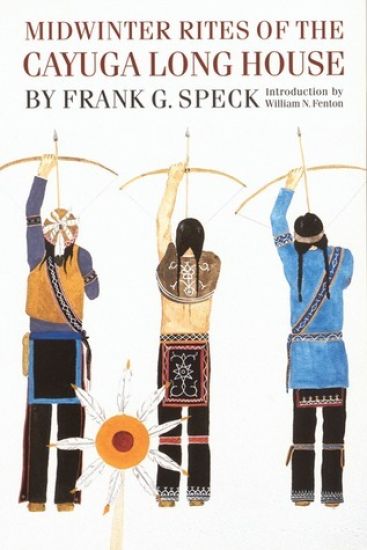
During his last years ethnohistorian Frank G. Speck turned to the study of Iroquois ceremonialism. This 1950 book investigates the religious rites of the Cayuga tribe, one of six in the Iroquois confederation that occupied upstate New York until the American Revolution. In the 1930s and the 1940s Frank Speck observed the Midwinter Ceremony, the Cayuga thanksgiving for the blessings of life and health, performed in long houses on the Six Nations Reserve in Ontario. Collaborating with Alexander General (Deskáheh), the noted Cayuga chief, Speck describes vividly the rites and dances giving thanks to all spiritual entities. Of special interest are the medicine societies that not only prescribed herbs but used powerfully evocative masks in treating the underlying causes of sickness. In a new introduction, William N. Fenton discusses Speck's distinguished career.
Ethnology of the Yuchi Indians

Ethnology of the Yuchi Indians

Frank G. Speck

University of Nebraska Press
2004
pokkari
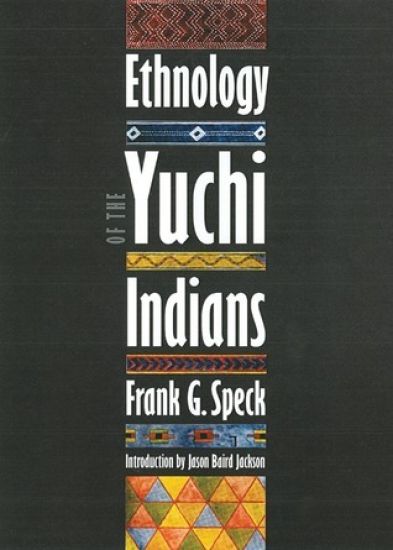
The Yuchis, one of the more resilient peoples of the southeastern United States, were forcibly relocated to Indian Territory along with their neighbors in the 1830s. In the early 1900s, as this study shows, much of their traditional way of life remained. Yuchi life at the dawn of the modern era is portrayed in fascinating detail here, as observed and recorded by noted anthropologist Frank G. Speck in 1904–8. Speck's fieldwork, combined with information gleaned from the experiences of a number of Yuchi men, describes numerous facets of Yuchi culture, including language, subsistence practices, decorative arts, domestic architecture, clothing, religious beliefs and rituals, healing practices, mythology, music, social and political organizations, warfare, games, and life-transition rituals and customs, such as birthing, naming, marriage, and burial. Affording a precious glimpse of a Native community in transition a century ago, Ethnology of the Yuchi Indians stands as an essential introduction to the history and culture of a vibrant southeastern Native people.
Naskapi

Naskapi

Frank G. Speck

University of Oklahoma Press
1977
nidottu
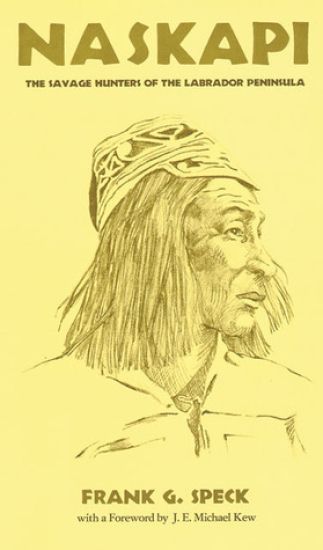
Convinced that native culture survived in its purest form in the northern portions of North America, Frank Speck devoted almost twenty years of research to the Naskapi of Canada's Labrador Peninsula during the first quarter of the twentieth century. He determined the Naskapi's lifestyles were primitive compared to those of other natives, but their spiritual culture was highly developed. The Naskapi stressed the importance of dreams and dream interpretations, of communing with the spirit world, and of rituals honoring animal spirits.
Symbolism in Penobscot Art: Anthropological Papers of the American Museum of Natural History, V29, Part 2
Symbolism in Penobscot Art: Anthropological Papers of the American Museum of Natural History, V29, Part 2 is a scholarly work written by Frank G. Speck. The book explores the art and symbolism of the Penobscot people, a Native American tribe from Maine. Speck examines the intricate designs and motifs found in Penobscot art, and delves into the cultural and spiritual significance of these symbols. The book is based on Speck's fieldwork and research, and includes detailed descriptions and illustrations of Penobscot art. This work is part of the Anthropological Papers series published by the American Museum of Natural History, and is a valuable resource for anyone interested in Native American art, culture, and symbolism.This is a new release of the original 1927 edition.This scarce antiquarian book is a facsimile reprint of the old original and may contain some imperfections such as library marks and notations. Because we believe this work is culturally important, we have made it available as part of our commitment for protecting, preserving, and promoting the world's literature in affordable, high quality, modern editions, that are true to their original work.
Penobscot Man

Penobscot Man

Frank G. Speck

University of Pennsylvania Press
1940
sidottu
This book is a volume in the Penn Press Anniversary Collection. To mark its 125th anniversary in 2015, the University of Pennsylvania Press rereleased more than 1,100 titles from Penn Press's distinguished backlist from 1899-1999 that had fallen out of print. Spanning an entire century, the Anniversary Collection offers peer-reviewed scholarship in a wide range of subject areas.
Midwinter Rites of the Cayuga Long House

Midwinter Rites of the Cayuga Long House

Frank G. Speck

University of Pennsylvania Press
1950
sidottu
During his last years ethnohistorian Frank G. Speck turned to the study of Iroquois ceremonialism. This 1950 book investigates the religious rites of the Cayuga tribe, one of six in the Iroquois confederation that occupied upstate New York until the American Revolution. In the 1930s and the 1940s Frank Speck observed the Midwinter Ceremony, the Cayuga thanksgiving for the blessings of life and health, performed in long houses on the Six Nations Reserve in Ontario. Collaborating with Alexander General (Deskáheh), the noted Cayuga chief, Speck describes vividly the rites and dances giving thanks to all spiritual entities. Of special interest are the medicine societies that not only prescribed herbs but used powerfully evocative masks in treating the underlying causes of sickness.
Cherokee Dance and Drama

Cherokee Dance and Drama

Frank G. Speck; Leonard Broom

University of Oklahoma Press
1993
nidottu
Traditionally, the Cherokees dance to ensure individual health and social welfare. According to legend, the dance songs bequeathed to them by the Stone Coat monster will assuage all the ills of life that the monster brought. Winter dance (including the Booger Dance, which expresses the Cherokees' anxiety at the white invasion) are to be given only during times of frost, lest they affect the growth of vegetation by attracting cold and death. The summer dance (the Green Corn Ceremony and the Ballplayer's Dance) are associated with crops and vegetation. Other dances are purely for social intercourse and entertainment or are prompted by specific events in the community.When it was first published in 1951, this description of the dances of a conservative Eastern Cherokee band was hailed as a scholarly contribution that could not be duplicated, Frank G. Speak and Leonard Broom had achieved the close and sustained interaction that very best ethnological fieldwork requires. Their principal informant, will West Long, upheld the unbroken ceremonial tradition of the Big Cove band, near Cherokee, North Carolina.