This work has been selected by scholars as being culturally important and is part of the knowledge base of civilization as we know it.This work is in the public domain in the United States of America, and possibly other nations. Within the United States, you may freely copy and distribute this work, as no entity (individual or corporate) has a copyright on the body of the work.Scholars believe, and we concur, that this work is important enough to be preserved, reproduced, and made generally available to the public. To ensure a quality reading experience, this work has been proofread and republished using a format that seamlessly blends the original graphical elements with text in an easy-to-read typeface.We appreciate your support of the preservation process, and thank you for being an important part of keeping this knowledge alive and relevant.
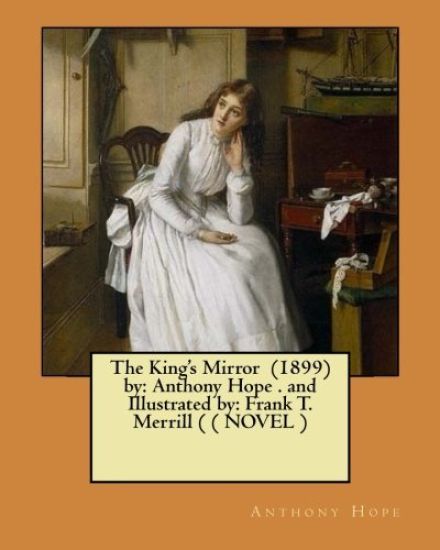
Felix Holt, the Radical (1866) is a social novel written by George Eliot about political disputes in a small English town at the time of the First Reform Act of 1832. In January 1868, Eliot penned an article entitled "Address to Working Men, by Felix Holt". This came on the heels of the Second Reform Act of 1867 which expanded the right to vote beyond the landed classes and was written in the character of, and signed by, Felix Holt. Plot: As the story starts, the reader is introduced to the fictitious community of Treby in the English Midlands in 1832, around the time of the First Reform Act. Harold Transome, a local landowner, has returned home after a fifteen-year trading career in the Far East. Wealthy from trade, he stands for election to Parliament from the county seat of North Loamshire. But contrary to his family's Tory traditions, he intends to stand as a Radical. This alienates him from his traditional allies and causes despair for his mother, Mrs. Transome. Harold Transome gains the support of his Tory uncle, the Rector of Little Treby, and enlists the help of his family lawyer, Matthew Jermyn, as an electioneering agent. Much of his electioneering is focused in Treby Magna. In this village resides Felix Holt, who has recently returned from extensive travels in Glasgow to live with his mother. He meets with Rev. Rufus Lyon, a Dissenting minister in Treby Magna, and his stepdaughter, Esther. Felix and Mr. Lyon become ready friends, but he appears to treat Esther with condescension. Felix and Rev. Lyon both appear aligned to the Radical cause. Harold Transome learns that Jermyn has been mismanaging the Transome estate and embezzling money for himself. Transome remains silent during the election, yet Jermyn tries to devise a plan to save himself from future prosecution. Meanwhile, Felix witnesses some electioneering for the Radical cause in the nearby mining town of Sproxton. He is upset with the 'treating' of workers with beer in exchange for their vocal support. Felix relays his concerns to Harold Transome, who chastises John Johnson for his electioneering methods. However, Jermyn convinces Transome not to interfere. Rev. Lyon learns from Maurice Christian, servant of Philip Debarry, about the possible identity of Esther's biological father. Rev. Lyon decides to tell Esther the truth about her father. Esther's outlook on life changes upon finding that she is in fact Rev. Lyon's stepdaughter. Her relationship with her stepfather deepens, while she also desires to emulate the high moral standards impressed upon her by Felix Holt. Seeing the change in Esther's character, Felix Holt begins to fall in love with her. However, both share the feeling that they are destined never to marry each other. Meanwhile, Rev. Lyon challenges Rev. Augustus Debarry to a theological debate. The debate is initially agreed to, but is cancelled at the last minute.... Frank Thayer Merrill (1848-1936). Mary Anne Evans (22 November 1819 - 22 December 1880; alternatively "Mary Ann" or "Marian"), known by her pen name George Eliot, was an English novelist, poet, journalist, translator and one of the leading writers of the Victorian era. She is the author of seven novels, including Adam Bede (1859), The Mill on the Floss (1860), Silas Marner (1861), Felix Holt, the Radical (1866), Middlemarch (1871-72), and Daniel Deronda (1876), most of which are set in provincial England and known for their realism and psychological insight. She used a male pen name, she said, to ensure that her works would be taken seriously. Female authors were published under their own names during Eliot's life, but she wanted to escape the stereotype of women writing only lighthearted romances. She also wished to have her fiction judged separately from her already extensive and widely known work as an editor and critic.
Felix Holt, the Radical (1866) is a social novel written by George Eliot about political disputes in a small English town at the time of the First Reform Act of 1832. In January 1868, Eliot penned an article entitled "Address to Working Men, by Felix Holt". This came on the heels of the Second Reform Act of 1867 which expanded the right to vote beyond the landed classes and was written in the character of, and signed by, Felix Holt. Plot: As the story starts, the reader is introduced to the fictitious community of Treby in the English Midlands in 1832, around the time of the First Reform Act. Harold Transome, a local landowner, has returned home after a fifteen-year trading career in the Far East. Wealthy from trade, he stands for election to Parliament from the county seat of North Loamshire. But contrary to his family's Tory traditions, he intends to stand as a Radical. This alienates him from his traditional allies and causes despair for his mother, Mrs. Transome. Harold Transome gains the support of his Tory uncle, the Rector of Little Treby, and enlists the help of his family lawyer, Matthew Jermyn, as an electioneering agent. Much of his electioneering is focused in Treby Magna. In this village resides Felix Holt, who has recently returned from extensive travels in Glasgow to live with his mother. He meets with Rev. Rufus Lyon, a Dissenting minister in Treby Magna, and his stepdaughter, Esther. Felix and Mr. Lyon become ready friends, but he appears to treat Esther with condescension. Felix and Rev. Lyon both appear aligned to the Radical cause. Harold Transome learns that Jermyn has been mismanaging the Transome estate and embezzling money for himself. Transome remains silent during the election, yet Jermyn tries to devise a plan to save himself from future prosecution. Meanwhile, Felix witnesses some electioneering for the Radical cause in the nearby mining town of Sproxton. He is upset with the 'treating' of workers with beer in exchange for their vocal support. Felix relays his concerns to Harold Transome, who chastises John Johnson for his electioneering methods. However, Jermyn convinces Transome not to interfere. Rev. Lyon learns from Maurice Christian, servant of Philip Debarry, about the possible identity of Esther's biological father. Rev. Lyon decides to tell Esther the truth about her father. Esther's outlook on life changes upon finding that she is in fact Rev. Lyon's stepdaughter. Her relationship with her stepfather deepens, while she also desires to emulate the high moral standards impressed upon her by Felix Holt. Seeing the change in Esther's character, Felix Holt begins to fall in love with her. However, both share the feeling that they are destined never to marry each other. Meanwhile, Rev. Lyon challenges Rev. Augustus Debarry to a theological debate. The debate is initially agreed to, but is cancelled at the last minute.... Frank Thayer Merrill (1848-1936). Mary Anne Evans (22 November 1819 - 22 December 1880; alternatively "Mary Ann" or "Marian"), known by her pen name George Eliot, was an English novelist, poet, journalist, translator and one of the leading writers of the Victorian era. She is the author of seven novels, including Adam Bede (1859), The Mill on the Floss (1860), Silas Marner (1861), Felix Holt, the Radical (1866), Middlemarch (1871-72), and Daniel Deronda (1876), most of which are set in provincial England and known for their realism and psychological insight. She used a male pen name, she said, to ensure that her works would be taken seriously. Female authors were published under their own names during Eliot's life, but she wanted to escape the stereotype of women writing only lighthearted romances. She also wished to have her fiction judged separately from her already extensive and widely known work as an editor and critic.
Felix Holt, the Radical (1866) is a social novel written by George Eliot about political disputes in a small English town at the time of the First Reform Act of 1832. In January 1868, Eliot penned an article entitled "Address to Working Men, by Felix Holt". This came on the heels of the Second Reform Act of 1867 which expanded the right to vote beyond the landed classes and was written in the character of, and signed by, Felix Holt. Plot: As the story starts, the reader is introduced to the fictitious community of Treby in the English Midlands in 1832, around the time of the First Reform Act. Harold Transome, a local landowner, has returned home after a fifteen-year trading career in the Far East. Wealthy from trade, he stands for election to Parliament from the county seat of North Loamshire. But contrary to his family's Tory traditions, he intends to stand as a Radical. This alienates him from his traditional allies and causes despair for his mother, Mrs. Transome. Harold Transome gains the support of his Tory uncle, the Rector of Little Treby, and enlists the help of his family lawyer, Matthew Jermyn, as an electioneering agent. Much of his electioneering is focused in Treby Magna. In this village resides Felix Holt, who has recently returned from extensive travels in Glasgow to live with his mother. He meets with Rev. Rufus Lyon, a Dissenting minister in Treby Magna, and his stepdaughter, Esther. Felix and Mr. Lyon become ready friends, but he appears to treat Esther with condescension. Felix and Rev. Lyon both appear aligned to the Radical cause. Harold Transome learns that Jermyn has been mismanaging the Transome estate and embezzling money for himself. Transome remains silent during the election, yet Jermyn tries to devise a plan to save himself from future prosecution. Meanwhile, Felix witnesses some electioneering for the Radical cause in the nearby mining town of Sproxton. He is upset with the 'treating' of workers with beer in exchange for their vocal support. Felix relays his concerns to Harold Transome, who chastises John Johnson for his electioneering methods. However, Jermyn convinces Transome not to interfere. Rev. Lyon learns from Maurice Christian, servant of Philip Debarry, about the possible identity of Esther's biological father. Rev. Lyon decides to tell Esther the truth about her father. Esther's outlook on life changes upon finding that she is in fact Rev. Lyon's stepdaughter. Her relationship with her stepfather deepens, while she also desires to emulate the high moral standards impressed upon her by Felix Holt. Seeing the change in Esther's character, Felix Holt begins to fall in love with her. However, both share the feeling that they are destined never to marry each other. Meanwhile, Rev. Lyon challenges Rev. Augustus Debarry to a theological debate. The debate is initially agreed to, but is cancelled at the last minute.... Frank Thayer Merrill (1848-1936). Mary Anne Evans (22 November 1819 - 22 December 1880; alternatively "Mary Ann" or "Marian"), known by her pen name George Eliot, was an English novelist, poet, journalist, translator and one of the leading writers of the Victorian era. She is the author of seven novels, including Adam Bede (1859), The Mill on the Floss (1860), Silas Marner (1861), Felix Holt, the Radical (1866), Middlemarch (1871-72), and Daniel Deronda (1876), most of which are set in provincial England and known for their realism and psychological insight. She used a male pen name, she said, to ensure that her works would be taken seriously. Female authors were published under their own names during Eliot's life, but she wanted to escape the stereotype of women writing only lighthearted romances. She also wished to have her fiction judged separately from her already extensive and widely known work as an editor and critic.
Margaret Sidney was the pseudonym of American writer Harriett Mulford Stone Lothrop (June 22, 1844 - August 2, 1924). In addition to writing popular children's stories, she ran her husband Daniel Lothrop's publishing company after his death. After they bought The Wayside country house, they worked hard to make it a center of literary life. BIOGRAPHY: Harriett Mulford Stone was born in New Haven, Connecticut, in 1844. The daughter of New Haven architect, Sidney Mason Stone, she was "brought up in an atmosphere of culture and learning enhanced by free access to her father's large library."From early girlhood she "delighted in creating imaginary people". She was educated at seminaries near her home and graduated from Miss Dutton's School at Grove Hall in New Haven in 1862. While a student there "she displayed such mental alertness, combined with retentive memory and a great imaginative and poetic talent that she was marked for future success." She traveled extensively in the United States, and began creating literary compositions early in life.According to a Hartford Courant article, "she wrote constantly but destroyed manuscripts". She published nothing until 1878 when, at the age of 34, she began sending short stories to Wide Awake, a children's magazine in Boston. Two of her stories, "Polly Pepper's Chicken Pie" and "Phronsie Pepper's New Shoes", proved to be very popular with readers. Ella Farman, the editor of the magazine, requested that Stone write more. The success of Harriett's short stories prompted her to write Five Little Peppers and its 11 sequels. The original novel was first published in 1881, the year that Stone married Daniel Lothrop. Daniel had founded the D. Lothrop Company of Boston, who published Harriett's books under her pseudonym, Margaret Sidney. Harriett and Daniel may have both had an interest in history and in famous authors. In 1883, they purchased the house in which both Louisa May Alcott and Nathaniel Hawthorne had lived. Nicknamed The Wayside, the house is located in Concord, Massachusetts. The year after Harriett and Daniel moved into the house, Harriett gave birth to their daughter, Margaret, at the age of 40. Daniel Lothrop died on Friday, March 18, 1892, when Harriett was 48 and their daughter was just 9 years old. There was a gap in the release of the Five Little Peppers books from 1892 to 1897, while Harriett continued to run the publishing company Daniel founded. Eventually, she sold the company, which later became Lothrop, Lee & Shepard Co. It continued to publish Harriett's books under the name Margaret Sidney when Harriett resumed writing the Five Little Peppers series. Frank T. Merrill (1848-1923).Frank Thayer Merrill was an American illustrator, best remembered today for illustrating Louisa May Alcott's Little Women in 1880.
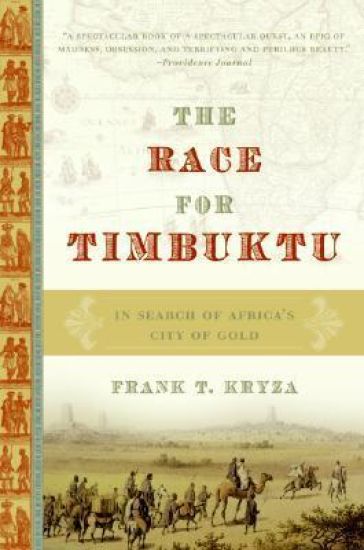
In the first decades of the nineteenth century, no place burned more brightly in the imagination of European geographers--and fortune hunters--than the lost city of Timbuktu. Africa's legendary City of Gold, not visited by Europeans since the Middle Ages, held the promise of wealth and fame for the first explorer to make it there. In 1824, the French Geographical Society offered a cash prize to the first expedition from any nation to visit Timbuktu and return to tell the tale. One of the contenders was Major Alexander Gordon Laing, a thirty-year-old army officer. Handsome and confident, Laing was convinced that Timbuktu was his destiny, and his ticket to glory. In July 1825, after a whirlwind romance with Emma Warrington, daughter of the British consul at Tripoli, Laing left the Mediterranean coast to cross the Sahara. His 2,000-mile journey took on an added urgency when Hugh Clapperton, a more experienced explorer, set out to beat him. Apprised of each other's mission by overseers in London who hoped the two would cooperate, Clapperton instead became Laing's rival, spurring him on across a hostile wilderness. An emotionally charged, action-packed, utterly gripping read, The Race for Timbuktu offers a close, personal look at the extraordinary people and pivotal events of nineteenth-century African exploration that changed the course of history and the shape of the modern world.
At the close of the Spanish-American War the United States found itself in possession of a colonial empire. The role played by the American Catholic Church in influencing administrative policy for the new, and predominately Catholic, dependencies is the subject of this incisive study by Frank T. Reuter. Reuter discusses the centuries-old intricate involvement of the Spanish crown and the native Roman Catholic Church in the civil, social, and charitable institutions of Cuba, Puerto Rico, Guam, and the Philippines. He explores the attempts of United States officials to apply the traditional doctrine of separation of church and state in resolving the problems of a Church-run school system, the alleged desecration of native Catholic churches by American forces in the Philippines, the native antagonism toward the Spanish friars, and the disposition of Church property in dependencies with a deeply rooted correlation between the Catholic Church and the state. Recounting the development of the Catholic Church in America, which felt responsible for maintaining the islands’ religious structure after Spanish control was removed, Reuter sees the reaction of the Church to the war with Spain and to colonial policy in the early postwar period as voiced not by a monolithic political force, but by diverse spokesmen-in particular the unofficial voice of the Catholic press. He traces the growth of the Church in the United States from a disparate group of dioceses clinging to European backgrounds, disunited by a divided hierarchy, and attacked by the wave of the anti-Catholic, nativistic sentiments of the last two decades of the nineteenth century, to a church body unified by the problems in the colonies. Catholic opinion, although not utilized to its full political potential, achieved a common focus through the formation of the Federation of American Catholic Societies and the debate in Congress over the Philippine Government Bill. This study of American and native Catholic attitudes toward the formulation of United States policy in the insular dependencies and the attitude of the United States government toward the Catholic interests in the dependencies details the interplay of personalities and organizations: Presidents William McKinley and Theodore Roosevelt; William Howard Taft, civil governor of the Philippines; James Cardinal Gibbons, moderator between Catholic factions and official spokesman of the hierarchy to the Papacy and the United States government; Archbishop Placide L. Chapelle, apostolic delegate of the Vatican to the Philippines; Archbishop John Ireland, friend of President McKinley; the Philippine Commissions; and the Taft Mission to the Vatican in 1902.
in Congress – are not considered, they may affect future energy programs just as they have past programs. Finally, potentially ruinously costly increases in energy imports force attention to the problem of how major public policy plans have been and are prepared in the United States. A witches’ brew of some 500 energy bills proposed in the 110th C ongress in the House and Senate is now being stirred up. This “inspirational” approach to public policymaking bears little resemblance to the thoughtful way critical policies have been developed in the EU. A change of the way major national planning is undertaken may do more than anything else to bring facts and reality into play, reduce hostilities, open up cooperation, new resources, technologies, creative energies, and productivity toward energy policy transitions. Chapter 6 Foreign Experience 6. 1 The European Union and Other Nations Take the Lead “The EU has pioneered a new form of post-national government, in which nation-states pool some of their sovereignty for the common good. Many of its admirers see this as a useful potential model for Southeast Asia, the Indian subcontinent, China-Taiwan, Latin America, parts of Africa and so on. The EU takes some issues, like human rights, global warming and the fostering of an international system of justice, with admirable seriousness . . . . . . Considering the kind of Europe it replaced, the EU has been an almost miraculous success (Walker, 2007).
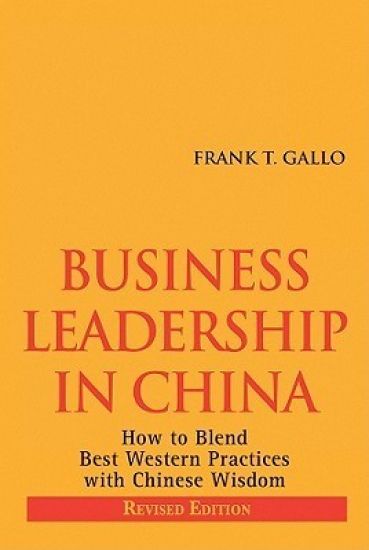
In this revised edition of Frank Gallo's best-selling book, the author brings the story of leadership in China right up to date. With new material on Chinese leadership styles and the challenges of going global, the book is ideal for any international manager who wants to better understand how to blend the best practices of Western leadership with traditional Chinese wisdom. The content comes from a combination of English and Chinese literature, interviews with practicing executives in China as well as the author's own experience as a leader in China. Dr. Frank Gallo, the Greater China Chief Leadership Consultant for Hewitt Associates, offers sage advice on effective leadership practices for the China market. His key areas of focus include: the unique challenge and complex issues of leading a firm or division in China major areas of cultural differences such as teamwork, decision-making andemployee motivation, between Chinese and Western business practices common areas of misunderstanding such as truth versus courteousness; managing a hierarchy versus empowerment; and dealing with the role of the individual rather than the rule of law implementing effective leadership strategies and development with a Chinese company. This timely book will ensure a harmonious leadership style that draws out the best from both Western and Chinese business practices.