

Kirjahaku
Etsi kirjoja tekijän nimen, kirjan nimen tai ISBN:n perusteella.
1000 tulosta hakusanalla Frank T. Marzials


This book, "Life of Victor Hugo", by Frank T. Marzials, is a replication of a book originally published before 1888. It has been restored by human beings, page by page, so that you may enjoy it in a form as close to the original as possible. This book was created using print-on-demand technology. Thank you for supporting classic literature.







Little women: or, Meg, Jo, Beth, and Amy. By: Louisa M. Alcott: with more than 200 illustrations By: Frank T.(Thayer) Merrill (1848-
Frank T. Merrill; Edmund H. Garrett; John Bunyan
Createspace Independent Publishing Platform
2016
nidottu
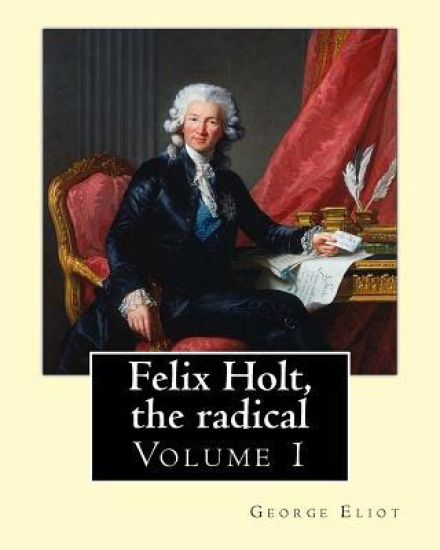
Felix Holt, the radical. By: George Eliot (Volume 1), in three volume: Social novel, illustrated By: Frank T. Merrill (1848-1936).
Frank T. Merrill; George Eliot
Createspace Independent Publishing Platform
2017
nidottu
Felix Holt, the Radical (1866) is a social novel written by George Eliot about political disputes in a small English town at the time of the First Reform Act of 1832. In January 1868, Eliot penned an article entitled "Address to Working Men, by Felix Holt". This came on the heels of the Second Reform Act of 1867 which expanded the right to vote beyond the landed classes and was written in the character of, and signed by, Felix Holt. Plot: As the story starts, the reader is introduced to the fictitious community of Treby in the English Midlands in 1832, around the time of the First Reform Act. Harold Transome, a local landowner, has returned home after a fifteen-year trading career in the Far East. Wealthy from trade, he stands for election to Parliament from the county seat of North Loamshire. But contrary to his family's Tory traditions, he intends to stand as a Radical. This alienates him from his traditional allies and causes despair for his mother, Mrs. Transome. Harold Transome gains the support of his Tory uncle, the Rector of Little Treby, and enlists the help of his family lawyer, Matthew Jermyn, as an electioneering agent. Much of his electioneering is focused in Treby Magna. In this village resides Felix Holt, who has recently returned from extensive travels in Glasgow to live with his mother. He meets with Rev. Rufus Lyon, a Dissenting minister in Treby Magna, and his stepdaughter, Esther. Felix and Mr. Lyon become ready friends, but he appears to treat Esther with condescension. Felix and Rev. Lyon both appear aligned to the Radical cause. Harold Transome learns that Jermyn has been mismanaging the Transome estate and embezzling money for himself. Transome remains silent during the election, yet Jermyn tries to devise a plan to save himself from future prosecution. Meanwhile, Felix witnesses some electioneering for the Radical cause in the nearby mining town of Sproxton. He is upset with the 'treating' of workers with beer in exchange for their vocal support. Felix relays his concerns to Harold Transome, who chastises John Johnson for his electioneering methods. However, Jermyn convinces Transome not to interfere. Rev. Lyon learns from Maurice Christian, servant of Philip Debarry, about the possible identity of Esther's biological father. Rev. Lyon decides to tell Esther the truth about her father. Esther's outlook on life changes upon finding that she is in fact Rev. Lyon's stepdaughter. Her relationship with her stepfather deepens, while she also desires to emulate the high moral standards impressed upon her by Felix Holt. Seeing the change in Esther's character, Felix Holt begins to fall in love with her. However, both share the feeling that they are destined never to marry each other. Meanwhile, Rev. Lyon challenges Rev. Augustus Debarry to a theological debate. The debate is initially agreed to, but is cancelled at the last minute.... Frank Thayer Merrill (1848-1936). Mary Anne Evans (22 November 1819 - 22 December 1880; alternatively "Mary Ann" or "Marian"), known by her pen name George Eliot, was an English novelist, poet, journalist, translator and one of the leading writers of the Victorian era. She is the author of seven novels, including Adam Bede (1859), The Mill on the Floss (1860), Silas Marner (1861), Felix Holt, the Radical (1866), Middlemarch (1871-72), and Daniel Deronda (1876), most of which are set in provincial England and known for their realism and psychological insight. She used a male pen name, she said, to ensure that her works would be taken seriously. Female authors were published under their own names during Eliot's life, but she wanted to escape the stereotype of women writing only lighthearted romances. She also wished to have her fiction judged separately from her already extensive and widely known work as an editor and critic.
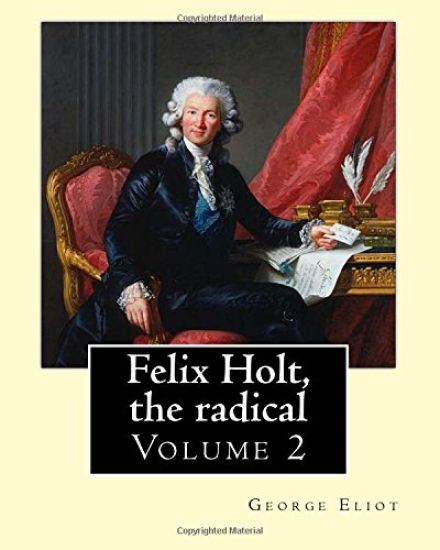
Felix Holt, the radical. By: George Eliot (Volume 2), in three volume: Social novel, illustrated By: Frank T. Merrill (1848-1936).
Frank T. Merrill; George Eliot
Createspace Independent Publishing Platform
2017
nidottu
Felix Holt, the Radical (1866) is a social novel written by George Eliot about political disputes in a small English town at the time of the First Reform Act of 1832. In January 1868, Eliot penned an article entitled "Address to Working Men, by Felix Holt". This came on the heels of the Second Reform Act of 1867 which expanded the right to vote beyond the landed classes and was written in the character of, and signed by, Felix Holt. Plot: As the story starts, the reader is introduced to the fictitious community of Treby in the English Midlands in 1832, around the time of the First Reform Act. Harold Transome, a local landowner, has returned home after a fifteen-year trading career in the Far East. Wealthy from trade, he stands for election to Parliament from the county seat of North Loamshire. But contrary to his family's Tory traditions, he intends to stand as a Radical. This alienates him from his traditional allies and causes despair for his mother, Mrs. Transome. Harold Transome gains the support of his Tory uncle, the Rector of Little Treby, and enlists the help of his family lawyer, Matthew Jermyn, as an electioneering agent. Much of his electioneering is focused in Treby Magna. In this village resides Felix Holt, who has recently returned from extensive travels in Glasgow to live with his mother. He meets with Rev. Rufus Lyon, a Dissenting minister in Treby Magna, and his stepdaughter, Esther. Felix and Mr. Lyon become ready friends, but he appears to treat Esther with condescension. Felix and Rev. Lyon both appear aligned to the Radical cause. Harold Transome learns that Jermyn has been mismanaging the Transome estate and embezzling money for himself. Transome remains silent during the election, yet Jermyn tries to devise a plan to save himself from future prosecution. Meanwhile, Felix witnesses some electioneering for the Radical cause in the nearby mining town of Sproxton. He is upset with the 'treating' of workers with beer in exchange for their vocal support. Felix relays his concerns to Harold Transome, who chastises John Johnson for his electioneering methods. However, Jermyn convinces Transome not to interfere. Rev. Lyon learns from Maurice Christian, servant of Philip Debarry, about the possible identity of Esther's biological father. Rev. Lyon decides to tell Esther the truth about her father. Esther's outlook on life changes upon finding that she is in fact Rev. Lyon's stepdaughter. Her relationship with her stepfather deepens, while she also desires to emulate the high moral standards impressed upon her by Felix Holt. Seeing the change in Esther's character, Felix Holt begins to fall in love with her. However, both share the feeling that they are destined never to marry each other. Meanwhile, Rev. Lyon challenges Rev. Augustus Debarry to a theological debate. The debate is initially agreed to, but is cancelled at the last minute.... Frank Thayer Merrill (1848-1936). Mary Anne Evans (22 November 1819 - 22 December 1880; alternatively "Mary Ann" or "Marian"), known by her pen name George Eliot, was an English novelist, poet, journalist, translator and one of the leading writers of the Victorian era. She is the author of seven novels, including Adam Bede (1859), The Mill on the Floss (1860), Silas Marner (1861), Felix Holt, the Radical (1866), Middlemarch (1871-72), and Daniel Deronda (1876), most of which are set in provincial England and known for their realism and psychological insight. She used a male pen name, she said, to ensure that her works would be taken seriously. Female authors were published under their own names during Eliot's life, but she wanted to escape the stereotype of women writing only lighthearted romances. She also wished to have her fiction judged separately from her already extensive and widely known work as an editor and critic.
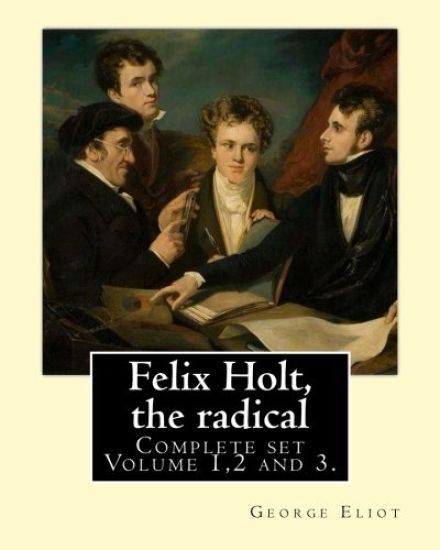
Felix Holt, the radical. By: George Eliot (Complete set Volume 1,2 and 3), in three volume: Social novel, illustrated By: Frank T. Merrill (1848-1936)
Frank T. Merrill; George Eliot
Createspace Independent Publishing Platform
2017
nidottu
Felix Holt, the Radical (1866) is a social novel written by George Eliot about political disputes in a small English town at the time of the First Reform Act of 1832. In January 1868, Eliot penned an article entitled "Address to Working Men, by Felix Holt". This came on the heels of the Second Reform Act of 1867 which expanded the right to vote beyond the landed classes and was written in the character of, and signed by, Felix Holt. Plot: As the story starts, the reader is introduced to the fictitious community of Treby in the English Midlands in 1832, around the time of the First Reform Act. Harold Transome, a local landowner, has returned home after a fifteen-year trading career in the Far East. Wealthy from trade, he stands for election to Parliament from the county seat of North Loamshire. But contrary to his family's Tory traditions, he intends to stand as a Radical. This alienates him from his traditional allies and causes despair for his mother, Mrs. Transome. Harold Transome gains the support of his Tory uncle, the Rector of Little Treby, and enlists the help of his family lawyer, Matthew Jermyn, as an electioneering agent. Much of his electioneering is focused in Treby Magna. In this village resides Felix Holt, who has recently returned from extensive travels in Glasgow to live with his mother. He meets with Rev. Rufus Lyon, a Dissenting minister in Treby Magna, and his stepdaughter, Esther. Felix and Mr. Lyon become ready friends, but he appears to treat Esther with condescension. Felix and Rev. Lyon both appear aligned to the Radical cause. Harold Transome learns that Jermyn has been mismanaging the Transome estate and embezzling money for himself. Transome remains silent during the election, yet Jermyn tries to devise a plan to save himself from future prosecution. Meanwhile, Felix witnesses some electioneering for the Radical cause in the nearby mining town of Sproxton. He is upset with the 'treating' of workers with beer in exchange for their vocal support. Felix relays his concerns to Harold Transome, who chastises John Johnson for his electioneering methods. However, Jermyn convinces Transome not to interfere. Rev. Lyon learns from Maurice Christian, servant of Philip Debarry, about the possible identity of Esther's biological father. Rev. Lyon decides to tell Esther the truth about her father. Esther's outlook on life changes upon finding that she is in fact Rev. Lyon's stepdaughter. Her relationship with her stepfather deepens, while she also desires to emulate the high moral standards impressed upon her by Felix Holt. Seeing the change in Esther's character, Felix Holt begins to fall in love with her. However, both share the feeling that they are destined never to marry each other. Meanwhile, Rev. Lyon challenges Rev. Augustus Debarry to a theological debate. The debate is initially agreed to, but is cancelled at the last minute.... Frank Thayer Merrill (1848-1936). Mary Anne Evans (22 November 1819 - 22 December 1880; alternatively "Mary Ann" or "Marian"), known by her pen name George Eliot, was an English novelist, poet, journalist, translator and one of the leading writers of the Victorian era. She is the author of seven novels, including Adam Bede (1859), The Mill on the Floss (1860), Silas Marner (1861), Felix Holt, the Radical (1866), Middlemarch (1871-72), and Daniel Deronda (1876), most of which are set in provincial England and known for their realism and psychological insight. She used a male pen name, she said, to ensure that her works would be taken seriously. Female authors were published under their own names during Eliot's life, but she wanted to escape the stereotype of women writing only lighthearted romances. She also wished to have her fiction judged separately from her already extensive and widely known work as an editor and critic.
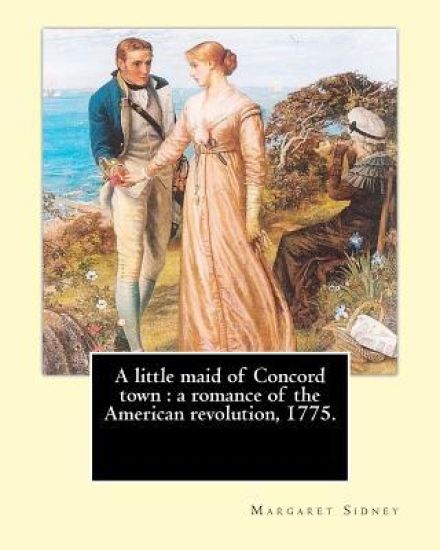
A little maid of Concord town: a romance of the American revolution, 1775. By: Margaret Sidney, illustrated By: Frank T. Merrill: Margaret Sidney was
Frank T. \. Merrill; Margaret Sidney
Createspace Independent Publishing Platform
2017
nidottu
Margaret Sidney was the pseudonym of American writer Harriett Mulford Stone Lothrop (June 22, 1844 - August 2, 1924). In addition to writing popular children's stories, she ran her husband Daniel Lothrop's publishing company after his death. After they bought The Wayside country house, they worked hard to make it a center of literary life. BIOGRAPHY: Harriett Mulford Stone was born in New Haven, Connecticut, in 1844. The daughter of New Haven architect, Sidney Mason Stone, she was "brought up in an atmosphere of culture and learning enhanced by free access to her father's large library."From early girlhood she "delighted in creating imaginary people". She was educated at seminaries near her home and graduated from Miss Dutton's School at Grove Hall in New Haven in 1862. While a student there "she displayed such mental alertness, combined with retentive memory and a great imaginative and poetic talent that she was marked for future success." She traveled extensively in the United States, and began creating literary compositions early in life.According to a Hartford Courant article, "she wrote constantly but destroyed manuscripts". She published nothing until 1878 when, at the age of 34, she began sending short stories to Wide Awake, a children's magazine in Boston. Two of her stories, "Polly Pepper's Chicken Pie" and "Phronsie Pepper's New Shoes", proved to be very popular with readers. Ella Farman, the editor of the magazine, requested that Stone write more. The success of Harriett's short stories prompted her to write Five Little Peppers and its 11 sequels. The original novel was first published in 1881, the year that Stone married Daniel Lothrop. Daniel had founded the D. Lothrop Company of Boston, who published Harriett's books under her pseudonym, Margaret Sidney. Harriett and Daniel may have both had an interest in history and in famous authors. In 1883, they purchased the house in which both Louisa May Alcott and Nathaniel Hawthorne had lived. Nicknamed The Wayside, the house is located in Concord, Massachusetts. The year after Harriett and Daniel moved into the house, Harriett gave birth to their daughter, Margaret, at the age of 40. Daniel Lothrop died on Friday, March 18, 1892, when Harriett was 48 and their daughter was just 9 years old. There was a gap in the release of the Five Little Peppers books from 1892 to 1897, while Harriett continued to run the publishing company Daniel founded. Eventually, she sold the company, which later became Lothrop, Lee & Shepard Co. It continued to publish Harriett's books under the name Margaret Sidney when Harriett resumed writing the Five Little Peppers series. Frank T. Merrill (1848-1923).Frank Thayer Merrill was an American illustrator, best remembered today for illustrating Louisa May Alcott's Little Women in 1880.
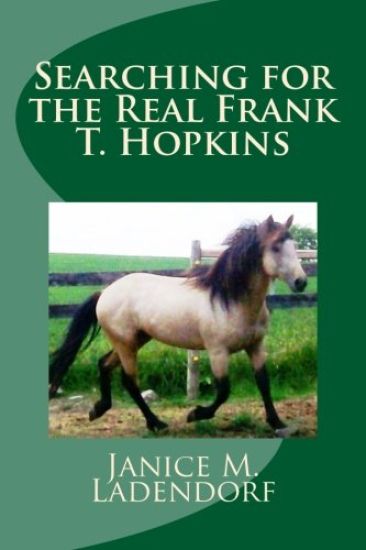
Searching for the Real Frank T. Hopkins
Janice M. Ladendorf
Createspace Independent Publishing Platform
2016
nidottu

America's Master Dam Builder: The Engineering Genius of Frank T. Crowe
Al M. Rocca
Renown Publishing Company
2007
nidottu
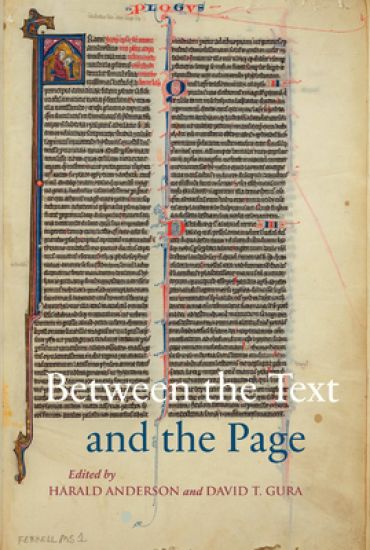
Between the Text and the Page: Studies on the Transmission of Medieval Ideas in Honour of Frank T. Coulson
H. Anderson; D. T. Gura
Brepols Publishers
2020
sidottu
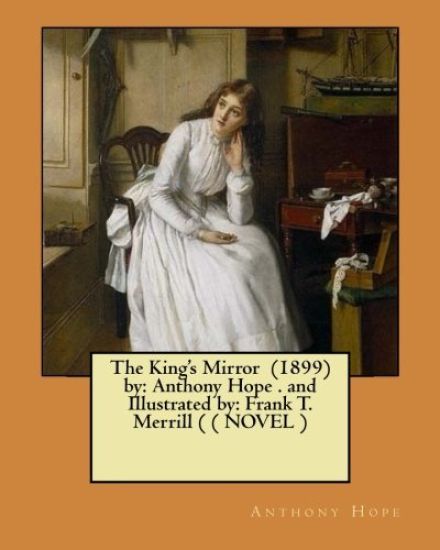
The King's Mirror (1899) by: Anthony Hope . and Illustrated by: Frank T. Merrill ( ( NOVEL )
Anthony Hope
Createspace Independent Publishing Platform
2017
nidottu