

Kirjahaku
Etsi kirjoja tekijän nimen, kirjan nimen tai ISBN:n perusteella.
1000 tulosta hakusanalla Fred R. Kuester

Adam and Eve for Atheists: Who Will Rewrite the Holy Bible?
Fred R. Kuester
Dorrance Publishing Co.
2019
nidottu
This book is inspired by the life and eventual death of the author, Fred R. Kuester's, father. He was an atheist who rejected the entire Bible and the existence of God because of what he regarded as the absurdities of the Book of Genesis. In this book the first chapter presents a rational concept that everyone will agree is correct. Thus the title: Adam and Eve for Atheists. Kuester offers these concepts which he regards as truths: There is an afterlife, and there is a God in charge of that afterlife. He works in ways that we can only vaguely comprehend. The prehistory and even some of the history stories in the Holy Bible carry fascinating divine messages that are carried by the story. But they never were meant to be actual, precise history. That isn't how history was recorded in those days. Many of these stories carry useful messages for the people of our modern times. Kuester would like readers to study these stories, because he feels they matter. About the AuthorFred R. Kuester is a child of the Great Depression of the 1930s, but there was nothing great about it, as people were truly poor, and there wasn't money to cover much more than the simplest, basic needs, but through this, Kuester learned to be humble. As time went by, Kuester managed to graduate from Pulaski High School in Milwaukee, Wisconsin. He was able to move on to earn degrees in Forestry from Michigan State University and Auburn University. Foresters do not spend their careers sitting in towers looking for forest fires as many people suppose they do. However, Kuester did spend a lot of time putting out forest fires, and he liked that work. Regarding the demands of the curriculum, the forestry students did murk their way through some pretty challenging stuff such as statistical analysis of environmental situations. Kuester is quite certain that he coined the expression, "delusionary mathematics" described in this book, referring to the use of statistics without degrees of freedom, but fear not--there is no difficult math in this book In fact, none of Adam and Eve for Atheists is written in the style of university professors writing to each other. It is written by a non-premier student for understanding at almost any level of reading, including professors'. So enjoy

Slow Reindeer is a fun book that can also teach us a thing or two Join Santa, his reindeer, Jake the barn cleaner, and even Grandmother Claus in this different approach to the story of Santa Claus.Fred R. Kuester is a retired forester, a graduate of Auburn and Michigan State universities, and a retired science-math teacher as an adult graduate of Lewis-Clark College (LCSC) in Lewiston, Idaho. He currently lives in Kamiah, Idaho. Slow Reindeer is a fun book that can also teach us a thing or two Join Santa, his reindeer, Jake the barn cleaner, and even Grandmother Claus in this different approach to the story of Santa Claus.

Understanding and Managing the Therapeutic Relationship
Fred R. McKenzie
Oxford University Press Inc
2011
nidottu
Working with clients can be challenging, even for therapists with years of training, and working with difficult clients can be even more daunting. Understanding how the emotions of both therapist and client affect their relationship is as important as understanding theory and technique, and effective management of that relationship is crucial to successful treatment. Understanding and Managing the Therapeutic Relationship is the first book to integrate the theoretical, practical, and emotional aspects of the clinical relationship. Through a combination of classical and contemporary theory, comprehensive practical case applications, and empirically grounded knowledge from such varied sources as attachment theory and neuroscience, McKenzie has created a text that captures the emotional aspects of the therapeutic encounter in a way that is informative and useful to both the beginning clinician and the experienced therapist. This book works well in both advanced and introductory courses in social work theory and practice, counseling psychology practice, clinical psychology practice, and human services practice. It also proves a useful reference for doctoral level classes.

For too long, practitioners and students working with adolescents have been forced to consult a variety of sources to bring together theory and practice in a meaningful way. Professor McKenzie draws on his extensive experience as both a practitioner and an academic to create a comprehensive book, one that provides a strong theoretical base as well as practical techniques to effectively use theory in practice. The result is an inclusive approach to working with adolescents that brings together essential information in one concise volume.

The 1916 Anglo-French offensive comprising the battles of the Somme marked a change in the Allies' relationships, with the British beginning to play a more important role. From contemporaries to the present the Somme has also produced a number of controversies. This book shows the current state of historians' interpretations of the Somme. The initial section presents the historical background of the offensive, lays out the major interpretative disputes, and identifies the scholars and works in each school of thought. The second section provides a bibliography of more than 700 entries. The initial section of the book presents the historical background of the offensive and lays out the major interpretative disputes about it. The section identifies scholars and works in each school of thought, enables readers to determine where a specific work fits in the spectrum of views, and provides cross references to the bibliography. The second section provides an annotated bibliography of more than 700 entries.

The passage of time has not slowed the production of books and articles about World War I. This volume provides a guide to the historiography and bibliography of the Dardanelles Campaign, including the Gallipoli invasion. It focuses on military history but also provides information on political histories that give significant attention to the handling of the Dardanelles Campaign. The opening section of the book provides background information about the campaign, discusses the major sources of information, and lays out the major interpretative disputes. A comprehensive annotated bibliography follows.This book nicely complements the two earlier volumes on World War I battles—The Battle of Jutland by Eugene Rasor and The Battles of the Somme by Fred R. van Hartesveldt.

The Battles of the British Expeditionary Forces, 1914-1915
Fred R. van Hartesveldt
Praeger Publishers Inc
2005
sidottu
In this valuable resource, over 1,000 annotated sources from Great Britain, France, and Germany offer a historiographical reference for study of the British army at the beginning and in the first battles of World War I. Unique to this bibliography is the comprehensive coverage of sources, resulting in a more complete picture of the circumstances of activities of the British Expeditionary Force (BEF). Sources include coverage of the BEF's military role, as well as background information about domestic military considerations and Allied and enemy efforts. This volume will support researchers and students in their efforts to find out what the Expeditionary Force's contributions were in World War I, and for expanding their knowledge of the Great War and British military history. In this valuable resource, over 1,000 annotated sources from Great Britain, France, and Germany offer a historiographical reference for study of the British army at the beginning and in the first battles of World War I. Unique to this bibliography is the comprehensive coverage of sources, and it results in a more complete picture of the circumstances of activities of the British Expeditionary Force (BEF). Sources include coverage of the BEF's military role, as well as background information about domestic military considerations and Allied and enemy efforts. This volume will support researchers and students in their efforts to find out what the Expeditionary Force's contributions were in World War I, and for expanding their knowledge of the Great War and British military history. The volume includes four chapters of historiographical essays discussings the interpretations and controversies that surround the performance and leadership of the BEF in 1914-1915. The essays direct readers to the major sources that support various ideas and indicate gaps in the historiography of the subject. Following the historiographical essays is an annotated bibliography of more than 1,000 sources that are relevant to the study of the BEF.

One hundred years after the Boer War, the British continue to debate what went wrong, while the war has significant nationalist overtones in today's South Africa. This book examines changes in interpretations of the war and provides a bibliography of major sources on the Boer War, now sometimes called the South African War. The bibliography focuses on the military history, but also includes some historical accounts of the political debate. The first part of the book provides an extended historiographical essay, while part two provides an annotated bibliography of the titles discussed in part one. Historiographical questions concerning the Boer War are numerous. Discussions of military operations focus on the early use of modern weaponry and the effect of guerrilla tactics on a traditional force, while other historians debate the question of British military leadership and organization. Questions also revolve around British imperialism and the scramble for Africa. Frequently called the second war for freedom by South African authors, the war was the reason that South Africa, unlike other British colonies, gained independence without majority rule. This makes the war of continuing relevance to the turmoil in South Africa, the collapse of the minority government, and the continuing problems of the current government. This book will provide a useful tool for those wishing to research the war.


The Pintupi, a hunting-and-gathering people of Australia's Western Desert, were among the last Aborigines to come into contact with white society. Despite their extended relocation in central Australian settlements, they have managed to preserve much of their traditional culture and social organization. This book presents a comprehensive ethnographic interpretation of the ways in which Pintupi politics, cosmology, kinship systems, nomadic patterns, and social values reinforce and sometimes contradict each other.

Happiness, Justice, and Freedom: The Moral and Political Philosophy of John Stuart Mill delves deeply into Mill's ethical and political theories, arguing that his ideas form a cohesive and robust philosophical framework. Challenging traditional critiques, this book contends that Mill's doctrines provide a more defensible utilitarianism and political liberalism than previously recognized. Central to this analysis are the interconnected concepts of happiness, justice, and freedom, which are explored through the lens of Mill’s nuanced understanding of human well-being, the role of moral rules, and the protection of individual autonomy. By drawing on Mill's psychological theories, his famous "proof" of the Greatest Happiness Principle, and his perspectives on justice and liberty, the book offers fresh insights into his vision of a society that harmonizes individual and collective good. This comprehensive study also situates Mill’s ideas within the broader utilitarian tradition and highlights their relevance for contemporary moral and political philosophy. It examines Mill’s emphasis on higher human capacities, his defense of moral rules in practical decision-making, and his utilitarian justification for rights. The book traces Mill's substantive principles of justice through applications to political, economic, and social issues, including punishment, taxation, and women's rights, demonstrating their enduring significance. Additionally, it underscores the interdependence of Mill’s theories, arguing that his conception of liberty is inseparable from his theory of justice and both are essential to his broader notion of happiness. Ultimately, the work positions Mill as a pivotal figure in the ongoing development of utilitarian thought and a source of valuable insights for addressing modern ethical and political challenges. This title is part of UC Press's Voices Revived program, which commemorates University of California Press’s mission to seek out and cultivate the brightest minds and give them voice, reach, and impact. Drawing on a backlist dating to 1893, Voices Revived makes high-quality, peer-reviewed scholarship accessible once again using print-on-demand technology. This title was originally published in 1984.

Happiness, Justice, and Freedom: The Moral and Political Philosophy of John Stuart Mill delves deeply into Mill's ethical and political theories, arguing that his ideas form a cohesive and robust philosophical framework. Challenging traditional critiques, this book contends that Mill's doctrines provide a more defensible utilitarianism and political liberalism than previously recognized. Central to this analysis are the interconnected concepts of happiness, justice, and freedom, which are explored through the lens of Mill’s nuanced understanding of human well-being, the role of moral rules, and the protection of individual autonomy. By drawing on Mill's psychological theories, his famous "proof" of the Greatest Happiness Principle, and his perspectives on justice and liberty, the book offers fresh insights into his vision of a society that harmonizes individual and collective good. This comprehensive study also situates Mill’s ideas within the broader utilitarian tradition and highlights their relevance for contemporary moral and political philosophy. It examines Mill’s emphasis on higher human capacities, his defense of moral rules in practical decision-making, and his utilitarian justification for rights. The book traces Mill's substantive principles of justice through applications to political, economic, and social issues, including punishment, taxation, and women's rights, demonstrating their enduring significance. Additionally, it underscores the interdependence of Mill’s theories, arguing that his conception of liberty is inseparable from his theory of justice and both are essential to his broader notion of happiness. Ultimately, the work positions Mill as a pivotal figure in the ongoing development of utilitarian thought and a source of valuable insights for addressing modern ethical and political challenges. This title is part of UC Press's Voices Revived program, which commemorates University of California Press’s mission to seek out and cultivate the brightest minds and give them voice, reach, and impact. Drawing on a backlist dating to 1893, Voices Revived makes high-quality, peer-reviewed scholarship accessible once again using print-on-demand technology. This title was originally published in 1984.

In this autobiography of a Christian minister, Fred R. Zimmerman tells the story of his life on the stage of world events that affected him either directly or indirectly. Born to be a minister, he first became aware of his calling early on in his boyhood. Orphaned at eighteen months during the flu pandemic of 1918–19, he was fortunate enough to be adopted by a childless couple. In their capacity as committed church-going Christians, he was wisely nurtured in his mission to become a minister. During his college and seminary years, crises accompanying this destiny began to arise. As his ministry developed through the years, destiny and decision became the yoke (Matthew 11:27–30) under which he exercised the burden of being a pastor. This is therefore a story not primarily of a person but of a God-appointed ministry.

Sermon Nuggets is a collection of ninety-one topics treated in hundreds of Fred R. Zimmerman’s sermons delivered over the span of six decades to a wide-ranging number of Protestant congregations, mostly in Ohio. Three hundred and twenty-six excerpts on these sermon topics are selectively chosen and titled to reflect the biblical, theological, and pastoral concerns. Sermon Nuggets provides insight into a variety of topics helpful to ministers in their own concerns and sermon preparations as well as to seminary students and teachers of religion.

More Sermon Nuggets contains ninety-five topics treated in hundreds of Fred R. Zimmerman’s sermons delivered over the span of six decades to a wide-ranging number of Protestant congregations, mostly in Ohio. Two hundred seventy-eight excerpts on these sermon topics were selectively chosen and titled to reflect the author’s biblical, theological, and pastoral concerns. This book and the earlier published Sermon Nuggets (2014) provide insight into a variety of topics helpful to ministers in their own concerns and sermon preparations as well as to seminary students and teachers of religion.

Singing God's Psalms
Fred R. Anderson; Walter Brueggemann
William B Eerdmans Publishing Co
2016
nidottu
Drawing on his decades of experience as a pastor, hymn writer, and hymnal consultant, Fred Anderson here offers pastors and worship leaders a rich treasury of singable psalms -- one for each psalm text or canticle appointed in the three-year Revised Common Lectionary. Anderson renders each psalm into metered text, using contemporary, biblical, inclusive language, and suggests appropriate pairings with familiar hymn tunes. Short pastoral reflections on each psalm text provide background on what is being sung -- and are also useful for sermon preparation and personal meditation.

Dallmayr argues that G W F Hegel is perhaps the leading philosopher of modernity and explores his philosophy as it pertains to the meaning of modernity and postmodernity: its celebration of individual freedom and the importance of a network of social relationships, public justice and civic virtue. This important text explains Hegel's work in the context of current theoretical and philosophical debates about modernity, illustrating his response to contemporary issues and recognizing him as a major figure in the history of political thought.
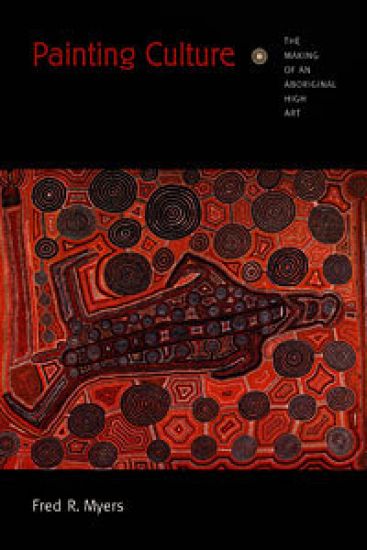
Painting Culture tells the complex story of how, over the past three decades, the acrylic "dot" paintings of central Australia were transformed into objects of international high art, eagerly sought by upscale galleries and collectors. Since the early 1970s, Fred R. Myers has studied-often as a participant-observer-the Pintupi, one of several Aboriginal groups who paint the famous acrylic works. Describing their paintings and the complicated cultural issues they raise, Myers looks at how the paintings represent Aboriginal people and their culture and how their heritage is translated into exchangeable values. He tracks the way these paintings become high art as they move outward from indigenous communities through and among other social institutions-the world of dealers, museums, and critics. At the same time, he shows how this change in the status of the acrylic paintings is directly related to the initiative of the painters themselves and their hopes for greater levels of recognition. Painting Culture describes in detail the actual practice of painting, insisting that such a focus is necessary to engage directly with the role of the art in the lives of contemporary Aboriginals. The book includes a unique local art history, a study of the complete corpus of two painters over a two-year period. It also explores the awkward local issues around the valuation and sale of the acrylic paintings, traces the shifting approaches of the Australian government and key organizations such as the Aboriginal Arts Board to the promotion of the work, and describes the early and subsequent phases of the works’ inclusion in major Australian and international exhibitions. Myers provides an account of some of the events related to these exhibits, most notably the Asia Society’s 1988 "Dreamings" show in New York, which was so pivotal in bringing the work to North American notice. He also traces the approaches and concerns of dealers, ranging from semi-tourist outlets in Alice Springs to more prestigious venues in Sydney and Melbourne. With its innovative approach to the transnational circulation of culture, this book will appeal to art historians, as well as those in cultural anthropology, cultural studies, museum studies, and performance studies.
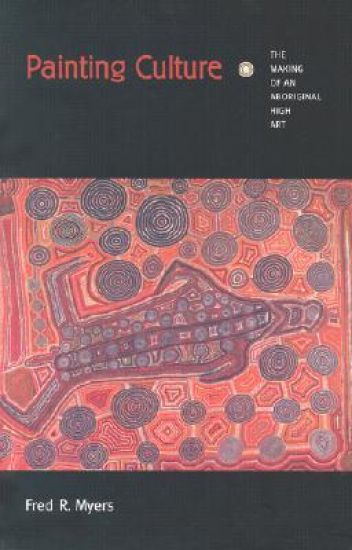
Painting Culture tells the complex story of how, over the past three decades, the acrylic "dot" paintings of central Australia were transformed into objects of international high art, eagerly sought by upscale galleries and collectors. Since the early 1970s, Fred R. Myers has studied-often as a participant-observer-the Pintupi, one of several Aboriginal groups who paint the famous acrylic works. Describing their paintings and the complicated cultural issues they raise, Myers looks at how the paintings represent Aboriginal people and their culture and how their heritage is translated into exchangeable values. He tracks the way these paintings become high art as they move outward from indigenous communities through and among other social institutions-the world of dealers, museums, and critics. At the same time, he shows how this change in the status of the acrylic paintings is directly related to the initiative of the painters themselves and their hopes for greater levels of recognition. Painting Culture describes in detail the actual practice of painting, insisting that such a focus is necessary to engage directly with the role of the art in the lives of contemporary Aboriginals. The book includes a unique local art history, a study of the complete corpus of two painters over a two-year period. It also explores the awkward local issues around the valuation and sale of the acrylic paintings, traces the shifting approaches of the Australian government and key organizations such as the Aboriginal Arts Board to the promotion of the work, and describes the early and subsequent phases of the works’ inclusion in major Australian and international exhibitions. Myers provides an account of some of the events related to these exhibits, most notably the Asia Society’s 1988 "Dreamings" show in New York, which was so pivotal in bringing the work to North American notice. He also traces the approaches and concerns of dealers, ranging from semi-tourist outlets in Alice Springs to more prestigious venues in Sydney and Melbourne. With its innovative approach to the transnational circulation of culture, this book will appeal to art historians, as well as those in cultural anthropology, cultural studies, museum studies, and performance studies.