Kirjojen hintavertailu. Mukana 11 244 527 kirjaa ja 12 kauppaa.

Kirjahaku

Etsi kirjoja tekijän nimen, kirjan nimen tai ISBN:n perusteella.

1000 tulosta hakusanalla Fritz Lang

Fritz Lang

Fritz Lang

Reynold Humphries

Johns Hopkins University Press
2004
pokkari
Challenging the myth that Fritz Lang's best work ended when he reached Hollywood, Reynold Humphries takes a new look at seventeen of the director's twenty-two American films. Made between 1936 and 1956, these films- Fury, You Only Live Once, You and Me, Man Hunt, Hangmen Also Die, The Ministry of Fear, The Woman in the Window, Scarlet Street, Cloak and Dagger, Secret beyond the Door, House by the River, Rancho Notorious, The Blue Gardenia, The Big Heat, Moonfleet, While the City Sleeps, and Beyond a Reasonable Doubt-broadly validate the insights of auteur theory while emphasizing the importance of the narrative and representational codes peculiar to a given genre. Humphries examines these films in light of semiotics and psychoanalysis, drawing on Freud's "Wolfman" case and Lacan's theories of "the subject" and "the look" to bring novel solutions to crucial theoretical problems in such areas as the spectator, classical film narrative, and genre. In applying critical theory to Lang's Hollywood-made film noirs, melodramas, Westerns, and spy films, Humphries provocatively complicates auteur theory and revitalizes an unjustly neglected phase in the career of one of cinema's boldest visionaries.
Fritz Lang

Fritz Lang

McGilligan Patrick

University of Minnesota Press
2013
nidottu
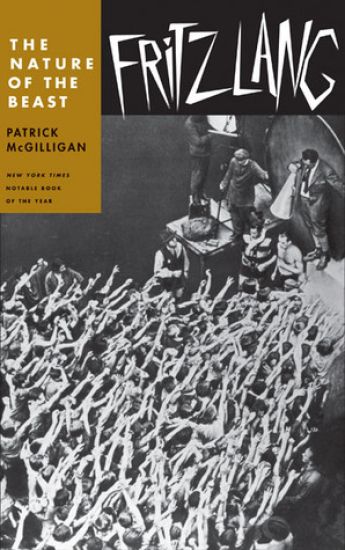
The name of Fritz Lang—the visionary director of Metropolis, M, Fury, The Big Heat, and thirty other unforgettable films—is hallowed the world over. But what lurks behind his greatest legends and his genius as a filmmaker? Patrick McGilligan, placed among “the front rank of film biographers” by the Washington Post, spent four years in Europe and America interviewing Lang’s dying contemporaries, researching government and film archives, and investigating the intriguing life story of Fritz Lang. This critically acclaimed biography—lauded as one of the year’s best nonfiction books by Publishers Weekly—reconstructs the compelling, flawed human being behind the monster with the monocle.
Fritz Lang

Fritz Lang

University Press of Mississippi
2003
nidottu
The films of Fritz Lang depict an entrapping, claustrophobic world in which people are controlled by larger forces. His overriding theme is the struggle against fate and against the traits of human nature that doom us. His life and work spanned six decades of film history-from the silent era through the golden age of German Expressionism of the 1920s and the classic studio system in Hollywood to the rise of the international co-production. In Hollywood he worked for every major studio except Disney. He made blockbusters, modest B movies, and everything in between. Among his films are classics of German cinema-including Metropolis and M. In America he made some of the most notable crime movies (Fury), noir films (The Big Heat), and Westerns (The Return of Frank James) of the studio era. Despite the different time periods, nations, and genres in which he worked, his films remain stylistically consistent. Lang (1890-1976), a notoriously difficult interviewee, granted relatively few interviews apart from short publicity exchanges in the promotion of his films. Fully aware of his public persona, he was a canny self-promoter who carefully constructed half-truths and myths about himself. This fascinating collection covers his conversations about his life and his works over a period of forty years. They reveal how cinema for Lang was an intensely personal art. ""For me,"" he said, ""cinema is a vice. I love it intimately. I've often written that it is the art form of our century.""
Fritz Lang

Fritz Lang

Rosebud
2025
nidottu
Ensimmäinen, kauan kaivattu Filmihullu-pokkari!Sen teemahenkilö on Fritz Lang (1890-1976), yksi elokuvan vuosisadan merkittävimmistä elokuvantekijöistä ja taidemuodon kehittäjistä. Wienin porvarispiireissä varttuneen, arkkitehtuuria ja taiteita opiskelleen, Pariisissakin viihtyneen, ensimmäisessä maailmansodassa haavoittumaan ehtineen Langin elokuvaura alkoi 1910-luvun lopun Saksassa ensin käsikirjoittajana, mutta pian myös ohjaajana. Ekspressionismin kehdossa syntyivät sellaiset klassikot kuin Tri Mabuse - ihmispeto, Metropolis ja M - kaupunki etsii murhaajaa. Kansallissosialismin noustessa Lang siirtyi 1933 Ranskaan, sitten Yhdysvaltoihin. Hollywoodissa hän loi parinkymmenen vuoden aikana sarjan teoksia, jotka erityisesti elokuvateatterin pimeydessä näyttäytyvät edelleen poikkeuksellisen syvinä ja taidokkaina ihmissielujen ja yhteiskunnallisten olojen kuvauksina, oli kyseessä sitten western tai noir. Jean-Luc Godardin ikoniksi nousseessa, erään aikakauden lopun ikuistaneessa Alberto Moravia -filmatisoinnissa Sen täytyi tapahtua / Keskipäivän aave Fritz Lang esitti itseään.Vähintäänkin kaikkea tätä yrittävät käsitellä Filmihullun arkistoista kuudelta vuosikymmeneltä kerätyt eri kirjoittajien kuohuvat ja kiemuraiset tekstit. Jotta Langin työtä ja sen merkitystä tulisi valotettua näissä tiiviissä puitteissa mahdollisimman kattavasti, uutta pohdintaa mykkäkaudesta tarjoaa Velipekka Makkonen (s. 1940) ja Yhdysvaltain rupeamasta Joonas Nykänen (s. 1992). "Meille historian pöly on kokaiinia!", julisti takavuosien Filmihullu-t-paita. Raivaammekin jo taasen kiivaasti arkistoja tähtäimessämme Filmihullu-pokkari 2.
Fritz Lang's Metropolis

Fritz Lang's Metropolis

Camden House Inc
2002
pokkari
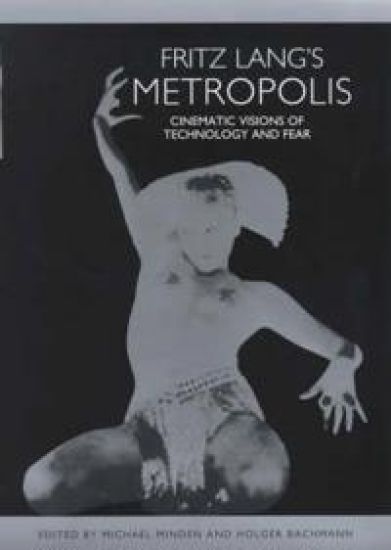
A collection of essays -- early seminal works as well as freshinterpretations -- on the famous German expressionist film,Metropolis. Fritz Lang's classic 1927 film Metropolis has justifiably become an icon for the complexities of Weimar culture. Among the important general issues it also raises are the relation between ideology and art, the status and authorship of the film text in the entertainment market, the city, the construction of gender, the relation between the human body and the machine in modernity, and the relation between mass and high culture. This volume provides abroad range of materials and resources for the study of Lang's film, including both well-known, previously published critical essays and contributions appearing for the first time here. The editors provide a two-part introductionthat furnishes context for what follows: Bachmann's part deals with the genesis, production, and contemporary reception of the film, while Minden's defines the problems posed by the text and reviews thesolutions to these problemsas proposed by later generations of critics.The first part of the book proper includes selected contemporaryreviews, commentary by Fritz Lang and others involved in the making ofthe film, and extracts from Thea von Harbou's original novel. In the second part, eight modern scholars provide fresh essays on the genesis, promotion, and reception of the film. Approximately half of the material in the volume has never before appeared in print. The volume will appealto students of German, film, cultural and intellectual history, and social theory. Michael Minden is University Lecturer in German at Cambridge University and a fellow of Jesus College. Holger Bachmann received hisPh.D. from Cambridge on Arthur Schnitzler and film.
Fritz Lang: The Life and Legacy of the Influential German-American Film Legend
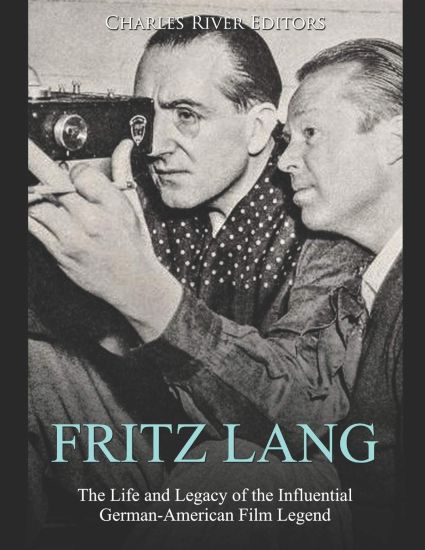
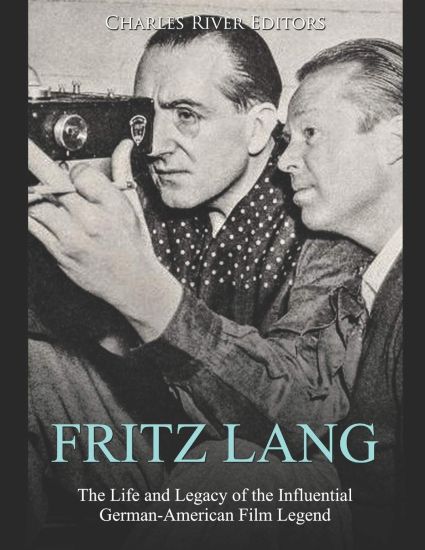
*Includes pictures*Includes a bibliography for further reading"I was something that is always hated in Hollywood - a perfectionist; nobody likes a perfectionist, you know." - Fritz LangWhile it's easily forgotten today, during the early 20th century, various European countries had vibrant film industries, and even though Hollywood had already staked its claim as the forerunner of the international cinematic landscape by the 1920s, national cinemas in Sweden, Germany, and elsewhere throughout Western Europe enjoyed great power during this period. During that time, Germany's most renowned film directors were pioneering the genre known as Expressionism, and within it, Fritz Lang was known as the "Master of Darkness." Together with his eventual wife, Thea von Harbou, Lang wrote a number of acclaimed movies, including Dr. Mabuse the Gambler (1922), Die Nibelungen (1924), Metropolis (1927), and Woman in the Moon (1929). Eventually, a number of Europe's biggest movie stars and directors came to Hollywood, such as Greta Garbo, Ingrid Bergman, and Alfred Hitchcock, but Lang's course to America came under far different circumstances. As Adolf Hitler rose to power and strengthened the Nazis' grip over Germany, the party's coarse antisemitism took root across all segments of society. As Jews were further persecuted, German Jews from all walks of life went into exile, and the loss of so many bright minds has led historians to the conclusion that the exodus could have made the difference in World War II. As scientists like Albert Einstein made their way out of the country to safety, they served as further proof that in addition to being dogmatically racist, the Nazis were also incompetent and self-defeating.Coinciding with Hitler's rise, Lang was filming The Testament of Dr. Mabuse, and it was quickly viewed as a biting commentary on the Nazi Party. On March 30, 1933, the Nazi regime banned it, and Lang later claimed that propaganda minister Joseph Goebbels confided to him that he loved the movie. By then, Lang was known for noir films, especially M, a dark movie about a child murderer. Compelled to leave Germany, Lang made his way to Hollywood and quickly established himself there, leading to a career spanning 20 years. Continuing with the same themes as the ones he used in Germany, Lang helped establish noir as one of the most popular film genres of the 1950s in America, with influential works like Scarlett Street, and his most famous film, The Big Heat (1953). By 1960, however, his health began to decline, and thus so did his output, which was somewhat ironic because he brought the Mabuse series of films full circle with 1960's The Thousand Eyes of Dr. Mabuse, which revived interest in Mabuse and led to more films being made for the series. As fate would have it, though, those films would be produced by German producer Artur Brauner, not Lang himself.Fritz Lang: The Life and Legacy of the Influential German-American Film Legend chronicles his career in front of the camera and behind it. Along with pictures depicting important people, places, and events, you will learn about Lang like never before.
Fritz Lang: The Life and Legacy of the Influential German-American Film Legend
*Includes pictures*Includes a bibliography for further reading"I was something that is always hated in Hollywood - a perfectionist; nobody likes a perfectionist, you know." - Fritz LangWhile it's easily forgotten today, during the early 20th century, various European countries had vibrant film industries, and even though Hollywood had already staked its claim as the forerunner of the international cinematic landscape by the 1920s, national cinemas in Sweden, Germany, and elsewhere throughout Western Europe enjoyed great power during this period. During that time, Germany's most renowned film directors were pioneering the genre known as Expressionism, and within it, Fritz Lang was known as the "Master of Darkness." Together with his eventual wife, Thea von Harbou, Lang wrote a number of acclaimed movies, including Dr. Mabuse the Gambler (1922), Die Nibelungen (1924), Metropolis (1927), and Woman in the Moon (1929). Eventually, a number of Europe's biggest movie stars and directors came to Hollywood, such as Greta Garbo, Ingrid Bergman, and Alfred Hitchcock, but Lang's course to America came under far different circumstances. As Adolf Hitler rose to power and strengthened the Nazis' grip over Germany, the party's coarse antisemitism took root across all segments of society. As Jews were further persecuted, German Jews from all walks of life went into exile, and the loss of so many bright minds has led historians to the conclusion that the exodus could have made the difference in World War II. As scientists like Albert Einstein made their way out of the country to safety, they served as further proof that in addition to being dogmatically racist, the Nazis were also incompetent and self-defeating.Coinciding with Hitler's rise, Lang was filming The Testament of Dr. Mabuse, and it was quickly viewed as a biting commentary on the Nazi Party. On March 30, 1933, the Nazi regime banned it, and Lang later claimed that propaganda minister Joseph Goebbels confided to him that he loved the movie. By then, Lang was known for noir films, especially M, a dark movie about a child murderer. Compelled to leave Germany, Lang made his way to Hollywood and quickly established himself there, leading to a career spanning 20 years. Continuing with the same themes as the ones he used in Germany, Lang helped establish noir as one of the most popular film genres of the 1950s in America, with influential works like Scarlett Street, and his most famous film, The Big Heat (1953). By 1960, however, his health began to decline, and thus so did his output, which was somewhat ironic because he brought the Mabuse series of films full circle with 1960's The Thousand Eyes of Dr. Mabuse, which revived interest in Mabuse and led to more films being made for the series. As fate would have it, though, those films would be produced by German producer Artur Brauner, not Lang himself.Fritz Lang: The Life and Legacy of the Influential German-American Film Legend chronicles his career in front of the camera and behind it. Along with pictures depicting important people, places, and events, you will learn about Lang like never before.
Fritz Lang in Amerika

Fritz Lang in Amerika

Robert Zion

Books on Demand
2023
pokkari
Den gr ten Teil seines filmischen Werkes schuf FRITZ LANG in den USA. In 20 Jahren, von 1936 bis 1956, drehte er, der bis heute einflussreichste Filmemacher aus dem deutschsprachigen Raum, 22 Filme in Hollywood, unterwarf sich dabei jedoch nie den geschriebenen und ungeschriebenen Regeln der Traumfabrik. Es ist ein zu zwei Kontinenten und Kulturen querstehendes Werk; zu pers nlich, um es in g ngigen Genrekategorien erfassen, zu intensiv, um seine Kraft nicht selbst heute noch wahrnehmen, zu abgr ndig, um seine Bedeutung f r das Kino insgesamt und dar ber hinaus noch l nger ignorieren zu k nnen. Erstmals im deutschsprachigen Raum schl sselt ROBERT ZION diese 22 Filme im Zusammenhang auf - "The Secret Beyond the Door" Fritz Langs in Amerika. Stimmen zum Buch: "(Fritz Lang) gilt international als einer der gro en Regisseure der Weimarer Republik, verlie Deutschland nach der Macht bernahme der Nationalsozialisten, emigrierte zun chst nach Paris und dann nach Los Angeles. Dort drehte er zwischen 1935 und 1956 insgesamt 22 Filme. Sie werden im Textband von Robert Zion pr zise beschrieben und analysiert ... Sein Analyseschema ist berzeugend und f hrt zu wichtigen Erkenntnissen ... Wie schon bei seinem Buch ber Rhonda Fleming (mein Filmbuch des Monats September 2020) beeindrucken mich die Pr zision und die sp rbare Empathie des Autors Robert Zion" - Hans Helmut Prinzler (Filmbuch des Monats Mai 2023). "Robert Zion zeichnet in Text- und Bildband dicht und spannend die Karriere Fritz Langs in Amerika, dessen K mpfe mit den Produzenten, wiederkehrende Themen und den Inhalt seiner 22 Filme nach: Ein Buch, das gro e Lust auf Wiederentdeckung eines wenig beachteten Werks weckt ... Bestechend f gen sich bei den jeweils sechs- bis achtseitigen Filmbeschreibungen Inhaltsangaben und Blick auf die Produktionsgeschichte mit Langs h ufigen K mpfen mit den Produzenten sowie die Schilderung formaler und inhaltlicher Besonderheiten zu einem runden Ganzen" - Walter Gasperi (film-net
Fritz Langs visionäre Filmkunst in 'Der müde Tod': Ein filmisches Epos, das die existenziellen Fragen des menschlichen Daseins erforscht
Fritz Langs Stummfilmklassiker Der m de Tod z hlt zu den bedeutendsten Werken des deutschen Expressionismus und ist bis heute ein Meisterwerk der Filmgeschichte. In diesem Buch analysiert Gerd Frei die vielschichtige Symbolik und philosophische Tiefe des Films, der das Thema des Todes als universelle und unausweichliche Macht auf beeindruckende Weise inszeniert. Von der visuellen Poesie bis zur Auseinandersetzung mit Liebe, Schicksal und der menschlichen Verg nglichkeit - Langs Epos hinterl sst nicht nur einen bleibenden Eindruck in der Kinolandschaft, sondern regt auch zu tiefen Reflexionen ber die Grundfragen des Lebens an. Dieses Werk bietet eine eingehende Betrachtung der historischen, kulturellen und existenziellen Hintergr nde des Films und beleuchtet, wie Lang mit visuellen Mitteln philosophische Ideen zum Ausdruck bringt. Eine unverzichtbare Lekt re f r Filmbegeisterte und alle, die sich f r die gro en Themen des menschlichen Daseins interessieren.
Fritz Langs visionäre Filmkunst in 'Der müde Tod': Ein filmisches Epos, das die existenziellen Fragen des menschlichen Daseins erforscht
Fritz Langs Stummfilmklassiker Der m de Tod z hlt zu den bedeutendsten Werken des deutschen Expressionismus und ist bis heute ein Meisterwerk der Filmgeschichte. In diesem Buch analysiert Gerd Frei die vielschichtige Symbolik und philosophische Tiefe des Films, der das Thema des Todes als universelle und unausweichliche Macht auf beeindruckende Weise inszeniert. Von der visuellen Poesie bis zur Auseinandersetzung mit Liebe, Schicksal und der menschlichen Verg nglichkeit - Langs Epos hinterl sst nicht nur einen bleibenden Eindruck in der Kinolandschaft, sondern regt auch zu tiefen Reflexionen ber die Grundfragen des Lebens an. Dieses Werk bietet eine eingehende Betrachtung der historischen, kulturellen und existenziellen Hintergr nde des Films und beleuchtet, wie Lang mit visuellen Mitteln philosophische Ideen zum Ausdruck bringt. Eine unverzichtbare Lekt re f r Filmbegeisterte und alle, die sich f r die gro en Themen des menschlichen Daseins interessieren.
A Companion to Fritz Lang

A Companion to Fritz Lang

John Wiley Sons Inc
2015
sidottu
A Companion to Fritz Lang “Fritz Lang’s movie-making spans a major part of the history of cinema, across genres, styles, and national contexts. With smartness and sharpness, the essays in this essential volume come from many angles to capture the richness of Lang’s cinema and bring great insight to its study.”Dana Polan, Cinema Studies, NYU Fritz Lang’s influence on cinema cannot be overstated, with a career that stretched from the silent era in Germany to the decline of the Hollywood studio system in the late 1950s, from the Weimar Republic to Nazi Germany, from Depression America to the McCarthy era. One of the best known émigrés from Germany’s school of Expressionism, Lang is also credited with influencing the emergence of film noir. A Companion to Fritz Lang offers the first full-scale collection of scholarship available in English on one of the most important filmmakers of all time. Addressing much of Lang’s voluminous body of work, from Metropolis and M, to lesser-known titles such as Western Union and Clash by Night, this volume offers a superb overview of Lang’s cinema with revealing insights into his enduring influence on directors such as Godard, Scorsese, Chabrol, and Tarantino. The two dozen essays presented here are an unrivaled and up-to-the-minute assessment of the prolific and resilient life and vision of one of cinema’s greatest auteurs.