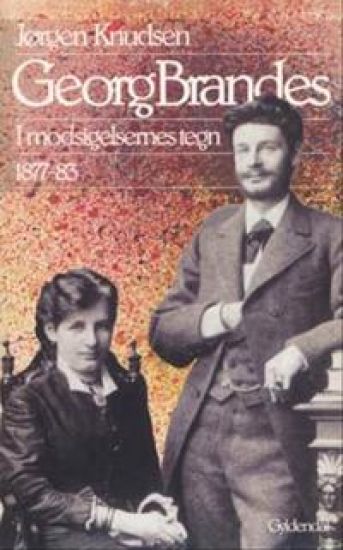
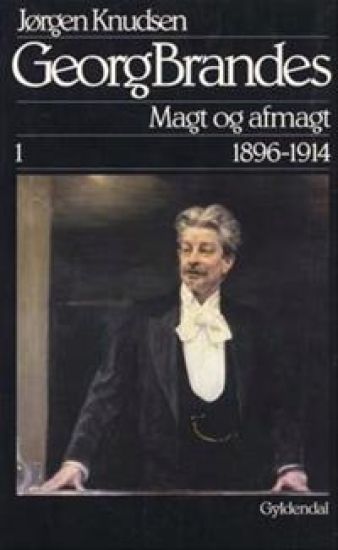
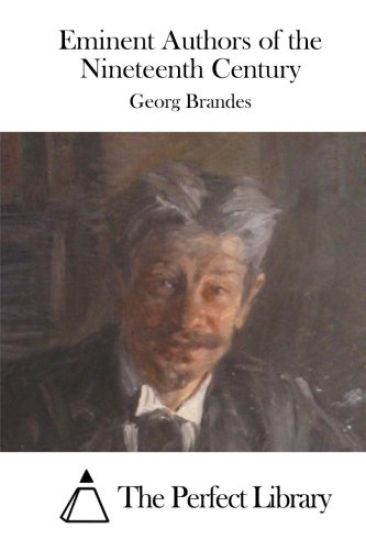
Dette bind fortæller om de seks år, Georg Brandes boede i Berlin i et frivilligt eksil - en central periode i hans liv og udvikling, desuden en særdeles veldokumenteret periode. Nyt stof er beretningen om hans årelange betagelse af den gifte tyske kvinde Lulu v. d. Leyen. Forholdet udvikler sig til en dramatisk trekantshistorie, som skulle trække lange spor efter sig. Desuden belyses Brandes' relationer til det moderne gennembruds mænd, herunder hans forsøg på at holde dem til ilden og holde sammen på tropperne - uden at blive oplevet som en tyran.
Georg Brandes (1842-1927) was one of the leading literary critics in Europe of his time. His Main Currents of Nineteenth Century Literature (1872-1890) was a foundational text to the field of comparative literature and extolled by Thomas Mann as the “Bible of the young intellectual Europe at the turn of the century.” Georg Brandes eventually developed into a truly global public intellectual, living by his pen and public lectures. On the eve of World War I, he was one of the most sought-after commentators, vigorously opposing all conflicting factions. This book seeks to understand Brandes’ trajectory, to evaluate Brandes’ significance for current discussions of literary criticism and public engagement, and to introduce Brandes to an international audience. It consists of 15 original chapters commissioned from experts in the field.
I dette fjerde bind af sin store Brandes-biografi fortæller Jørgen Knudsen om den Georg Brandes der fylder 60 og 70 år og flygter fra al hyldest, den Brandes der bliver professor og får kommandørkors, og som også indgår i forskellige alliancer med højrekræfter, den Brandes som bittert må erkende, at hans livsprojekt - at vække danskerne til selvvirksomhed - er aldeles urealistisk: han kan ikke modellere en løve af så blødt smør. Med sin usvækkede lyst til at provokere og udæske, ikke mindst kristendommen, sine stadig varierede angreb på sin samtids massive dumhed og sin lyst til igen og igen af knuse sine egne støbeforme bliver han ikke desto mindre et forargelses tegn for borgerskabet og en trodsens og oprørets uforsonlige helgen for sine tilhængere. Hans situation som jøde og som intellektuel sættes ind i en bredere tidshistorisk sammenhæng, der gør den lettere at forstå, og dette bind tegner overraskende nærbilleder af århundredeskiftets danske og europæiske kultur, som denne klarøjede oppositionelle så den. Meget ukendt materiale præsenteres, ikke mindst i det altid fængslende kapitel om Brandes' forhold til det andet køn.
Georg Brandes og Europa indeholder 33 artikler, som belyser og perspektiverer Georg Brandes' europæiske og internationale virke. Artiklerne fokuserer dels på hans ophold i europæiske lande og hans korrespondancer med kunstnere og intellektuelle der, dels på hans litterære kritik og idémæssige og politiske engagement gennem seks årtier. Bogens formål er, fra en nordisk synsvinkel og med Brandes som nøglefigur, at rette opmærksomheden mod grundlæggende idémæssige, kulturelle og intellektuelle sammenhænge i det Europa, vi i dag er del af. I det lys er Nietzsches karakteristik af Brandes som "den gode europæer" mere relevant end nogensinde. Bogen udspringer af en konference om Georg Brandes, der blev afholdt i Firenze i november 2002. Placeringen var ikke tilfældig. Brandes opholdt sig ofte i Italien, og ikke mindst i Firenze. Byen fik på mange måder betydning for hans omfattende skribentvirksomhed, der mest iøjnefaldende omhandlede store politiske og kunstneriske personligheder, oldtid, renæssance og nyere tid foruden udviklingen af de moderne europæiske demokratier. Brandes-konferencen blev videooptaget og med bogen følger en 42 minutter lang DVD med titlen Georg Brandes i Firenze.
Le Danois Georg Brandes (1842-1927), considéré comme l’un des pères de la littérature comparée, exerça, en tant que critique littéraire, une influence déterminante sur son époque. Il fut également un intellectuel engagé, défendant la liberté individuelle et le droit des peuples à disposer d’eux-mêmes, ainsi que la cause de la paix pendant la Première guerre mondiale. Les pays qu’il connaissait le mieux, et où il avait les plus nombreux contacts, étaient la France, l’Allemagne et l’Angleterre. Les relations que Brandes entretenait avec ces pays ont été au centre de la Deuxième Conférence Internationale Georg Brandes (Nancy, 2008), dont les contributions sont rassemblées dans ce volume. La provenance des auteurs (France, Danemark, Italie, Allemagne, Suède, Grande Bretagne, Etats-Unis, Tchéquie…) témoigne de la dimension internationale de l’entreprise. La présence, aux côtés des meilleurs spécialistes de Brandes, de représentants de disciplines autres que les études scandinaves (littérature française, allemande, anglaise, philosophie, histoire, etc.) reflète la diversité et la richesse de l’œuvre brandésienne. The Danish writer Georg Brandes (1842-1927) is regarded as one of the founders of comparative literature. As a literary critic, he was highly influential in his time. He was also a politically engaged intellectual, advocating individual freedom and peoples’ right to self-government; he also refused to take sides during the First World War and opposed warfare. The countries he knew best and where he had most friends and correspondents were France, Germany and Britain. Brandes’ relationship to those countries was the subject of the Second International Georg Brandes Conference held in Nancy (France) in November 2008. The papers that were delivered there are collected in this book. The authors are from various countries (France, Denmark, Italy, Germany, Sweden, Great Britain, USA, Czech Republic…), stressing the international dimension of their research. The presence of the best Brandes’ specialists as well as of scholars from various fields other than Scandinavian studies (French, German, English literature, philosophy, history, etc.) shows the diversity and richness in Brandes’ work.
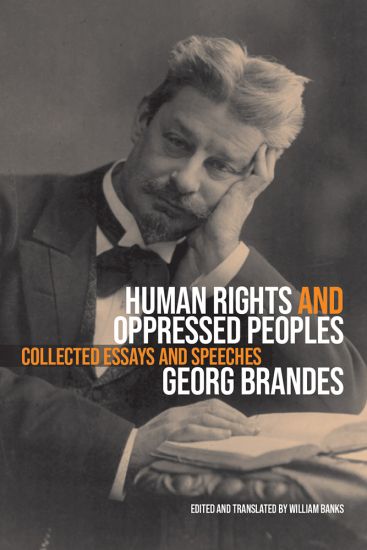
Georg Brandes was known as the "Father of the Modern Breakthrough" for his influence on Scandinavian writers in the late nineteenth century. A prominent writer, thinker, and speaker, he often examined intellectual topics beyond the literary criticism he was best known for. In this collection, William Banks has translated a number of Brandes's pieces that engage in the concerns of oppressed peoples. By collecting, annotating, and contextualizing these works, Banks reintroduces Brandes as a major progenitor of thinking about the rights of national minorities and the colonized.Human Rights and Oppressed Peoples includes thirty-five essays and published speeches from the early twenty-first century on subjects as diverse as the Boxer Rebellion, displaced peoples from World War I, Finland's Jewish population, and imperialism. This collection will interest interdisciplinary scholars of human rights as well as those who study Scandinavian intellectual and literary history.
He was little and looked at the world from below. All that happened, went on over his head. Everyone looked down to him. But the big people possessed the enviable power of lifting him to their own height or above it. It might so happen that suddenly, without preamble, as he lay on the floor, rummaging and playing about and thinking of nothing at all, his father or a visitor would exclaim: "Would you like to see the fowls of Kj ge?" And with the same he would feel two large hands placed over his ears and the arms belonging to them would shoot straight up into the air. That was delightful. Still, there was some disappointment mingled with it. "Can you see Kj ge now?" was a question he could make nothing of. What could Kj ge be? But at the other question: "Do you see the fowls?" he vainly tried to see something or other. By degrees he understood that it was only a phrase, and that there was nothing to look for.
Die Hauptstr mungen der Literatur des neunzehnten Jahrhunderts by Georg Brandes. This book is a reproduction of the original book published in 1891 and may have some imperfections such as marks or hand-written notes.