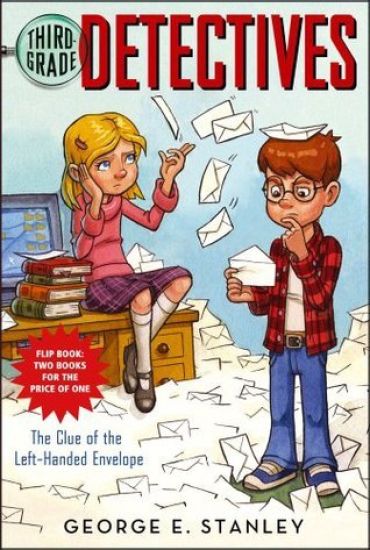
WHO SENT AMBER LEE AN ANONYMOUS LETTER? Everyone loves the new teacher, Mr. Merlin. Mr. Merlin used to be a spy, and he knows all about secret codes and the strange and gross ways the police solve mysteries. Now there's a mystery in their very own class -- someone sent Amber Lee Johnson an anonymous letter. Noelle and Todd want to solve the mystery before anyone else. But first they have to figure out Mr. Merlin's clues. How can a bunch of envelopes tell them who sent the letter?
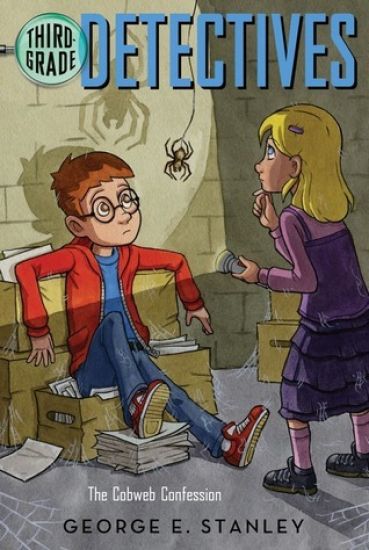
CREEPY, CRAWLY CRITTERS -- YUCK Poor Todd. First he has to give up his room for an old friend of his father's who's visiting. Then his valuable baseball card collection is stolen. Now Mr. Merlin says the class is going to be studying spiders. Todd hates spiders. But then Mr. Merlin tells the Third-Grade Detectives that a spider's web may help catch the thief. Maybe spiders aren't so bad after all.
Hair, Hair, Everywhere Someone's been digging up Mrs. Ruston's tomatoes. She thinks it's Noelle's dog, Rover, and unless Noelle can find the real thief, Rover's in big trouble. It's the hairiest case yet for Mr. Merlin's Third-Grade Detectives. Hair in Mrs. Ruston's tomato patch, hair in Amber Lee's hamburger -- can Noelle and Todd comb through the evidence and solve the mystery?
WHO'S BEEN HANGING OUT IN TODD'S TREE HOUSE? Todd's ears are so clogged up he can't hear, but he doesn't want to miss school. His teacher, the ex-spy Mr. Merlin, is sure to have secret codes for the class to figure out and a new mystery for them to solve. But the mystery turns out to be in Todd's own backyard. Someone's been in his tree house and left a pretty yucky clue. It's another case for Mr. Merlin's police scientist friend, Dr. Smiley
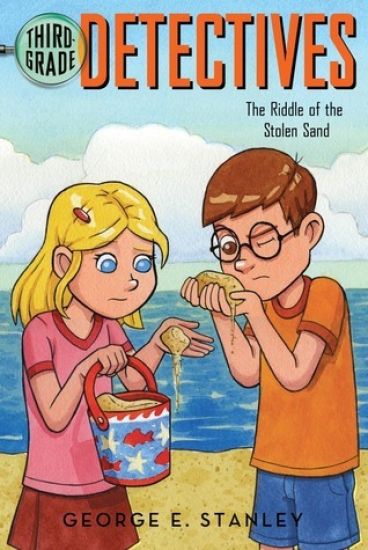
A Case That's Tougher To Crack Than An Oyster Shell. Everybody loves Mr. Roper. He gives kids free candy or ice cream when their parents shop at his grocery store. So when he's accused of selling stolen oysters, Mr. Merlin's Third-Grade Detectives don't believe it. But can they prove it? Mr. Merlin's secret codes have the Detectives looking for clues at the beach, at rival oyster farms, and even in a garbage truck -- yuck It turns out pearls aren't the only valuable thing you can get from oysters -- you can also get evidence to help solve a baffling mystery
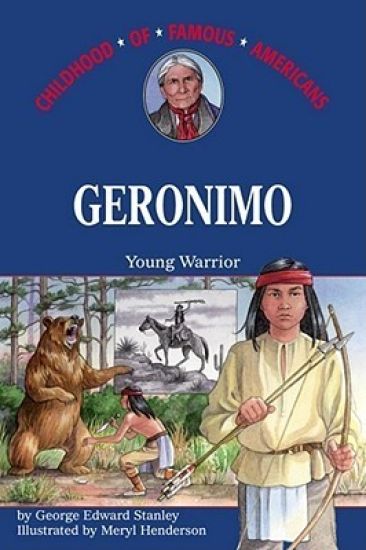
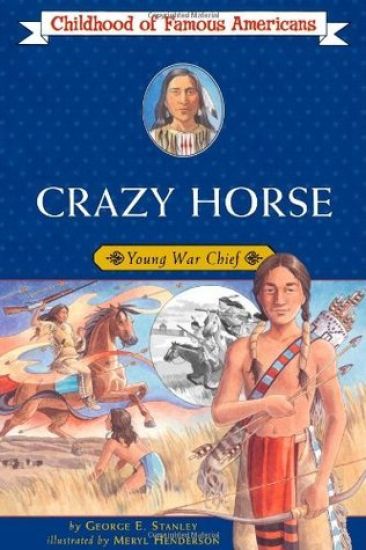
Childhood of Famous Americans One of the most popular series ever published for young Americans, these classics have been praised alike by parents, teachers, and librarians. With these lively, inspiring, fictionalized biographies -- easily read by children of eight and up -- today's youngster is swept right into history.
Mr. Merlin's Third Graders are known as the Third Grade Detectives--with some hints from secret code clues and help from Mr. Merlin's friend, the police scientist Dr. Smiley, they help solve cases. Perfect for fans of the Hardy Boys The Third-Grade Detectives are looking forward to their field trip to a local art museum, where a priceless 15th-century statue of Joan of Arc is on loan from a Paris museum. But when they arrive, they discover that the statue has been stolen The police quickly find the statue--smashed into pieces and thrown in a dumpster. Why would someone steal the statue only to destroy it? It looks like a new case for the Third-Grade Detectives--even if the museum director doesn't seem to want their help.
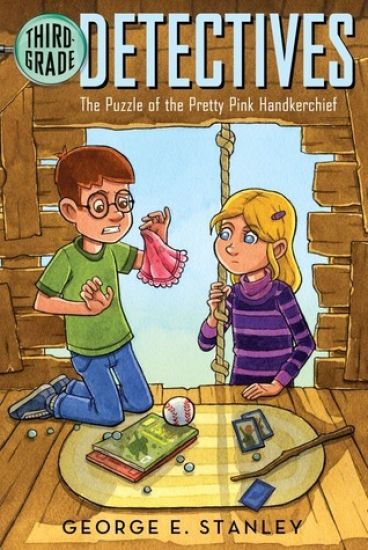
Mr. Merlin's Third Graders are known as the Third Grade Detectives -- with some hints from secret code clues and help from Mr. Merlin's friend, the police scientist Dr. Smiley, they help solve cases. This two-in-one flip book contains the full text and illustrations for the first two Third Grade Detectives books. In their first case, The Clue of the Left-Handed Envelope, the Detectives find out who has been sending Amber Lee anonymous letters. And in their next case, a dirty handkerchief provides a clue to who's been trespassing in Todd's tree house.
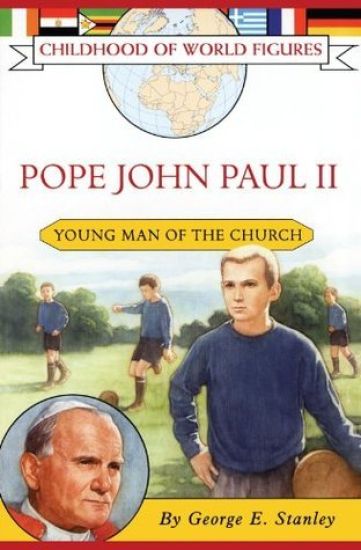
Pope John Paul II was born Karol Wojtyla on May 18, 1920, in Poland. As a child Karol excelled in school -- especially in religion and literature. He was a star soccer player and also hiked and kayaked. But most of all Karol loved poetry and theater. Although Karol was liked and respected by his peers, his childhood was touched by tragedy. His mother passed away when he was only nine years old, and three years later his beloved older brother, Edmund, died from scarlet fever. Karol grew up in a time of great uncertainty for Poland. Although he was born into an independent Poland, he was a young man during the Nazi occupation of his homeland in World War II. When many Poles were anti-semitic, Karol had Jewish friends; when his country turned its back on religion, Karol studied in secret to become a priest. This fascinating biography details Karol's childhood and the events that led him to be named Pope John Paul II in 1978.
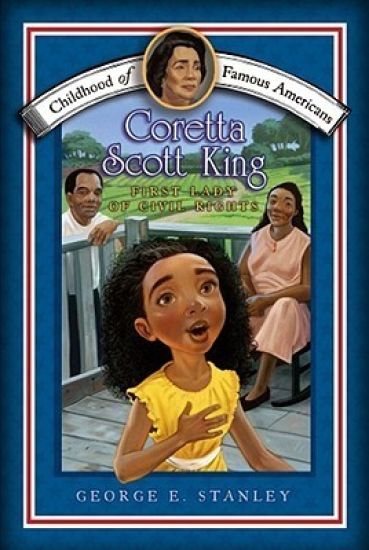
Coretta Scott King wasn't always a prominent civil rights activist--learn about her childhood in this incredible installment in the illustrated middle grade series Childhood of Famous Americans. Coretta Scott King is well known for being the wife of Dr. Martin Luther King Jr., and for her own civil rights and world peace activism. She also received many awards and honorary degrees. But before she did all of those impressive things, Coretta was a strong little girl who could outclimb anyone in her neighborhood, was very close to her dad, and had a beautiful singing voice Read all about how Coretta Scott King learned that if you work hard enough, your dreams can come true.
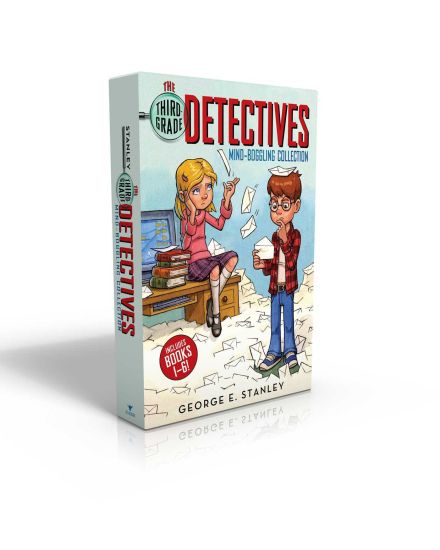
A group of third graders solve fun mysteries in this collectible boxed set that includes all six books of the Third-Grade Detectives series This collectible boxed set includes: The Clue of the Left-Handed Envelope The Cobweb Confession The Mystery of the Hairy Tomatoes The Puzzle of the Pretty Pink Handkerchief The Riddle of the Stolen Sand The Secret of the Green Skin
This fascinating biography details the childhood of Harry S. Truman, a veteran of World War I who was elected as senator in 1934 and became President during World War II--and had to make some of the most crucial decisions in history. Illustrations.
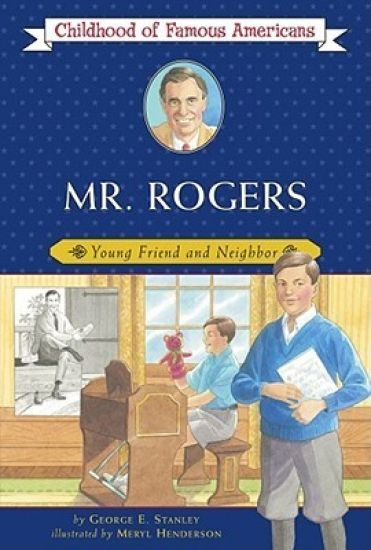
This biography of the beloved host of the long-running "Mr. Rogers' Neighborhood" details his boyhood and how he grew up to become one of the most revered educators of the 20th century. Illustrations.
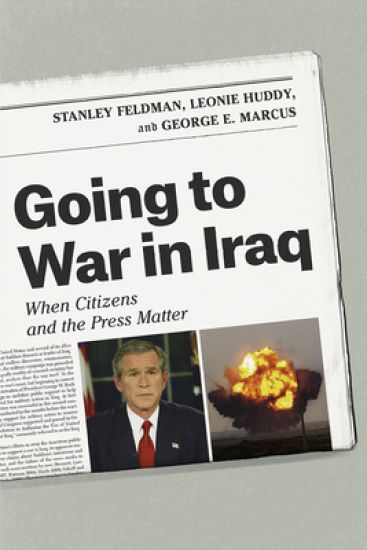
How was the Bush administration able to convince both Congress and the American public to support the plan to go to war against Iraq in spite of poorly supported claims about the danger Saddam Hussein posed? Conventional wisdom holds that, because neither party voiced strong opposition, the press in turn failed to adequately scrutinize the administration's arguments, and public opinion passively followed. Drawing on the most comprehensive survey of public reactions to the war, Stanley Feldman, Leonie Huddy, and George E. Marcus revisit this critical period and come back with a different story. Not only did the Bush administration's carefully orchestrated campaign fail to raise Republican support for the war, opposition by Democrats and political independents actually increased with exposure to the news. But how we get our news matters: People who read the newspaper were more likely to engage critically with what was coming out of Washington, especially when exposed to the sort of high-quality investigative journalism still being written at traditional newspapers-and in short supply across other forms of media. Making a case for the crucial role of a press that lives up to the best norms and practices of print journalism, the book lays bare what is at stake for the functioning of democracy-especially in times of crisis-as newspapers increasingly become an endangered species.
How was the Bush administration able to convince both Congress and the American public to support the plan to go to war against Iraq in spite of poorly supported claims about the danger Saddam Hussein posed? Conventional wisdom holds that, because neither party voiced strong opposition, the press in turn failed to adequately scrutinize the administration's arguments, and public opinion passively followed. Drawing on the most comprehensive survey of public reactions to the war, Stanley Feldman, Leonie Huddy, and George E. Marcus revisit this critical period and come back with a different story. Not only did the Bush administration's carefully orchestrated campaign fail to raise Republican support for the war, opposition by Democrats and political independents actually increased with exposure to the news. But how we get our news matters: People who read the newspaper were more likely to engage critically with what was coming out of Washington, especially when exposed to the sort of high-quality investigative journalism still being written at traditional newspapers-and in short supply across other forms of media. Making a case for the crucial role of a press that lives up to the best norms and practices of print journalism, the book lays bare what is at stake for the functioning of democracy-especially in times of crisis-as newspapers increasingly become an endangered species.