In the film "De-Lovely," Cole Porter admonishes the chorus of "Kiss Me Kate" to snap out their consonants. This book is not only about consonants, but also about vowels, breathing, round sounds and head tones--just a few of the many techniques discussed that will improve your singing in a choir or chorus or any group. It is written with the amateur in mind, but it is just as valuable for the professional. A brief history of choral singing from prehistory to the 21st Century is included.GERALD G. HOTCHKISS has sung in Christian and Jewish choirs, choruses, in octets, quartets, duets, barbershop, madrigals and Broadway reviews under many of the finest conductors in the United States as an amateur for more than sixty years.
The Chronicles of the New Jack Era takes you back to a time where drugs, sex and crime were running rampant in the streets. The Author, Gerald G. Money, takes you on a dangerous journey through the good, the bad, and the ugly. It is a tell-all book of survival in the concrete jungle of the New York City streets where redemption is rarely offered in a world that has little room for forgiveness. A page turner, from Gangster to God, you will experience and be a witness to how one man who once was enticed by the temptations of this world was transformed and enlightened by the deliverance of the Lords goodness, grace and mercy. After many years of silence and a Hollywood movie loosely based on the young life of Gerald G.Money, here is his true story filled with a lot of heartache, pain and suffering. Based in Esplanade Gardens, a cooperative apartment complex in upper middle class Harlem at that time, Gerald G. Money was offered every opportunity in life to become whatever he wanted to become but he chose the darkness and perils of the street life. He had it all then lost it all. This was the life & times of The New Jack Era.
"Integrating the wisdom of ancient mystics and the insights of contemporary thinkers, May examines the spiritual longings that are often hidden and controlled by society's pressures and expectations."--Publishers Weekly
A psychiatrist and spiritual counselor explains how such challenges as doubt, dislocation, and transition are essential to authentic and healthy spiritual growth, encouraging readers to embrace feelings of fear, emptiness, and despair in order to develop a mature spiritual life. Reprint. 30,000 first printing.
Explores the psychology and physiology of addiction from the perspective of contemplative spirituality, describing the relationship between addiction and spiritual awareness.
A distinguished psychiatrist and author of the best-selling Addiction & Grace explains how to tap into the psychological and spiritual healing power of the natural world as he reveals how we can discover great lessons of life by retreating from our busy and hectic lives to find the serenity of the wilderness. Reprint.
This book provides a self-contained presentation of optical methods used to measure the structure and dynamics of complex fluids subject to the influence of external fields. Such fields (hydrodynamic, electric and magnetic) are commonly encountered in both academic and industrial research, and can produce profound changes in the microscale properties of liquids comprised of polymers, colloids, liquid crystals or surfactants. Starting with the basic Maxwell field equations, this book and Mueller calculus, and then covers the transmission, reflection and scattering of light in anisotropic materials. Spectroscopic interactions with orientated sytems such as absorptive dichroism, small wide angle light scattering, and Raman scattering are discussed. Applications of these methods to a wide range of problems in complex fluid dynamics and structure are presented, along with selected case studies on particular studies chosen to elucidate the range of techniques and materials that can be studied.
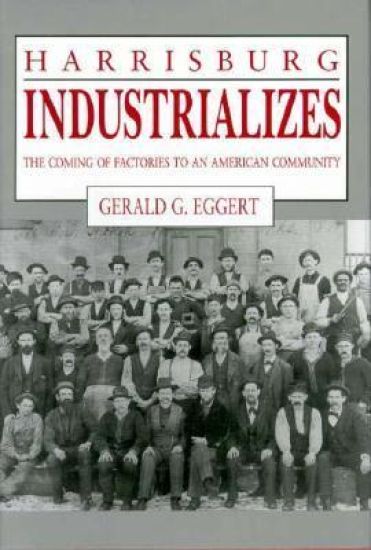
In 1850, Harrisburg, Pennsylvania, was a community like many others in the U. S., employing most of its citizens in trade and commerce. Unlike its larger neighbors, Pittsburgh and Philadelphia, Harrisburg had not yet experienced firsthand the Industrial Revolution. Within a decade, however, Harrisburg boasted a cotton textile mill, two blast furnaces and several iron rolling mills, a railroad car manufactory, and a machinery plant. This burst of industrial activity naturally left its mark on the community, by within two generations most industry had left Harrisburg, and its economic base was shifting toward white-collar governmental administration and services. Harrisburg Industrializes looks at this critical episode in Harrisburg's history to discover how the coming of the factory system affected the life of the community.Eggert begins with the earliest years of Harrisburg, describing its transformation from a frontier town to a small commercial and artisanal community. He identifies the early entrepreneurs who built the banking, commercial, and transportation infrastructure, which would provide the basis for industry at mid-century. Eggert then reconstructs the development of the principal manufacturing firms from their foundings, through the expansive post-Civil War era, to the onset of deindustrialization near the end of the century. Through census and company records, he is able to follow the next generation of craftsmen and entrepreneurs as well as the new industrial workers—many of then minorities—who came to the city after 1850.Eggert sees Harrisburg's experience with the factory system as "second-stage," or imitative, industrialization, which was typical of many, if not most, communities that developed factory production. At those relatively few industrial centers (Lowell and Pittsburgh, for example) where new technologies arose and were aggressively impose on workers, the consequences were devastating, often causing alienation, rebellion, and repression. By contrast, at secondary centers like Harrisburg (or Reading, Scranton, or Wilmington), industrialization came later, was derivative rather than creative, was modest in scale, and focused on local and regional markets. Because the new factories did not compete with local crafts, few displaced artisans became factory hands. At the same time, an adequate supply of local native-born workers forestalled an influx of immigrants, so Harrisburg experienced little ethnic hostility. Ultimately, therefore, Eggert concludes that the introduction of an industrial order was much less disruptive in Harrisburg than in the major industrial sites, primarily because it did not alter so profoundly the existing economic and social order.
In 1810, Irish immigrant Roland Curtin launched a charcoal ironmaking operation in central Pennsylvania that continued for 110 years. Through this engaging account of Curtin and his iron plantation, Gerald Eggert provides an important chapter in the history of the iron industry in America. Eggert's story begins with Curtin’s arrival in the Bald Eagle Valley in 1797. From the time he constructed his first forge on the south bank of Bald Eagle Creek until the final closing of the Eagle Ironworks in 1922, Roland and his sons, then his grandsons, and still later a great-grandson operated what had become one of Centre County's major enterprises. Throughout much of its history, the Eagle Works employed between 100 and 200 full- and part-time workmen. Eggert analyzes the workforce and describes life in the workers' village. The relationships, lifestyles, and housing of the Curtins, in contrast to those of their employees, offer insights into the social history of the period. Eggert also provides an excellent summary of the ironmaking process—from the cutting of wood and making of charcoal to the mining of ore and smelting of the iron—and the challenges of transporting iron products out of the frontier to Pittsburgh and Philadelphia.The long history of the Curtin family's Eagle Ironworks mirrors both the rise and the long decline of American charcoal-iron production. Typical of the small, family-owned enterprises that bridged the gap between preindustrial and modern industrial production, the history of the Eagle Ironworks illustrates both the industrializing and, later, the deindustrializing processes and the impact these had on all who were involved. When the Eagle Ironworks closed in 1922, it was the last charcoal-iron establishment in Pennsylvania and one of the two or three last such works in the United States.
In 1850, Harrisburg, Pennsylvania, was a community like many others in the U. S., employing most of its citizens in trade and commerce. Unlike its larger neighbors, Pittsburgh and Philadelphia, Harrisburg had not yet experienced firsthand the Industrial Revolution. Within a decade, however, Harrisburg boasted a cotton textile mill, two blast furnaces and several iron rolling mills, a railroad car manufactory, and a machinery plant. This burst of industrial activity naturally left its mark on the community, by within two generations most industry had left Harrisburg, and its economic base was shifting toward white-collar governmental administration and services. Harrisburg Industrializes looks at this critical episode in Harrisburg's history to discover how the coming of the factory system affected the life of the community.Eggert begins with the earliest years of Harrisburg, describing its transformation from a frontier town to a small commercial and artisanal community. He identifies the early entrepreneurs who built the banking, commercial, and transportation infrastructure, which would provide the basis for industry at mid-century. Eggert then reconstructs the development of the principal manufacturing firms from their foundings, through the expansive post-Civil War era, to the onset of deindustrialization near the end of the century. Through census and company records, he is able to follow the next generation of craftsmen and entrepreneurs as well as the new industrial workers—many of then minorities—who came to the city after 1850.Eggert sees Harrisburg's experience with the factory system as "second-stage," or imitative, industrialization, which was typical of many, if not most, communities that developed factory production. At those relatively few industrial centers (Lowell and Pittsburgh, for example) where new technologies arose and were aggressively impose on workers, the consequences were devastating, often causing alienation, rebellion, and repression. By contrast, at secondary centers like Harrisburg (or Reading, Scranton, or Wilmington), industrialization came later, was derivative rather than creative, was modest in scale, and focused on local and regional markets. Because the new factories did not compete with local crafts, few displaced artisans became factory hands. At the same time, an adequate supply of local native-born workers forestalled an influx of immigrants, so Harrisburg experienced little ethnic hostility. Ultimately, therefore, Eggert concludes that the introduction of an industrial order was much less disruptive in Harrisburg than in the major industrial sites, primarily because it did not alter so profoundly the existing economic and social order.
In 1810, Irish immigrant Roland Curtin launched a charcoal ironmaking operation in central Pennsylvania that continued for 110 years. Through this engaging account of Curtin and his iron plantation, Gerald Eggert provides an important chapter in the history of the iron industry in America. Eggert's story begins with Curtin’s arrival in the Bald Eagle Valley in 1797. From the time he constructed his first forge on the south bank of Bald Eagle Creek until the final closing of the Eagle Ironworks in 1922, Roland and his sons, then his grandsons, and still later a great-grandson operated what had become one of Centre County's major enterprises. Throughout much of its history, the Eagle Works employed between 100 and 200 full- and part-time workmen. Eggert analyzes the workforce and describes life in the workers' village. The relationships, lifestyles, and housing of the Curtins, in contrast to those of their employees, offer insights into the social history of the period. Eggert also provides an excellent summary of the ironmaking process—from the cutting of wood and making of charcoal to the mining of ore and smelting of the iron—and the challenges of transporting iron products out of the frontier to Pittsburgh and Philadelphia.The long history of the Curtin family's Eagle Ironworks mirrors both the rise and the long decline of American charcoal-iron production. Typical of the small, family-owned enterprises that bridged the gap between preindustrial and modern industrial production, the history of the Eagle Ironworks illustrates both the industrializing and, later, the deindustrializing processes and the impact these had on all who were involved. When the Eagle Ironworks closed in 1922, it was the last charcoal-iron establishment in Pennsylvania and one of the two or three last such works in the United States.
Professional helpers may harm their clients instead of helping them. This is one of the important implications – for the selection, training and practice of members of the helping professions – of the evidence reviewed in this book. Originally published in 1977, Gerald Smale argues that the expectations of the professional helper, whether social worker, doctor, psychiatrist, psychoanalyst, psychotherapist or counsellor, can act as self-fulfilling prophecies on his or her clients, for better or worse.In order to suggest how the expectations of the helper might operate, the author examines a three-stage model of self-fulfilling prophecies. The stages are: the prophecy; behaviour based upon the prophecy; the outcome brought about by the behaviour. Extensive evidence from the fields of experimenter bias, hypnosis and placebo medicine, psychotherapy, casework and counselling research, is reviewed and related to the model, and the relationship between this analysis and labelling theory is discussed.The book demonstrates that it is the behaviour of the worker towards the client which is of crucial importance, and proposes that the client’s future and his or her personal strengths should be an important focus of the helping relationship. Finally, it outlines the dangers of negative expectations, and emphasises the ways in which expectations can be used to optimum effect.
Professional helpers may harm their clients instead of helping them. This is one of the important implications – for the selection, training and practice of members of the helping professions – of the evidence reviewed in this book. Originally published in 1977, Gerald Smale argues that the expectations of the professional helper, whether social worker, doctor, psychiatrist, psychoanalyst, psychotherapist or counsellor, can act as self-fulfilling prophecies on his or her clients, for better or worse.In order to suggest how the expectations of the helper might operate, the author examines a three-stage model of self-fulfilling prophecies. The stages are: the prophecy; behaviour based upon the prophecy; the outcome brought about by the behaviour. Extensive evidence from the fields of experimenter bias, hypnosis and placebo medicine, psychotherapy, casework and counselling research, is reviewed and related to the model, and the relationship between this analysis and labelling theory is discussed.The book demonstrates that it is the behaviour of the worker towards the client which is of crucial importance, and proposes that the client’s future and his or her personal strengths should be an important focus of the helping relationship. Finally, it outlines the dangers of negative expectations, and emphasises the ways in which expectations can be used to optimum effect.
Forgiveness: The Greatest Healer of All is written in simple, down-to-earth language. It explains why so many of us find it difficult to forgive and why holding on to grievances is really a decision to suffer. The book describes what causes us to be unforgiving and how our minds work to justify this. It goes on to point out the toxic side effects of being unforgiving and the havoc it can play on our bodies and on our lives. But above all, it leads us to the vast benefits of forgiving. The author shares powerful stories that open our hearts to the miracles which can take place when we truly believe that no one needs to be excluded from our love. Sprinkled throughout the book are Forgiveness Reminders that may be used as daily affirmations supporting a new life free of past grievances.
"I know that the thousands all over the world who love Jerry and whose lives have been enhanced by his message are eagerly looking forward to this new book. They have a treat in store. In clear and beautiful prose Jerry tells us that peace is a conscious choice. Saying good-bye to guilt is a vital step in making that choice."--from the Foreword by John Denver. Love is where there is no fear. Fear is where there is no love. In our age of anxieties, most of us live by complex expectations about what we should achieve, how we should act, and how others should treat us. As a result, we are victimized by guilt and fear--guilt because our standards haven't been met in the past, fear that they won't be met in the future. Inevitable, these negative emotions wreak havoc on our personal relationships, self -esteem, and peace of mind. But what if we let go of our fear and guilt? The transformation can be miraculous, says world famous psychiatrist and author Gerald G. Jampolsky. The secret lies in healthy perception of yourself. Dr. Jampolsky points the way through fourteen lessons that can change your life. These lessons show: How to quiet the ego-self that creates fear and guilt. How to accept genuine love and give it away. How to stop judging others, thereby to stop judging yourself. How to listen to your inner voice to receive support and guidance. How to forgive others so that loneliness and separation become illusions of the past. And much more. Here is a book for everyone who seeks the key to life's most satisfying reward. A book that tells you how to throw off the burdens of the past, and learn what it can mean to truly love.