Kirjojen hintavertailu. Mukana 11 244 527 kirjaa ja 12 kauppaa.

Kirjahaku

Etsi kirjoja tekijän nimen, kirjan nimen tai ISBN:n perusteella.

1000 tulosta hakusanalla Greta Marsh

The Great Marsh

The Great Marsh

Harp David W.; Horton Tom

Johns Hopkins University Press
2002
sidottu
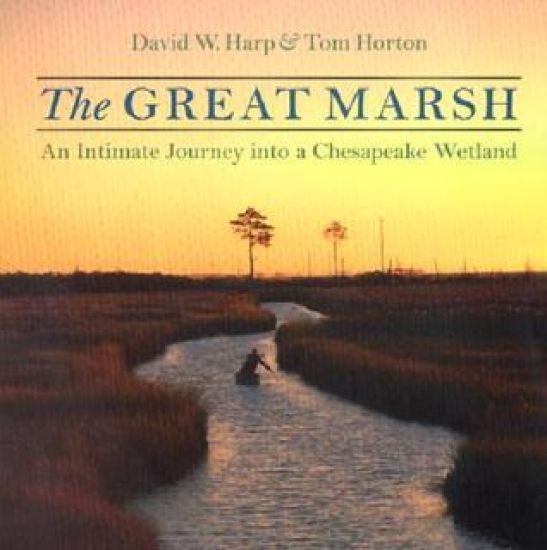
Is it still possible to make a voyage of discovery here in Maryland, the nation's fifth most densely settled state? In The Great Marsh: An Intimate Journey into a Chesapeake Wetland, David W. Harp's vivid photography and Tom Horton's eloquent prose produce a compelling portrait of one such journey in an intriguing and endangered habitat. Into this remarkable territory-whose shrinking dimensions frighten every naturalist and ecologist-Harp and Horton embarked on a canoe trip, exploring, documenting, and photographing the Blackwater National Wildlife Refuge in Dorchester County. This volume, at its core, is the story of a single crossing of the Blackwater's length, east to west, while the accompanying essays discuss how the marsh functions as a refuge for migrating butterflies, the wetlands sustain a lonely trapper, and the bogs yield archeological treasures-remnants of American Indian hunting forays and colonial boat building. The edges of the Chesapeake Bay offer Americans some of their loveliest (and most sensitive) wetlands. The fertile waters and soggy vegetation provide a home to ducks, geese, eagles, and dozens of other species of birds; muskrats, squirrels, and foxes; and of course insect varieties almost too numerous to count. The environmental importance of the marshes lies in their capacity to filter pollutants, retard erosion, and help maintain a natural balance among the critters.
Tales from the Great Marsh

Tales from the Great Marsh

Jean-Michel Mabeko-Tali

austin macauley publishers llc
2023
pokkari
Inspired by the author's childhood experience in the deep countryside of his native country, the Republic of the Congo, Tales from the Great Marsh represents a collection of short stories which illustrate a complex picture of life in a contemporary African society still rooted in its traditional beliefs and practices.Through short fictional stories, the author explores the complexity of social, cultural as well as religious, and spiritual experiences of a Bantu rural society when confronted with the challenges posed by specific existential situations such as death and modern politics, as well as the challenges posed by the encounter with the otherness.These fictional stories which marry myth and reality, are deployed towards producing knowledge that takes into account the surviving cultural aspects of old African societies formerly considered minor in studies of the continent's past and present.
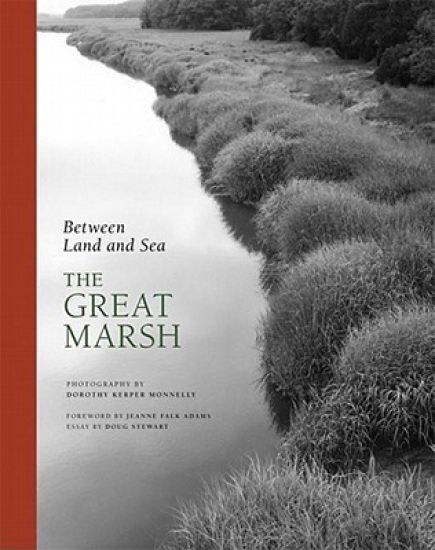
Between Land and Sea: The Great Marsh

Between Land and Sea: The Great Marsh

Pulitzer Foundation For The Arts
2021
sidottu
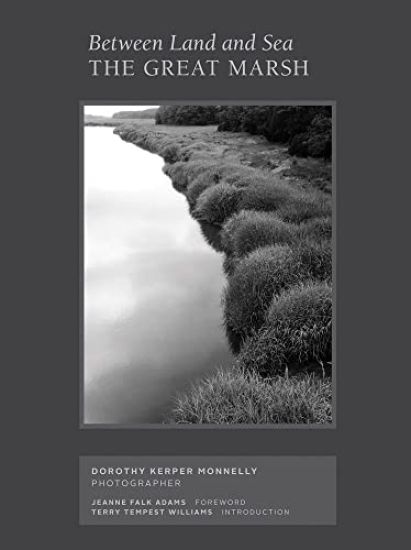
A new edition of an exquisitely crafted homage to the Massachusetts coast In this new edition of Between Land and Sea: The Great Marsh (first published by Braziller in 2007), the award-winning, Ipswich, MA–based landscape photographer Dorothy Kerper Monnelly conveys the surprising, ever-changing drama of the vast tidal wetlands known as the Great Marsh. For over 40 years, Monnelly has come to know this region intimately, one of the last unspoiled wilderness areas in the urban Northeast. Her timeless, visionary photographs are joined in this edition by an essay from acclaimed author Terry Tempest Williams reflecting on our relationship to liminal spaces like the marsh. Although salt marshes are among the most productive ecosystems on earth, these wetlands are threatened throughout the world by human activity and have disappeared from much of the American seacoast. The Great Marsh, despite threats from development, pollution, and now rising seas, is a pristine remnant of this ancient coastal environment.
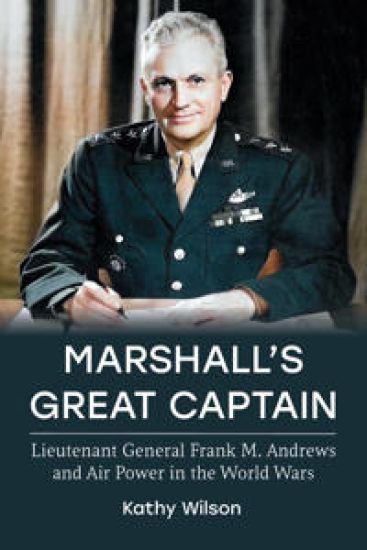
Marshall's Great Captain

Marshall's Great Captain

Kathy Wilson

THE UNIVERSITY PRESS OF KENTUCKY
2024
sidottu
On May 3, 1943, dozens of airplanes could be seen flying in and out of Royal Air Force Bovingdon Airfield near London, England. Among the aircraft seen that day was a B-24D bomber named Hot Stuff, which carried the Commanding General of US Forces in Europe, Lieutenant General Frank M. Andrews -the officer charged with formulating a plan to invade the European continent. Speculation was that General George C. Marshall had called Andrews back to Washington, DC, leading many to believe that Marshall had another promotion in store for Andrews. Tragically, Andrews would never arrive. While attempting to land in Iceland, the bomber crashed into the side of a mountain, with no survivors other than the tail gunner; Andrews's personal papers were also destroyed. In Marshall's Great Captain: Lieutenant General Frank M. Andrews, author Kathy Wilson details Andrews's extraordinary life and career. The first biography dedicated to the namesake of Joint Base Andrews, this book sheds a light on Andrews's crucial role in orchestrating US involvement in World War II, as well as the professional relationship and rapport that Andrews and Marshall shared. Drawing on extensive research, Wilson raises Andrews's legacy to its legitimate place within the annals of both air power and World War II history and posits that there is a high probability that Andrews, rather than Dwight D. Eisenhower, was Marshall's first choice for the office of Supreme Allied Commander. Marshall recounted that Andrews was the only one he had a chance to prepare for such a command.
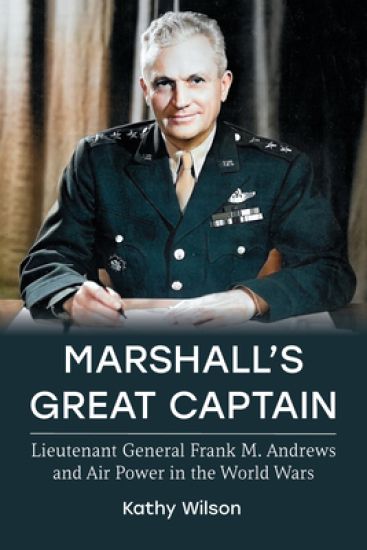
Marshall's Great Captain

Marshall's Great Captain

Kathy Wilson

THE UNIVERSITY PRESS OF KENTUCKY
2024
nidottu
On May 3, 1943, dozens of airplanes could be seen flying in and out of Royal Air Force Bovingdon Airfield near London, England. Among the aircraft seen that day was a B-24D bomber named Hot Stuff, which carried the Commanding General of US Forces in Europe, Lieutenant General Frank M. Andrews - the officer charged with formulating a plan to invade the European continent. Speculation was that General George C. Marshall had called Andrews back to Washington, DC, leading many to believe that Marshall had another promotion in store for Andrews. Tragically, Andrews would never arrive. While attempting to land in Iceland, the bomber crashed into the side of a mountain, with no survivors other than the tail gunner; Andrews's personal papers were also destroyed. In Marshall's Great Captain: Lieutenant General Frank M. Andrews, author Kathy Wilson details Andrews's extraordinary life and career. The first biography dedicated to the namesake of Joint Base Andrews, this book sheds a light on Andrews's crucial role in orchestrating US involvement in World War II, as well as the professional relationship and rapport that Andrews and Marshall shared. Drawing on extensive research, Wilson raises Andrews's legacy to its legitimate place within the annals of both air power and World War II history and posits that there is a high probability that Andrews, rather than Dwight D. Eisenhower, was Marshall's first choice for the office of Supreme Allied Commander. Marshall recounted that Andrews was the only one he had a chance to prepare for such a command.
Fred F. Marshall: The Great War Letters Home

Fred F. Marshall: The Great War Letters Home

Phil Marshall

Independently Published
2020
nidottu
Born in a small town in Ohio, Fred's letters home from the Great War are written from the heart. From Basic Training to the "boat ride" home, Fred Marshall describes an everyday life of a soldier who was chosen to do incredible things. A military trained photographer, many of his photographs are included, in addition to his thoughts, needs, desires and yes, his loves. From Madison Barracks, New York, to New York City, to Paris and on to Holland, he documents his life as an American soldier. His very descriptive letter home from Paris the day after the Accord was announced alone is a gem Thoughts of home and his amazing time spent in Holland at The Hague Peace Talks are included. He was the only photographer selected by the American Expeditionary Forces to record the Peace Conference as it commenced. A true, one of a kind memoir from a man who was not a Hero, but a Veteran who documented the times from a very unique perspective.
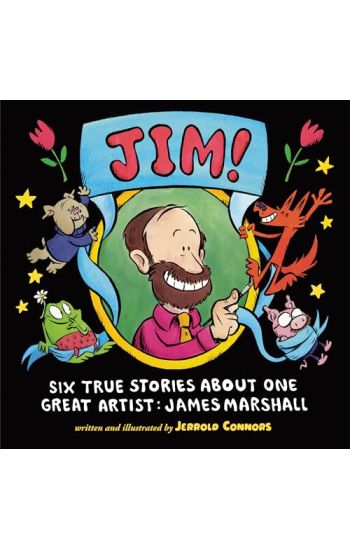
Jim!: Six True Stories about One Great Artist: James Marshall
A picture book biography of the late, great James Marshall--illustrator of Miss Nelson is Missing and the George and Martha series--and as clever, delightful, and daring as Jim himself Author and illustrator James Marshall let kids in on the joke. He knew little kids were smart, and he didn't talk down to them in his stories. He was right--kids loved his picture books. Decades after his death, the characters he illustrated--Miss Nelson, Viola Swamp, George and Martha, Goldilocks, Fox and His Friends--are still beloved. James Marshall should be at least as famous as his characters, and now he is, in his own picture book biography. Created in an irreverent style inspired by James Marshall's own art and storytelling, this delightful biography, featuring James as a fox, celebrates in both form and content what made James--"Jim" to his friends--so talented, funny, and special, and what has made his tales last. This time, Jim is the main character. "Funny and filled with insights.]" --Booklist, starred review "A better bio of Jim could hardly exist." --Kirkus, starred review "Poignantly, comically human." --Publishers Weekly
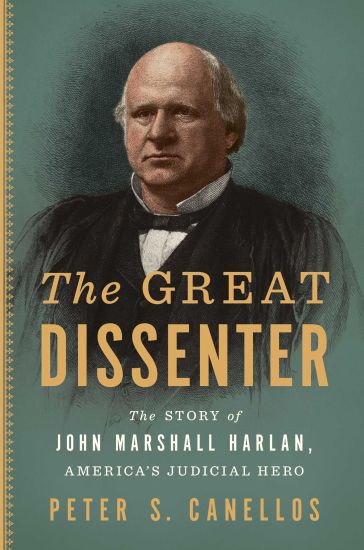
The Great Dissenter: The Story of John Marshall Harlan, America's Judicial Hero
The "superb" (The Guardian) biography of an American who stood against all the forces of Gilded Age America to fight for civil rights and economic freedom: Supreme Court Justice John Marshall Harlan. They say that history is written by the victors. But not in the case of the most famous dissenter on the Supreme Court. Almost a century after his death, John Marshall Harlan's words helped end segregation and gave us our civil rights and our modern economic freedom. But his legacy would not have been possible without the courage of Robert Harlan, a slave who John's father raised like a son in the same household. After the Civil War, Robert emerges as a political leader. With Black people holding power in the Republican Party, it is Robert who helps John land his appointment to the Supreme Court. At first, John is awed by his fellow justices, but the country is changing. Northern whites are prepared to take away black rights to appease the South. Giant trusts are monopolizing entire industries. Against this onslaught, the Supreme Court seemed all too willing to strip away civil rights and invalidate labor protections. So as case after case comes before the court, challenging his core values, John makes a fateful decision: He breaks with his colleagues in fundamental ways, becoming the nation's prime defender of the rights of Black people, immigrant laborers, and people in distant lands occupied by the US. Harlan's dissents, particularly in Plessy v. Ferguson, were widely read and a source of hope for decades. Thurgood Marshall called Harlan's Plessy dissent his "Bible"--and his legal roadmap to overturning segregation. In the end, Harlan's words built the foundations for the legal revolutions of the New Deal and Civil Rights eras. Spanning from the Civil War to the Civil Rights movement and beyond, The Great Dissenter is a "magnificent" (Douglas Brinkley) and "thoroughly researched" (The New York Times) rendering of the American legal system's most significant failures and most inspiring successes.
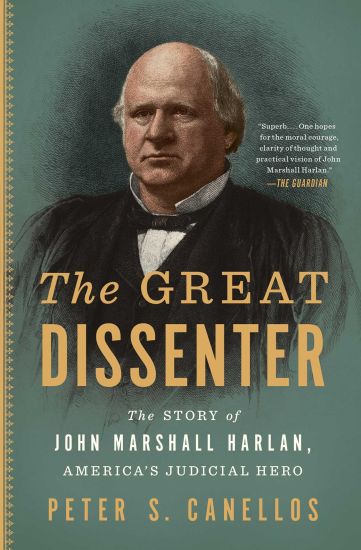
The Great Dissenter: The Story of John Marshall Harlan, America's Judicial Hero
The "superb" (The Guardian) biography of an American who stood against all the forces of Gilded Age America to fight for civil rights and economic freedom: Supreme Court Justice John Marshall Harlan. They say that history is written by the victors. But not in the case of the most famous dissenter on the Supreme Court. Almost a century after his death, John Marshall Harlan's words helped end segregation and gave us our civil rights and our modern economic freedom. But his legacy would not have been possible without the courage of Robert Harlan, a slave who John's father raised like a son in the same household. After the Civil War, Robert emerges as a political leader. With Black people holding power in the Republican Party, it is Robert who helps John land his appointment to the Supreme Court. At first, John is awed by his fellow justices, but the country is changing. Northern whites are prepared to take away black rights to appease the South. Giant trusts are monopolizing entire industries. Against this onslaught, the Supreme Court seemed all too willing to strip away civil rights and invalidate labor protections. So as case after case comes before the court, challenging his core values, John makes a fateful decision: He breaks with his colleagues in fundamental ways, becoming the nation's prime defender of the rights of Black people, immigrant laborers, and people in distant lands occupied by the US. Harlan's dissents, particularly in Plessy v. Ferguson, were widely read and a source of hope for decades. Thurgood Marshall called Harlan's Plessy dissent his "Bible"--and his legal roadmap to overturning segregation. In the end, Harlan's words built the foundations for the legal revolutions of the New Deal and Civil Rights eras. Spanning from the Civil War to the Civil Rights movement and beyond, The Great Dissenter is a "magnificent" (Douglas Brinkley) and "thoroughly researched" (The New York Times) rendering of the American legal system's most significant failures and most inspiring successes.