Few craft materials are cheaper to buy or easier to work with than plaster, and by mastering and using a few simple techniques you can turn this humble material into gloriously inspiring objects and artefacts. No expensive equipment is required - plaster dries naturally and does not need kiln-firing - so all you need to get started is a bag of plaster, a few simple materials and some basic shaping tools. The book shows how to make articles such as shells, fruit, animals, masks, wall plaques and bows; practical objects such as containers, candleholders, frames and bookends; and how to restore damaged frames. There is also advice on finishing techniques - from painting and gilding to weathering, distressing and varnishing. The book presents the craft of plastering in a beautifully inspirational form.
"We turn information into knowledge by thinking about it. These texts support students in using the Toolkit's comprehension and thinking strategies as tools to acquire and actively use knowledge in history." --Stephanie Harvey and Anne Goudvis To support cross-curricular strategy instruction and close reading for information, Stephanie Harveyand Anne Goudvis have expanded their Toolkit Texts series to include a library of short nonfiction for American history with 10 all-new Toolkit lessons. Building on selections from popular children's magazines as well as original articles, these engaging, age-appropriate texts will keep your active literacy classroom awash in historical resources that depict the controversies, issues, and dramas that shaped historical events, including the exploits of lesser-known individuals. These short nonfiction texts for American history include: 10 comprehension strategy lessons for close reading in content literacy. Short nonfiction articles on a wide range of topics and at a variety of reading levels. ( 45 articles in Colonial Times and 52 articles in The American Revolution and Constitution ) A bank of historical images, primary source documents and artifacts, plus primary source documents and artifacts bibliographies, web sites, and ideas for online investigations. A Digital Companion Resource provides all of the texts, primary source documents, and the image bank in a full-color digital format so you can display them for group analysis. Lesson Title 1 Read and Annotate: Stop, think, and react using a variety of strategies to understand 2 Annotate Images: Expand understanding and learning from visuals 3 Build Background to Understand a Primary Source: Read and paraphrase secondary sources to create a context for a topic 4 Read and Analyze a Primary Source: Focus on what you know and ask questions to clarify and explain 5 Compare Perspectives: Explore the different life experiences of historical figures 6 Read Critically: Consider point of view and bias 7 Organize Historical Thinking: Create a question web 8 Read with a Question in Mind: Focus on central ideas 9 Surface Common Themes: Infer the big ideas across several texts 10 Synthesize Information to Argue a Point: Use claim, evidence, and reasoning The CCSS and other state standards expect that children will read a variety of texts on a common topic and synthesize the ideas and information. These short nonfiction texts were selected using the following criteria: Interest/Content Because kids love the quirky and the unexpected, these texts highlight important but often lesser-known or unrecognized perspectives and voices from the past. Visual literacy Since visual literacy is an essential 21st-century skill, these texts include historical images, paintings, and maps, as well as diagrams, timelines, charts, and photographs. Writing quality and accuracy To foster student engagement, these articles feature vibrant language in an active voice supported by a rich assortment of visual features. Reading level/complexity These texts are written at a range of reading levels and include a wide variety of topics to capture the interests of all readers.
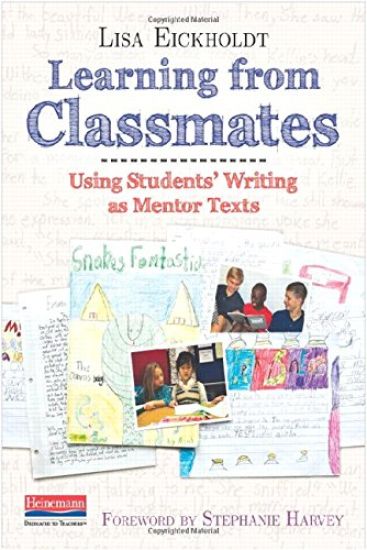
"When we value kids' writing enough to use it to teach other kids, all kids grow into stronger writers. Thanks, Lisa, for writing this important book. I needed it, teachers need it, and the field needs it." --Stephanie Harvey "If students know we believe in them, that the content of their writing matters, more kids will take a risk and try some new things--even if they don't know how to spell all the words or punctuate all the sentences correctly." --Lisa Eickholt Let's face it: Mentor texts are fantastic, but children's literature is the perfect product of adult authors. When we work students' writing into the mentor-text mix, amazing things happen--especially for struggling writers. "I have spent my career working with kids who hate to write," writes Lisa Eickholdt, "when we use our students' writing as a mentor text, we are helping them identify themselves as someone who writes." In Learning from Classmates, Lisa shows you how this simple but powerful idea can help you: deepen your students' engagement during writing time build their writing identities give them the willingness to take the risks necessary for making progress. "Time and again," Lisa writes, "I've watched reluctant and unenthusiastic writers become more eager and willing after their writing was used as a model for other students." The need is great, so her book helps you integrate student writing as mentor texts right away with suggestions for how to: select student writing to share with the class assess your writers and match student writing to individual, small-group, and whole-class needs use student work in writing conferences and minilessons plan power-teaching moves that target writers' needs and build their writing identities. Read Learning from Classmates to discover how your writers grow when they see what their peers can do and say, "I can do that, too "
Literacy specialists Stephanie Harvey and Annie Ward demonstrate how to use formative assessments to craft targeted, personalized instruction that enable striving readers to do what they need above all - to find books they love and engage in voluminous reading. Loaded with ready-to-go lessons, routines, and “actions,” as well as the latest research, this book is a must for any teacher who strives to make every reader a thriving reader. "This is excellent. It’s really practical. Several of the chapters would translate into CPD sessions and I also see potential in this text for ITT whether that be in university or school-based programmes as it takes the ‘what’ of research into reading and turns it into the ‘how’ of practice in easy to digest chapters." Rachel Clarke, Independent Reading Consultant
When we open the gates to nonfiction inquiry, we open our thinking and expect the unexpected, making reading discoveries, research discoveries, and writing discoveries on our way. Nonfiction Matters offers teachers the tools to help students explore nonfiction and dig deep to reach more complete understanding of the real world and report these insights in a compelling manner. Stephanie Harvey shows how students can read expository text, engage in research, and write authentic nonfiction that is captivating, visual, and full of voice. The inquiry projects she describes require in-depth learning: topic selection, question development, research exploration, reading for content, organization, synthesis, writing to convey meaning, and presenting findings—all skills that develop independent thinkers who know how to make decisions, solve problems, and apply their knowledge insightfully. Full of practical suggestions to help you bring nonfiction into your curriculum, Nonfiction Matters: presents strategies for understanding expository text and conducting meaningful research;offers ideas for organizing and writing accurate, effective nonfiction from idea to finished presentation;advances the importance of teacher modeling and guided practice in instructional delivery;provides a list of inquiry tools and resources—both print and electronic;suggests ways to facilitate project-based learning and assess the projects as they develop;includes bibliographies of nonfiction children's books by subject and genre and lists of recommended magazines.Why is nonfiction almost a guaranteed success? The key to teaching with nonfiction is passion, for children are passionate inquirers, and nonfiction fuels their curiosity and their demand for knowledge and understanding of the world.
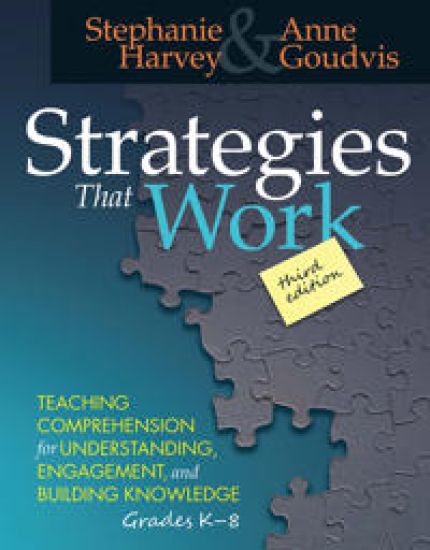
Since the first publication of Strategies That Work, numerous new books on reading comprehension have been published and more educators than ever are teaching comprehension. In this third edition of their groundbreaking book, authors Stephanie Harvey and Anne Goudvis bring you Strategies That Work: Teaching Comprehension for Understanding, Engagement, and Building Knowledge. This new edition is organized around three section: Part I: Starting with the Foundation of Meaning, these chapters provide readers with a solid introduction to reading comprehension instruction, including principles that guide practice, suggestions for text selection, and a review of recent research Part II: Part II contains lessons to put these principles into practices for all areas of reading comprehension Part III: This section shows you how to integrate comprehension instruction across the curriculum and the school day, with a focus on science and social studies. In addition, this new version includes updated bibliographies, including the popular Great Books for Teaching Content, online resources, and fully revised chapters focusing on digital reading, strategies for integrating comprehension and technology, and comprehension across the curriculum. Harvey and Goudvis tackle close reading, close listening, text complexity, and critical thinking and demonstrate how your students can build knowledge through thinking-intensive reading and learning. This third edition is a must-have resource for a generation of new teachers – and a welcome refresher for those with dog-eared copies of this timeless guide to reading comprehension.
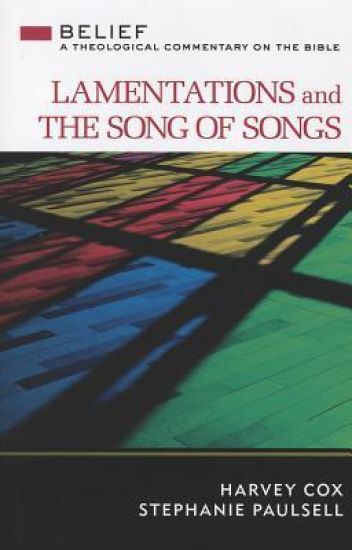
This latest volume in the popular Belief series considers two very different types of biblical writings and two very timely subjects—violence and sex within the context of Scripture.Well-known theologian Harvey Cox draws on a wide array of sources in his commentary on Lamentations— including poetry, novels, films, paintings, and photography—to offer a contemporary theological reading that is provocative and sure to stir numerous theological reflections and responses.The biblical book of Song of Songs has historically been seen as a book pointing to Christ's love for the church and has been interpreted in allegorical ways. Yet, it is unique in the canon for its use of erotic poetry, celebrating the human body and human love in graphic terms. Author Stephanie Paulsell suggests that the Song can still have profound meaning for us, teaching us "to love not only what we can see shining on the surface but also those depths of the other which are out of our reach."
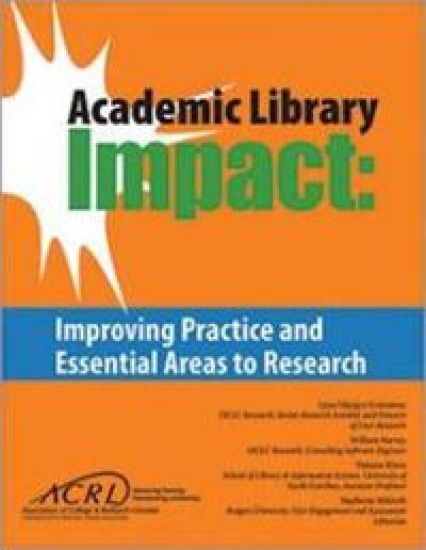
Now more than ever, academic libraries are being asked to demonstrate value to their institutional stakeholders, funders, and governance boards. Academic Library Impact builds on ACRL’s 2010 Value of Academic Libraries: A Comprehensive Research Review and Report and the results of the subsequent Assessment in Action program. It demonstrates how libraries are now measuring library contributions to student learning and success, and recommends where more research is needed in areas critical to the higher education sector such as accreditation, student retention, and academic achievement.This report is also available in an open access edition here: http://www.ala.org/acrl/sites/ala.org.acrl/files/content/publications/whitepapers/academiclib.pdf. This action-oriented research agenda includes:a report on all project phases and findings;a detailed research agenda based on those findings;a visualization component that filters relevant literature and creates graphics that can communicate library value to stakeholders, http://experimental.worldcat.org/valresearch;a bibliography of the literature analyzed; anda full bibliography of the works cited and reviewed, http://www.oclc.org/content/dam/research/themes/works-cited.pdf.All components were produced in partnership with OCLC Research and include analyses of library and information science (LIS) and higher education literature, focus group interviews and brainstorming sessions with academic library administrators at different institution types within the United States, and individual interviews with provosts. Building on established best practices and recent research, Academic Library Impact clearly identifies priority areas and suggests specific actions for academic librarians and administrators to take in developing programs, collections, and spaces focused on student learning and success. It includes effective practices, calls out exemplary studies, and indicates where more inquiry is needed, with proposed research designs. It identifies the next generation of necessary research to continue to testify to library value. This new report is a significant milestone for ACRL’s Value of Academic Libraries initiative and for the profession.
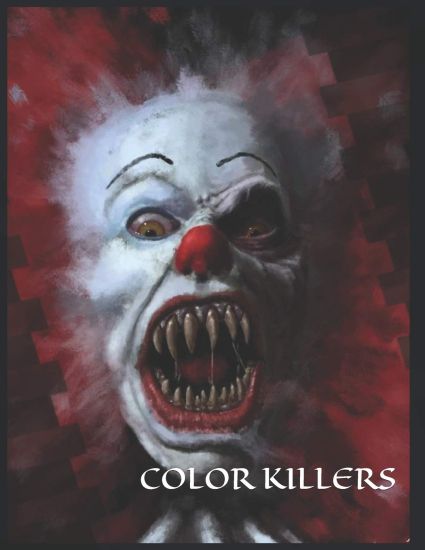
This is an adult horror coloring book, it is filled with characters that kill. This is one killer coloring book, and it surely will horrify you. So get out your crayons & markers ready and get ready for a thrilling experience. Warning: Not for everyone, do not open if you are afraid, this is not for the weak minded or faint of heart.
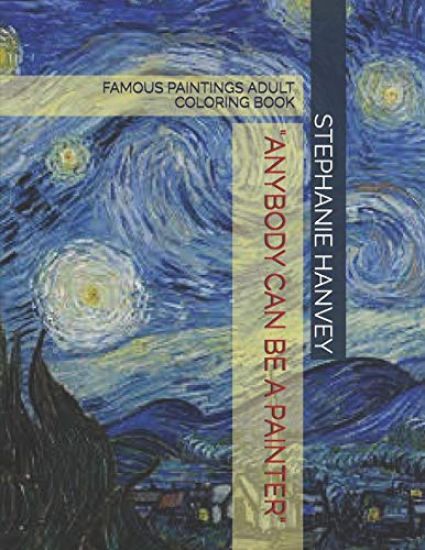
THIS IS A COLORING BOOK THAT IS FILLED WITH FAMOUS PAINTINGS. DO YOU THINK THAT YOU CAN MAKE A MASTERPIECE? WELL WITH THIS BOOK ANYONE CAN BE A FAMOUS PAINTER. NO EXPERIENCE NECESSARY, JUST SOME CRAYONS, AND AN OPEN MIND. SO GET READY TO BE THE NEXT PICASSO, AND BLOW EVERYONE AWAY WITH YOUR PRICELESS MASTERPIECE. ENJOY
THIS IS A UNIQUE COLORING BOOK FILLED WITH HAUNTED DOLLS AND THEIR STORIES. SOMETIMES THE DEAD GET ATTACHED TO OBJECTS, AND SOMETIMES THEY ARE DOLLS. I HAVE HAD MY FAIR SHARE OF HAUNTED ENCOUNTERS, AND EVEN BECAME AN AVID COLLECTOR MYSELF. NOW I AM GOING TO SHARE THE STORIES OF SOME HAUNTED DOLLS I HAVE ENCOUNTERED AND COLLECTED. ENJOY
THIS IS A BOOK FILLED WITH POWERFUL SPELLS THAT WILL CHANGE EVERY ASPECT OF YOUR LIFE. THIS BOOK JUST ABOUT COVERS IT ALL, IT WILL GIVE YOU THE POWER YOU NEED TO GAIN LOVE, WEALTH, PROTECTION AND OVER ALL WELL-BEING. YOU CAN CHANGE YOUR LIFE, YOU CAN FINALLY CLEAR THE PATH TO A HAPPINESS. NO ONE CAN STOP YOU WITH THIS POWER SPELL BOOK.
Harley Quinn here to let everyone know that I m starring in a brand-new graphic novel collection with a brand-new status quo! I m coming back to Gotham City to make up for the sins of my past, and to help the city recover from the Joker War! But there s no welcoming committee waiting for me, your favorite Maid of Mischief! And between you and me, some real creeps are working to keep the city broken. We can t let that happen, can we? Rising-star writer Stephanie Phillips, my new partner in crime, takes me into a bold new era with her partner in artistic crime Riley Rossmo, who I gotta say designed a real nice new costume for me. You re not gonna wanna miss this one, folks! Collects Harley Quinn #1-6 and a special story from Batman: Urban Legends #1!