Culture has changed and the church has not changed adequately in response. That is the claim made by proponents of new expressions of church. But all too often their ecclesiology is far from adequate. In Flexible Church, Helen D. Morris speaks to this issue by proposing an ecclesiology for innovative expressions of church that is grounded in biblical texts whilst self-consciously and intentionally developed for the contemporary Western milieu. Engaging with the work of key church thinkers such as Michael Moynagh and Pete Ward, as well as critical New Testament scholarship, Morris introduces a framework for church that facilitates both flexibility and faithfulness; faithfulness to the church’s Christian heritage and identity, and the flexibility to fashion new forms of church that can connect more effectively with those who currently find church irrelevant and inaccessible.
Population Geography: Social Justice for a Sustainable World surveys the ways in which geographic approaches may be applied to population issues, exploring how human populations are embedded in natural and social environments. It encourages students to evaluate population issues critically, given that population topics are at the heart of many of today’s most contentious subjects. Through introducing students to different lenses of analysis (ecological, economic, and social equity), the authors ask students to consider how different perspectives can lead to different conclusions on the same issue. Identifying and tackling today’s population problems therefore requires an understanding of these diverging, and sometimes conflicting, perspectives. The text covers all the key background information critical to any book on population geography (population size, distribution, and composition; fertility, mortality, and migration; population and resources) but also pushes students to think critically about the materials they have covered using the perspectives of sustainability and social justice. In this way, students move beyond simple fact learning toward higher-level skills such as analysis, synthesis, and evaluation of materials. This textbook will be a valuable resource for students of human geography, population geography, demography, and diaspora studies.
Population Geography: Social Justice for a Sustainable World surveys the ways in which geographic approaches may be applied to population issues, exploring how human populations are embedded in natural and social environments. It encourages students to evaluate population issues critically, given that population topics are at the heart of many of today’s most contentious subjects. Through introducing students to different lenses of analysis (ecological, economic, and social equity), the authors ask students to consider how different perspectives can lead to different conclusions on the same issue. Identifying and tackling today’s population problems therefore requires an understanding of these diverging, and sometimes conflicting, perspectives. The text covers all the key background information critical to any book on population geography (population size, distribution, and composition; fertility, mortality, and migration; population and resources) but also pushes students to think critically about the materials they have covered using the perspectives of sustainability and social justice. In this way, students move beyond simple fact learning toward higher-level skills such as analysis, synthesis, and evaluation of materials. This textbook will be a valuable resource for students of human geography, population geography, demography, and diaspora studies.
A revised and updated edition of the best-selling resource for art teachers This time-tested book is written for teachers who need accurate and updated information about the world of art, artists, and art movements, including the arts of Africa, Asia, Native America and other diverse cultures. The book is filled with tools, resources, and ideas for creating art in multiple media. Written by an experienced artist and art instructor, the book is filled with vital facts, data, readings, and other references, Each of the book's lists has been updated and the includes some 100 new listsContains new information on contemporary artists, artwork, art movements, museum holdings, art websites, and moreOffers ideas for dynamic art projects and lessons Diverse in its content, the book covers topics such as architecture, drawing, painting, graphic arts, photography, digital arts, and much more.
When the first American servicemen arrived in England in March 1942, the indigenous population greeted their presence with mixed feelings. A certain level of resentment of these newcomers was harboured by the English and expressed by many in the in the well-worn phase of the time 'over-paid, over-sexed and over here'. But without the presence of American servicemen in Britain and its huge military and industrial muscle, the war with Germany would probably have been lost. Using a combination of contemporary eyewitness and documentary sources plus latter-day interviews, linked together by engaging narrative, Helen Milligate takes a look at the background to 'the friendly invasion' - where they all came from, who they were, where they were stationed and what they did. She examines how the 'Yanks' got on with the locals, how they fitted in (or didn't), their impact on the social structure of England in the 1940s, the problems they brought with them and their impressions of England. She concludes with the journey home once the war in Europe had ended, describing what the Yanks left behind them and the wives and sweethearts they took 'stateside'.
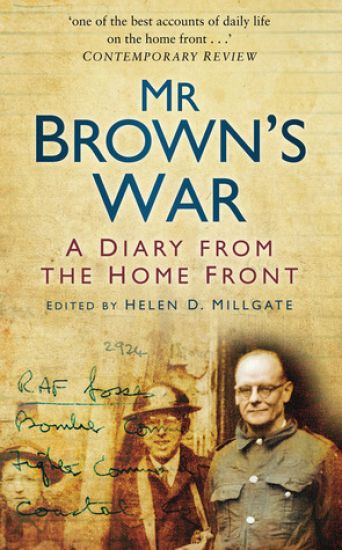
Richard Brown kept a personal diary throughout the whole of the Second World War. He used it to record the course of the conflict as he perceived it, gleaned from the newspapers, the wireless and hearsay. As well as describing the development of the war, Brown captured a vivid image of life in wartime Britain, with rationing, blackout restrictions, interrupted sleep, the prospect of evacuation and the enormous burden placed on civilians coping with a full-time job as well as war work. Richard Brown was a well-informed man who made his own judgements. His attitude to the war is fascinating, as he never doubts ultimate victory, despite being impatient and critical of the conduct of the war. His observations range from the pithy to the humorous and scathing. Above all, his diaries reflect the moral and social attitudes of the period, and the desire to be fully involved in the war effort. They also totally refute the argument that the British public were kept in the dark.
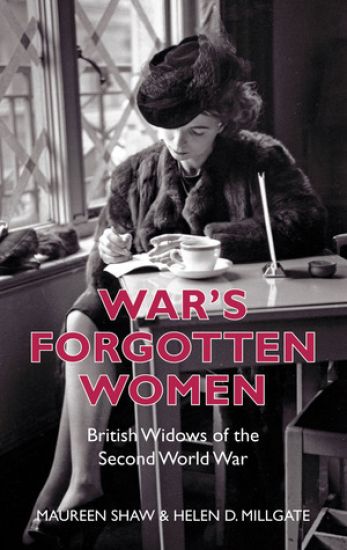
The Second World War widows were the ‘forgotten women’, largely ignored by the government and the majority of the population. The men who died in the service of their country were rightly honoured, but the widows and orphans they left behind were soon forgotten. During the war and afterwards in post-war austerity Britain their lives were particularly bleak. The meagre pensions they were given were taxed at the highest rate and gave them barely enough to keep body and soul together, let alone look after their children. Through their diaries, letters and personal interviews we are given an insight into post-war Britain that is a moving testament to the will to survive of a generation of women. The treatment of these war widows was shameful and continued right up to 1989. This is their story.
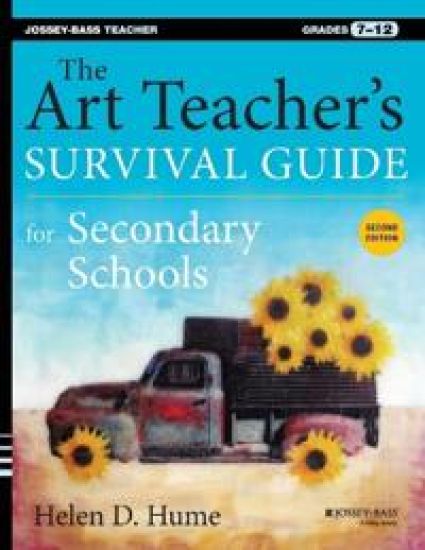
An invaluable compendium of 75 creative art projects for art educators and classroom teachers This authoritative, practical, and comprehensive guide offers everything teachers need to know to conduct an effective arts instruction and appreciation program. It meets secondary art teacher's unique needs for creating art lessons that cover everything from the fundamentals to digital media careers for aspiring artists. The book includes ten chapters that provide detailed instructions for both teachers and students, along with creative lesson plans and practical tools such as reproducible handouts, illustrations, and photographs. Includes 75 fun and creative art projectsFully updated to reflect the latest changes in secondary art instruction, including digital media and digital photographyHeavily illustrated with photographs and drawings For art teachers, secondary classroom teachers, and homeschoolers, this is the ideal hands-on guide to art instruction for middle school and high school students.
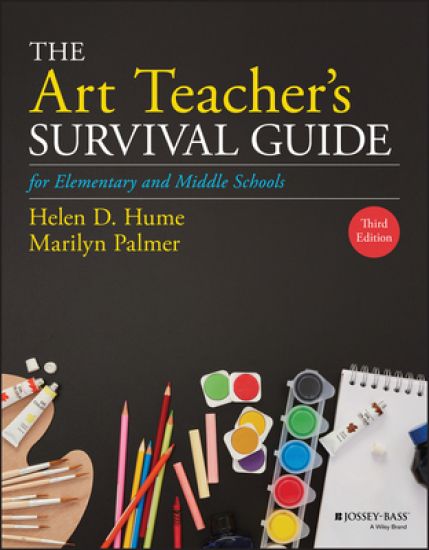
The perennial bestseller—now in a new edition Authoritative and practical, this comprehensive guide offers everything a teacher needs to know for conducting an effective art instruction and appreciation program. The Third Edition of The Art Teacher's Survival Guide for Elementary and Middle Schools includes a complete update on public-relations guidelines, and reference material examples. The revised edition also features many new projects, an update on current projects and includes an explanation of the hot topic amongst art educators, Teaching Artistic Behavior (TAB/choice). Choice-based art education is reflected in the authors’ discussion of teaching in mixed-media, ceramics, photography, sculpture, and art history. More than 100 creative art projects, from drawing to digital mediaOffers teaching tools, tips, and multicultural curriculum resourcesIncludes new material on logical ways to encourage individual and personal solutions to a problemGives teachers more latitude as to how individuality is suggested in a lesson This is an invaluable compendium for art educators and classroom teachers alike.
Social Work Practice In Community Organization by Helen D. Green is a comprehensive guide for social workers who want to make a positive impact in their communities. The book aims to provide a detailed understanding of community organization as a practice method, and the skills and knowledge required to become an effective community organizer. It covers the history and evolution of community organization, the different types of community organizations, and the various approaches and strategies for community organizing. The author emphasizes the importance of community participation and engagement in the community organizing process. The book provides practical tools and techniques for engaging community members and building collaborative relationships with stakeholders. It also covers the ethical and legal considerations involved in community organizing, including issues related to power and privilege, cultural competence, and social justice. The book is organized into three main parts. Part I provides an overview of community organization, including the historical and theoretical foundations of the practice. Part II covers the practice of community organization, including the different phases of the community organizing process, such as assessment, planning, implementation, and evaluation. Part III focuses on special topics in community organization, such as advocacy, social change, and working with diverse populations. Overall, Social Work Practice In Community Organization is an essential resource for social workers who want to make a difference in their communities. It provides a comprehensive and practical guide to community organization, and is suitable for social work students, practitioners, and educators.This scarce antiquarian book is a facsimile reprint of the old original and may contain some imperfections such as library marks and notations. Because we believe this work is culturally important, we have made it available as part of our commitment for protecting, preserving, and promoting the world's literature in affordable, high quality, modern editions, that are true to their original work.