This work has been selected by scholars as being culturally important and is part of the knowledge base of civilization as we know it.This work is in the public domain in the United States of America, and possibly other nations. Within the United States, you may freely copy and distribute this work, as no entity (individual or corporate) has a copyright on the body of the work.Scholars believe, and we concur, that this work is important enough to be preserved, reproduced, and made generally available to the public. To ensure a quality reading experience, this work has been proofread and republished using a format that seamlessly blends the original graphical elements with text in an easy-to-read typeface.We appreciate your support of the preservation process, and thank you for being an important part of keeping this knowledge alive and relevant.
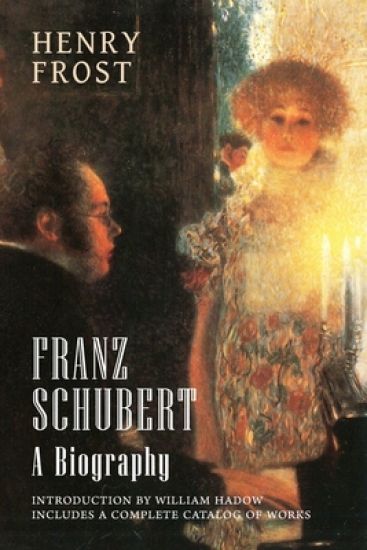
Clarity of outline, conciseness, and formal beauty are excellent things in musical works, but an exquisite fancy, a noble imagination, and a lofty poetic spirit are of infinitely greater account; and no one ever possessed these inestimable gifts in greater measure than Franz Schubert.This new edition of Henry Frost's 1892 biography of Franz Schubert has been edited and revised. The original references to pieces by Opus number have been replaced with the more commonly used D numbers. Many illustrations of places and people have been added throughout the text, and a complete catalog of Schubert's works has been included.Contents1Introduction and overview by William Henry Hadow.2- Schubert's unique position among composers.- Birth and parentage.- Early instruction in music, and evidence of extraordinary talent.- Admission to the Imperial Chapel and Stadtconvict.- School experiences and first compositions.- Salieri.- Symphony No. 1 in D.- He decides to leave the Convict.3- Schubert's experience as a school teacher.- Friendship with Mayrhofer.- Works from 1814; Des Teufels Lustschloss, Mass in F, etc.- Extraordinary productiveness in 1815.- Operas, symphonies, masses, and songs.- Characteristics of Schubert's Lieder.- Diary kept in 1816.- Der Erlk nig.- Cantatas and symphonies.- He applies for a position.- Franz von Schober.- He leaves his father's school.4- Johann Michael Vogl.- Josef Huttenbrenner.- Piano sonatas.- Overtures in Italian style.- He becomes music teacher to the Esterhazy family.- His residence with Mayrhofer.- Excursion in upper Austria.- Rossini.- Goethe.- His first commissions for the stage.- Die Zwillingsbruder.- Die Zauberharfe.- Contemporary criticism.- The oratorio Lazarus.- The Fantasia in C.5- The first publications.- Enthusiasm of his friends.- Schubertiaden.- The symphony in E.- Schubert and Beethoven.- Alfonso and Estrella; performance at Weimar.- The mass in A flat.- The unfinished symphony in B minor.- Schubert and Weber.- Rosamunde.- Fierabras.- Die Verschwornen, or Der hauslicne Krieg.- Die schone Mullerin.- Publications in 1823.6- Schubert's temporary depression.- Diary and letters.- Second visit to Zelesz.- Love for Caroline Esterhazy.- Compositions; the duet sonata in C.- Travels in Steyr.- Restored cheerfulness.- Efforts to gain employment.- Schindler's singular story.- Negotiations with foreign publishers.- Present from the Musikfreunde.- Beethoven's funeral.- Visit to the Pachlers at Gratz.- Failing health.- Rochlitz and Der Erste Ton7- Great productiveness in 1828.- Symphony in C.- Mass in E flat.- Schwanengesang.- Last sonatas.- Disappointments.- His last illness and death.8- Posthumous honours.- Personal qualities.- Schubert's position in music.- General survey of works
Clarity of outline, conciseness, and formal beauty are excellent things in musical works, but an exquisite fancy, a noble imagination, and a lofty poetic spirit are of infinitely greater account; and no one ever possessed these inestimable gifts in greater measure than Franz Schubert. "With faith man steps forth into the world. Faith is far ahead of understanding and knowledge; for to understand anything, I must first of all believe something. Faith is the higher basis on which weak understanding rears its first columns of proof; reason is nothing but faith analysed." - Franz Schubert This new edition of Henry Frost's 1892 biography of Franz Schubert has been edited and revised. The original references to pieces by Opus number have been replaced with the more commonly used D numbers. Many illustrations of places and people have been added throughout the text, and a complete catalog of Schubert's works has been included. Contents 1 Introduction and overview by William Henry Hadow. From the eleventh edition of The Encyclopaedia Britannica (1911). 2 - Schubert's unique position among composers. - His birth and parentage. - Early instruction in music, and evidence of extraordinary talent. - Admission to the Imperial Chapel and Stadtconvict. - School experiences and first compositions. - Salieri. - Symphony No. 1 in D. - He decides to leave the Convict. 3 - Schubert's experience as a school teacher. - Friendship with Mayrhofer. - Works from 1814; Des Teufels Lustschloss, Mass in F, etc. - Extraordinary productiveness in 1815. - Operas, symphonies, masses, and songs. - Characteristics of Schubert's Lieder. - Diary kept in 1816. - Der Erlk nig. - Cantatas and symphonies. - He applies for a position. - Franz von Schober. - He leaves his father's school. 4 - Johann Michael Vogl. - Josef Huttenbrenner. - Piano sonatas. - Overtures in Italian style. - He becomes music teacher to the Esterhazy family. - His residence with Mayrhofer. - Excursion in upper Austria. - Rossini. - Goethe. - His first commissions for the stage. - Die Zwillingsbruder. - Die Zauberharfe. - Contemporary criticism. - The oratorio Lazarus. - The Fantasia in C. 5 - The first publications. - Enthusiasm of his friends. - Schubertiaden. - The symphony in E. - Schubert and Beethoven. - Alfonso and Estrella; performance at Weimar. - The mass in A flat. - The unfinished symphony in B minor. - Schubert and Weber. - Rosamunde. - Fierabras. - Die Verschwornen, or Der hauslicne Krieg. - Die schone Mullerin. - Publications in 1823. 6 - Schubert's temporary depression. - Diary and letters. - Second visit to Zelesz. - Love for Caroline Esterhazy. - Compositions; the duet sonata in C. - Travels in Steyr. - Restored cheerfulness. - Efforts to gain employment. - Schindler's singular story. - Negotiations with foreign publishers. - Present from the Musikfreunde. - Beethoven's funeral. - Visit to the Pachlers at Gratz. - Failing health. - Rochlitz and Der Erste Ton 7 - Great productiveness in 1828. - Symphony in C. - Mass in E flat. - Schwanengesang. - Last sonatas. - Disappointments. - His last illness and death. 8 - Posthumous honours. - Personal qualities. - Schubert's position in music. - General survey of works
"Frost sees all healing as coming from God. Miraculous indicates that healing takes place apart from means. He is anxious to "hold all truth in careful equipoise" and writes "in constant prayer". "He presents five cases of healing in which he was involved and parallels them with five cases where the same conditions obtained but healing did not occur. That drove him to bring his belief to the test of the Word of God. "He looks carefully at the teaching of those who claim that the wholeness of salvation includes physical healing for all as well as spiritual. He examines the texts they use and points out where they appear to err, weighing up the arguments for inevitable healing. He sees the Epistle of James as being written to an emerging Jewish Christian church, "spiritually undeveloped", and the instructions in chapter five permissive rather than mandatory."The post-Resurrection promises apply to the apostles only. Miracles were to provide indisputable evidence that Jesus was the Messiah more than an expression of deep compassion, though they were that as well. "Among his general conclusions he makes it clear that Christ heals today but exercises His own loving sovereignty in so doing - "Christ will choose health, strength and length of days...the saint is ever to remain submissive to God's will whatever this may mean". The book ends with a moving testimony of healing within his own family." Taken from a review by Evangelism magazine.