

Kirjahaku
Etsi kirjoja tekijän nimen, kirjan nimen tai ISBN:n perusteella.
1000 tulosta hakusanalla Henry M. Stebbing


Pistols: A Modern Encyclopedia
Henry M. Stebbins; Albert J. E. Shay; Oscar R. Hammond
Literary Licensing, LLC
2011
sidottu
Pistols: A Modern Encyclopedia is an informative and comprehensive book written by Henry M. Stebbins. It is a must-read for anyone interested in firearms and their history. The book covers an extensive range of pistols, from the earliest designs to the most modern ones. It is a detailed guide that provides a wealth of information on each pistol, including its features, specifications, and the historical significance of its design.The book is organized into chapters that cover different types of pistols, such as revolvers, semi-automatics, and single-shot pistols. Each chapter is further divided into sub-sections that discuss the history, design, and use of the pistols. The book also includes detailed illustrations and photographs of each pistol, making it easy for readers to understand the different features and designs.In addition to the technical information, the book also provides an insight into the cultural and historical significance of pistols. It covers the role of pistols in warfare, hunting, and self-defense, as well as their use in popular culture, such as movies and books.Overall, Pistols: A Modern Encyclopedia is an excellent resource for anyone interested in pistols and their history. It is an informative and engaging read that provides a comprehensive overview of the subject matter. Whether you are a collector, enthusiast, or simply curious about pistols, this book is a must-have for your library.Preface By Thomas C. Florich.This scarce antiquarian book is a facsimile reprint of the old original and may contain some imperfections such as library marks and notations. Because we believe this work is culturally important, we have made it available as part of our commitment for protecting, preserving, and promoting the world's literature in affordable, high quality, modern editions, that are true to their original work.

Pistols: A Modern Encyclopedia
Henry M. Stebbins; Albert J. E. Shay; Oscar R. Hammond
Literary Licensing, LLC
2011
nidottu
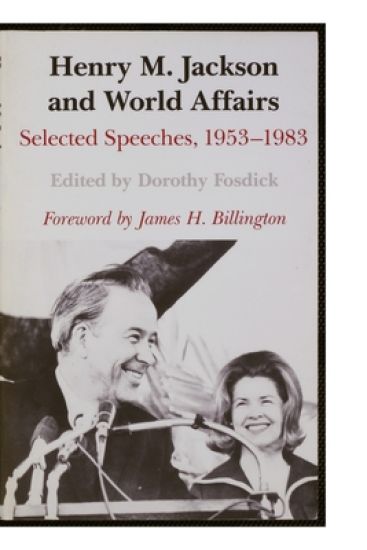
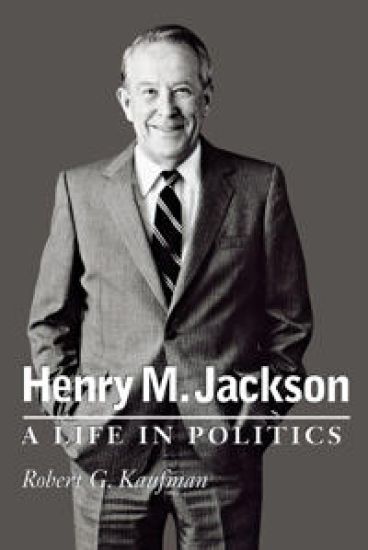
Henry M. Jackson ranks as one of the great legislators in American history. With a Congressional career spanning the tenure of nine Presidents, Jackson had an enormous impact on the most crucial foreign policy and defense issues of the Cold War era, as well as a marked impact on energy policy, civil rights, and other watershed issues in domestic politics.Jackson first arrived in Washington, D.C., in January 1941 as the Democratic representative of the Second District of Washington State, at the age of 28 the youngest member of Congress. “Scoop” Jackson won reelection time and again by wide margins, moving to the Senate in 1953 and serving there until his death in 1983. He became a powerful voice in U.S. foreign policy and a leading influence in major domestic legislation, especially concerning natural resources, energy, and the environment, working effectively with Senator Warren Magnuson to bring considerable federal investment to Washington State.A standard bearer for the New Deal-Fair Deal tradition of Roosevelt and Truman, Jackson advocated a strong role for the federal government in the economy, health care, and civil rights. He was a firm believer in public control of electric and nuclear power, and leveled stern criticism at the oil industry’s “obscene profits” during the energy crisis of the 1970s. He ran for the presidency twice, in 1972 and 1976, but was defeated for the nomination first by George McGovern and then by Jimmy Carter, marking the beginning of a split between dovish and hawkish liberal Democrats that would not be mended until the ascendance of Bill Clinton.Jackson’s vision concerning America’s Cold War objectives owed much to Harry Truman’s approach to world affairs but, ironically, found its best manifestation in the actions taken by the Republican administration of Ronald Reagan. An early and strong supporter of Israel and of Soviet dissidents, he strongly opposed the Nixon/Kissinger policy of detente as well as many of Carter’s methods of dealing with the Soviet Union.Robert Kaufman has immersed himself in the life and times of Jackson, poring over the more than 1,500 boxes of written materials and tapes that make up the Jackson Papers housed at the University of Washington, as well as the collections of every presidential library from Kennedy through Reagan. He interviewed many people who knew Jackson, both friends and rivals, and consulted other archival materials and published sources dealing with Jackson, relevant U.S. political history and commentary, arms negotiation documents, and congressional reports. He uses this wealth of material to present a thoughtful and encompassing picture of the ideas and policies that shaped America’s Cold War philosophy and actions.

Henry M. Jackson ranks as one of the great legislators in American history. With a Congressional career spanning the tenure of nine Presidents, Jackson had an enormous impact on the most crucial foreign policy and defense issues of the Cold War era, as well as a marked impact on energy policy, civil rights, and other watershed issues in domestic politics.Jackson first arrived in Washington, D.C., in January 1941 as the Democratic representative of the Second District of Washington State, at the age of 28 the youngest member of Congress. "Scoop" Jackson won reelection time and again by wide margins, moving to the Senate in 1953 and serving there until his death in 1983. He became a powerful voice in U.S. foreign policy and a leading influence in major domestic legislation, especially concerning natural resources, energy, and the environment, working effectively with Senator Warren Magnuson to bring considerable federal investment to Washington State.A standard bearer for the New Deal-Fair Deal tradition of Roosevelt and Truman, Jackson advocated a strong role for the federal government in the economy, health care, and civil rights. He was a firm believer in public control of electric and nuclear power, and leveled stern criticism at the oil industry's "obscene profits" during the energy crisis of the 1970s. He ran for the presidency twice, in 1972 and 1976, but was defeated for the nomination first by George McGovern and then by Jimmy Carter, marking the beginning of a split between dovish and hawkish liberal Democrats that would not be mended until the ascendance of Bill Clinton.Jackson's vision concerning America's Cold War objectives owed much to Harry Truman's approach to world affairs but, ironically, found its best manifestation in the actions taken by the Republican administration of Ronald Reagan. An early and strong supporter of Israel and of Soviet dissidents, he strongly opposed the Nixon/Kissinger policy of detente as well as many of Carter's methods of dealing with the Soviet Union.Robert Kaufman has immersed himself in the life and times of Jackson, poring over the more than 1,500 boxes of written materials and tapes that make up the Jackson Papers housed at the University of Washington, as well as the collections of every presidential library from Kennedy through Reagan. He interviewed many people who knew Jackson, both friends and rivals, and consulted other archival materials and published sources dealing with Jackson, relevant U.S. political history and commentary, arms negotiation documents, and congressional reports. He uses this wealth of material to present a thoughtful and encompassing picture of the ideas and policies that shaped America's Cold War philosophy and actions.
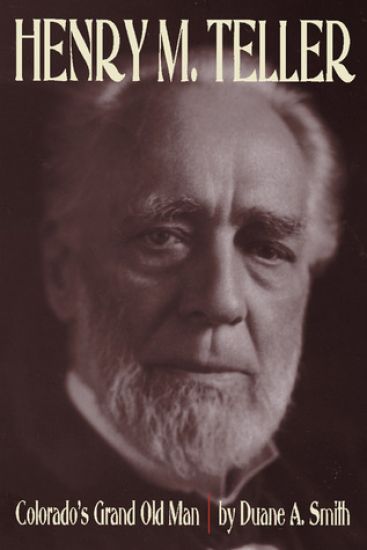
Serving longer in the US Senate than any other Coloradan, Henry M Teller was one of the Centennial State's greatest statesmen and political leaders. Teller was a prime example of what a politician should be in an era when elected officials left a great deal to be desired. As Colorado's representative, Teller stated his beliefs and stuck by them. Not all agreed with him, but all admired him for his honesty and integrity. His legal career in Colorado encompassed much of the early legislation in the territory, such as developing mining law and the organisation of the Colorado Central Railroad, while his Washington career touched on nearly every important western economic development issue that occurred in Colorado between 1876 and 1909. Teller declared to the US Congress that Colorado was a part of the nation, and that the West deserved a say in its decisions.
Title: Henry M. Stanley: his life, travels and explorations.Publisher: British Library, Historical Print EditionsThe British Library is the national library of the United Kingdom. It is one of the world's largest research libraries holding over 150 million items in all known languages and formats: books, journals, newspapers, sound recordings, patents, maps, stamps, prints and much more. Its collections include around 14 million books, along with substantial additional collections of manuscripts and historical items dating back as far as 300 BC.The HISTORY OF TRAVEL collection includes books from the British Library digitised by Microsoft. This collection contains personal narratives, travel guides and documentary accounts by Victorian travelers, male and female. Also included are pamphlets, travel guides, and personal narratives of trips to and around the Americas, the Indies, Europe, Africa and the Middle East. ++++The below data was compiled from various identification fields in the bibliographic record of this title. This data is provided as an additional tool in helping to insure edition identification: ++++ British Library Little, Henry William; 1890. xvi. 456 p.; 8 . 010096.f.13.
Henry M. Ladrey and Eva W. Ladrey, Petitioners, V. United States. U.S. Supreme Court Transcript of Record with Supporting Pleadings
James R Kirkland
Gale, U.S. Supreme Court Records
2011
pokkari


History of the Atlantic Telegraph. by Henry M. Field ...
Henry M (Henry Martyn) Field
University of Michigan Library
2006
pokkari

History of the Atlantic Telegraph. by Henry M. Field ...
Henry M (Henry Martyn) Field
University of Michigan Library
2006
pokkari

One of famed crime author Robert Edmond Alter's less-well-known books, Henry M. Stanley: The Man from Africa concerns the life of Sir Henry Morton Stanley, explorer, journalist, soldier, colonial administrator, author and politician who was famous for his exploration of Central Africa and his search for missionary and explorer David Livingstone, whom he later claimed to have greeted with the now-famous line: "Dr. Livingstone, I presume?"

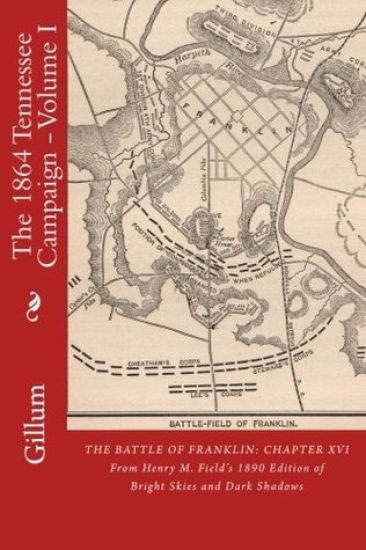
The Battle of Franklin: Chapter XVI: From Henry M. Field's 1890 Edition of Bright Skies and Dark Shadows
Henry M. Field
Createspace Independent Publishing Platform
2013
nidottu
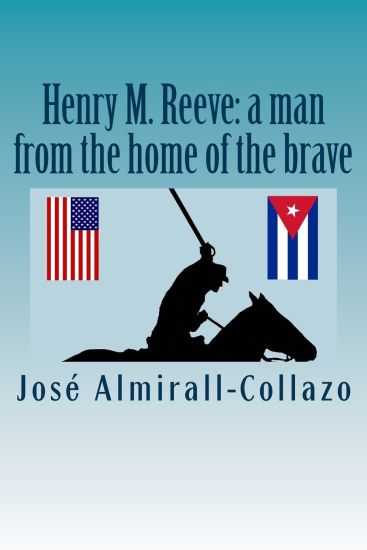
Henry M. Reeve: a man from the home of the brave
Jose Julian Almirall-Collazo
Createspace Independent Publishing Platform
2018
nidottu
This is a biography of Henry M. Reeve, a brave young American, willing to fight for the independence of Cuba until his last breath. In 1869, being a 19-year-old office clerk in New York whose military experience was only as a drummer, he left his job to join the Cuban Liberation Army. In a short time, he became a formidable natural soldier in the Cuban fields. From being an inexperienced horse rider, he became the chief of the best cavalry in the army. He escalated, rank by rank, from the position of a private soldier to the one of brigadier general in only four years. Being a 23-year-old brigadier general, with his right leg disabled due to a serious wound, he fought riding his horse with an apparatus in his leg, leading his men into combat.