

Kirjahaku
Etsi kirjoja tekijän nimen, kirjan nimen tai ISBN:n perusteella.
1000 tulosta hakusanalla Horatia K. F. Gatty


Juliana Horatia Ewing And Her Books (LARGE PRINT EDITION)
Horatia K. F. Gatty
KESSINGER PUBLISHING, LLC
2011
sidottu
The Book of Sun-dials Collected by Mrs. Alfred Gatty
Horatia K. F. (EDT) Gatty; Eleanor (EDT) Lloyd; W. (EDT) Richardson
Kessinger Pub
2006
pokkari
Juliana Horatia Ewing And Her Books
Juliana Horatia Gatty Ewing; Horatia K. F. Eden; Randolph (ILT) Caldecott
Kessinger Pub
2008
pokkari
Jackanapes. Daddy Darwin'S Dovecot. The Story Of A Short Life
Juliana Horatia Ewing; Horatia K F Gatty Eden
Alpha Edition
2021
pokkari
This book has been considered by academicians and scholars of great significance and value to literature. This forms a part of the knowledge base for future generations. So that the book is never forgotten we have represented this book in a print format as the same form as it was originally first published. Hence any marks or annotations seen are left intentionally to preserve its true nature.
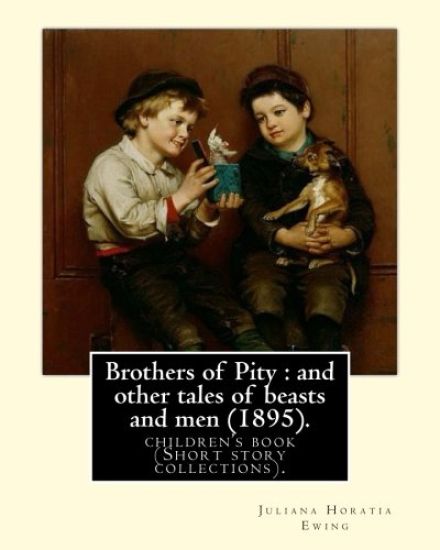
Brothers of Pity: and other tales of beasts and men (1895). By: Juliana Horatia Ewing, dedicated By: Horatia Katherine Frances Gatty (18
Horatia Katherine Frances Gatty; Juliana Horatia Ewing
Createspace Independent Publishing Platform
2018
nidottu
Juliana Horatia Ewing (n e Gatty) (3 August 1841 - 13 May 1885) was an English writer of children's stories. She displayed sympathetic insight into children's lives, admiration for things military, and strong religious faith. Youth and marriage: Known as Julie, she was the second of ten children of the Reverend Alfred Gatty, vicar of Ecclesfield in Yorkshire, and Margaret Gatty, who was herself a children's author. The children were educated mainly by her mother, but Julie was often the driving force behind their various activities: drama, botany etc. Later she was responsible for setting up a village library in Ecclesfield and helped out in the parish with her three sisters. Early stories of hers appeared in Charlotte Yonge's magazine Monthly Packet. On 1 June 1867, she married Major Alexander Ewing (1830-1895) of the army pay department. He was also a keen churchgoer, who shared his wife's interest in literature. Within a week of their marriage, the Ewings left England for Fredericton, New Brunswick, Canada, where he had received a new posting. They remained there for two years, before returning to England in 1869 and spending eight years in the army town of Aldershot. Although her husband was sent overseas again, to Malta in 1879 and Sri Lanka in 1881, Ewing's poor health would not allow her to accompany him. The Ewings moved to Trull, Somerset, on his return in 1883, and in 1885, to Bath, in the hopes that the change of air would do her good. However, her health continued to deteriorate, and after two operations, she died there on 13 May 1885.She was given a military funeral at Trull three days later. Her sister Horatia Katharine Frances Gatty (1846-1945) published a memorial of Julie's life and works which includes a publication history of her stories. A later selection includes some of Julie's letters and drawings about Canada. A biography by Gillian Avery appeared in 1961. "Child-novels" Roger Lancelyn Green calls her works the "first outstanding child-novels" in English literature. Her works are notable for their sympathetic insight into child life, their admiration for things military, and their reflection of her strong Anglican faith. They include Mrs. Overtheway's Remembrances (1869), A Flat Iron for a Farthing (1872), Six to Sixteen (1875), Jackanapes (1884), Daddy Darwin's Dovecot (1884), and The Story of a Short Life (1885). The latter story inspired Grace Kimmins to start the Guild of the Poor Brave Things to help children with disabilities in London. Grace (and later Ada Vachell took their motto Laetus sorte mea (Happy in my lot) from Ewing's book. Rudyard Kipling claimed to know her novel Jan of the Windmill (1872-3, 1876) almost by heart. He wrote in his autobiography, Something of Myself, "One book] I have still, a bound copy of Aunt Judy's Magazine of the early 'seventies, in which appeared Mrs. Ewing's Six to Sixteen. I owe more in circuitous ways to that tale than I can tell. I knew it, as I know it still, almost by heart. Here was a history of real people and real things."Her story The Brownies (1865) gave the Baden-Powells the idea and the name for the junior level of the Girl Guides. Another admirer of her work was E. Nesbit. A talented artist herself, her works were frequently illustrated by such notables as George Cruikshank and Randolph Caldecott. She was also the editor of a number of magazines which published short stories for children, such as the Nursery Magazines from 1856 onwards, the Monthly Packet and the monthly Aunt Judy's Magazine from 1866.................. Horatia Katherine Frances GATTY 1846-1945
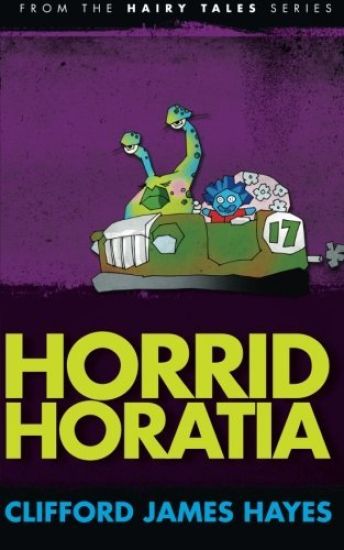
FULL SELECTION OF BOOKS AT: www.hayesdesign.co.uk/books Fans of quirky humour will love Horrid Horatia Horatia the selfish lady-slug thinks she's very important; she has a lot of money, a lot of homes, and a lot of hovercrafts to travel about in. And now she plans to show her neighbours just how important she really is, by building an enormous hedge - and no-one's going to stop her. But what goes around, comes around ... just like the truckload of salt headed her way Also included are some poems and story things - Creepy The Clown, The Walrus Story, I'm a Scary Spider and Bunnies Part of the Hairy Tales series, Horrid Horatia is full of morals and wit - and plenty of plain silliness and absurdity Great fun for children and adults alike.
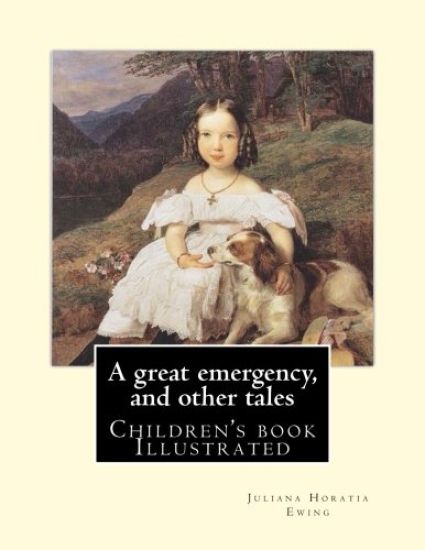
A great emergency, and other tales. By: Juliana Horatia Ewing: (children's book ), Illustrated
Juliana Horatia Ewing
Createspace Independent Publishing Platform
2018
nidottu
Juliana Horatia Ewing (n e Gatty) (3 August 1841 - 13 May 1885) was an English writer of children's stories. She displayed sympathetic insight into children's lives, admiration for things military, and strong religious faith. Youth and marriage: Known as Julie, she was the second of ten children of the Reverend Alfred Gatty, vicar of Ecclesfield in Yorkshire, and Margaret Gatty, who was herself a children's author. The children were educated mainly by her mother, but Julie was often the driving force behind their various activities: drama, botany etc. Later she was responsible for setting up a village library in Ecclesfield and helped out in the parish with her three sisters. Early stories of hers appeared in Charlotte Yonge's magazine Monthly Packet. On 1 June 1867, she married Major Alexander Ewing (1830-1895) of the army pay department. He was also a keen churchgoer, who shared his wife's interest in literature. Within a week of their marriage, the Ewings left England for Fredericton, New Brunswick, Canada, where he had received a new posting. They remained there for two years, before returning to England in 1869 and spending eight years in the army town of Aldershot. Although her husband was sent overseas again, to Malta in 1879 and Sri Lanka in 1881, Ewing's poor health would not allow her to accompany him. The Ewings moved to Trull, Somerset, on his return in 1883, and in 1885, to Bath, in the hopes that the change of air would do her good. However, her health continued to deteriorate, and after two operations, she died there on 13 May 1885.She was given a military funeral at Trull three days later. Her sister Horatia Katharine Frances Gatty (1846-1945) published a memorial of Julie's life and works which includes a publication history of her stories. A later selection includes some of Julie's letters and drawings about Canada. A biography by Gillian Avery appeared in 1961. "Child-novels" Roger Lancelyn Green calls her works the "first outstanding child-novels" in English literature. Her works are notable for their sympathetic insight into child life, their admiration for things military, and their reflection of her strong Anglican faith. They include Mrs. Overtheway's Remembrances (1869), A Flat Iron for a Farthing (1872), Six to Sixteen (1875), Jackanapes (1884), Daddy Darwin's Dovecot (1884), and The Story of a Short Life (1885). The latter story inspired Grace Kimmins to start the Guild of the Poor Brave Things to help children with disabilities in London. Grace (and later Ada Vachell took their motto Laetus sorte mea (Happy in my lot) from Ewing's book. Rudyard Kipling claimed to know her novel Jan of the Windmill (1872-3, 1876) almost by heart. He wrote in his autobiography, Something of Myself, "One book] I have still, a bound copy of Aunt Judy's Magazine of the early 'seventies, in which appeared Mrs. Ewing's Six to Sixteen. I owe more in circuitous ways to that tale than I can tell. I knew it, as I know it still, almost by heart. Here was a history of real people and real things."Her story The Brownies (1865) gave the Baden-Powells the idea and the name for the junior level of the Girl Guides. Another admirer of her work was E. Nesbit. A talented artist herself, her works were frequently illustrated by such notables as George Cruikshank and Randolph Caldecott. She was also the editor of a number of magazines which published short stories for children, such as the Nursery Magazines from 1856 onwards, the Monthly Packet and the monthly Aunt Judy's Magazine from 1866..................
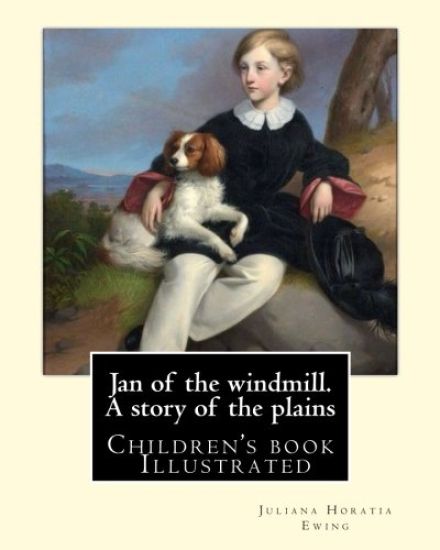
Jan of the windmill. A story of the plains. By: Juliana Horatia Ewing: (children's book ) Illustrated
Juliana Horatia Ewing
Createspace Independent Publishing Platform
2018
nidottu
Juliana Horatia Ewing (n e Gatty) (3 August 1841 - 13 May 1885) was an English writer of children's stories. She displayed sympathetic insight into children's lives, admiration for things military, and strong religious faith. Youth and marriage: Known as Julie, she was the second of ten children of the Reverend Alfred Gatty, vicar of Ecclesfield in Yorkshire, and Margaret Gatty, who was herself a children's author. The children were educated mainly by her mother, but Julie was often the driving force behind their various activities: drama, botany etc. Later she was responsible for setting up a village library in Ecclesfield and helped out in the parish with her three sisters. Early stories of hers appeared in Charlotte Yonge's magazine Monthly Packet. On 1 June 1867, she married Major Alexander Ewing (1830-1895) of the army pay department. He was also a keen churchgoer, who shared his wife's interest in literature. Within a week of their marriage, the Ewings left England for Fredericton, New Brunswick, Canada, where he had received a new posting. They remained there for two years, before returning to England in 1869 and spending eight years in the army town of Aldershot. Although her husband was sent overseas again, to Malta in 1879 and Sri Lanka in 1881, Ewing's poor health would not allow her to accompany him. The Ewings moved to Trull, Somerset, on his return in 1883, and in 1885, to Bath, in the hopes that the change of air would do her good. However, her health continued to deteriorate, and after two operations, she died there on 13 May 1885.She was given a military funeral at Trull three days later. Her sister Horatia Katharine Frances Gatty (1846-1945) published a memorial of Julie's life and works which includes a publication history of her stories. A later selection includes some of Julie's letters and drawings about Canada. A biography by Gillian Avery appeared in 1961. "Child-novels" Roger Lancelyn Green calls her works the "first outstanding child-novels" in English literature. Her works are notable for their sympathetic insight into child life, their admiration for things military, and their reflection of her strong Anglican faith. They include Mrs. Overtheway's Remembrances (1869), A Flat Iron for a Farthing (1872), Six to Sixteen (1875), Jackanapes (1884), Daddy Darwin's Dovecot (1884), and The Story of a Short Life (1885). The latter story inspired Grace Kimmins to start the Guild of the Poor Brave Things to help children with disabilities in London. Grace (and later Ada Vachell took their motto Laetus sorte mea (Happy in my lot) from Ewing's book. Rudyard Kipling claimed to know her novel Jan of the Windmill (1872-3, 1876) almost by heart. He wrote in his autobiography, Something of Myself, "One book] I have still, a bound copy of Aunt Judy's Magazine of the early 'seventies, in which appeared Mrs. Ewing's Six to Sixteen. I owe more in circuitous ways to that tale than I can tell. I knew it, as I know it still, almost by heart. Here was a history of real people and real things."Her story The Brownies (1865) gave the Baden-Powells the idea and the name for the junior level of the Girl Guides. Another admirer of her work was E. Nesbit. A talented artist herself, her works were frequently illustrated by such notables as George Cruikshank and Randolph Caldecott. She was also the editor of a number of magazines which published short stories for children, such as the Nursery Magazines from 1856 onwards, the Monthly Packet and the monthly Aunt Judy's Magazine from 1866..................

Miscellanea. By: Juliana Horatia Ewing: (children's book ) World's classic's
Juliana Horatia Ewing
Createspace Independent Publishing Platform
2018
nidottu
Juliana Horatia Ewing (n e Gatty) (3 August 1841 - 13 May 1885) was an English writer of children's stories. She displayed sympathetic insight into children's lives, admiration for things military, and strong religious faith. Youth and marriage: Known as Julie, she was the second of ten children of the Reverend Alfred Gatty, vicar of Ecclesfield in Yorkshire, and Margaret Gatty, who was herself a children's author. The children were educated mainly by her mother, but Julie was often the driving force behind their various activities: drama, botany etc. Later she was responsible for setting up a village library in Ecclesfield and helped out in the parish with her three sisters. Early stories of hers appeared in Charlotte Yonge's magazine Monthly Packet. On 1 June 1867, she married Major Alexander Ewing (1830-1895) of the army pay department. He was also a keen churchgoer, who shared his wife's interest in literature. Within a week of their marriage, the Ewings left England for Fredericton, New Brunswick, Canada, where he had received a new posting. They remained there for two years, before returning to England in 1869 and spending eight years in the army town of Aldershot. Although her husband was sent overseas again, to Malta in 1879 and Sri Lanka in 1881, Ewing's poor health would not allow her to accompany him. The Ewings moved to Trull, Somerset, on his return in 1883, and in 1885, to Bath, in the hopes that the change of air would do her good. However, her health continued to deteriorate, and after two operations, she died there on 13 May 1885.She was given a military funeral at Trull three days later. Her sister Horatia Katharine Frances Gatty (1846-1945) published a memorial of Julie's life and works which includes a publication history of her stories. A later selection includes some of Julie's letters and drawings about Canada. A biography by Gillian Avery appeared in 1961. "Child-novels" Roger Lancelyn Green calls her works the "first outstanding child-novels" in English literature. Her works are notable for their sympathetic insight into child life, their admiration for things military, and their reflection of her strong Anglican faith. They include Mrs. Overtheway's Remembrances (1869), A Flat Iron for a Farthing (1872), Six to Sixteen (1875), Jackanapes (1884), Daddy Darwin's Dovecot (1884), and The Story of a Short Life (1885). The latter story inspired Grace Kimmins to start the Guild of the Poor Brave Things to help children with disabilities in London. Grace (and later Ada Vachell took their motto Laetus sorte mea (Happy in my lot) from Ewing's book. Rudyard Kipling claimed to know her novel Jan of the Windmill (1872-3, 1876) almost by heart. He wrote in his autobiography, Something of Myself, "One book] I have still, a bound copy of Aunt Judy's Magazine of the early 'seventies, in which appeared Mrs. Ewing's Six to Sixteen. I owe more in circuitous ways to that tale than I can tell. I knew it, as I know it still, almost by heart. Here was a history of real people and real things."Her story The Brownies (1865) gave the Baden-Powells the idea and the name for the junior level of the Girl Guides. Another admirer of her work was E. Nesbit. A talented artist herself, her works were frequently illustrated by such notables as George Cruikshank and Randolph Caldecott. She was also the editor of a number of magazines which published short stories for children, such as the Nursery Magazines from 1856 onwards, the Monthly Packet and the monthly Aunt Judy's Magazine from 1866..................

The story of a short life. (Children's book ) Illustrted: By: Juliana Horatia Ewing (née Gatty) (3 August 1841 - 13 May 1885) was an English writer of
Juliana Horatia Ewing
Createspace Independent Publishing Platform
2018
nidottu
Juliana Horatia Ewing (n e Gatty) (3 August 1841 - 13 May 1885) was an English writer of children's stories. She displayed sympathetic insight into children's lives, admiration for things military, and strong religious faith. Youth and marriage: Known as Julie, she was the second of ten children of the Reverend Alfred Gatty, vicar of Ecclesfield in Yorkshire, and Margaret Gatty, who was herself a children's author. The children were educated mainly by her mother, but Julie was often the driving force behind their various activities: drama, botany etc. Later she was responsible for setting up a village library in Ecclesfield and helped out in the parish with her three sisters. Early stories of hers appeared in Charlotte Yonge's magazine Monthly Packet. On 1 June 1867, she married Major Alexander Ewing (1830-1895) of the army pay department. He was also a keen churchgoer, who shared his wife's interest in literature. Within a week of their marriage, the Ewings left England for Fredericton, New Brunswick, Canada, where he had received a new posting. They remained there for two years, before returning to England in 1869 and spending eight years in the army town of Aldershot. Although her husband was sent overseas again, to Malta in 1879 and Sri Lanka in 1881, Ewing's poor health would not allow her to accompany him. The Ewings moved to Trull, Somerset, on his return in 1883, and in 1885, to Bath, in the hopes that the change of air would do her good. However, her health continued to deteriorate, and after two operations, she died there on 13 May 1885.She was given a military funeral at Trull three days later. Her sister Horatia Katharine Frances Gatty (1846-1945) published a memorial of Julie's life and works which includes a publication history of her stories. A later selection includes some of Julie's letters and drawings about Canada. A biography by Gillian Avery appeared in 1961. "Child-novels" Roger Lancelyn Green calls her works the "first outstanding child-novels" in English literature. Her works are notable for their sympathetic insight into child life, their admiration for things military, and their reflection of her strong Anglican faith. They include Mrs. Overtheway's Remembrances (1869), A Flat Iron for a Farthing (1872), Six to Sixteen (1875), Jackanapes (1884), Daddy Darwin's Dovecot (1884), and The Story of a Short Life (1885). The latter story inspired Grace Kimmins to start the Guild of the Poor Brave Things to help children with disabilities in London. Grace (and later Ada Vachell took their motto Laetus sorte mea (Happy in my lot) from Ewing's book. Rudyard Kipling claimed to know her novel Jan of the Windmill (1872-3, 1876) almost by heart. He wrote in his autobiography, Something of Myself, "One book] I have still, a bound copy of Aunt Judy's Magazine of the early 'seventies, in which appeared Mrs. Ewing's Six to Sixteen. I owe more in circuitous ways to that tale than I can tell. I knew it, as I know it still, almost by heart. Here was a history of real people and real things."Her story The Brownies (1865) gave the Baden-Powells the idea and the name for the junior level of the Girl Guides. Another admirer of her work was E. Nesbit. A talented artist herself, her works were frequently illustrated by such notables as George Cruikshank and Randolph Caldecott. She was also the editor of a number of magazines which published short stories for children, such as the Nursery Magazines from 1856 onwards, the Monthly Packet and the monthly Aunt Judy's Magazine from 1866..................
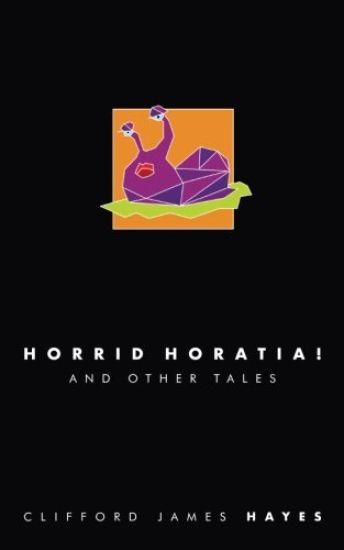
Horrid Horatia! (Special Edition)
Clifford James Hayes
Createspace Independent Publishing Platform
2018
pokkari
SPECIAL EDITION: NEW DESIGN, NEW ILLUSTRATIONS, NEW CONTENT. Fans of quirky humour will love Horrid Horatia With lots of money, Horatia the selfish lady-slug thinks she's very important. Next she plans to show her neighbours just how important she really is, by building an enormous hedge - and no-one's going to stop her. But what goes around, comes around ... just like the truckload of salt headed her way Also included are some poems and short 'story-things' - Creepy The Clown, The Walrus Story, I'm a Scary Spider and Bunnies Very silly and very funny, Horrid Horatia is a great read for children and adults alike.Search 'Clifford James Hayes' on Amazon for other books by the author. FULL SELECTION OF BOOKS AT: www.hayesdesign.co.uk/books

Christmas Crackers & Other Christmas Stories by Juliana Horatia Ewing
Juliana Horatia Ewing
e-artnow
2022
pokkari
e-artnow presents the Christmas Specials Series. We have selected the greatest Christmas novels, short stories and fairy tales for this joyful and charming holiday season, for all those who want to keep the spirit of Christmas alive with a heartwarming tale. Table of Contents: - Snap-Dragons or, Old Father Christmas - The Peace Egg - Melchior's Dream - Three Christmas Trees - Christmas Crackers: A Fantasia - The Willow Man - Juliana Horatia Ewing (1841-1885) was an English writer of children's stories. Her writings display a sympathetic insight into children's lives, an admiration for things military, and a strong religious faith.