Kirjojen hintavertailu. Mukana 11 238 394 kirjaa ja 12 kauppaa.

Kirjahaku

Etsi kirjoja tekijän nimen, kirjan nimen tai ISBN:n perusteella.

1000 tulosta hakusanalla Horton Howard

Excel 2010 for Biological and Life Sciences Statistics

Excel 2010 for Biological and Life Sciences Statistics

Thomas J Quirk; Meghan Quirk; Howard Horton

Springer-Verlag New York Inc.
2012
nidottu
This is the first book to show the capabilities of Microsoft Excel to teach biological and life sciences statistics effectively. It is a step-by-step exercise-driven guide for students and practitioners who need to master Excel to solve practical science problems. If understanding statistics isn’t your strongest suit, you are not especially mathematically-inclined, or if you are wary of computers, this is the right book for you. Excel, a widely available computer program for students and managers, is also an effective teaching and learning tool for quantitative analyses in science courses. Its powerful computational ability and graphical functions make learning statistics much easier than in years past. However, Excel 2010 for Biological and Life Sciences Statistics: A Guide to Solving Practical Problems is the first book to capitalize on these improvements by teaching students and managers how to apply Excel to statistical techniques necessary in their courses and work.Each chapter explains statistical formulas and directs the reader to use Excel commands to solve specific, easy-to-understand science problems. Practice problems are provided at the end of each chapter with their solutions in an appendix. Separately, there is a full Practice Test (with answers in an Appendix) that allows readers to test what they have learned.
Excel 2007 for Biological and Life Sciences Statistics

Excel 2007 for Biological and Life Sciences Statistics

Thomas J Quirk; Meghan Quirk; Howard Horton

Springer-Verlag New York Inc.
2012
nidottu
This is the first book to show the capabilities of Microsoft Excel to teach biological and life sciences statistics effectively. It is a step-by-step exercise-driven guide for students and practitioners who need to master Excel to solve practical science problems. If understanding statistics isn’t your strongest suit, you are not especially mathematically-inclined, or if you are wary of computers, this is the right book for you. Excel, a widely available computer program for students and managers, is also an effective teaching and learning tool for quantitative analyses in science courses. Its powerful computational ability and graphical functions make learning statistics much easier than in years past. However, Excel 2007 for Biological and Life Sciences Statistics: A Guide to Solving Practical Problems is the first book to capitalize on these improvements by teaching students and managers how to apply Excel to statistical techniques necessary in their courses and work. Each chapter explains statistical formulas and directs the reader to use Excel commands to solve specific, easy-to-understand science problems. Practice problems are provided at the end of each chapter with their solutions in an appendix. Separately, there is a full Practice Test (with answers in an Appendix) that allows readers to test what they have learned.
Excel 2019 for Biological and Life Sciences Statistics

Excel 2019 for Biological and Life Sciences Statistics

Thomas J. Quirk; Meghan H. Quirk; Howard F. Horton

Springer Nature Switzerland AG
2020
nidottu
Newly revised to specifically address Microsoft Excel 2019, this book is a step-by-step, exercise-driven guide for students and practitioners who need to master Excel to solve practical biological and life science problems. Excel is an effective learning tool for quantitative analyses in biological and life sciences courses. Its powerful computational ability and graphical functions make learning statistics much easier than in years past. Excel 2019 for Biological and Life Sciences Statistics capitalizes on these improvements by teaching students and professionals how to apply Excel 2019 to statistical techniques necessary in their courses and work.Each chapter explains statistical formulas and directs the reader to use Excel commands to solve specific, easy-to-understand biological and life science problems. Practice problems are provided at the end of each chapter with their solutions in an appendix. Separately, there is a full practice test (with answers in an appendix) that allows readers to test what they have learned. This new edition offers a wealth of new practice problems and solutions, as well as updated chapter content throughout.
Excel 2019 for Physical Sciences Statistics

Excel 2019 for Physical Sciences Statistics

Thomas J. Quirk; Meghan H. Quirk; Howard F. Horton

Springer Nature Switzerland AG
2021
nidottu
This book shows the capabilities of Microsoft Excel in teaching physical science statistics effectively. Similar to the previously published Excel 2016 for Physical Sciences Statistics, this book is a step-by-step, exercise-driven guide for students and practitioners who need to master Excel to solve practical physical science problems. If understanding statistics isn’t the reader’s strongest suit, the reader is not mathematically inclined, or if the reader is new to computers or to Excel, this is the book to start off with.Excel, a widely available computer program for students and managers, is also an effective teaching and learning tool for quantitative analyses in physical science courses. Its powerful computational ability and graphical functions make learning statistics much easier than in years past. Excel 2019 for Physical Sciences Statistics: A Guide to Solving Practical Problems capitalizes on these improvements by teaching students and managers how to apply Excel to statistical techniques necessary in their courses and work.In this new edition, each chapter explains statistical formulas and directs the reader to use Excel commands to solve specific, easy-to-understand physical science problems. Practice problems are provided at the end of each chapter with their solutions in an appendix. Separately, there is a full practice test (with answers in an appendix) that allows readers to test what they have learned.
Excel 2019 for Environmental Sciences Statistics

Excel 2019 for Environmental Sciences Statistics

Thomas J. Quirk; Meghan H. Quirk; Howard F. Horton

Springer Nature Switzerland AG
2021
nidottu
This book shows the capabilities of Microsoft Excel in teaching environmental science statistics effectively. Similar to the previously published Excel 2016 for Environmental Sciences Statistics, this book is a step-by-step, exercise-driven guide for students and practitioners who need to master Excel to solve practical environmental science problems. If understanding statistics isn’t the reader’s strongest suit, the reader is not mathematically inclined, or if the reader is new to computers or to Excel, this is the book to start off with.Excel, a widely available computer program for students and managers, is also an effective teaching and learning tool for quantitative analyses in environmental science courses. Its powerful computational ability and graphical functions make learning statistics much easier than in years past. Excel 2019 for Environmental Sciences Statistics: A Guide to Solving Practical Problems capitalizes on these improvements by teaching students and managers how to apply Excel to statistical techniques necessary in their courses and work.In this new edition, each chapter explains statistical formulas and directs the reader to use Excel commands to solve specific, easy-to-understand environmental science problems. Practice problems are provided at the end of each chapter with their solutions in an appendix. Separately, there is a full practice test (with answers in an appendix) that allows readers to test what they have learned.
Excel 2010 for Environmental Sciences Statistics

Excel 2010 for Environmental Sciences Statistics

Thomas J. Quirk; Meghan H. Quirk; Howard F. Horton

Springer International Publishing AG
2015
nidottu
This is the first book to show the capabilities of Microsoft Excel to teach environmental sciences statistics effectively. It is a step-by-step exercise-driven guide for students and practitioners who need to master Excel to solve practical environmental sciences problems. If understanding statistics isn’t your strongest suit, you are not especially mathematically-inclined, or if you are wary of computers, this is the right book for you. Excel, a widely available computer program for students and managers, is also an effective teaching and learning tool for quantitative analyses in environmental science courses. Its powerful computational ability and graphical functions make learning statistics much easier than in years past. However, Excel 2010 for Environmental Sciences Statistics: A Guide to Solving Practical Problems is the first book to capitalize on these improvements by teaching students and managers how to apply Excel to statistical techniques necessary intheir courses and work. Each chapter explains statistical formulas and directs the reader to use Excel commands to solve specific, easy-to-understand environmental science problems. Practice problems are provided at the end of each chapter with their solutions in an appendix. Separately, there is a full Practice Test (with answers in an Appendix) that allows readers to test what they have learned.
Excel 2013 for Environmental Sciences Statistics

Excel 2013 for Environmental Sciences Statistics

Thomas J. Quirk; Meghan Quirk; Howard F. Horton

Springer International Publishing AG
2015
nidottu
This is the first book to show the capabilities of Microsoft Excel to teach environmentall sciences statistics effectively. It is a step-by-step exercise-driven guide for students and practitioners who need to master Excel to solve practical environmental science problems. If understanding statistics isn’t your strongest suit, you are not especially mathematically-inclined, or if you are wary of computers, this is the right book for you. Excel, a widely available computer program for students and managers, is also an effective teaching and learning tool for quantitative analyses in environmental science courses. Its powerful computational ability and graphical functions make learning statistics much easier than in years past. However, Excel 2013 for Environmental Sciences Statistics: A Guide to Solving Practical Problems is the first book to capitalize on these improvements by teaching students and managers how to apply Excel to statistical techniques necessary intheir courses and work. Each chapter explains statistical formulas and directs the reader to use Excel commands to solve specific, easy-to-understand environmental science problems. Practice problems are provided at the end of each chapter with their solutions in an appendix. Separately, there is a full Practice Test (with answers in an Appendix) that allows readers to test what they have learned.
Excel 2013 for Physical Sciences Statistics

Excel 2013 for Physical Sciences Statistics

Thomas J. Quirk; Meghan H. Quirk; Howard F. Horton

Springer International Publishing AG
2016
nidottu
This book shows the is a step-by-step exercise-driven guide for students and practitioners who need to master Excel to solve practical science problems. If understanding statistics isn’t your strongest suit, you are not especially mathematically-inclined, or if you are wary of computers, this is the right book for you.Excel, a widely available computer program for students and managers, is also an effective teaching and learning tool for quantitative analyses in science courses. Its powerful computational ability and graphical functions make learning statistics much easier than in years past. However, Excel 2013 for Physical Sciences Statistics: A Guide to Solving Practical Problems is the first book to capitalize on these improvements by teaching students and managers how to apply Excel to statistical techniques necessary in their courses and work.Each chapter explains statistical formulas and directs the reader to use Excel commands to solve specific, easy-to-understand science problems. Practice problems are provided at the end of each chapter with their solutions in an appendix. Separately, there is a full Practice Test (with answers in an Appendix) that allows readers to test what they have learned.
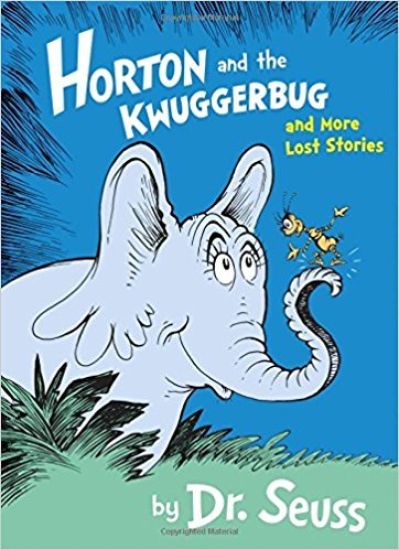
Horton Hears a Who

Horton Hears a Who

Dr. Seuss

Harpercollins Publishers
2012
pokkari
The wonderful Seuss classic now in a beautiful picture book format. Horton the kindly elephant has his work cut out saving the tiny Whos who live on a speck of dust ââ?¬â?? no one else believes they are there! But Horton eventually convinces everyone that, ââ?¬Ë?a personââ?¬â?¢s a person, no matter how smallââ?¬â?¢!
Horton Hears a Who

Horton Hears a Who

Dr. Seuss

HARPERCOLLINS PUBLISHERS
2024
nidottu
Celebrating 70 years of Horton, the kindly elephant determined to save the tiny Whos who live on a speck of dust. Because ‘a person’s a person, no matter how small’! Celebrate 70 years of Horton the elephant in this classic and hilarious tale about friendship and respect, from the inimitable Dr. Seuss. Horton the kindly elephant has his work cut out saving the tiny Whos who live on a speck of dust – no one else believes they are there! But Horton eventually convinces everyone that, “a person’s a person, no matter how small”! By combining the funniest stories, craziest creatures and zaniest pictures with his unique blend of rhyme, rhythm and repetition, Dr. Seuss makes reading fun!
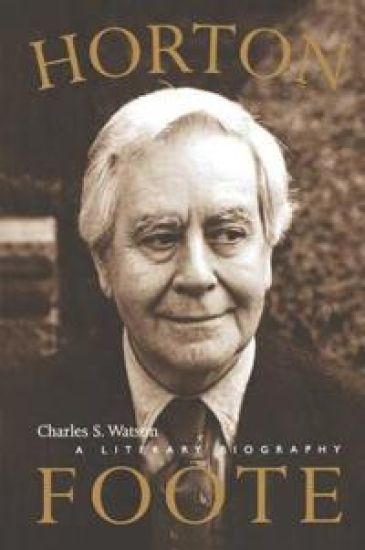
Horton Foote

Horton Foote

Charles S. Watson

University of Texas Press
2003
pokkari
Winner of the Pulitzer Prize for Drama for The Young Man from Atlanta and Academy Awards for the screen adaptation of To Kill a Mockingbird and the original screenplay Tender Mercies, as well as the recipient of an Academy Award nomination for the screenplay of The Trip to Bountiful and the William Inge Lifetime Achievement Award, Horton Foote is one of America's most respected writers for stage and screen. The deep compassion he shows for his characters, the moral vision that infuses his social commentary, and the kindness and humanity that Foote himself radiates have also made him one of our most revered artists-the father-figure who understands our longings for home, for human connections, and for certainty in a world largely bereft of these.This literary biography thoroughly investigates how Horton Foote's life and worldview have shaped his works for stage, television, and film. Tracing the whole trajectory of Foote's career from his small-town Texas upbringing to the present day, Charles Watson demonstrates that Foote has created a fully imagined mythical world from the materials supplied by his own and his family's and friends' lives in Wharton, Texas, in the early twentieth century. Devoting attention to each of Foote's major works in turn, he shows how this world took shape in Foote's writing for the New York stage, Golden Age television, Hollywood films, and in his nine-play masterpiece, The Orphan's Home Cycle. Throughout, Watson's focus on Foote as a master playwright and his extensive use of the dramatist's unpublished correspondence make this literary biography required reading for all who admire the work of Horton Foote.