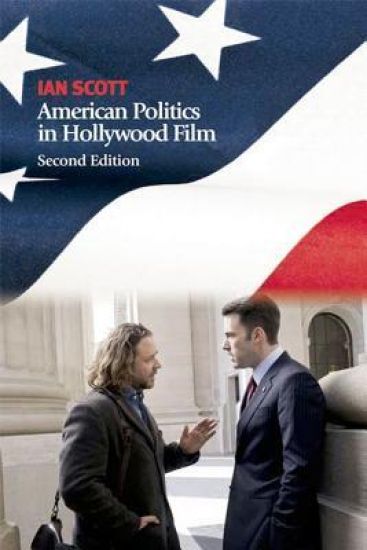
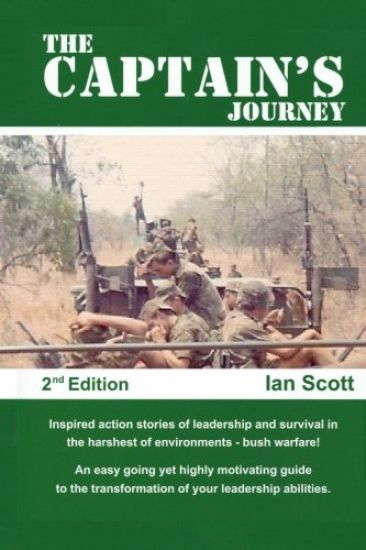
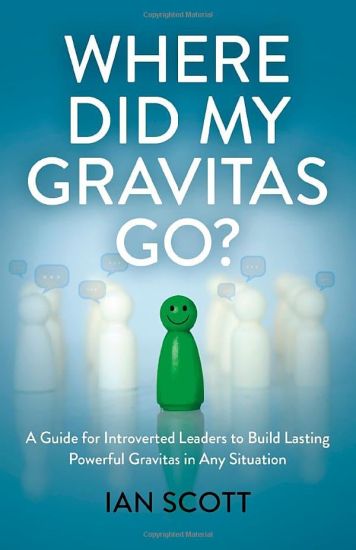
How is the American political landscape represented in cinema? What is the relationship between Hollywood and Washington? From Arnold Schwarzenegger's rise to the Governorship of California through to the drama of the celebrity-fuelled 2008 Presidential election, Hollywood and politics have never been more intimate. This thoroughly updated and revised new edition continues to analyse the theoretical and conceptual relationship of Hollywood to national politics and the way film content and criticism has aligned itself to political culture and debate. Chronicling the evolution of American political cinema from the 1930s, this book explores the genre's symbiotic relationship with the American political culture and history. Through textual analysis of a range of films and television series, Scott provides a critique of current and past developments across several sub-genres, including the bio-pic, the election film and documentary. New for this edition * Analysis of the post-9/11 and Bush era's effect on the American politics and cinema * In-depth discussion of political documentaries, such as Fahrenheit 9/11 and The Fog of War, as well as films from the 2000s, such as Man of the Year and State of Play * Expanded coverage of television series from The West Wing, through to 24 and John Adams
How is the American political landscape represented in cinema? What is the relationship between Hollywood and Washington? From Arnold Schwarzenegger's rise to the Governorship of California through to the drama of the celebrity-fuelled 2008 Presidential election, Hollywood and politics have never been more intimate. This thoroughly updated and revised new edition continues to analyse the theoretical and conceptual relationship of Hollywood to national politics and the way film content and criticism has aligned itself to political culture and debate. Chronicling the evolution of American political cinema from the 1930s, this book explores the genre's symbiotic relationship with the American political culture and history. Through textual analysis of a range of films and television series, Scott provides a critique of current and past developments across several sub-genres, including the bio-pic, the election film and documentary. New for this edition * Analysis of the post-9/11 and Bush era's effect on the American politics and cinema * In-depth discussion of political documentaries, such as Fahrenheit 9/11 and The Fog of War, as well as films from the 2000s, such as Man of the Year and State of Play * Expanded coverage of television series from The West Wing, through to 24 and John Adams
Because screenwriter Robert Riskin spent most of his career collaborating with legendary Hollywood director Frank Capra, Riskin's own unique contributions to film have been largely overshadowed. With five Academy Award nominations to his credit for the monumental films Lady for a Day, Mr. Deeds Goes to Town, You Can't Take It with You, Here Comes the Groom, and It Happened One Night (for which he won the Oscar), Riskin is often imitated but rarely equaled.Capra's Shadow: The Life and Career of Screenwriter Robert Riskin is the first detailed critical examination of the Hollywood pioneer's life and work. In addition to being one of the great screenwriters of the classic Hollywood era, Riskin was also a producer and director, founding his own film company and playing a crucial role in the foundation of the Screen Writers Guild. During World War II, Riskin was one of the major forces behind propaganda filmmaking. He worked in the Office of War Information and oversaw the distribution - and later, production - of films and documentaries in foreign theaters. He was interested in showing the rest of the world more than just an idealized version of America; he looked for films that emphasized the spiritual and cultural vibrancy within the US, making charity, faith, and generosity of spirit his propaganda tools. His efforts also laid the groundwork for a system of distribution channels that would result in the dominance of American cinema in Europe in the postwar years.Author Ian Scott provides a unique perspective on Riskin and the ways in which his brilliant, pithy style was realized in Capra's enduring films in In Capra's Shadow. Riskin's impact on cinema extended far beyond these films as he helped spread Hollywood cinema abroad and articulated his vision of a changing America.
The quality of personal gravitas echoes throughout ancient history, but the elements that make up contemporary gravitas are essential in everyday life. Sadly, many of these elements abandon us when we need them the most. And those who are more introverted find gravitas difficult to recover when under pressure in a predominantly extroverted world. From non-executive directors of financial institutions supporting outrageous risks to politicians misbehaving, from patients afraid to speak up for themselves to managers, coaches, and families in disagreement, there are many times when we need to be a better version of ourselves to feel better and make a difference. The common train of thought - Either you have it or you don't -?isn't so simple. Personal gravitas works at different levels depending on the people and situations you encounter. You can?t fake it because it is a quality that is experienced both externally by others and internally by you. The key to finding your strengths is finding a balance between gravitas?and levitas. This book aims uniquely to teach its readers how to coach themselves by using a team of inner archetypal coaches to find gravitas mentally and somatically so that no one will have to ask, Where did my gravitas go?
Ian W. Scott explores the way of knowing which is assumed by Paul's argumentation in his letters. Paul presumes that a kind of hermeneutical reason plays a central role in religious knowing, once it has been freed from the moral corruption endemic to human beings. His theological knowledge is structured as a story, and ethical reasoning involves "emplotting" human beings within that story. Paul never tries to justify the narrative itself, but his argument in Galatians suggests that this story remains open to change in light of new experiences. Novel events such as the crucifixion or the Galatians' reception of the Spirit, since they are part of the unfolding story, may force a reinterpretation of the prior theological narrative. Paul's narrative reasoning is thus responsive to the world, even though it is not justified in a foundationalist fashion. His implicit epistemology also suggests a model of theological and ethical inquiry in which change and development can be an organic outgrowth of tradition.
An essential resource that outlines the impact of public administration and public policy in Hong Kong. Since the handover of Hong Kong to China in 1997, the often-charged political atmosphere of the region has impacted its public sector, resulting in jurisdictional quandaries and public distrust. In this updated edition of The Public Sector in Hong Kong, Ian Scott explores public sector accountability in terms of Hong Kong's constitutional framework and the structure, functions, and personnel policies of its civil service system. This book examines critical issues facing the administration of the public sector and the formulation and implementation of public policy with particular attention to the political challenges confronting the Hong Kong government over the past decade. This second edition incorporates the latest statistics and research, including Scott's work in integrity management, corruption prevention, and policing, with a concluding chapter that assesses how contested values in a changing political environment have affected the public sector in recent years.
This book analyses central questions in the continuing debate about success factors in corruption prevention and the efficacy and value of anti-corruption agencies (ACAs). How do ACAs become valued within a polity? What challenges must they overcome? What conditions account for their success and failure? What contributions can corruption prevention make to good governance? And in what areas might they have little or no effect on the quality of governance? With these questions in mind, the authors examine the experience of Hong Kong’s Independent Commission Against Corruption (ICAC), widely regarded as one of the few successful examples of an ACA. The book is grounded in an analysis of ICAC documents and surveys, the authors’ survey of social attitudes towards corruption in Hong Kong, and interviews with former officials.
Work-based learning facilitation, mentoring and coaching are all integral to the healthcare professions. Practice Based Learning in Nursing, Health and Social Care promotes effective professional learning in the workplace and helps healthcare professionals to develop, enhance, reflect on and change their practice and perceptions of mentoring, facilitating, and supervision. Aimed at the health and social care practitioner who is involved in facilitating learning, teaching and assessing learners in practice, this essential, comprehensive text explores several key themes, including: The nature of facilitating (coaching, supervision, mentoring) within professional contextsLearning in communities of practiceBecoming an effective facilitator/mentorUnderstand and supporting work-based learningManaging the unusual, such as failing learners or those with special needsGiving and documenting feedbackManaging workloads in busy environmentsProfessional development issues Special features: A clear, accessible guide for new and experienced practice educators/facilitators alikeA comprehensive, applied text for practitioners of all levels of experience in facilitation and supervisionWritten by authors with extensive experience in the fieldUniquely focuses on the professional development of the mentor/facilitator themselvesProvides case studies throughout showing illustrating common issues and how to engage in formal theories of professional practiceMultiprofessional focus - aimed at all health and social care practitioners
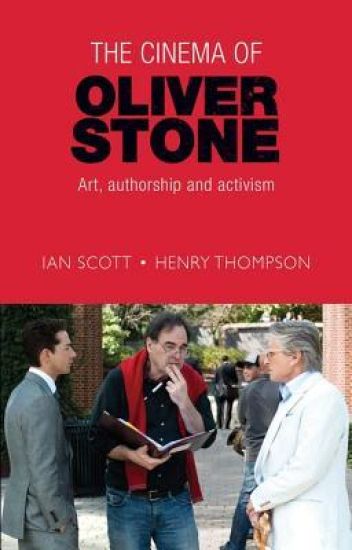
This book analyses the work of Oliver Stone - arguably one of the foremost political filmmakers in Hollywood during the last thirty years. From early productions like Platoon (1986) and Wall Street (1987) to contemporary dramas and documentaries such as World Trade Center (2006), Wall Street: Money Never Sleeps (2010) and The Untold History of the United States (2012) Stone has re-defined political filmmaking in an era when Hollywood and the United States in general has been experiencing rapid and radical change.Drawing on previously unseen production files as well as hours of interviews with the director and his associates within the industry, this book is a thematic exploration of Stone's life and work, charting the development of political and aesthetic changes in his filmmaking. Those changes are mapped onto academic debates about the relationship between film and history as well as wider critiques about Hollywood and the film industry.'A wonderful, bracing book, Scott and Thompson have brought exemplary clarity and thoroughness to the complex and multifaceted career of Oliver Stone. Dividing Stone's work into major themes such as War, Money and Love, the authors provide a focused exploration of the critical intelligence that permeates all of the filmmaker's work - and the political thinking that informs it. Full of insights, this beautifully written book is a major contribution to the literature of film.' Robert Burgoyne, Chair in Film Studies at the University of St Andrews, and author of Film Nation: Hollywood Looks at US History (2010)'Oliver Stone has cast greater light on late-twentieth and early twenty-first century America than any other movie-maker. In this incisive, erudite, and very well conceived volume, Ian Scott and Henry Thompson offer a nuanced and accessible thematic analysis of Stone's cinematic importance and - with the benefit of their numerous interviews with him - his understanding of the United States and its place in the world. Well-written and deeply researched, this fine book is a major contribution to film studies and should also be read by anyone interested in America's recent past and current politics.' Iwan Morgan, Commonwealth Fund Professor of American History, University College London, and author of Reagan: American Icon.An electronic edition of this book is freely available under a Creative Commons (CC BY-NC-ND) licence.
This book analyses central questions in the continuing debate about success factors in corruption prevention and the efficacy and value of anti-corruption agencies (ACAs). How do ACAs become valued within a polity? What challenges must they overcome? What conditions account for their success and failure? What contributions can corruption prevention make to good governance? And in what areas might they have little or no effect on the quality of governance? With these questions in mind, the authors examine the experience of Hong Kong’s Independent Commission Against Corruption (ICAC), widely regarded as one of the few successful examples of an ACA. The book is grounded in an analysis of ICAC documents and surveys, the authors’ survey of social attitudes towards corruption in Hong Kong, and interviews with former officials.
A unique resource for all those interested in the impact of worms on livestock, the anthelmintics used to get rid of them and the emerging problem of anthelmintic resistance. This book provides an over-arching view of past, present and suggested future strategies for control of gastrointestinal nematode parasites in sheep and cattle. The book begins with descriptions of the biology of gastrointestinal nematodes, the harm they cause to the host and their economic impact. The main body of the book deals with the control of worms, focusing on the use of anthelmintic drenches. The relationship between drenching practices and the development of drug resistance is discussed, as well as resistance management. The authors also break new ground by discussing alternative options for worm control, including: nutritional interventions, biological control, breeding for desirable genetics and artificially improving immunity to infection. They also offer useful recommendations for program development.
This book introduces you to the basic rules and principles of statistics and shows you how straightforward statistical tests can be performed and analysed in relation to healthcare. Key features of the text are: -Examples which show how statistics are used in the real world -Exercises to test your understanding and develop your proficiency -A glossary to remind you of key terms. -Additional online material including guides to using Microsoft Excel and SPSS and sample datasets.
This book introduces you to the basic rules and principles of statistics and shows you how straightforward statistical tests can be performed and analysed in relation to healthcare. Key features of the text are: -Examples which show how statistics are used in the real world -Exercises to test your understanding and develop your proficiency -A glossary to remind you of key terms. -Additional online material including guides to using Microsoft Excel and SPSS and sample datasets.
Now, you may already be a happy person (and I hope you are) but there may be ways in which you could be even happier (Yea ). For instance, you may be quite content with your social life, having a lot of friends and doing lots of things with them (pat yourself on the back, but don't hurt yourself doing so) however, you may not be so thrilled with your ability to handle some of your emotions. Well, you've come to the right book, because I'm going to show you how to further develop some areas of your life that will help you become a happier person (you don't have to thank me, just smiling more often will be enough). I've hand-picked 12 topics -plus one bonus suggestion- in which I give my soundest, most educated advice based on my many years of schooling, working in the social work field, and the experiences of my loooooooonnnnnnnnnggggggg life. The subjects herein contained for your utmost happiness improvement are: 1. Imagination 2. Creativity 3. Interests 4. Friends 5. Playing 6. Patience 7. Cleanliness 8. Attitude 9. Forgiveness 10. Kindness 11. Jesus 12. Evangelize 13. Praying If some of these topics sound a little stuffy to you, give them a chance anyway; I've done my best to make them fun to read. No, seriously, I did.