

Kirjahaku
Etsi kirjoja tekijän nimen, kirjan nimen tai ISBN:n perusteella.
300 tulosta hakusanalla Indrek Silver Einberg
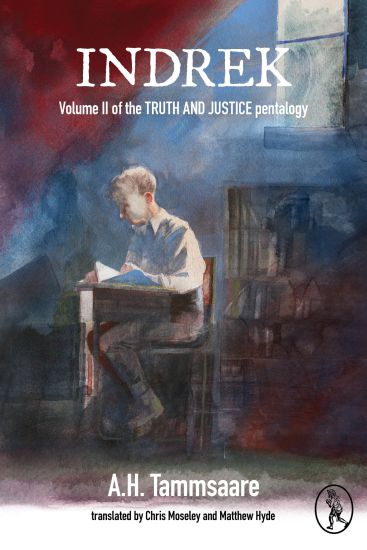
This second volume of A.H. Tammsaare's monumental pentalogy portrays the education of Indrek who emerges here as the protagonist and will remain so throughout the next three volumes. This is a story of moving to the polyglot city and abandoning the countryside which at that time was the heartland of the Estonian language. This new environment is a vortex of prejudices and national rivalries nevertheless held together in practice by a strange and very human tolerance. Here Tammsaare writes with his trademark wit and deep understanding of human nature, and we find ourselves in the company of a vast gallery of larger-than-life characters who jostle, scheme and argue over both trivialities and the great issues of the human condition. They may do the latter out of their own intellectual narcissism or simply for the joy of debate, but the ensuing dialogues rival those of the great Russian novelists. The boarding school is as dysfunctional as any Dickensian one, but it is a great deal more benevolent. Russians, Germans, Poles, Latvians and Caucasians mix with the Estonian majority, speaking in a mix of Russian, German and Estonian, and somehow compromises are nearly always arrived at in spite of, or possibly because of some extraordinary theatrics, in which Mr Maurus must outperform not only all the other characters in the book but very probably all other celebrated headmasters created by European literature over the centuries. Indrek not only has to come to terms with this world so utterly unsuited to his shy and innocent rural upbringing, but he also has to deal with his first encounters with love and death.
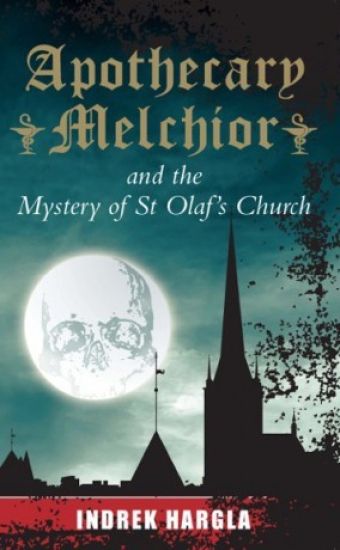
Apothecary Melchior and the Mystery of St Olaf's Church
Indrek Hargla
Peter Owen Publishers
2015
nidottu
The 'Apothecary Melchior' series plunges the reader into fifteenth-century Tallinnwhen Estonia is at the edge of Christian lands and the last foothold before the East:a town of foreign merchants and engineers, dominated by the mighty castle ofToompea and the construction of St Olaf's Church, soon to become the tallestbuilding in the world . . .Apothecary Melchior is a divisive figure in the town: respected for his arcaneknowledge and scientific curiosity but also slightly feared for his mystical witchdoctoraura. When a mysterious murder occurs in the castle, Melchior is called in tohelp find the killer and reveals a talent for detection.

Apothecary Melchior and the Ghost of Rataskaevu Street
Indrek Hargla
Peter Owen Publishers
2016
nidottu
Tallinn 1419. Three locals dead within hours of each other. The denizens of medieval Tallinn blame a ghost. But apothecary Melchior Wakenstede uncovers a corporeal truth to the murders, embroiling him in a power struggle of Tallinn's religious orders, guilds and Teutonic Knights. Book two in the pan-European best-selling Apothecary Melchior series.
Academic success requires talent (ability), which is not equally distributed among students. Almost all American undergraduates hail from K–12 public schools, based on the theory that everyone is academically educable. This has led to the one-size-fits-all system, which has underserved the less academically inclined students, a majority of the K-12 population. The theory that every student is academically educable, an unverified axiom of the current K-12 educational paradigm, has not been subjected to serious scrutiny. Consequently, little progress has been made toward curricular revision except tweaks of the existing system, currently the world’s most expensive. However testing, classroom performance, teacher assessment, advances in human biology and, most importantly, family and community experience, suggest that it is possible to determine who is suited for an academic or a technical education. Once that hurdle is crossed, the question of how to best educate/train/prepare America’s non-academic youth can be thoughtfully, practically and compassionately addressed.
Academic success requires talent (ability), which is not equally distributed among students. Almost all American undergraduates hail from K–12 public schools, based on the theory that everyone is academically educable. This has led to the one-size-fits-all system, which has underserved the less academically inclined students, a majority of the K-12 population. The theory that every student is academically educable, an unverified axiom of the current K-12 educational paradigm, has not been subjected to serious scrutiny. Consequently, little progress has been made toward curricular revision except tweaks of the existing system, currently the world’s most expensive. However testing, classroom performance, teacher assessment, advances in human biology and, most importantly, family and community experience, suggest that it is possible to determine who is suited for an academic or a technical education. Once that hurdle is crossed, the question of how to best educate/train/prepare America’s non-academic youth can be thoughtfully, practically and compassionately addressed.

Against skeptics, Männiste argues that Miller does indeed have a philosophy of his own, which underpins most of his texts. It is demonstrated that this philosophy, as a metaphysical sense of life, forms a system the understanding of which is necessary to adequately explain even some of the most basic of Miller's ideas. Building upon his notion of the inhuman artist, Miller's philosophical foundation is revealed through his literary attacks against the metaphysical design of the modern age. It is argued that, by repudiating some of the most potent elements of late modernity such as history, modern technology and an aesthetisized view of art, Miller paves the way for overcoming Western metaphysics. Finally it is showed that, philosophically, this aim is governed by Miller's idiosyncratic concept of art, in which one is led towards self-liberation through transcending the modern society and its dehumanizing pursuits.
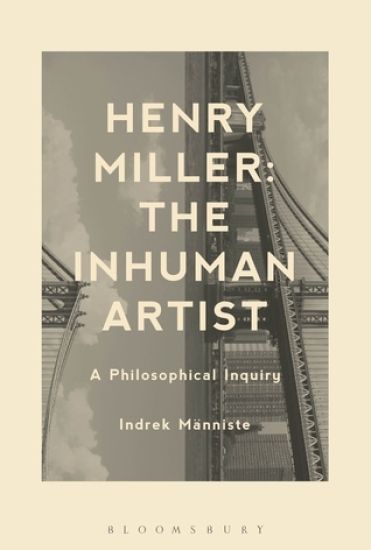
Against skeptics, Männiste argues that Miller does indeed have a philosophy of his own, which underpins most of his texts. It is demonstrated that this philosophy, as a metaphysical sense of life, forms a system the understanding of which is necessary to adequately explain even some of the most basic of Miller's ideas. Building upon his notion of the inhuman artist, Miller's philosophical foundation is revealed through his literary attacks against the metaphysical design of the modern age. It is argued that, by repudiating some of the most potent elements of late modernity such as history, modern technology and an aesthetisized view of art, Miller paves the way for overcoming Western metaphysics. Finally it is showed that, philosophically, this aim is governed by Miller's idiosyncratic concept of art, in which one is led towards self-liberation through transcending the modern society and its dehumanizing pursuits.
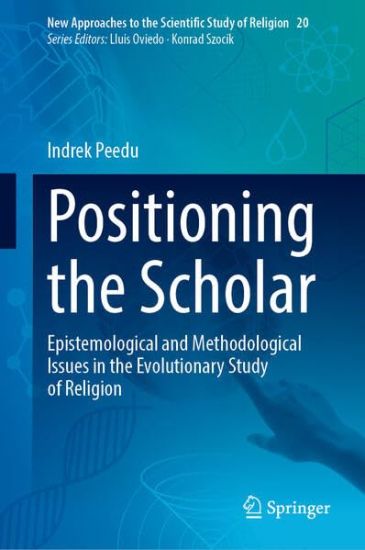
This book presents a systematic study of the issue of positioning in the scientific study of religion. The book discusses the wider context of positioning in the study of religion, highlights the epistemological and methodological presumptions as well as the implicit goals in play in the cognitive and evolutionary approaches. Particular focus is on the contemporary evolutionary, cognitive and behavioral study of religion and the issues of positioning in the context of these research approaches. Based on this it presents an in-depth analysis of the prevalent conceptualizations of the position of the scholar in the study of religion: methodological naturalism, methodological agnosticism, neutrality and the dialogical position. Furthermore, for the first time the relevance of both evolutionary epistemology and the underdetermination of scientific research is shown for the purposes of a full evaluation of the justifiability of particular epistemological arguments. Finally, directions forward in discussing and conceptualizing the position of the scholar in the study of religion are suggested. The book is expected to be of relevance and interest for scholars of religion interested in method and theory in the study of religion, evolutionary and cognitive study of religion and other related fields.

High-Voltage Igbt Based Converters for Rolling Stock
Indrek Roasto; Tanel Jalakas; Dmitri Vinnikov
LAP Lambert Academic Publishing
2011
pokkari


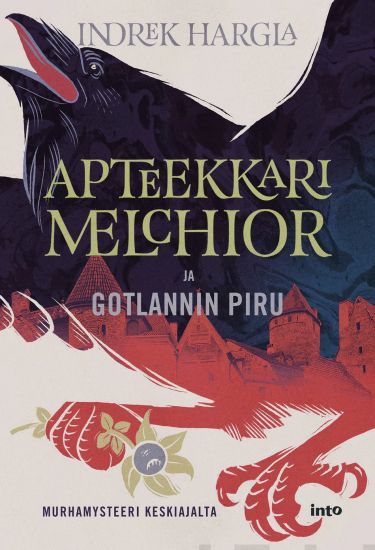
Tallinna vuonna 1433. Kaupunki on juuri tuhoutunut suuressa palossa.Apteekkari Melchior saa kirjeessä salaperäisen varoituksen: Gotlannin piru on tullut Tallinnaan ja uhkaa hänen henkeään. Samaan aikaan hänen ovelleen saapuu kauppias henkitoreissaan pyytämään ratkaisua vanhaan verityöhön. Kuolevan viimeinen toive on pyhä, joten Melchior käy toimeen, vaikka ei tiedä kuka on tappanut kenet ja milloin. Hänen ainoa johtolankansa on kuusi hopeaista solkea, jotka johdattavat hänet piispan palatsiin Tartossa. Mitä tapahtuu, kun Melchior saa kuulla hänen poikansa liittyneen salamurhaajien veljeskuntaan? Melchior raottaa ikivanhan hiljaisuuden verhoa, kieroutuneet synnit paljastuvat ja pahuus pääsee valloilleen.Kauppiaiden, munkkien ja konnien vanhaan Tallinnaan sijoittuva rikosromaani vie lukijansa keskiajan pimeälle puolelle.
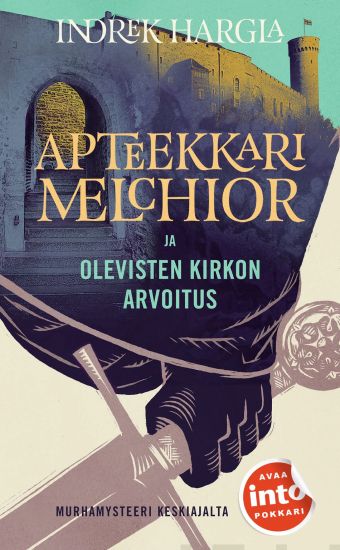
Apteekkari Melchior -sarja sijoittuu 1400-luvun Tallinnaan. Vielä rakenteilla olevan kaupungin siluettia hallitsee Toompean linnoitus. Saksalainen ritarikunta on juuri karkottanut ryöstelevät vitaaliveljet Itämereltä, ja kasvavassa kaupungissa vilisee kauppiaita, sotilaita, kirkonrakentajia, dominikaanimunkkeja ja maallikkoveljiä, raatimiehiä ja maankiertäjiä.Tarina alkaa, kun korkea-arvoinen saksalaisritari murhataan Toompealla. Uhrin pää on leikattu irti ruumiista, ja suusta löytyy gotlantilainen kolikko. Murhaaja ei tyydy yhteen uhriin vaan jatkaa hirmutöitään pitäen koko kaupunkia kauhun vallassa. Pian nuori ja nokkela apteekkari Melchior pyydetään voudin avuksi selvittämään tapausta. Arvoitusten labyrintti johtaa Melchiorin muinaisten balttilaislegendojen ja vitaaliveljien salaisuuksiin. Mysteerin polttopisteessä on rakenteilla oleva Olevisten eli Pyhän Olavin kirkko.Hargla pitää jännityksen yllä loppuun saakka: tarinan odottamaton loppuratkaisu avautuu vasta viimeisillä sivuilla, jossa Melchior vihdoin paljastaa syyllisen. Kirjailija Indrek Hargla (salanimi) on Viron tunnetuin scifi- ja fantasiakirjailija. Olevisten kirkon arvoitus on hänen ensimmäinen historiallinen rikosromaaninsa.

Tallinna vuonna 1419. Kolme ihmistä on nähnyt Rataskaivonkadulla aaveen - ja heidät on pian sen jälkeen löydetty surmattuina. Mikä yhteys näillä kolmella on samalla kadulla sijaitsevaan taloon, jossa kuuluu kummittelevan vuosikymmenten takaisten hirmutekojen tähden?Kun pahamaineisen Unterrainerin talon edestä löytyy tuntemattoman kulkurin silvottu ruumis, alkaa apteekkari Melchior selvittää, mitä talossa oikein on tapahtunut ja miksi näyttää siltä kuin menneisyyden haamut haluaisivat kostaa kärsimyksensä eläville ihmisille. Melchiorin tie käy Piritan luostarin ja ilotalon kautta vanhan virolaisen noitasuvun jälkeläisten luo ennen kuin hän kohtaa Rataskaivonkadun kummituksen silmästä silmään.Rataskaivonkadun kummitus on toinen osa Indrek Harglan keskiaikaiseen Tallinnaan sijoittuvassa apteekkari Melchiorista kertovassa sarjassa.

Tallinna vuonna 1422. Kaupungin pyövelin tytär joutuu markkinoiden aikaan julman tapon todistajaksi. Syyllinen pakenee ja ruumis katoaa. Sitten Hirsipuunmäeltä löytyy pahoinpidelty ja muistinsa menettänyt nuori mies. Ainoa vihje nuorukaisen henkilöllisyydestä on revitty kirje, joka varoittaa tappajasta. Mutta kenen henki on vaarassa? Apteekkari Melchior Wakenstede ryhtyy ratkaisemaan mysteeriä. Sillä välin murhaaja iskee kaupunginmuurien sisäpuolella...Historiallinen dekkari vie lukijansa vanhaan Tallinnaan ja keskiajan pimeälle puolelle. Pyövelin tytär on suositun sarjan kolmas mysteeri.

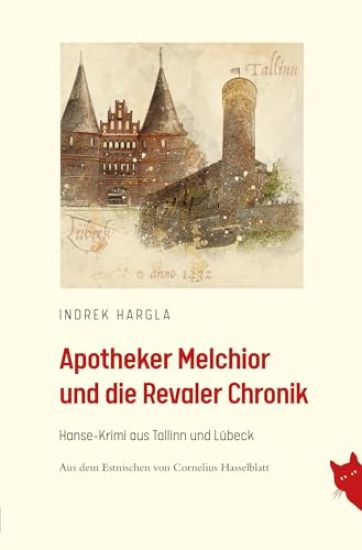
Tallinna vuonna 1433. Kaupunki on juuri tuhoutunut suuressa palossa.Apteekkari Melchior saa kirjeessä salaperäisen varoituksen: Gotlannin piru on tullut Tallinnaan ja uhkaa hänen henkeään. Samaan aikaan hänen ovelleen saapuu kauppias henkitoreissaan pyytämään ratkaisua vanhaan verityöhön. Kuolevan viimeinen toive on pyhä, joten Melchior käy toimeen, vaikka ei tiedä kuka on tappanut kenet ja milloin. Hänen ainoa johtolankansa on kuusi hopeaista solkea, jotka johdattavat hänet piispan palatsiin Tartossa. Mitä tapahtuu, kun Melchior saa kuulla hänen poikansa liittyneen salamurhaajien veljeskuntaan? Melchior raottaa ikivanhan hiljaisuuden verhoa, kieroutuneet synnit paljastuvat ja pahuus pääsee valloilleen.Kauppiaiden, munkkien ja konnien vanhaan Tallinnaan sijoittuva rikosromaani vie lukijansa keskiajan pimeälle puolelle.
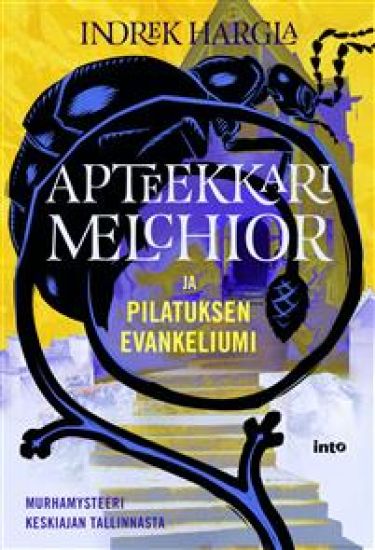
Tallinna syksyllä vuonna 1433. Aatelismies ja vasalli Hunold Metsentaken ottaa yhteyttä apteekkari Melchioriin ja pyytää apua. Syytön mies - hänen poikansa - on pelastettava teloitukselta, ja kahden aatelissuvun verikoston kierre on katkaistava. Melchiorin on muutettava Toompealle mahtavan ritarin Detmar von Wenthusenin taloon, jossa on hiljattain murhattu nuori aatelismies julmalla tavalla. Metsentaken uskoo, että oikea syyllinen elää yhä vapaana Wenthusenin talon kunnianarvoisena asukkaana.Tehtävä on vaarallinen, mutta Melchior ottaa sen vastaan. Hän huomaa pian, että Wenthusenin taloon kätkeytyy paljon salaisuuksia, joista yksi voi liittyä Pilatuksen evankeliumina tunnettuun pahamaineiseen ja himoittuun kirjaan. Rikosta selvittäessään hän ajautuu keskelle ritarikuntien keskinäisiä riitoja, joissa kilpaillaan koko maailman herruudesta.Samaan aikaan Lyypekissä ja Hampurissa Melchiorin poika saa selville Wakenstedein suvun kirouksen arvoituksen ja pääsee salaperäisen alkemistin Benedictus Bremerin oppilaaksi.Aatelisten, munkkien ja konnien vanhaan Tallinnaan sijoittuva rikosromaanisarja vie lukijansa keskiajan pimeälle puolelle.Indrek Hargla (s. 1970) on virolaisen dekkari- ja fantasiakirjallisuuden suurimpia nimiä. Rikkaan mielikuvituksensa vuoksi ihailtu kirjailija on saanut kotimaassaan useita kirjallisuuspalkintoja, ja myös Suomen Dekkariseura ry on myöntänyt hänelle ulkomaisen jännityskirjallisuuden kunniakirjan. Pilatuksen evankeliumi on apteekkari Melchiorista kertovan historiallisen dekkarisarjan itsenäinen seitsemäs osa. Kirjasarjaan pohjautuvan elokuvatrilogian ensimmäinen osa ilmestyy syksyllä 2021.

Viron luonto on harvinaisen monimuotoista. Maiseman syntyvaiheita saattaakin joskus ihmetellä, vaikkapa kun seisoo jossakin pohjoisrannikon kalliojyrkänteellä - tai katselee jääkauden kyntämiä harju- ja moreenimaastoja. Saarenmaan kallioilla voi puolestaan tutkiskella miljoonia vuosia vanhoja fossiileja. Maan eteläosassa Haanjamaalla saa vaeltaa kanjonissa. Piusan, Ahjan ja Vohandun jokien rannoilla pääsee ihailemaan mahtavia hiekkakivitörmiä, joille Ahjassa on annettu kaunis nimi - taivashovi. Viron luonnonrikkauksiin kuuluvat tietysti myös lukuisat suot. Rämeiden rauhassa aika tuntuu seisahtuneen: rahkasammal on ehtinyt muodostaa paksuja turvepatjoja, joissa lammet ja rimmet välkehtivät. Niittyjen lajirunsaus on maailman huippua, mutta myös metsissä elää hämmästyttävän rikas eläin- ja kasvilajisto. Viro on kaunis maa - ja tuon kauneuden takana on ennen kaikkea sen ainutlaatuinen luonto.