Kirjojen hintavertailu. Mukana 12 389 284 kirjaa ja 12 kauppaa.

Kirjahaku

Etsi kirjoja tekijän nimen, kirjan nimen tai ISBN:n perusteella.

1000 tulosta hakusanalla J. Stanley McCluskey

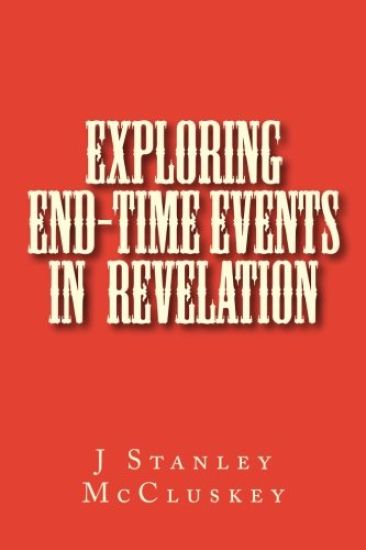
Exploring End-time Events in the Revelation of Jesus Christ

Exploring End-time Events in the Revelation of Jesus Christ

J. Stanley McCluskey

Createspace Independent Publishing Platform
2014
nidottu
The Revelation of Jesus Christ prophecy discussed here is very much for the times in which we live. Additional information is give here about other end-time Bible prophecies-and especially those recorded by Daniel. We will find greater details about such things as the Investigative Judgment in heaven and related events that tell us when that investigation will include the living, as probationary time is coming to a close. These very difficult testing times may have already begun for all the living; and we do not need to be in the dark about it. 1Thessalonians 5:1-8. The helps given here are for the average person to read and compare directly with what the Bible says. We will use only Bible approved methods of study and avoid complex terms to help us all understand this important prophecy for our times. Jesus, the angel, and John all call this just one prophecy. Revelation 1:3; 22:10, 18, 19. So it will help to remember that in studying it. It's important to understand what the Bible says about final events-as will be described here-but it's even more important to be preparing now in order to stand firmly for the right through it all. And Jesus said we must give God and His instructions our highest priority. Matthew 6:24.
The House of the Wolf .( NEW EDITION ) By: Stanley J. Weyman

The House of the Wolf .( NEW EDITION ) By: Stanley J. Weyman

Stanley J. Weyman

Createspace Independent Publishing Platform
2016
nidottu
Stanley John Weyman (7 August 1855 - 10 April 1928) was an English novelist sometimes referred to as the "Prince of Romance". Weyman (pronounced "why-man") was born at Ludlow, Shropshire. The second son of a solicitor, he was educated at Shrewsbury School, and at Christ Church, Oxford. He took his degree in modern history in 1877, and was called to the bar at the Inner Temple in 1881, joining the Oxford circuit. He practised as a barrister for eight years until, in 1889, he wrote his first novel entitled The House of the Wolf. This was followed over the following two decades by the novels which were to make his reputation, among them historical romances set amidst the turmoil of 16th and 17th century France. (His entire output is discussed in the annotated bibliography included in the external links below.) He became a great traveller, sometimes in company with his fellow bestselling novelist Henry Seton Merriman. While for years his historical romances enchanted thousands of readers - Robert Louis Stevenson and Oscar Wilde were among the enthusiasts - but today his books are largely neglected.
Under the Red Robe (1894) ( historical NOVEL ) by: Stanley J. Weyman

Under the Red Robe (1894) ( historical NOVEL ) by: Stanley J. Weyman

Stanley J. Weyman

Createspace Independent Publishing Platform
2016
nidottu
Under the Red Robe is an 1894 historical novel by Stanley J. Weyman, described as his best known book and greatest success.It is set in seventeenth-century France during the ascendency of Cardinal Richelieu, who appears as a character in the novel. In particular it portrays the events of the Day of the Dupes. The novel was adapted into a 1923 American silent film Under the Red Robe directed by Alan Crosland, and was later made into a 1937 British swashbuckler film, Under the Red Robe, directed by Victor Sj str m. The novel was well received by contemporary historical novelists. Conan Doyle wrote that Under the Red Robe had "the most dramatic opening of any historical novel I know," and Robert Louis Stevenson commented favourably both on the first chapter and on the surprise which the author keeps to the very end. Siegfried Sassoon in his autobiography described his excitement as a schoolboy on first reading a copy. 4] Half a century after its publication, Roger Lancelyn Green characterized the novel as having no dull moment.
The Story of Francis Cludde (1891) By: Stanley J. Weyman

The Story of Francis Cludde (1891) By: Stanley J. Weyman

Stanley J. Weyman

Createspace Independent Publishing Platform
2016
nidottu
Stanley John Weyman (7 August 1855 - 10 April 1928) was an English novelist sometimes referred to as the "Prince of Romance". Weyman (pronounced "why-man") was born at Ludlow, Shropshire. The second son of a solicitor, he was educated at Shrewsbury School, and at Christ Church, Oxford. He took his degree in modern history in 1877, and was called to the bar at the Inner Temple in 1881, joining the Oxford circuit. He practised as a barrister for eight years until, in 1889, he wrote his first novel entitled The House of the Wolf. This was followed over the following two decades by the novels which were to make his reputation, among them historical romances set amidst the turmoil of 16th and 17th century France. (His entire output is discussed in the annotated bibliography included in the external links below.) He became a great traveller, sometimes in company with his fellow bestselling novelist Henry Seton Merriman. While for years his historical romances enchanted thousands of readers - Robert Louis Stevenson and Oscar Wilde were among the enthusiasts - but today his books are largely neglected.
The New Rector (1891) By: Stanley J. Weyman (Original Classics)

The New Rector (1891) By: Stanley J. Weyman (Original Classics)

Stanley J. Weyman

Createspace Independent Publishing Platform
2016
nidottu
Stanley John Weyman (7 August 1855 - 10 April 1928) was an English novelist sometimes referred to as the "Prince of Romance". Weyman (pronounced "why-man") was born at Ludlow, Shropshire. The second son of a solicitor, he was educated at Shrewsbury School, and at Christ Church, Oxford. He took his degree in modern history in 1877, and was called to the bar at the Inner Temple in 1881, joining the Oxford circuit. He practised as a barrister for eight years until, in 1889, he wrote his first novel entitled The House of the Wolf. This was followed over the following two decades by the novels which were to make his reputation, among them historical romances set amidst the turmoil of 16th and 17th century France. (His entire output is discussed in the annotated bibliography included in the external links below.) He became a great traveller, sometimes in company with his fellow bestselling novelist Henry Seton Merriman. While for years his historical romances enchanted thousands of readers - Robert Louis Stevenson and Oscar Wilde were among the enthusiasts - but today his books are largely neglected.
A Gentleman of France (1893) By: Stanley J. Weyman (World's Classics)

A Gentleman of France (1893) By: Stanley J. Weyman (World's Classics)

Stanley J. Weyman

Createspace Independent Publishing Platform
2016
nidottu
Stanley John Weyman (7 August 1855 - 10 April 1928) was an English novelist sometimes referred to as the "Prince of Romance". Weyman (pronounced "why-man") was born at Ludlow, Shropshire. The second son of a solicitor, he was educated at Shrewsbury School, and at Christ Church, Oxford. He took his degree in modern history in 1877, and was called to the bar at the Inner Temple in 1881, joining the Oxford circuit. He practised as a barrister for eight years until, in 1889, he wrote his first novel entitled The House of the Wolf. This was followed over the following two decades by the novels which were to make his reputation, among them historical romances set amidst the turmoil of 16th and 17th century France. (His entire output is discussed in the annotated bibliography included in the external links below.) He became a great traveller, sometimes in company with his fellow bestselling novelist Henry Seton Merriman. While for years his historical romances enchanted thousands of readers - Robert Louis Stevenson and Oscar Wilde were among the enthusiasts - but today his books are largely neglected.
My Lady Rotha (1894) By: Stanley J. Weyman (Original Classics)

My Lady Rotha (1894) By: Stanley J. Weyman (Original Classics)

Stanley J. Weyman

Createspace Independent Publishing Platform
2016
nidottu
Stanley John Weyman (7 August 1855 - 10 April 1928) was an English novelist sometimes referred to as the "Prince of Romance". Weyman (pronounced "why-man") was born at Ludlow, Shropshire. The second son of a solicitor, he was educated at Shrewsbury School, and at Christ Church, Oxford. He took his degree in modern history in 1877, and was called to the bar at the Inner Temple in 1881, joining the Oxford circuit. He practised as a barrister for eight years until, in 1889, he wrote his first novel entitled The House of the Wolf. This was followed over the following two decades by the novels which were to make his reputation, among them historical romances set amidst the turmoil of 16th and 17th century France. (His entire output is discussed in the annotated bibliography included in the external links below.) He became a great traveller, sometimes in company with his fellow bestselling novelist Henry Seton Merriman. While for years his historical romances enchanted thousands of readers - Robert Louis Stevenson and Oscar Wilde were among the enthusiasts - but today his books are largely neglected.
Chippinge Borough. (1906) By: Stanley J. Weyman (World's Classics)

Chippinge Borough. (1906) By: Stanley J. Weyman (World's Classics)

Stanley J. Weyman

Createspace Independent Publishing Platform
2016
nidottu
Stanley John Weyman (7 August 1855 - 10 April 1928) was an English novelist sometimes referred to as the "Prince of Romance".Weyman (pronounced "why-man") was born at Ludlow, Shropshire. The second son of a solicitor, he was educated at Shrewsbury School, and at Christ Church, Oxford. He took his degree in modern history in 1877, and was called to the bar at the Inner Temple in 1881, joining the Oxford circuit. He practised as a barrister for eight years until, in 1889, he wrote his first novel entitled The House of the Wolf. This was followed over the following two decades by the novels which were to make his reputation, among them historical romances set amidst the turmoil of 16th and 17th century France. (His entire output is discussed in the annotated bibliography included in the external links below.) He became a great traveller, sometimes in company with his fellow bestselling novelist Henry Seton Merriman. While for years his historical romances enchanted thousands of readers - Robert Louis Stevenson and Oscar Wilde were among the enthusiasts - but today his books are largely neglected. Graham Greene was a great admirer of Weyman, whom he mentions several times in his Collected Essays. In a BBC interview in 1970, Greene said, "I made a collection once of what I called the key books in my life, which included Anthony Hope, Rider Haggard, Captain Gilson, ... and I do occasionally re-read them. Stanley Weyman in particular
The Great House (1919) By: Stanley J. Weyman (World's Classics)

The Great House (1919) By: Stanley J. Weyman (World's Classics)

Stanley J. Weyman

Createspace Independent Publishing Platform
2016
nidottu
Stanley John Weyman (7 August 1855 - 10 April 1928) was an English novelist sometimes referred to as the "Prince of Romance".Weyman (pronounced "why-man") was born at Ludlow, Shropshire. The second son of a solicitor, he was educated at Shrewsbury School, and at Christ Church, Oxford. He took his degree in modern history in 1877, and was called to the bar at the Inner Temple in 1881, joining the Oxford circuit. He practised as a barrister for eight years until, in 1889, he wrote his first novel entitled The House of the Wolf. This was followed over the following two decades by the novels which were to make his reputation, among them historical romances set amidst the turmoil of 16th and 17th century France. (His entire output is discussed in the annotated bibliography included in the external links below.) He became a great traveller, sometimes in company with his fellow bestselling novelist Henry Seton Merriman. While for years his historical romances enchanted thousands of readers - Robert Louis Stevenson and Oscar Wilde were among the enthusiasts - but today his books are largely neglected. Graham Greene was a great admirer of Weyman, whom he mentions several times in his Collected Essays. In a BBC interview in 1970, Greene said, "I made a collection once of what I called the key books in my life, which included Anthony Hope, Rider Haggard, Captain Gilson, ... and I do occasionally re-read them. Stanley Weyman in particular
When love calls. By: Stanley J. Weyman (World's Classics)

When love calls. By: Stanley J. Weyman (World's Classics)

Stanley J. Weyman

Createspace Independent Publishing Platform
2016
nidottu
Stanley John Weyman (7 August 1855 - 10 April 1928) was an English novelist sometimes referred to as the "Prince of Romance". He travelled widely with another bestselling novelist, Henry Seton Merriman.Weyman (pronounced "why-man") was born at Ludlow, Shropshire. The second son of a solicitor, he was educated at Shrewsbury School, and at Christ Church, Oxford. He took his degree in modern history in 1877, and was called to the bar at the Inner Temple in 1881, joining the Oxford circuit. He practised as a barrister for eight years until, in 1889, he wrote his first novel entitled The House of the Wolf. This was followed over the following two decades by the novels which were to make his reputation, among them historical romances set amidst the turmoil of 16th and 17th century France. (His entire output is discussed in the annotated bibliography included in the external links below.) He became a great traveller, sometimes in company with his fellow bestselling novelist Henry Seton Merriman.
Under the Red Robe (1894), by Stanley J. Weyman (original version)illustrated: (a novel concerning Cardinal Richelieu and the Day of Dupes)
Under the Red Robe is an 1894 historical novel by Stanley J. Weyman, described as his best known book and greatest success.It is set in seventeenth-century France during the ascendency of Cardinal Richelieu, who appears as a character in the novel. In particular it portrays the events of the Day of the Dupes. The novel was adapted into a 1923 American silent film Under the Red Robe directed by Alan Crosland, 2] and was later made into a 1937 British swashbuckler film, Under the Red Robe, directed by Victor Sj str m. The novel was well received by contemporary historical novelists. Conan Doyle wrote that Under the Red Robe had "the most dramatic opening of any historical novel I know", and Robert Louis Stevenson commented favourably both on the first chapter and on the surprise which the author keeps to the very end. Siegfried Sassoon in his autobiography described his excitement as a schoolboy on first reading a copy. Half a century after its publication, Roger Lancelyn Green characterized the novel as having no dull moment. Stanley John Weyman (7 August 1855 - 10 April 1928) was an English novelist sometimes referred to as the "Prince of Romance".Weyman (pronounced "why-man") was born at Ludlow, Shropshire. The second son of a solicitor, he was educated at Shrewsbury School, and at Christ Church, Oxford. He took his degree in modern history in 1877, and was called to the bar at the Inner Temple in 1881, joining the Oxford circuit. He practised as a barrister for eight years until, in 1889, he wrote his first novel entitled The House of the Wolf. This was followed over the following two decades by the novels which were to make his reputation, among them historical romances set amidst the turmoil of 16th and 17th century France. (His entire output is discussed in the annotated bibliography included in the external links below.) He became a great traveller, sometimes in company with his fellow bestselling novelist Henry Seton Merriman. While for years his historical romances enchanted thousands of readers - Robert Louis Stevenson and Oscar Wilde were among the enthusiasts - but today his books are largely neglected. Graham Greene was a great admirer of Weyman, whom he mentions several times in his Collected Essays. In a BBC interview in 1970, Greene said, "I made a collection once of what I called the key books in my life, which included Anthony Hope, Rider Haggard, Captain Gilson, ... and I do occasionally re-read them. Stanley Weyman in particular.