An umbrella is opened indoors. A black cat crosses your path. Three cigarettes are lit from one match.These are omens of bad luck that no one takes seriously. But at Van Buren University when these, and other superstitions, are broken... students die.Sophomore Jerry Williams' hard-hitting reporting has won awards for Van Buren's school newspaper. But when he connects a series of campus deaths to bad luck, his editor questions Jerry's judgment, kills the story, and suspends him from the paper. But the superstition-related havoc continues, and Darla, Jerry's new girlfriend, barely escapes with her life.When Jerry digs deeper into the mystery and publishes his findings in the school's alternative newspaper, the university administration threatens him with suspension for causing a panic. But Jerry's reporting instincts won't let him stop. With his friends and everyone else on campus at risk, it's not like Jerry has much of a choice.As Friday the 13th approaches, Jerry fears a catastrophe. He must uncover who-or what-is behind these bad luck deaths and determine how to stop it.
An umbrella is opened indoors. A black cat crosses your path. Three cigarettes are lit from one match.These are omens of bad luck that no one takes seriously. But at Van Buren University when these, and other superstitions, are broken... students die.Sophomore Jerry Williams' hard-hitting reporting has won awards for Van Buren's school newspaper. But when he connects a series of campus deaths to bad luck, his editor questions Jerry's judgment, kills the story, and suspends him from the paper. But the superstition-related havoc continues, and Darla, Jerry's new girlfriend, barely escapes with her life.When Jerry digs deeper into the mystery and publishes his findings in the school's alternative newspaper, the university administration threatens him with suspension for causing a panic. But Jerry's reporting instincts won't let him stop. With his friends and everyone else on campus at risk, it's not like Jerry has much of a choice.As Friday the 13th approaches, Jerry fears a catastrophe. He must uncover who-or what-is behind these bad luck deaths and determine how to stop it.
"Un viaggio artistico nel crimine - emozionante e originale" Julia Blake una restauratrice che si occupa di arte classica. La sua specialit quella di indagare sotto la superficie dei dipinti per scoprire cosa nascondono. Lei sicura che un buon numero di preziosi dipinti mancanti, ritenuti 'perduti o distrutti', siano in realt stati sovradipinti con un altro lavoro, come metodo per nasconderli. A tale proposito, Julia ha rintracciato a Firenze una collezione di dipinti che sembra molto interessante ed andata in questa citt per cercare di scoprire un capolavoro nascosto e affermarsi nel mondo dell'arte. La verit celata inizia quando James Blake, il marito di Julia, rientra nella loro casa a Londra e scopre che lei stata uccisa. Che cosa l'aveva riportata a Londra senza preavviso? Perch qualcuno ha commesso questo sconvolgente crimine? Blake deciso a trovare i suoi assassini ma ha poco a cui aggrapparsi. Solo l'ultimo messaggio che Julia gli ha inviato dal suo telefono cellulare: 'Aiutami' con un allegato che mostra il dipinto di Michelangelo 'Leda e il cigno'. Come primo sospettato del delitto, James fugge dall'Inghilterra e si trova a percorrere una strada lastricata di inganni e pericoli attraverso i paesaggi mozzafiato di Venezia e Firenze in un mondo sommerso fatto di crimine, cospirazione e corruzione. Un percorso che lo porter a scoprire l'assassino e la shockante verit celata dietro il mistero. D&R con Seb Kirby D: Perch ha voluto scrivere di una persona comune che, improvvisamente, si trova in una situazione in cui deve affrontare un omicidio e la criminalit organizzata? La maggior parte delle volte traggo ispirazione da persone ordinarie e piene di difetti, poste in situazioni che le portano al di fuori della loro vita normale. interessante osservarle mentre lottano contro quelli che, per loro, sembrano essere ostacoli insormontabili. Alla fine, voglio risolvere le cose dalla loro parte. Se volete, potete considerarlo il mio modo per compensarle dei torti subiti. Che cosa fareste, quindi, se voi e la vostra famiglia entraste nel mirino della criminalit organizzata per essere uccisi e aveste solo pochi deboli indizi riguardo il motivo per cui siete stati proprio voi i prescelti? D: Perch il crimine nel mondo dell'arte funziona come tema principale della serie? Dopo la droga e le armi, i furti d'arte costituiscono il terzo crimine internazionale pi diffuso. Secondo una stima, si parla di 6.000 milioni di dollari ogni anno. La criminalit organizzata dietro molti dei furti d'arte pi noti. Le opere d'arte rubate sono utilizzate come mezzo di scambio tra i membri della criminalit organizzata. Mi interesso all'arte da molto tempo. Prima di essere uno scrittore a tempo pieno, gran parte del mio lavoro includeva i metodi utilizzati per restaurare dipinti e sculture. Mi sembrava, quindi, naturale attingere da queste conoscenze per creare il mondo nel quale immerso James Blake. Scoprire cosa si cela sotto l'opera d'arte e la sua storia anche un buon veicolo per sviluppare il mistero e la suspense che, con grande impegno, ho cercato di trasmettere nella serie. D: Ci dica di pi sui luoghi nei quali ambientata la serie? La cospirazione criminale affrontata da James Blake di portata internazionale. Ho avuto la fortuna di viaggiare molto negli ultimi vent'anni. I miei luoghi preferiti sono: Venezia, Firenze, San Francisco, Boston, New York, Londra, Parigi, il Lake District in Inghilterra, Lisbona e Creta. Ho attinto ampiamente da queste esperienze di viaggio per scrivere la serie thriller di James Blake. Ne LA VERIT CELATA, il primo della serie, gli eventi si svolgono a Londra, Firenze e Venezia.
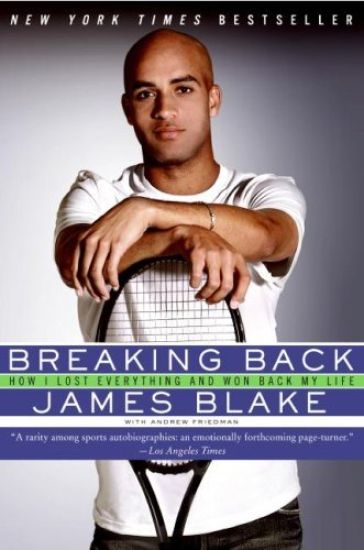
One of America's rising tennis stars describes how his career was jeopardized by a freak accident on the court that broke his back; how his recovery was threatened by the loss of his father to cancer and to the illness, caused by the Herpes zoster virus, that paralyzed half of his face; and the determination and parental wisdom that led him to persevere. Reprint. 30,000 first printing.
Inspired by Arthur Ashe's bestselling memoir Days of Grace, a collection of positive, uplifting stories of seemingly small acts of grace from across the sports world that have helped to bridge cultural and racial divides.Like many people of color, James Blake has experienced the effects of racism firsthand--publicly--first at the U.S. Open, and then in front of his hotel on a busy Manhattan street, where he was tackled and handcuffed by a police officer in a case of "mistaken identity." Though rage would have been justified, Blake faced both incidents with dignity and aplomb. In Ways of Grace he reflects on his experiences and explores those of other sports stars and public figures who have not only overcome adversity, but have used them to unite rather than divide, including: Aisam-Ul-Haq Qureshi, a Pakistani Muslim and Amir Hadad, an Israeli Jew, who despite the conflicts of their countries, paired together in the 2002 Wimbledon men's doubles draw. Muhammad Ali, who transcended racism with a magnetic personality and a breathtaking mastery of boxing that was unparalleled. Nelson Mandela, who spent twenty-seven years in prison for his commitment to social reform, peace, and equality yet never gave up his battle to end apartheid--a struggle that led to his eventual freedom and his nation's transition to black majority rule.Groundbreaking tennis legend Arthur Ashe, who was a model of courage, elegance, and poise on the court and off; a gifted player who triumphed in the all-white world of professional tennis, and became one of his generation's greatest players. Weaving together these and other poignant and unforgettable stories, Blake reveals how, through seemingly small acts of grace, we can confront hatred, bigotry, and injustice with virtue--and use it to propel ourselves to greater heights.
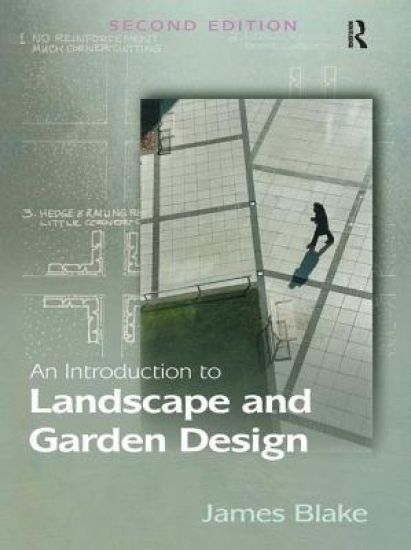
How do you design a landscape book suitable for its intended uses? How can the natural qualities of a landscape be enhanced with new features and focal points? How can you make pedestrians stay on the footpath? What kind of plant, path or wall should you put where, and what sort of contract should you choose for your client's contractor? This refreshingly down-to-earth introduction to the vast subject of landscape design and construction answers all these questions, guiding new students through the many facets of professional practice and welding together the artistic, legal, financial, environmental and management issues which can seem so dauntingly disconnected. Illustrated with original drawings, photographs, sample plans and facsimiles, including a new colour plate section, this readable classic has been fully revised and updated throughout. It opens with a completely new chapter which explains design and aesthetic principles, explores the history of our relationship to landscape, and shows how design principles can be applied to influence reactions to the finished site. The author then considers different elements of hard landscape and their relative merits in different situations. The soft landscape section includes coverage of the effects of mass and form, natural and abstract planting, and the difficult subject of plant selection. A step-by-step guide through all the stages of managing a project, from initial discussions with clients, site inspection, surveying and quoting, through tendering, contracting, contractual agreements, development from concept design to final plans and drawings, as well as maintenance, now includes the current information on CDM regulations and provides readers with a plain-speaking reference on client management and contractual administration. Added to the guide to drawing and lettering is an extensive section on computer-aided design. A bibliography and list of useful organization are also included.
How do you design a landscape book suitable for its intended uses? How can the natural qualities of a landscape be enhanced with new features and focal points? How can you make pedestrians stay on the footpath? What kind of plant, path or wall should you put where, and what sort of contract should you choose for your client's contractor? This refreshingly down-to-earth introduction to the vast subject of landscape design and construction answers all these questions, guiding new students through the many facets of professional practice and welding together the artistic, legal, financial, environmental and management issues which can seem so dauntingly disconnected. Illustrated with original drawings, photographs, sample plans and facsimiles, including a new colour plate section, this readable classic has been fully revised and updated throughout. It opens with a completely new chapter which explains design and aesthetic principles, explores the history of our relationship to landscape, and shows how design principles can be applied to influence reactions to the finished site. The author then considers different elements of hard landscape and their relative merits in different situations. The soft landscape section includes coverage of the effects of mass and form, natural and abstract planting, and the difficult subject of plant selection. A step-by-step guide through all the stages of managing a project, from initial discussions with clients, site inspection, surveying and quoting, through tendering, contracting, contractual agreements, development from concept design to final plans and drawings, as well as maintenance, now includes the current information on CDM regulations and provides readers with a plain-speaking reference on client management and contractual administration. Added to the guide to drawing and lettering is an extensive section on computer-aided design. A bibliography and list of useful organization are also included.
In the newest Wolfe-family adventure from James Carlos Blake, Rudy and Frank Wolfe are engaging in routine miscellaneous business - some legitimate and some less so - for their family when they stumble upon a stash of high-quality pornographic films in a raid. The plot thickens when their Aunt Catalina, the family matriarch aged 115,...
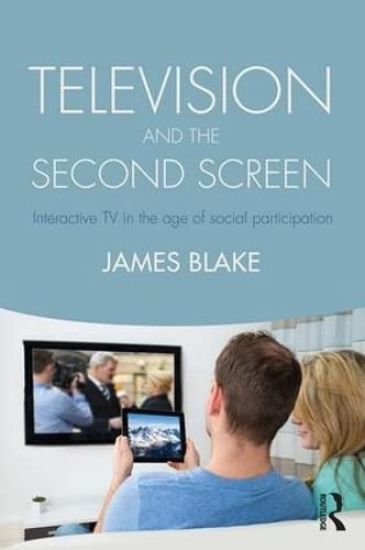
Television is changing almost beyond recognition. In the battle for consumers, social media sites, smart phones and tablets have become rivals to traditional linear TV. However, audiences and producers are also embracing mobile platforms to enhance TV viewing itself. This book examines the emerging phenomenon of the second screen: where users are increasingly engaging with content on two screens concurrently. The practice is transforming television into an interactive, participatory and social experience.James Blake examines interactive television from three crucial angles: audience motivation and agency, advances in TV production and the monetisation of second screen content. He also tracks its evolution by bringing together interviews with more than 25 television industry professionals - across the major UK channels - including commissioning editors, digital directors, producers and advertising executives. These reveal the successes and failures of recent experiments and the innovations in second screen projects.As the second screen becomes second nature for viewers and producers, the risks and opportunities for the future of television are slowly beginning to emerge. Television and the Second Screen will offer students and scholars of television theory, industry professionals and anyone with an abiding interest in television and technology, an accessible and illuminating guide to this important cultural shift.
Television is changing almost beyond recognition. In the battle for consumers, social media sites, smart phones and tablets have become rivals to traditional linear TV. However, audiences and producers are also embracing mobile platforms to enhance TV viewing itself. This book examines the emerging phenomenon of the second screen: where users are increasingly engaging with content on two screens concurrently. The practice is transforming television into an interactive, participatory and social experience.James Blake examines interactive television from three crucial angles: audience motivation and agency, advances in TV production and the monetisation of second screen content. He also tracks its evolution by bringing together interviews with more than 25 television industry professionals - across the major UK channels - including commissioning editors, digital directors, producers and advertising executives. These reveal the successes and failures of recent experiments and the innovations in second screen projects.As the second screen becomes second nature for viewers and producers, the risks and opportunities for the future of television are slowly beginning to emerge. Television and the Second Screen will offer students and scholars of television theory, industry professionals and anyone with an abiding interest in television and technology, an accessible and illuminating guide to this important cultural shift.
Just go to Amazon and type in "Medical Sales Jobs" and over 20 books will pop up promising to share all of the information you need if you will just fork over up to $39.99 for some "secret tips" on how to get a Medical Sales Position. The first question that went through my mind was why are all of the books written by recruiters? There are a couple written by someone who used to be in Medical Sales years ago back before most of us were out of high school and now they are "consultants or recruiters". Things have changed. Ask anyone currently in medical device sales these days and they will certainly tell you that things have changed significantly in the last 3 to 5 years. Most of the other books provide some basic common sense information that applies to trying to get any job but no specific information about Medical Sales... oh, except for their lists of manufacturers or websites you can go to read up on the subject. So why listen to me Because I did it and now I am on the other side of the desk. This year marks 15 years in sales and sales management and the last 10+ has been in Medical Disposable and Medical Device Sales. When I got my first Medical Sales job with Tyco Healthcare I was selling disposables throughout the hospital. A few years later I got a job with one of the Big 3 selling into the OR and now I am fortunate enough to be in the Interventional Radiology space. I have had a ton of success with numerous awards and glamour trips and have consistently made between $200,000 - $300,000 for the last 5 years or so. I have dealt with the recruiters, screened candidates based on their resume, conducted interviews and field rides and I have trained dozens of new hires. I have managed some outstanding reps that I hired and some poor reps that I inherited. I know what to look for and what our sales organization values. I know what resumes get attention and earn an interview and I'll share with you how to make sure your resume makes it into the hands of the hiring manager. In other words been there, done that, and now I'm writing the book. When you follow the directions provided in this book you will secure the interview. Then I will walk you through step-by-step how to prepare so you can go in with confidence. Nothing will be left to chance. Recruiters have good intentions. After all, they only get paid when they place someone in a position. However, recruiters are not the final decision makers and they don't know exactly what sets one candidate apart from another from the eyes of the hiring manager. If they did we wouldn't receive so many resumes from recruiters for candidates that don't meet our expectations and are never even considered for an interview. The process to obtain a Medical Sales Job is not easy. It will require a lot of time and commitment but at least you have someone on the inside making sure you know exactly what's required and how to get it done. If you follow the instructions in this book you WILL get a Medical Sales Job... GUARANTEED