

Kirjahaku
Etsi kirjoja tekijän nimen, kirjan nimen tai ISBN:n perusteella.
1000 tulosta hakusanalla James R Boise


Exercises in Some of the More Difficult Principles of Greek Syntax
James R Boise
Outlook Verlag
2023
pokkari
Exercises in Some of the More Difficult Principles of Greek Syntax
James R Boise
Outlook Verlag
2023
sidottu
Reprint of the original, first published in 1869.

Reprint of the original, first published in 1869.

Selectiond from Various Greek Authors for the First Year in College
James R Boise; John C Freeman
Anatiposi Verlag
2023
pokkari

Selectiond from Various Greek Authors for the First Year in College
James R Boise; John C Freeman
Anatiposi Verlag
2023
sidottu

Exercises in some of the more difficult principles of Greek syntax
James R. Boise
Hansebooks
2018
nidottu

Notes Critical and Explanatory on Paul's Epistle to the Galatians
James R. Boise
Hansebooks
2019
nidottu

Selectiond from Various Greek Authors for the First Year in College
James R. Boise; John C. Freeman
Antigonos Verlag
2025
nidottu

How Preferential Option for the Poor Pop Became the Chief Doctrine of Christianity
James Biser Whisker; John R. Coe
Edwin Mellen Pr
2024
sidottu
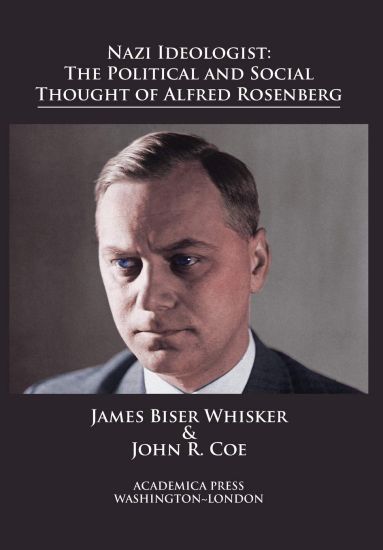
This book by dynamic scholars James Whisker and John Coe examines the short life of the Nazi ideologist Alfred Rosenberg, one of the most overlooked individuals in the pantheon of leaders in the Third Reich. Born to German mercantile parents in the Baltic region of the Russian Empire, he was a student in Russia during the Bolshevik Revolution. Deeply influenced by the anti-Semitic forgery The Protocols of the Elders of Zion, a propaganda pamphlet distributed by the tsar’s secret police, he carried it to Germany, where he introduced it to Adolf Hitler.Rosenberg leaned heavily on heterodox Christian writings that challenged mainstream Christian thought. He revived interest in a variety of philosophies and individuals long forgotten, such as the cosmic dualistic Cathars and the mystic Master Eckart von Hochheim. Rosenberg came to view history from a perspective often called “Scientific Racism,” which held that the history of humankind had been marked by a struggle between the Aryan race and their supposed inferiors. Race was the newest subject for the application of cosmic dualism, which is the spiritual belief that two fundamental concepts exist. Rosenberg identified the Nazis’ task as creating a bulwark against Semitic influences from Europe generally and Germany in particular, and to do so by any means necessary. Rosenberg figured in a long anti-Jewish tradition in Germany, a tortured legacy that began with Martin Luther and continued through many of the prominent German figures of the nineteenth century. Indeed, Rosenberg considered his magnum opus, The Myth of the 20th Century, to be the logical successor work to Foundations of the 19th Century by the composer Richard Wagner’s son-in-law Houston Stewart Chamberlain.
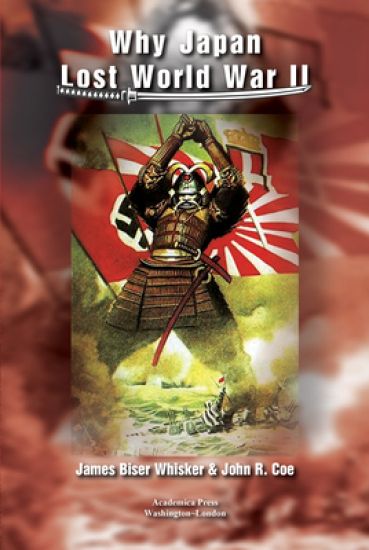
When Japan attacked Pearl Harbor and other Western positions in the Asia-Pacific World in December 1941, it was unprepared to go to war with the United States and the Western Democracies generally and even realized it could not win. Its navy and air force were impressive, and its army could battle impressively against China, but Japanese small arms were terrible. Japan’s tanks could not compete with their opposite numbers. The Empire’s logistical base was undeveloped for modern warfare. While the Allies could produce large numbers of trained many pilots, Japan produced very few. When its elite airmen were lost at the Battle of Midway in June 1942, Japan could not replace them. At sea, Japan built battleships when it needed more aircraft carriers. The Japanese military never even attempted to win World War II by a simple and direct plan. Its planners consistently assumed that the enemy would do precisely what they assumed and countenanced no alternative analyses of facts.
Gunsmiths of Arkansas
James Biser Whisker; John R. Coe
Createspace Independent Publishing Platform
2018
nidottu
Listing of gunsmiths who worked in the state of Arkansas before 1900.
Gunsmiths of Louisiana
John R Coe; James Biser Whisker
Createspace Independent Publishing Platform
2018
pokkari
A listing of gunsmiths and gun makers who worked in Louisiana before 1900.
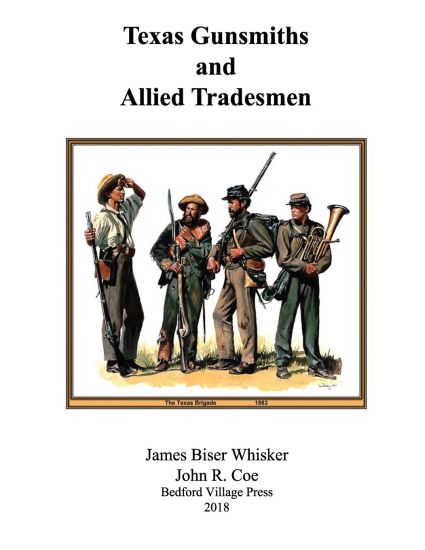
Texas Gunsmiths and Allied Tradesmen
John R. Coe; James Biser Whisker
Createspace Independent Publishing Platform
2018
nidottu
This is a listing of the tradesmen who made and repaired small arms in Texas before 1900.
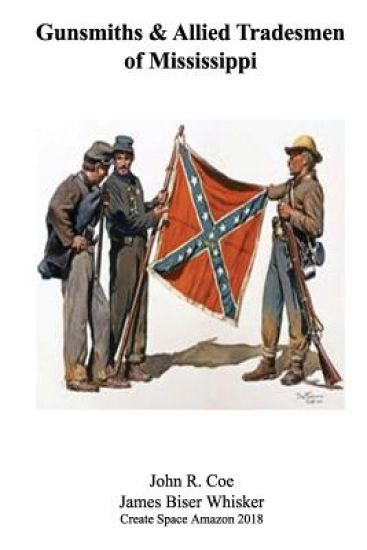
Gunsmiths and Allied Tradesmen of Mississippi
John R. Coe; James Biser Whisker
Createspace Independent Publishing Platform
2018
nidottu