Drawing on contemporary critical work on colonialism and the cross-cultural encounter, this is a study of the emergence of Utilitarianism as a new political language in Britain in the late-eighteenth and early-nineteenth centuries, and focuses on the relationship between this language and the complexities of British Imperial experience in India at the time. Examining the work of Mill and Sir William Jones, and also that of the poets Robert Southey and Thomas Moore, Javed Majeed highlights the role played by aesthetic and linguistic attitudes in the formulation of British views on India, and reveals how closely these attitudes were linked to the definition of cultural identities. To this end, Mill's utilitarian study of India is shown to function both as an attack on the conservative orientalism of the period, and as part of a larger critique of British society itself. In so doing, Majeed demonstrates how complex British attitudes to India were in the late eighteenth and early nineteenth centuries and how this might be explained in the light of domestic and imperial contexts.
George Abraham Grierson’s Linguistic Survey of India is one of the most complete sources on South Asian languages. This book is the first detailed examination of the Survey. It shows how the Survey collaborated with Indian activists to consolidate the regional languages in India. By focusing on India as a linguistic region, it was at odds with the colonial state’s conceptualisation of the subcontinent, in which religious and caste differences were key to its understanding of Indian society. A number of the Survey’s narratives are detachable from its rigorous linguistic imperatives, and together with aspects of Grierson’s other texts, these contributed to the way in which Indian nationalists appropriated and reshaped languages, making them religiously charged ideological symbols of particular versions of the subcontinent. Thus, the Survey played an important role in the emergence of religious nationalism and language conflict in the subcontinent in the 20th century.This volume, like its companion volume Colonialism and Knowledge in Grierson’s Linguistic Survey of India, will be a great resource for scholars and researchers of linguistics, language and literature, history, political studies, cultural studies and South Asian studies.
This book is the first detailed examination of George Abraham Grierson’s Linguistic Survey of India, one of the most complete sources on South Asian languages. It shows that the Survey was characterised by a composite and collaborative mode of producing knowledge, which undermines any clear distinctions between European orientalists and colonised Indians in British India. Its authority lay more in its stress on the provisional nature of its findings, an emphasis on the approximate nature of its results, and a strong sense of its own shortcomings and inadequacies, rather than in any expression of mastery over India’s languages.The book argues that the Survey brings to light a different kind of colonial knowledge, whose relationship to power was much more ambiguous than has hitherto been assumed for colonial projects in modern India. It also highlights the contribution of Indians to the creation of colonial knowledge about South Asia as a linguistic region. Indians were important collaborators and participants in the Survey, and they helped to create the monumental knowledge of India as a linguistic region which is embodied in the Survey.This volume, like its companion volume Nation and Region in Grierson’s Linguistic Survey of India, will be a great resource for scholars and researchers of linguistics, language and literature, history, political studies, cultural studies and South Asian studies.
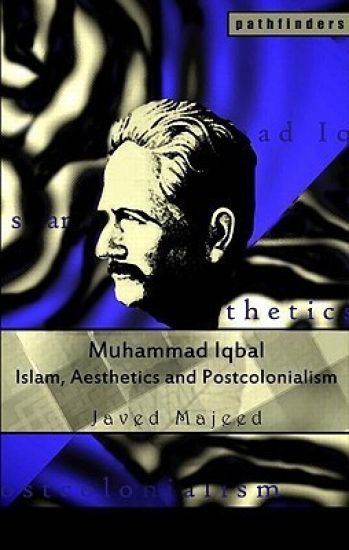
Bringing together Islamic studies, a postcolonial literary perspective, and a focus on the interaction between aesthetics and politics, this book analyses Iqbal’s Islamism through his poetry. It argues that his notion of an Islamist selfhood was expressed in his verse through the interplay between poetic tradition and creative innovation. It also considers how Iqbal expressed an Islamist geopolitical imagination in his work, and examines his exploration of the relationship between the modern West and a reconstructed Islam. For the first time, Iqbal’s personal letters have been drawn upon to provide an insight into his inner conflicts as articulated in his poetry. Concentrating on the complexity of his work in its own right, the book eschews the standard appropriation of Iqbal into any one political agenda — be it Indian nationalism, Muslim separatism or Iranian Islamic republicanism. With its analytical and in-depth reading of Iqbal’s verse and prose, this book opens a fresh perspective on Islam and postcolonialism. It will be a fascinating study for general readers and readers with interests in the intellectual and political history of modern South Asia, colonialism and postcolonialism, Islamic studies, and modern South Asian literature (especially Urdu and Persian poetry).
Bringing together Islamic studies, a postcolonial literary perspective, and a focus on the interaction between aesthetics and politics, this book analyses Iqbal’s Islamism through his poetry. It argues that his notion of an Islamist selfhood was expressed in his verse through the interplay between poetic tradition and creative innovation. It also considers how Iqbal expressed an Islamist geopolitical imagination in his work, and examines his exploration of the relationship between the modern West and a reconstructed Islam. For the first time, Iqbal’s personal letters have been drawn upon to provide an insight into his inner conflicts as articulated in his poetry. Concentrating on the complexity of his work in its own right, the book eschews the standard appropriation of Iqbal into any one political agenda — be it Indian nationalism, Muslim separatism or Iranian Islamic republicanism. With its analytical and in-depth reading of Iqbal’s verse and prose, this book opens a fresh perspective on Islam and postcolonialism. It will be a fascinating study for general readers and readers with interests in the intellectual and political history of modern South Asia, colonialism and postcolonialism, Islamic studies, and modern South Asian literature (especially Urdu and Persian poetry).
This book is the first detailed examination of George Abraham Grierson’s Linguistic Survey of India, one of the most complete sources on South Asian languages. It shows that the Survey was characterised by a composite and collaborative mode of producing knowledge, which undermines any clear distinctions between European orientalists and colonised Indians in British India. Its authority lay more in its stress on the provisional nature of its findings, an emphasis on the approximate nature of its results, and a strong sense of its own shortcomings and inadequacies, rather than in any expression of mastery over India’s languages.The book argues that the Survey brings to light a different kind of colonial knowledge, whose relationship to power was much more ambiguous than has hitherto been assumed for colonial projects in modern India. It also highlights the contribution of Indians to the creation of colonial knowledge about South Asia as a linguistic region. Indians were important collaborators and participants in the Survey, and they helped to create the monumental knowledge of India as a linguistic region which is embodied in the Survey.This volume, like its companion volume Nation and Region in Grierson’s Linguistic Survey of India, will be a great resource for scholars and researchers of linguistics, language and literature, history, political studies, cultural studies and South Asian studies.
George Abraham Grierson’s Linguistic Survey of India is one of the most complete sources on South Asian languages. This book is the first detailed examination of the Survey. It shows how the Survey collaborated with Indian activists to consolidate the regional languages in India. By focusing on India as a linguistic region, it was at odds with the colonial state’s conceptualisation of the subcontinent, in which religious and caste differences were key to its understanding of Indian society. A number of the Survey’s narratives are detachable from its rigorous linguistic imperatives, and together with aspects of Grierson’s other texts, these contributed to the way in which Indian nationalists appropriated and reshaped languages, making them religiously charged ideological symbols of particular versions of the subcontinent. Thus, the Survey played an important role in the emergence of religious nationalism and language conflict in the subcontinent in the 20th century.This volume, like its companion volume Colonialism and Knowledge in Grierson’s Linguistic Survey of India, will be a great resource for scholars and researchers of linguistics, language and literature, history, political studies, cultural studies and South Asian studies.
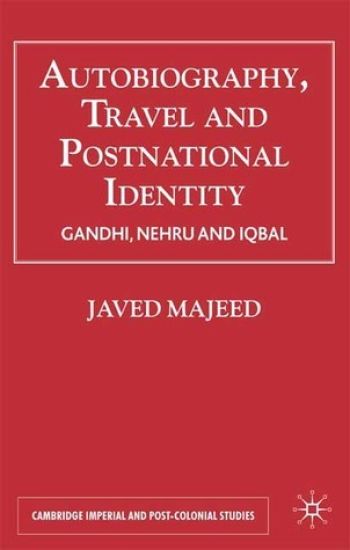
This book examines concepts of travel in the autobiographies of leading Indian nationalists in order to show how nationalism is grounded in notions of individual selfhood, and how the writing of autobiography, fused with the genre of the travelogue, played a key role in formulating the complex tie between interiority and nationality in South Asia.
This book examines concepts of travel in the autobiographies of leading Indian nationalists in order to show how nationalism is grounded in notions of individual selfhood, and how the writing of autobiography, fused with the genre of the travelogue, played a key role in formulating the complex tie between interiority and nationality in South Asia.
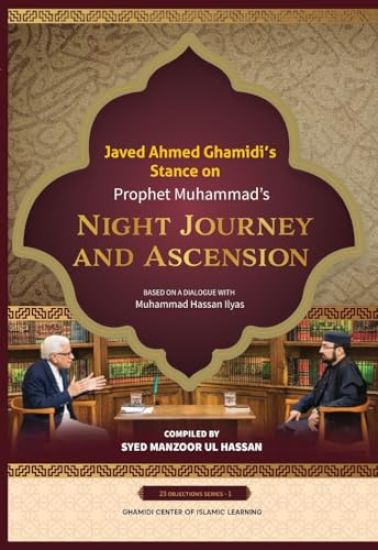
The common perception regarding the Night Journey (Isra) and Ascension (Mi'raj) is that they constitute a single journey that took place during the night, in a state of wakefulness - from Masjid al-Haram to Masjid al-Aqsa, and from there to the highest heavens. According to Javed Ahmed Ghamidi, however, this was not one event but a series of four district occurrences: the event of Isra, the event of Sidrah, the event of Qaba Qawsayn, the event of Mi'raj. Of these, two occurred in the realm of dreams two in a state of wakefulness. All four are divinely ordained. Their nature is that of divine signs, and their reality lies in revelation and inspiration.These events, with their descriptions and extraordinary reports, are intiamtely connected to the Prophetic mission and the office of Messengership of the Prophet Muhammad (peace be upon him). They should be understood is that very context and should remain confined solerly to the understanding of the scriptural texts. No speculative opinions or fictional storytelling should be engaged in regarding them, nor should one seek to deny them on the basis of human sciences, disciplines, or empirical observations.
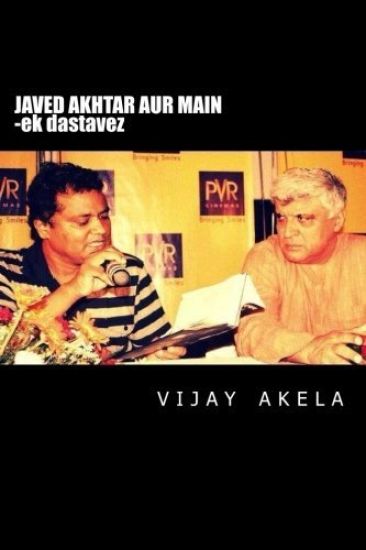
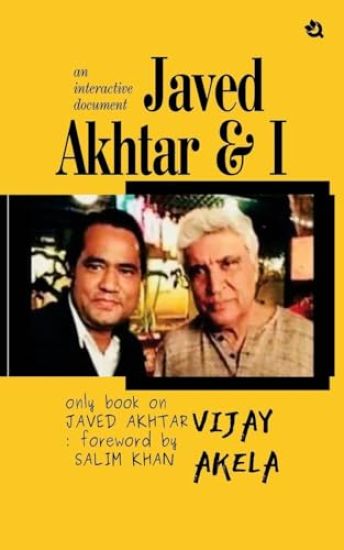
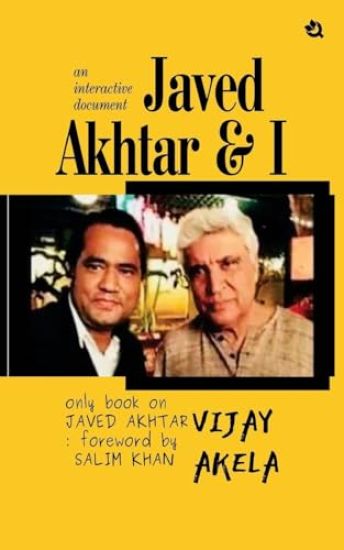
Vijay Akela has nurtured an exceptionally close relationship with Javed Akhtar for more than 30 years. Numerous encounters have taken place during this period. In every way, he regards Javed Akhtar's status higher than any other influential figure in the Mumbai Film Industry. Vijay Akela views Javed Akhtar's tremendous success not as a stroke of luck, but as a result of his unwavering determination and exceptional intellect. He ponders, 'Can the film industry even operate today without the intellect of Javed Akhtar? While we managed without Sahir Ludhianvi, we cannot fathom existence without Javed Akhtar.' This story documents Vijay Akela's profound journey alongside Javed Akhtar, vividly portrayed like scenes on a screen with unyielding bravery. If Manto's Meena Bazaar was a historical record in its time, then Vijay Akela's 'Javed Akhtar & I An interactive document' stands as a testament to this era in every way. About the Author: Vijay Akela is an iconic Bollywood song writer who is known for his blockbuster songs in movies Kaho Naa... Pyaar Hai & Krrish. He is also a famous RJ in Mumbai & Dubai. Currently, he is occupied with film making. Praise from Celebrities: "Love each other or perish." -Salim Khan "This book serves as a remarkable testament to the long-standing relationship between Vijay Akela and Javed Akhtar, capturing their unique bond over the years. It is truly exceptional." -Javed Siddiqui "Vijay Akela captures the dynamic life of Javed Akhtar in a warm and interesting manner. A must read." -Amit Khanna "Javed sahab is truly one of the most perceptive people I've met while Vijay Akela possesses a profound curiosity about the human mind, coupled with a love for writing and poetry. This partnership brings together two exceptional thinkers." - Aamir Khan
Vijay Akela has nurtured an exceptionally close relationship with Javed Akhtar for more than 30 years. Numerous encounters have taken place during this period. In every way, he regards Javed Akhtar's status higher than any other influential figure in the Mumbai Film Industry. Vijay Akela views Javed Akhtar's tremendous success not as a stroke of luck, but as a result of his unwavering determination and exceptional intellect. He ponders, 'Can the film industry even operate today without the intellect of Javed Akhtar? While we managed without Sahir Ludhianvi, we cannot fathom existence without Javed Akhtar.' This story documents Vijay Akela's profound journey alongside Javed Akhtar, vividly portrayed like scenes on a screen with unyielding bravery. If Manto's Meena Bazaar was a historical record in its time, then Vijay Akela's 'Javed Akhtar & I An interactive document' stands as a testament to this era in every way. About the Author: Vijay Akela is an iconic Bollywood song writer who is known for his blockbuster songs in movies Kaho Naa... Pyaar Hai & Krrish. He is also a famous RJ in Mumbai & Dubai. Currently, he is occupied with film making. Praise from Celebrities: "Love each other or perish." -Salim Khan "This book serves as a remarkable testament to the long-standing relationship between Vijay Akela and Javed Akhtar, capturing their unique bond over the years. It is truly exceptional." -Javed Siddiqui "Vijay Akela captures the dynamic life of Javed Akhtar in a warm and interesting manner. A must read." -Amit Khanna "Javed sahab is truly one of the most perceptive people I've met while Vijay Akela possesses a profound curiosity about the human mind, coupled with a love for writing and poetry. This partnership brings together two exceptional thinkers." - Aamir Khan
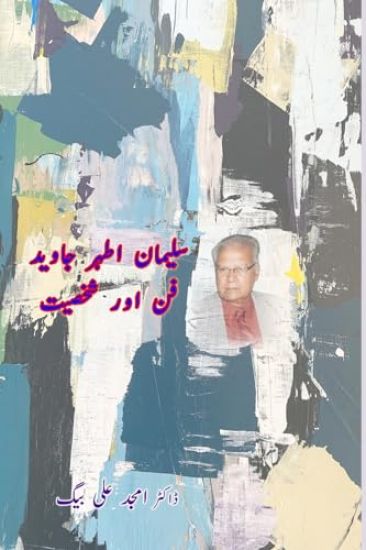
This book by Dr. Amjad Ali Baig, "Suleman Ather Javed Fun Aur Shakhsiat" presents a critical and literary review and analysis of Professor Suleman Ather Javed's literary work.سلیمان اطہر جاوید ، فرزندانِ جامعہ عثمانیہ میں سے ایک ایسی شخصیت ہے جس نے تحقیق و تنقید کی دنیا میں حیدرآباد کا نام چہاردانگ عالم روشن کیا ہے۔ علمی و ادبی دنیا کی یہ ایک ایسی اہم شخصیت ہے جن کے کارناموں کو محفوظ کیا جانا عصرِ حاضر کا تقاضا بھی ہے۔ ڈاکٹر امجد علی بیگ نے اپنی کتاب "سلیمان اطہر جاوید فن اور شخصیت" میں بہ حیثیت محقق، نقاد، مبصر، خاکہ نگار، ادیب، صحافی و شاعر پروفیسر سلیمان اطہر جاوید کے فن کے مختلف گوشوں کو اجاگر کرنے کی کوشش کی ہے۔ سلیمان اطہر جاوید نے حیدرآبادی شخصیات پر خاکے و مرقعے بھی لکھے جن سے حیدرآباد کی اہم شخصیات سے آگہی ہوتی ہے۔ اردو تحقیق و تنقید کے اہم گوشے بھی اس کتاب سے واضح ہوئے ہیں۔
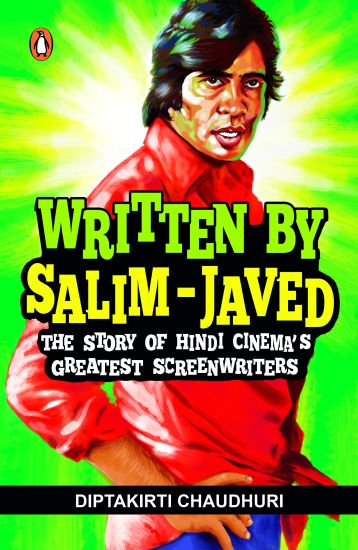
The dramatic, entertaining story of the dream team that pioneered the Bollywood blockbuster Salim Khan and Javed Akhtar reinvented the Bollywood formula with an extraordinary lineup of superhits, becoming game changers at a time when screenwriting was dismissed as a back-room job. From Zanjeer to Deewaar and Sholay to Shakti, their creative output changed the destinies of several actors and filmmakers and even made a cultural phenomenon of the Angry Young Man. Even after they decided to part ways, success continued to court them-a testament not only to their impeccable talent and professional ethos, but also their enterprising showmanship and business acumen. Fizzing with energy and brimming over with enough trivia to delight a cinephile's heart, Written by Salim-Javed tells the story of a dynamic partnership that transformed Hindi cinema forever.
When Javed Khan's illusion that once out of jail he would be a free man is shattered, he finds himself questioning the relationships, prejudices as well as the very notions of crime and justice in our society. Along with his younger sister, Ayesha, he sets out to make a fresh start only to realize he is in a far bigger jail and things are anything but normal. Despite loss and miseries, he persists with an unflinching hope. Poignant, insightful and flipping between past and present, it is not just Javed's story but of all those like him who are wrongly labeled as terrorists. Based on thorough research, One Day in the Life of Javed Khan presents the truth with specific patterns through a thin veil of fiction.
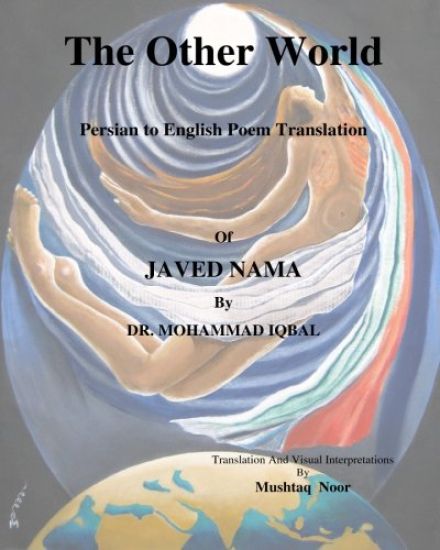
"The Other World" is the poem translation of Javed Nama, Persian poem by Sir Dr. Muhammad Iqbal, the philosopher poet of the East. Iqbal's magnum opus, writes his biographer S. A. Vahid, is Javed Nama. Javed Nama presents an account of journey, performed by the Truth-seeking Soul, in the world of Soul, which begins from earth and going through the 'spheres' of the Moon, Mercury, Venus, Mars, Jupiter and Saturn and beyond the 'spheres' ending at Presence in the Divine Court. It is an endeavored output of Iqbal which aims at exaltation of the human Soul, making it take off from the given ground-zero i.e. the baser level. With the same mission, in fact, he went for walk beyond the horizons, to the world of Soul, under the guidance of Rumi, the exalted saint of 12th Century. It was for our training that he inferred beneficence from those Souls which had departed this mortal podium, centuries ago, after detecting the secret of life, and who could and were to untie the enigmatic knots which had stuck the way of Iqbal. Having these knots untied the result put on pages was the Persian verse titled Javed Nama. Viewing this output of Iqbal from the aspect of knowhow on reality of life the chapters pertaining to the celebrities, of international fame, Tolstoy from Russia, German philosopher poet Nietzsche departed (1900) and Lord Kitchener of England dialogue with Indian Ascetic Jehan Dost, Ali Hamadani and Sultan Tipu Shaheed are important. And viewing it from the aspect of its contribution towards humanism and politics amongst the Nations, comparison in the systems of governance namely Imperialism, socialism and Western democracy and presentation of alternate system of governance, which in fact the Creator likes to enforce on earth, the chapters pertaining to message of grandee soul Jamal-ud-Din Afghani (1838-1897) to the Russian Nation is important. Above all going through the contents of this given word would simply mean that you went for a walk in the World of Soul and witnessed the spirits in live dialogue forth. Where wherever possible the metaphysical and philosophical subtleties are explained visually by the Author Artist through, the salient features of this Book are, - Visit to the present station of the German Philosopher Nietzsche and reflection of his present state, in the other world, and slogan beaten by him continuously. - Visitation of the Spirits of Jamal-ud-Din Afghani (departed 1897) and Saeed Halim Pasha (departed 1921) reflect on the true concept of Religion and Homeland, Socialism and Capitalism, East and the West, Sketch of Godly Governance. Man, the Vicegerent of God (how to regain the lost status). - Message of Afghani to the Russian Nation: Man of Truth comes out with the comprehensive note on achievements of Russian Nation from the times of Zar, pinpointing their failings afterwards, and what they need to do? - How Rumi the grandee Soul (departed 12th Century) explaining, reflects upon mysteries of creation? - How the Angels, the Stars lauding welcome the voyager on his journey to the supernal world - The Indian Ascetic, known as Jehan-Dost, living in one of the Caverns of the Moon, his conditions and his 9 mystical sayings. - Dreams of Tolstoy departed (1910). - Dialogue between Lord Kitchener departed (1894) and the Pharaohs. - How the Soul named Iqbal visits the sphere of Mars where he is informed a century ago, of the Solar Energy and Test Tube baby. - Philosophical output by Martian Wise reflecting upon destiny and the Divine Decree. - The voyager (Iqbal) meets the grandee souls Hallaj (922 Hijri) Ghalib (1285 Hijri) and Tahira and they untie enigmatic knots came on his way. - Dialogue of Iqbal with Devil. - Commentary on torment of the traitors and their present state in the other world. - Pilgrim Sighting of Great Leader Hazrat Syed Ali Hamadani (departed 14th Century) and his great word replying questions raised by the visiting soul.