Kirjojen hintavertailu. Mukana 12 016 292 kirjaa ja 12 kauppaa.

Kirjahaku

Etsi kirjoja tekijän nimen, kirjan nimen tai ISBN:n perusteella.

1000 tulosta hakusanalla Jeanette Michalak

Heinrich Böll's kritische Auseinandersetzung mit der Gesellschaft der Nachkriegszeit anhand seiner Kurzprosa "Über die Brücke" (1950)
Studienarbeit aus dem Jahr 2011 im Fachbereich Germanistik - Neuere Deutsche Literatur, Note: 1,7, Universit t Potsdam, Sprache: Deutsch, Abstract: Heinrich B ll ist bekannt durch seine Werke, die zur so genannten Tr mmerliteratur z hlen. Sie handeln meist von den Geschehnissen des 2. Weltkriegs.In meiner Seminararbeit habe ich mich mit der Kurzprosa " ber die Br cke" auseinandergesetzt, die eine andere Sichtweise B ll's auf die Zeit nach dem Krieg aufzeigt. Er u ert dabei Kritik an der Nachkriegsgesellschaft, in der er ihr vorwirft, sich nicht mit den Geschehnissen des Krieges auseinanderzusetzen. Sie leben einfach ihr kleinb rgerlichen Leben weiter.

Die deutsche Sprache in der Zeit des Nationalsozialismus
Studienarbeit aus dem Jahr 2011 im Fachbereich Germanistik - Linguistik, Note: 2,3, Universit t Potsdam, Sprache: Deutsch, Abstract: Die Seminararbeit widmet sich dem Thema "Die deutsche Sprache in der Zeit des Nationalsozialismus - Charakteristika, Sprachwandel, Sprachverfall-." Ziel ist es, die Ver nderungen und Wesensmerkmale zu erarbeiten und darzulegen, und ob ein etwaiger Sprachverfall zu konstatieren ist. Hierzu wird auszugsweise die Sprache des 19. und 20. Jhs. dargelegt, da dies pr gende Jahre f r die Sprachentwicklung des Deutschen waren, und um eine Basis f r die Ver nderungen der Sprache, w hrend des Nationalsozialismus, zu schaffen. Darauf aufbauend soll dann die deutsche Sprache im Nationalsozialismus analysiert werden. Die Analyse soll des Weiteren in einen historischen Kontext eingebettet werden, um eine Grundlage f r die Ver nderungen zu generieren. Daran wird sich die Betrachtung des Werkes "LTI - Notizbuch eines Philologen" von Viktor Klemperer anschlie en, da er als Philologe die Zeit des Nationalsozialismus aktiv miterlebt und er mit seinem Werk einen wichtigen Beitrag zur Untersuchung der NS-Sprache geleistet hat. Danach soll noch ein Ausblick auf die deutsche Sprache nach 1945 aufgezeigt werden, um zu untersuchen, inwieweit sich die deutsche Sprache nach 1945 gewandelt hat. Den Abschluss wird ein Fazit bilden.
Bedeutungswandel der Badereisen vom 16.-18. Jahrhundert
Studienarbeit aus dem Jahr 2012 im Fachbereich Geschichte - Sonstiges, Note: 1,0, Universitt Potsdam, Veranstaltung: Reiseliteratur, Sprache: Deutsch, Abstract: In der vorliegenden Seminararbeit werde ich mich dem Thema des Bedeutungswandels der Badereisen vom 16.-18. Jahrhundert widmen. Die Forschungsliteratur aus dem Bereich der Germanistik ist zu diesem Thema rar, jedoch gibt es zum Teil gut publizierte Kurorte wie Pyrmont und Wiesbaden. Einen Einstieg und gute berblicksdarstellung fr die Bedeutung der Badeorte des Sptmittelalters und dem Beginn der Frhen Neuzeit bietet der Aufsatz von Busch. Im weiteren Verlauf der Entwicklung findet sich um 1700 dann eine bedeutende Zsur die einen Bedeutungswandel der Badeorte einleitet und sich in der Dissertation von Burkhard Fuhs gut, wenngleich auch etwas knapp, nachvollziehen lsst. Er hat sich in seiner Dissertation mit den mondnen Kurorten in der Zeit von 1700-1900 befasst. Allgemein ist fr die Frhe Neuzeit und deren weiteren Verlauf zu konstatieren, dass es eine Vielzahl von unterschiedlichen Motiven fr das Reisen gegeben hat. Und so unterschiedlich diese Anlsse waren, so unterschiedlich waren auch die Menschen, die sich auf Reisen gemacht haben. Ich habe mich gefragt, woher die Tradition des Badens stammt, welcher Personenkreis sich solch private Badereisen leisten konnte und was man sich von diesen Reisen erhoffte. Des Weiteren soll geklrt werden, warum die mittelalterlichen Badeorte einen Niedergang zu verzeichnen hatten. Unter Punkt 2.2. soll darauf aufbauend die Betrachtung erfolgen, inwieweit sich die Kurorte, in Abgrenzung zu den Badeorten, auch zu Zentren urbanen Lebens entwickelt haben, da sich vor allem in der Frhen Neuzeit ein gravierender Bedeutungswandel vollzogen hat. Im letzten Abschnitt 2.2.1. soll der Ort Pyrmont als exemplarisches Beispiel fr diese Entwicklung von einfachen Badeorten zu Kurorten vorgestellt werden, wobei ich mich an den Reiseberichten und Briefen aus der Weimarer Ausgabe
Hospital i hjemmet 1

Hospital i hjemmet 1

Britta Hørdam; Thomas Maribo; Steen Hundborg; Birgit Refsgaard Midjord; Vibeke Engell-Sørensen; Pernille Bak Skouenborg; Lotte Ørneborg Rodkjær; Jeanette Finderup; Gitte Sylvester Jensen; Dorthe Sørensen; Lotte Evron; Michala Eckhardt; Lene Lauge Berring; Camilla A. Mousing; Merete Hartun Jensen; Maria Plaschke; Louise Bangsgaard Antonsen; Naja Benigna Kruse; Inge Kristensen; Ulla Vidkjær Fejerskov; Lotte Stentoft Dahl; Josefine Tang Rørbech; Brigitta Rasmussen Villumsen; Jeanett Rugaard; Kristina Holmegaard Nørskov

Gyldendal
2025
nidottu
Hospital i hjemmet - Faglig praksis sætter fokus på den udvikling, som aktuelt finder sted inden for behandling i det primære sundhedsvæsen. Den er skrevet til sygeplejestuderende, studerende på de øvrige sundhedsuddannelser og sundhedsprofessionelle, som ønsker dybere viden om arbejdet i det primære sundhedsvæsen. Bogen kan også anvendes på diplom-, master- og kandidatuddannelser. Udviklingen i det primære sundhedsvæsen er bl.a. betinget af et stigende antal multisyge borgere, målsætningen om færre og kortere hospitalsindlæggelser, flere ambulante kontakter, opgaveglidning fra sekundær til primær sektor samt det faktum, at flere patienter ønsker behandling og rehabilitering i eget hjem. Det stiller nye kompetencekrav til hjemmesygeplejersker og andre sundhedsprofessionelle, som skal udføre kompleks pleje og behandling til patienten i eget hjem. Bogen giver dig en indføring i specifikke sygeplejefaglige opgaver, som er flyttet fra sekundær til primær sektor. Bogens 17 kapitler er skrevet af forfattere med forskningsbaggrund eller stor faglig kompetence i de væsentlige og aktuelle tendenser fra det moderne sundhedsvæsen. Kapitlerne er opbygget med introduktion, tekstbokse, nøgleord og afsluttende refleksionsspørgsmål.
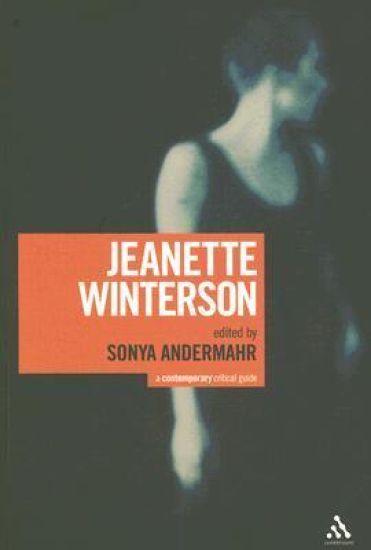
Jeanette Winterson

Jeanette Winterson

Sonya Andermahr

Red Globe Press
2008
sidottu
In this comprehensive introduction to Winterson's work, Sonya Andermahr considers its significance in the context of contemporary British culture and literary history. Including an interview with the author, this guide offers an accessible reading of all Winterson's work and an overview of the varied critical reception this has received.
Jeanette Winterson

Jeanette Winterson

Sonya Andermahr

Red Globe Press
2008
nidottu
In this comprehensive introduction to Winterson's work, Sonya Andermahr considers its significance in the context of contemporary British culture and literary history. Including an interview with the author, this guide offers an accessible reading of all Winterson's work and an overview of the varied critical reception this has received.
Jeanette Winterson

Jeanette Winterson

Susana Onega

Manchester University Press
2006
sidottu
This is the first full-length study of Jeanette Winterson’s complete oeuvre, offering detailed analysis of her nine novels as well as addressing her non-fiction and minor fictional work. Susana Onega combines the study of formal issues such as narrative structure, perspective and point of view with thematic analyses approached from a variety of theoretical perspectives, from narratology and feminist theory to Hermetic and Kabalistic symbolism, to provide a comprehensive ‘vertical’ analysis of Winterson’s novels.Onega reveals the books as complex linguistic artefacts, crammed with intertextual echoes. She demonstrates the inseparability of form and meaning within Winterson’s work, and positions her within the wider context of contemporary British fiction alongside fellow visionaries such as Peter Ackroyd, Maureen Duffy and Marina Warner.
Jeanette Winterson

Jeanette Winterson

Susana Onega

Manchester University Press
2006
nidottu
This is the first full-length study of Jeanette Winterson’s complete oeuvre, offering detailed analysis of her nine novels as well as addressing her non-fiction and minor fictional work. Susana Onega combines the study of formal issues such as narrative structure, perspective and point of view with thematic analyses approached from a variety of theoretical perspectives, from narratology and feminist theory to Hermetic and Kabalistic symbolism, to provide a comprehensive ‘vertical’ analysis of Winterson’s novels.Onega reveals the books as complex linguistic artefacts, crammed with intertextual echoes. She demonstrates the inseparability of form and meaning within Winterson’s work, and positions her within the wider context of contemporary British fiction alongside fellow visionaries such as Peter Ackroyd, Maureen Duffy and Marina Warner.
Jeanette Winterson

Jeanette Winterson

Continuum International Publishing Group Ltd.
2007
sidottu
"Jeanette Winterson: A Contemporary Vritical Guide" is a comprehensive introduction to Winterson's writing. It brings together new essays by leading critics writing on key topics across her work from early successes like "Oranges are Not the Only Fruit" to recent works like "Lighthousekeeping". The guide provides students with an accessible and up-to-date critical guide to Winterson's most commonly studied texts, covering major themes and developments, and issues of style, technique and genre, from a range of contemporary critical and theoretical perspectives. Chapters identify and explore the key topics and debates including: story-telling; feminism and women's writing; historiographic metafiction; literary realism and postmodernism; religion and spirituality; masculinity; lesbian romance; queer theory; and psychoanalytic approaches. Each chapter includes an introductory overview outlining key themes, approaches and the texts covered. This is an ideal introduction to the variety of critical approaches to Winterson and her work.
Jeanette Winterson

Jeanette Winterson

Continuum International Publishing Group Ltd.
2007
nidottu
"Jeanette Winterson: A Contemporary Vritical Guide" is a comprehensive introduction to Winterson's writing. It brings together new essays by leading critics writing on key topics across her work from early successes like "Oranges are Not the Only Fruit" to recent works like "Lighthousekeeping". The guide provides students with an accessible and up-to-date critical guide to Winterson's most commonly studied texts, covering major themes and developments, and issues of style, technique and genre, from a range of contemporary critical and theoretical perspectives. Chapters identify and explore the key topics and debates including: story-telling; feminism and women's writing; historiographic metafiction; literary realism and postmodernism; religion and spirituality; masculinity; lesbian romance; queer theory; and psychoanalytic approaches. Each chapter includes an introductory overview outlining key themes, approaches and the texts covered. This is an ideal introduction to the variety of critical approaches to Winterson and her work.
Jeanette Winterson and Religion

Jeanette Winterson and Religion

Emily McAvan

Bloomsbury Academic
2019
sidottu
Since the publication of her first novel, Oranges Are Not the Only Fruit, Jeanette Winterson quickly established herself as a powerful and insightful writer on sexuality and gender. However, the profound and persistent religious themes of her work have received much less critical attention. Jeanette Winterson and Religion is the first in-depth study of the ways in which Winterson navigates the sacred and the profane in the full range of her writing, from her first novel to later works such as The PowerBook and The Stone Gods. This book reads the author's work alongside the theological turn in the thought of such theorists as Alain Badiou, John D. Caputo and Julia Kristeva as well as feminist and queer theologians such as Catherine Keller and Marcella Althaus-Reid. In this way, Jeanette Winterson and Religion reveals how Jeanette Winterson stakes out a unique and intriguing post-secular literary form of the sacred.
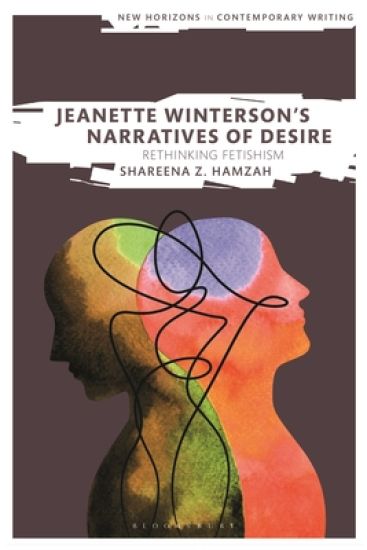
Jeanette Winterson’s Narratives of Desire

Jeanette Winterson’s Narratives of Desire

Shareena Z. Hamzah-Osbourne

Bloomsbury Academic
2021
sidottu
Putting forward a new theory of fetishism - alternative fetishism - this book provides an up-to-date examination of the work of Jeanette Winterson, offering fresh perspectives and new insights on the topics of gender, sexuality, and identity in her writing. Combining contemporary theories in psychoanalytical and cultural studies, it proposes that a rethinking of fetishism allows Winterson’s works to be brought into sharper critical focus by repositioning fetishism as a daily practice in society. In so doing, it argues that Winterson's work challenges orthodox, normative, and contemporary views of fetishism to reveal her own alternative version. Containing the transcript of an email Q&A with Winterson herself and covering the majority of Winterson’s oeuvre, from her first novel, Oranges Are Not the Only Fruit (1985), up to the most recent, Frankissstein (2019), the book is divided into three main chapters that each discuss a particular theme in Winterson’s fiction: bodily fetishism, food fetishism, and sexual fetishism. While the book's focus is on Winterson, the theoretical framework it proposes can be applied to other authors and disciplines in the Arts and Humanities, such as theatre and film, offering new ways of thinking about topics such as fetishism, feminism, psychoanalytical theory, postmodernism, gender, and sexuality.
Jeanette Winterson’s Narratives of Desire

Jeanette Winterson’s Narratives of Desire

Shareena Z. Hamzah-Osbourne

BLOOMSBURY PUBLISHING PLC
2023
nidottu
Putting forward a new theory of fetishism - alternative fetishism - this book provides an up-to-date examination of the work of Jeanette Winterson, offering fresh perspectives and new insights on the topics of gender, sexuality, and identity in her writing. Combining contemporary theories in psychoanalytical and cultural studies, it proposes that a rethinking of fetishism allows Winterson’s works to be brought into sharper critical focus by repositioning fetishism as a daily practice in society. In so doing, it argues that Winterson's work challenges orthodox, normative, and contemporary views of fetishism to reveal her own alternative version. Containing the transcript of an email Q&A with Winterson herself and covering the majority of Winterson’s oeuvre, from her first novel, Oranges Are Not the Only Fruit (1985), up to the most recent, Frankissstein (2019), the book is divided into three main chapters that each discuss a particular theme in Winterson’s fiction: bodily fetishism, food fetishism, and sexual fetishism. While the book's focus is on Winterson, the theoretical framework it proposes can be applied to other authors and disciplines in the Arts and Humanities, such as theatre and film, offering new ways of thinking about topics such as fetishism, feminism, psychoanalytical theory, postmodernism, gender, and sexuality.