Kirjojen hintavertailu. Mukana 11 342 296 kirjaa ja 12 kauppaa.

Kirjahaku

Etsi kirjoja tekijän nimen, kirjan nimen tai ISBN:n perusteella.

1000 tulosta hakusanalla Jeanne E. Abrams

Jewish Women Pioneering the Frontier Trail

Jewish Women Pioneering the Frontier Trail

Jeanne E. Abrams

New York University Press
2006
sidottu
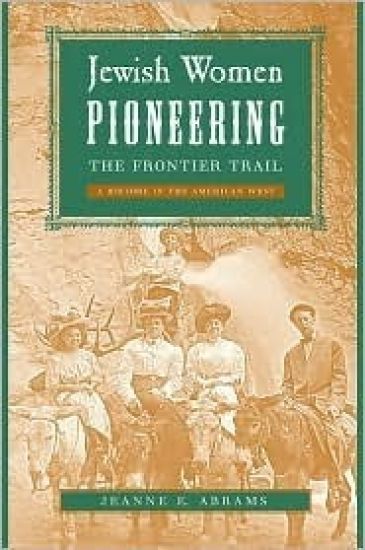
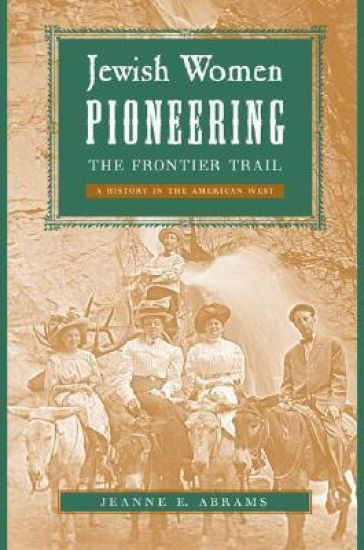
The image of the West looms large in the American imagination. Yet the history of American Jewry and particularly of American Jewish women—has been heavily weighted toward the East. Jewish Women Pioneering the Frontier Trail rectifies this omission as the first full book to trace the history and contributions of Jewish women in the American West. In many ways, the Jewish experience in the West was distinct. Given the still-forming social landscape, beginning with the 1848 Gold Rush, Jews were able to integrate more fully into local communities than they had in the East. Jewish women in the West took advantage of the unsettled nature of the region to "open new doors" for themselves in the public sphere in ways often not yet possible elsewhere in the country. Women were crucial to the survival of early communities, and made distinct contributions not only in shaping Jewish communal life but outside the Jewish community as well. Western Jewish women's level of involvement at the vanguard of social welfare and progressive reform, commerce, politics, and higher education and the professions is striking given their relatively small numbers. This engaging work—full of stories from the memoirs and records of Jewish pioneer women—illuminates the pivotal role these women played in settling America's Western frontier.
Jewish Women Pioneering the Frontier Trail

Jewish Women Pioneering the Frontier Trail

Jeanne E. Abrams

New York University Press
2007
pokkari
The image of the West looms large in the American imagination. Yet the history of American Jewry and particularly of American Jewish women—has been heavily weighted toward the East. Jewish Women Pioneering the Frontier Trail rectifies this omission as the first full book to trace the history and contributions of Jewish women in the American West. In many ways, the Jewish experience in the West was distinct. Given the still-forming social landscape, beginning with the 1848 Gold Rush, Jews were able to integrate more fully into local communities than they had in the East. Jewish women in the West took advantage of the unsettled nature of the region to "open new doors" for themselves in the public sphere in ways often not yet possible elsewhere in the country. Women were crucial to the survival of early communities, and made distinct contributions not only in shaping Jewish communal life but outside the Jewish community as well. Western Jewish women's level of involvement at the vanguard of social welfare and progressive reform, commerce, politics, and higher education and the professions is striking given their relatively small numbers. This engaging work—full of stories from the memoirs and records of Jewish pioneer women—illuminates the pivotal role these women played in settling America's Western frontier.
Revolutionary Medicine

Revolutionary Medicine

Jeanne E. Abrams

New York University Press
2013
sidottu
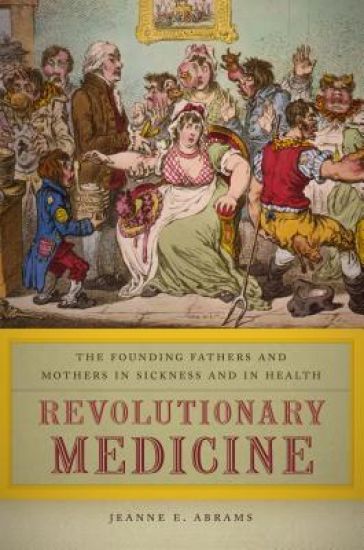
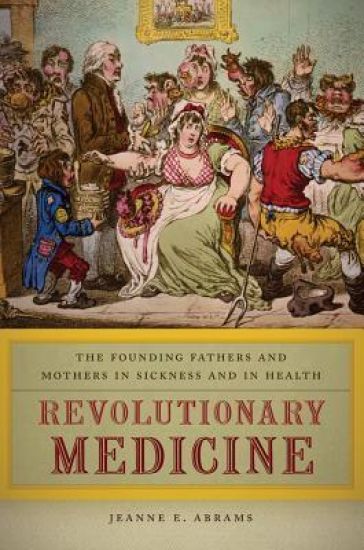
An engaging history of the role that George Washington, Thomas Jefferson, and Benjamin Franklin played in the origins of public health in America Before the advent of modern antibiotics, one's life could be abruptly shattered by contagion and death, and debility from infectious diseases and epidemics was commonplace for early Americans, regardless of social status. Concerns over health affected the founding fathers and their families as it did slaves, merchants, immigrants, and everyone else in North America. As both victims of illness and national leaders, the Founders occupied a unique position regarding the development of public health in America. Revolutionary Medicine refocuses the study of the lives of George and Martha Washington, Benjamin Franklin, Thomas Jefferson, John and Abigail Adams, and James and Dolley Madison away from the usual lens of politics to the unique perspective of sickness, health, and medicine in their era. For the founders, republican ideals fostered a reciprocal connection between individual health and the "health" of the nation. Studying the encounters of these American founders with illness and disease, as well as their viewpoints about good health, not only provides us with a richer and more nuanced insight into their lives, but also opens a window into the practice of medicine in the eighteenth century, which is at once intimate, personal, and first hand. Perhaps most importantly, today's American public health initiatives have their roots in the work of America's founders, for they recognized early on that government had compelling reasons to shoulder some new responsibilities with respect to ensuring the health and well-being of its citizenry. The state of medicine and public healthcare today is still a work in progress, but these founders played a significant role in beginning the conversation that shaped the contours of its development.
A View from Abroad

A View from Abroad

Jeanne E. Abrams

New York University Press
2021
sidottu
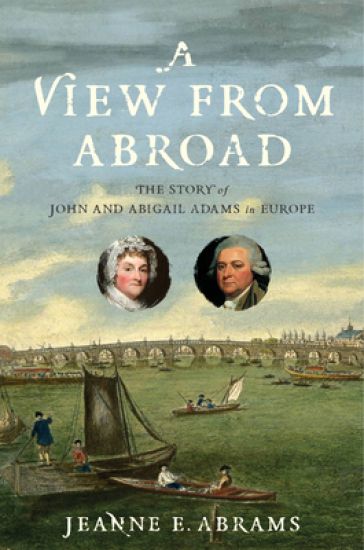
Reveals how the European travels of John and Abigail Adams helped define what it meant to be an American From 1778 to 1788, the Founding Father and later President John Adams lived in Europe as a diplomat. Joined by his wife, Abigail, in 1784, the two shared rich encounters with famous heads of the European royal courts, including the ill-fated King Louis XVI and Queen Marie-Antoinette, and the staid British Monarchs King George III and Queen Charlotte. In this engaging narrative, A View from Abroad takes us on the first full exploration of the Adams’s lives abroad. Jeanne E. Abrams reveals how the journeys of John and Abigail Adams not only changed the course of their intellectual, political, and cultural development—transforming the couple from provincials to sophisticated world travelers—but most importantly served to strengthen their loyalty to America. Abrams shines a new light on how the Adamses and their American contemporaries set about supplanting their British origins with a new American identity. They and their fellow Americans grappled with how to reorder their society as the new nation took its place in the international transatlantic world. After just a short time abroad, Abigail maintained that, “My Heart and Soul is more American than ever. We are a family by ourselves.” The Adamses’ quest to define what it means to be an American, and the answers they discovered in their time abroad, still resonate with us to this day.
A View from Abroad

A View from Abroad

Jeanne E. Abrams

NEW YORK UNIVERSITY PRESS
2024
pokkari
Reveals how the European travels of John and Abigail Adams helped define what it meant to be an American From 1778 to 1788, the Founding Father and later President John Adams lived in Europe as a diplomat. Joined by his wife, Abigail, in 1784, the two shared rich encounters with famous heads of the European royal courts, including the ill-fated King Louis XVI and Queen Marie-Antoinette, and the staid British Monarchs King George III and Queen Charlotte. In this engaging narrative, A View from Abroad takes us on the first full exploration of the Adams's lives abroad. Jeanne E. Abrams reveals how the journeys of John and Abigail Adams not only changed the course of their intellectual, political, and cultural development—transforming the couple from provincials to sophisticated world travelers—but most importantly served to strengthen their loyalty to America. Abrams shines a new light on how the Adamses and their American contemporaries set about supplanting their British origins with a new American identity. They and their fellow Americans grappled with how to reorder their society as the new nation took its place in the international transatlantic world. After just a short time abroad, Abigail maintained that, "My Heart and Soul is more American than ever. We are a family by ourselves." The Adamses' quest to define what it means to be an American, and the answers they discovered in their time abroad, still resonate with us to this day.
Revolutionary Medicine

Revolutionary Medicine

Jeanne E. Abrams

New York University Press
2015
pokkari
An engaging history of the role that George Washington, Thomas Jefferson, and Benjamin Franklin played in the origins of public health in America Before the advent of modern antibiotics, one's life could be abruptly shattered by contagion and death, and debility from infectious diseases and epidemics was commonplace for early Americans, regardless of social status. Concerns over health affected the founding fathers and their families as it did slaves, merchants, immigrants, and everyone else in North America. As both victims of illness and national leaders, the Founders occupied a unique position regarding the development of public health in America. Revolutionary Medicine refocuses the study of the lives of George and Martha Washington, Benjamin Franklin, Thomas Jefferson, John and Abigail Adams, and James and Dolley Madison away from the usual lens of politics to the unique perspective of sickness, health, and medicine in their era. For the founders, republican ideals fostered a reciprocal connection between individual health and the "health" of the nation. Studying the encounters of these American founders with illness and disease, as well as their viewpoints about good health, not only provides us with a richer and more nuanced insight into their lives, but also opens a window into the practice of medicine in the eighteenth century, which is at once intimate, personal, and first hand. Perhaps most importantly, today's American public health initiatives have their roots in the work of America's founders, for they recognized early on that government had compelling reasons to shoulder some new responsibilities with respect to ensuring the health and well-being of its citizenry. The state of medicine and public healthcare today is still a work in progress, but these founders played a significant role in beginning the conversation that shaped the contours of its development.
First Ladies of the Republic

First Ladies of the Republic

Jeanne E. Abrams

New York University Press
2018
sidottu
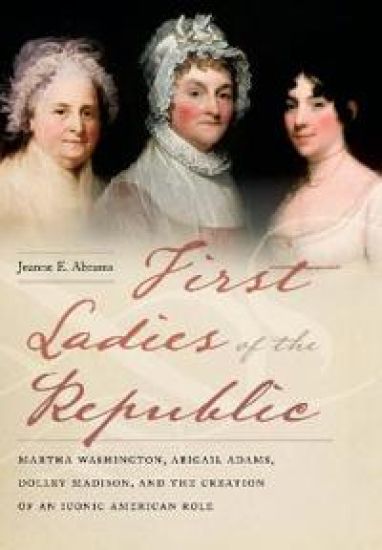
How the three inaugural First Ladies defined the role for future generations, and carved a space for women in America America's first First Ladies—Martha Washington, Abigail Adams, and Dolley Madison—had the challenging task of playing a pivotal role in defining the nature of the American presidency to a fledgling nation and to the world. In First Ladies of the Republic, Jeanne Abrams breaks new ground by examining their lives as a group. From their visions for the future of the burgeoning new nation and its political structure, to ideas about family life and matrimony, these three women had a profound influence on one another's views as they created the new role of presidential spouse. Martha, Abigail and Dolley walked the fine line between bringing dignity to their lives as presidential wives, and supporting their husbands' presidential agendas, while at the same time, distancing themselves from the behavior, customs and ceremonies that reflected the courtly styles of European royalty that were inimical to the values of the new republic. In the face of personal challenges, public scrutiny, and sometimes vocal criticism, they worked to project a persona that inspired approval and confidence, and helped burnish their husbands' presidential reputations. The position of First Lady was not officially authorized or defined, and the place of women in society was more restricted than it is today. These capable and path-breaking women not only shaped their own roles as prominent Americans and "First Ladies," but also defined a role for women in public and private life in America.
First Ladies of the Republic

First Ladies of the Republic

Jeanne E. Abrams

New York University Press
2019
pokkari
How the three inaugural First Ladies defined the role for future generations, and carved a space for women in America America's first First Ladies—Martha Washington, Abigail Adams, and Dolley Madison—had the challenging task of playing a pivotal role in defining the nature of the American presidency to a fledgling nation and to the world. In First Ladies of the Republic, Jeanne Abrams breaks new ground by examining their lives as a group. From their visions for the future of the burgeoning new nation and its political structure, to ideas about family life and matrimony, these three women had a profound influence on one another's views as they created the new role of presidential spouse. Martha, Abigail and Dolley walked the fine line between bringing dignity to their lives as presidential wives, and supporting their husbands' presidential agendas, while at the same time, distancing themselves from the behavior, customs and ceremonies that reflected the courtly styles of European royalty that were inimical to the values of the new republic. In the face of personal challenges, public scrutiny, and sometimes vocal criticism, they worked to project a persona that inspired approval and confidence, and helped burnish their husbands' presidential reputations. The position of First Lady was not officially authorized or defined, and the place of women in society was more restricted than it is today. These capable and path-breaking women not only shaped their own roles as prominent Americans and "First Ladies," but also defined a role for women in public and private life in America.
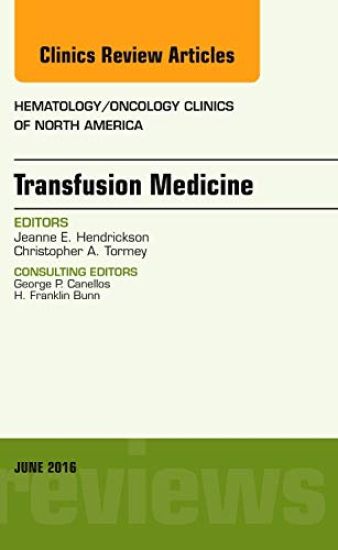
Transfusion Medicine, An Issue of Hematology/Oncology Clinics of North America

Transfusion Medicine, An Issue of Hematology/Oncology Clinics of North America

Jeanne E. Hendrickson; Christopher A. Tormey

Elsevier - Health Sciences Division
2016
sidottu
Blood transfusions are an important part of hematologic care. This issue of Hematology/Oncology Clinics will focus on transfusion medicine and will include articles on: RBC Transfusions: Conclusions from Clinical Trials and the Establishment of Evidence-based Guidelines for Adults, Platelet Transfusions: Conclusions from Clinical Trials and the Establishment of Evidence- and/or Experience-based Guidelines for Adults, Use and Overuse of Plasma Products: Establishment of Evidence- and/or Experience-based Guidelines for Plasma Transfusion in Adults, Stem Cell Mobilization/Collection: Coordination Between Hem/Onc, Transplant, and Transfusion Services, Management of Patients with Sickle Cell Disease Using Transfusion Therapy: Guidelines and Complications, and many more exciting articles.
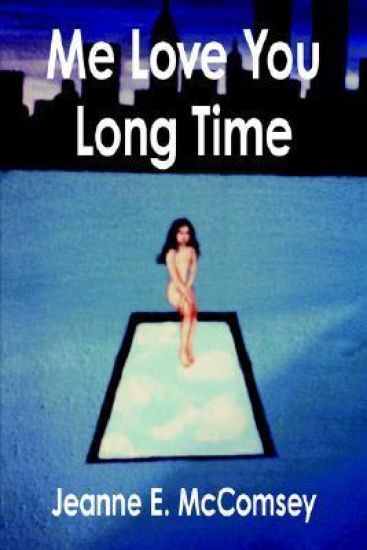
Me Love You Long Time

Me Love You Long Time

Jeanne E McComsey

Authorhouse
2006
nidottu
This is a love story, but it's a different kind of love story, it's about the horrors of love and its unleashed dark side, its constant beastly confusion and its tidal wave of deadly words. This is a story about what happens to a beautiful young woman, Ruth Blank, who is mentally ill and obsessed with one book in particular, WUTHERING HEIGHTS, secretly searching for her very own Heathcliff while her bipolar-life has been turned upside down and inside out with Schizophrenia as she gently, slowly, almost slides back into reality when she meets a handsome doctor, Jon, who hides well his truly evil Jekyll and Hyde personality and wants to help her cope with the schizophrenia, as if it was merely a text-book case, but it's more than that. Much more. He seems to care for her, perhaps too much for her own good, this sick-riveting novel will 'seize' you from the start and then immerse you with its deadly blades of haunting suspense. There are many lonely mountains to climb; his upper-class level is high, hers is gutter-low, and, except for the voices, she has no one. It's about the struggles in and off all the streets of Manhattan, a place where there's something unmistakable about its 'voice', its low intimate tone, and the way its word-laden wind tickles your ears with the city's softly drawn-out vowels and its ill hint of an exciting breath that heightens your pulse. It's about the rotten apples in the Big Apple; it's about the whimpers of the strong and the strengths of the weak, it's about living a life where you can shed your anonymity and be who you really are; crazed saint and sinner, and then become Institutionalized because you're too different, after you've rushed blindly head-first into Manhattan's romantic flames like a dirty defeated moth, carrying Pandora's huge box of emotions inside your glass head forever, being watched by a thousand eyes, afraid to death of that razor-sharp scalpel that will steal your memories, not just intruding, but removing, as you
Daughter Of The Dark

Daughter Of The Dark

Jeanne E McComsey

Authorhouse
2006
nidottu
In the beginning there was Silence but that was before the Earth came alive with Light, then Darkness and Night followed quickly. Life entered into this World and meaning was given to form, order to chaos and direction to motion. Words went forth and covered the World, seeking and destroying with a summer's greatness and a winter's tragedy, but the Word-bearers became tired and speechless, history grew stale and cluttered the Earth with endless wars and the Silent Stars told no more fairy-tales. The fullness of the Silence and the Night was absolute until something else came to Earth. Centuries ago a lonely Vampire traveled swiftly across the land as a new World emerged out of the Darkness. With taloned fingers attached to spiny-thrashing wings he struck out in the Night: his name was Victor; one of the Devil's Damned. He sought out a woman and swooped down to claim her with the strength of ten as she struggled to no avail.he felt the blood of life throbbing through her veins tempting him like some Sequined Siren.Blood: one sip and nothing else will ever do Victor clawed at her throat, tearing deep furrows with his long razor-sharp teeth as blood exploded from her neck, its brassy copper odor adding to his madness as he listened to her screams, felt the dying, but nothing else mattered, he consumed her completely, not only her blood, but her feelings, her emotions, her loves, and he relished them as if they were his own. Death had come that Night; not with a tender warm hand and a memorable song, but with a different kind of embrace.and only then did the first exhilarating death occur, and from out of this Screaming outrageous dream-like decadence came the "DAUGHTER OF THE DARK".
Emergent Complexity

Emergent Complexity

Jeanne E. Arnold

International Monographs in Prehistory
1996
sidottu
Serious interest in the evolution and dynamics of intermediate societies has grown by leaps and bounds during the past decade. The purpose of this volume is to suggest new ways to model the many stimuli and processes by which cultural complexity emerges, emphasizing major organizational changes, not the appearance and disappearance of specific traits. All contributors share the view that it is time to fundamentally reconsider a variety of ideas about the emergence of complex organization. Their chapters present data from a broad range of case studies, including the Northwest Coast and British Columbia Plateau, California, the Plains, the Mississippian Southeast, the American Southwest, Spain, and Northern Europe.