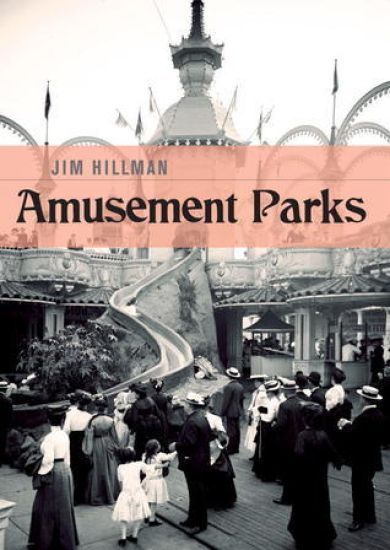
From Jones's Woods, America's first amusement resort, to Coney Island during the golden age of the mid-1900s, and well beyond into the twenty-first century, the thrills of the amusement park have been a treasured part of childhood for Americans from coast to coast. Though many of the country's grand amusement treasures have now vanished, and many other parks are struggling for survival, their memory and legacy are very much alive: there will be a fascination with these American classics as long as the clatter of the old coaster cars and the thumping of the carousel band organ remains. Through thoroughly researched text and historic images, Amusement Parks author and park enthusiast Jim Hillman captures the sights, smells, and continuing vitality of a grand American tradition.
Pekka Sulkunen; Thomas F. Babor; Jenny Cisneros Ornberg; Michael Egerer; Matilda Hellman; Charles Livingstone; Virve Marionneau; Janne Nikkinen; Jim Orford; Robin Room; Ingeborg Rossow
Commercial gambling is a recent historical phenomenon. It has developed into a profitable industry that supplies a range of recreational activities to its customers, and is a significant way of collecting money from players to distribute to companies, state budgets, and other beneficiaries. Many of these are civil society organizations, using the money for producing services in sports, culture, social work, and health care. However, gambling can also develop into pathological behaviour. Using a public interest framework, this book discusses the policies that will best serve the public good and minimize individual and collective harms. After describing the historical context of the gambling and the current global burden of the activity, available methods of regulating the industry are evaluated using the available scientific evidence. By analysing the effectiveness of gambling policies and their alignment with the public interest, the epidemiological obstacles to successful regulation are considered in detail. There is good evidence for the effectiveness of restrictions on availability and access, but preventing gambling-related harm is not possible without limiting the overall volume of the activity, and hence the profits for the gambling industry and governments. Taking an international approach, this book delivers a comprehensive review of the epidemiological evidence documenting the harmful effects of gambling on individuals, communities, and societies. Essential reading for policymakers, social and behavioural scientists in gambling research, and public health researchers, Setting Limits examines a global view of an emerging epidemic of gambling problems.
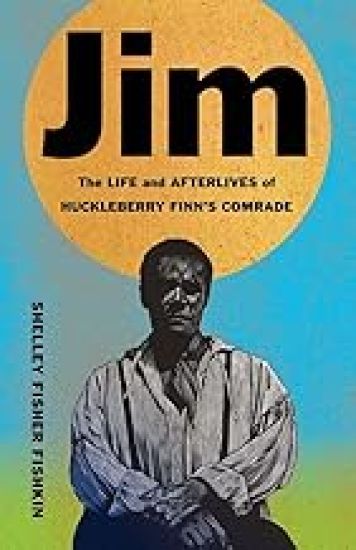
The origins and influence of Jim, Mark Twain’s beloved yet polarizing literary figure “Astute. . . . Sheds new light on a much-studied character.”—Publishers Weekly Mark Twain’s Jim, introduced in Adventures of Huckleberry Finn (1885), is a shrewd, self-aware, and enormously admirable enslaved man, one of the first fully drawn Black fathers in American fiction. Haunted by the family he has left behind, Jim acts as father figure to Huck, the white boy who is his companion as they raft the Mississippi toward freedom. Jim is also a highly polarizing figure: he is viewed as an emblem both of Twain’s alleged racism and of his opposition to racism; a diminished character inflected by minstrelsy and a powerful challenge to minstrel stereotypes; a reason for banning Huckleberry Finn and a reason for teaching it; an embarrassment and a source of pride for Black readers. Eminent Twain scholar Shelley Fisher Fishkin probes these controversies, exploring who Jim was, how Twain portrayed him, and how the world has responded to him. Fishkin also follows Jim’s many afterlives: in film, from Hollywood to the Soviet Union; in translation around the world; and in American high school classrooms today. The result is Jim as we have never seen him before—a fresh and compelling portrait of one of the most memorable Black characters in American fiction.
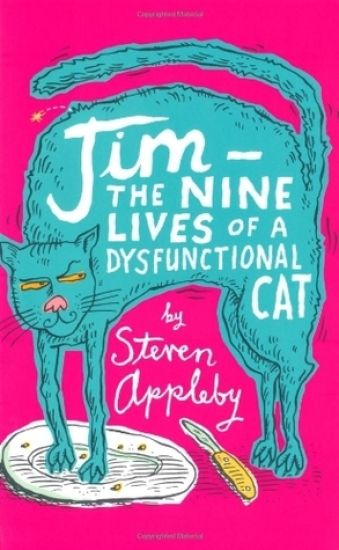
They say every cat has nine lives, and Jim the dysfunctional cat is no exception. Steven Appleby's new book tells the story of one very challenged cat and of the trials and tribulations of living with him. Based on many years spent observing and despairing at the real Jim, the book concentrates on each of Jim's lives in nine gruesome chapters. It also explores the unfathomable nature of cats in general and the trauma of sharing your life with them. Cat lovers will be charmed. Cat haters will have all their suspicions confirmed. WARNING! Jim is not a cat for the squeamish or those of a weak constitution.
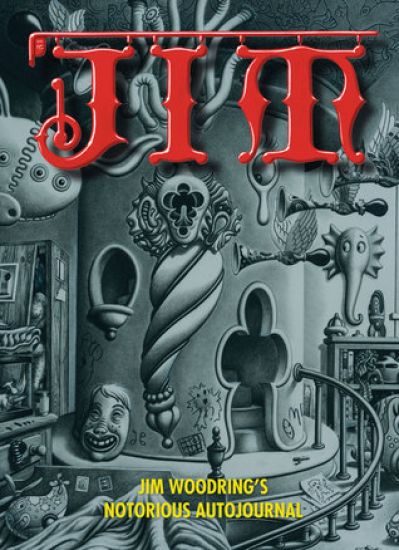
Frank is, as everyone knows, Jim Woodring's best-selling cartoon character. Jim, on the other hand, is Woodring's cartoon alter ego, the fictional doppelganger who has for 30 years inhabited Woodring's alternate universe where shifting, phantasmagoric landscapes, abrupt, hallucinatory visual revelations, and unexpected eruptions of uninhibited verbal self-flagellation are commonplace. Jim is a mind-bending collection of all of Woodring's best non-Frank creative work -- comics stories, prose stories, drawings, and paintings, with a new introduction and afterword by the man himself. Abounding in metaphors if you choose to see them and naked self-disclosure if you don't, this volume of comics, prose, and images -- collected here for the first time -- is a bounty of Woodring's inspired artistry.